
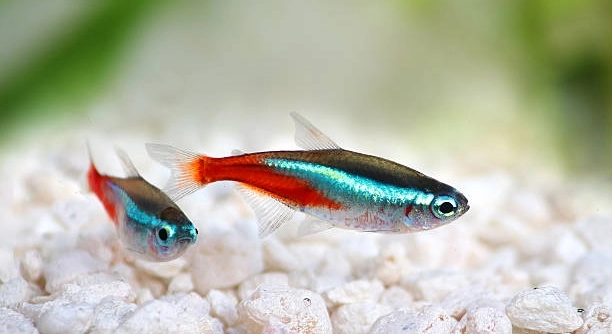
Neon Tetras are vibrant and popular fish in home aquariums. If you’re looking to improve their health and lifespan, their diet plays a crucial role. Proper feeding practices can make a big difference in their longevity.
To improve the lifespan of Neon Tetras, focus on providing a balanced diet with high-quality food that meets their nutritional needs. Regularly offering varied options, such as flakes, pellets, and live foods, ensures they get the necessary nutrients for optimal health.
By following these feeding tips, you can help maintain your Neon Tetras’ well-being and longevity. Understanding their dietary needs is key to keeping them happy and healthy for years to come.
1. Choose High-Quality, Specialized Food
Neon Tetras thrive on a diet rich in proteins, vitamins, and minerals. Selecting food that caters specifically to their needs is vital for their health. High-quality flakes, pellets, and frozen foods will provide the right balance of nutrients. In addition to processed food, consider incorporating live foods like brine shrimp or daphnia to mimic their natural diet. This ensures they receive a variety of nutrients that support their growth and vitality. Poor-quality food, on the other hand, may lack essential nutrients, causing health problems and potentially reducing their lifespan.
Feeding your fish a quality diet tailored to their specific needs is essential for their overall health. Make sure to choose food that offers a balanced mix of protein and other vital nutrients.
High-quality food isn’t just about improving their appearance. Proper nutrition also strengthens their immune system, helping them ward off diseases and maintain optimal energy levels. This, in turn, enhances their lifespan and makes them more resilient to environmental stresses. By focusing on food quality, you give your Neon Tetras the best chance to thrive in your aquarium for years to come.
2. Feed Small, Regular Meals
Feeding Neon Tetras in small, frequent meals helps mimic their natural feeding patterns. Instead of one large feeding session, provide them with smaller portions throughout the day. This prevents overeating and ensures they absorb the nutrients effectively. Overfeeding can lead to water pollution, which negatively affects the health of your fish and their environment.
Feeding small amounts regularly reduces the risk of digestive issues and keeps your aquarium clean. This routine benefits the Tetras’ health and promotes their longevity.
Dividing meals into smaller portions also allows for better digestion and nutrient absorption. Their small stomachs can only handle so much at once, so offering food in multiple servings ensures they get what they need without waste. This feeding habit can also minimize the stress that comes with large amounts of food settling at the bottom of the tank, reducing water quality issues and promoting a healthier tank environment.
3. Offer a Variety of Foods
Neon Tetras need a range of foods to stay healthy. Variety ensures they get all the necessary nutrients and helps prevent boredom. Offer a mix of high-quality flakes, pellets, and occasional live or frozen foods. This keeps their diet balanced and exciting.
Switching up the food you offer also supports their immune system and encourages natural behaviors. By incorporating a variety of foods, you ensure they get the best nutrition possible. Tetras are less likely to become picky eaters when their meals are diverse. Just be mindful not to overfeed, as too much variety can still lead to water quality problems.
By feeding your Tetras a mix of foods, you also mimic the variety they would find in their natural habitat. Offering both plant and animal-based options gives them a well-rounded diet that supports their growth, health, and overall vitality. The goal is to provide different textures and flavors to promote good eating habits, which can positively impact their lifespan.
4. Provide Proper Feeding Amounts
One of the key aspects of feeding Neon Tetras is offering the right amount of food. Overfeeding can cause water contamination and digestive issues, so aim to feed them only what they can consume in about two minutes. This prevents excess food from decaying in the tank.
Monitoring the amount of food and adjusting accordingly is crucial. If you notice uneaten food at the bottom of the tank, you’re feeding too much. Keep track of their eating habits and adjust portions based on their activity level. Healthy Tetras are active and eat quickly, so if they leave food behind, it’s a sign of excess.
Feeding too much can also harm the water quality, which is just as important for your Tetras’ health as the food itself. Leftover food breaks down, releasing toxins that can affect your fish. Regular water changes are important to ensure the environment stays clean and safe for your fish.
5. Feed at the Right Time
Feeding your Neon Tetras at consistent times helps establish a healthy routine. They are more likely to eat when they are accustomed to a regular schedule. Choose a time that works for you and stick to it for best results.
Consistency in feeding times also reduces stress for the fish. It helps them feel secure in their environment and prevents overfeeding caused by erratic schedules. Maintaining a stable routine contributes to their overall well-being and supports a long lifespan.
6. Maintain Clean Water
Clean water is crucial for Neon Tetras’ health. Poor water quality can lead to stress and make it harder for them to absorb nutrients from their food. Regular water changes are necessary to keep toxins at bay.
The cleaner the water, the healthier your Tetras will be. Proper filtration and routine water checks ensure the tank stays free of harmful substances. This helps prevent diseases and maintains the balance needed for your fish to thrive.
7. Adjust Food Based on Water Temperature
Neon Tetras are cold-water fish, so their feeding habits are influenced by the temperature of their tank. In warmer water, they may become more active and require more food. In cooler temperatures, they tend to eat less.
Monitoring water temperature helps you determine how much food to offer. Colder water slows down their metabolism, meaning less food is needed. Keep the water at the right temperature to support your Tetras’ activity level, ensuring they receive the correct amount of food.
FAQ
How often should I feed my Neon Tetras?
You should feed your Neon Tetras two to three times a day. It’s important to offer them small amounts that they can consume within 2-3 minutes. This helps prevent overfeeding, reduces waste in the tank, and ensures they get enough nutrients. Regular feeding times will help keep them healthy without overloading the tank.
Can I feed my Neon Tetras only flakes?
While flakes are a convenient food choice, it’s best to feed your Neon Tetras a variety of foods. Flakes should be supplemented with occasional frozen or live foods such as brine shrimp, daphnia, or bloodworms. This variety ensures that your Tetras get the necessary vitamins and minerals for a balanced diet.
What are the signs of overfeeding my Neon Tetras?
Overfeeding can lead to uneaten food accumulating at the bottom of the tank. If you notice excess food or a cloudy tank, this is a sign that you’re feeding too much. Overfeeding can also affect water quality, which harms your Tetras’ health. Additionally, overfed Tetras may become lethargic and have digestive issues.
Can I feed Neon Tetras frozen food?
Yes, frozen food like brine shrimp or daphnia is excellent for Neon Tetras. These foods provide essential nutrients and are closer to what they would eat in the wild. Just make sure to thaw the frozen food before feeding it to avoid water contamination. Offering frozen food occasionally helps maintain their overall health.
How long can Neon Tetras go without food?
Neon Tetras can survive for about 3-4 days without food, but this is not ideal. It’s important to feed them regularly for optimal health. Going too long without food can weaken their immune system and make them more susceptible to diseases. If you’re going on vacation, consider using an automatic feeder to ensure they are fed while you’re away.
What is the best water temperature for Neon Tetras?
Neon Tetras thrive in water temperatures between 72°F and 80°F (22°C – 27°C). If the water is too cold, their metabolism slows down, and they eat less. If the water is too warm, they may become stressed. Maintaining a stable temperature within this range ensures your Tetras stay active, healthy, and well-fed.
How do I know if I’m feeding my Neon Tetras the right amount?
The right amount of food is one that your Tetras can consume in 2-3 minutes. If food is left behind after feeding, you are likely giving them too much. Adjust the portion size to avoid uneaten food settling in the tank. Monitor their behavior: healthy Tetras will eagerly eat all their food.
Should I feed my Neon Tetras during water changes?
It’s best not to feed your Neon Tetras immediately before or after a water change. Fresh water may cause stress, and overfeeding can result in water quality issues. Allow the fish to adjust to the water conditions first, then resume regular feeding. Water changes should also be timed to prevent uneaten food from polluting the tank.
Can Neon Tetras eat live plants?
Neon Tetras typically don’t eat live plants, as they are primarily carnivores and prefer protein-rich foods. However, they might nibble on soft plants occasionally, especially if they are lacking nutrients in their diet. If you notice plant damage, ensure that their diet is well-balanced and not lacking in necessary vitamins.
What is the best food for breeding Neon Tetras?
If you’re breeding Neon Tetras, their diet should be high in protein. Offer them live or frozen foods like brine shrimp and bloodworms, which are ideal for promoting healthy breeding. You can also offer finely crushed flakes or specialized fry food. A varied and protein-rich diet will support both the parents and the fry.
How do I prevent my Neon Tetras from becoming picky eaters?
To prevent pickiness, offer your Neon Tetras a variety of foods. A consistent feeding schedule with a mix of flakes, pellets, and live or frozen foods will keep them interested in their meals. Avoid feeding them the same food every day, as this can cause them to reject other types of food.
Are Neon Tetras sensitive to certain foods?
Yes, some Neon Tetras can be sensitive to foods that are too rich or high in fat, leading to digestive issues. It’s important to provide balanced nutrition that mimics their natural diet. Stick to high-quality foods designed specifically for small tropical fish to avoid upsetting their stomachs.
How do I know if my Neon Tetras are healthy?
Healthy Neon Tetras are active, swim in schools, and have vibrant colors. If your Tetras appear sluggish, have faded colors, or are not eating, this may be a sign of illness or poor diet. Ensure that they are receiving the proper food and that water conditions are ideal for their well-being.
What should I do if my Neon Tetras are not eating?
If your Neon Tetras are refusing food, check the water quality and temperature first. Poor water conditions can cause stress and loss of appetite. Try offering a variety of foods, including live or frozen options. If they still refuse to eat, consult a veterinarian to rule out any health issues.
Final Thoughts
Feeding Neon Tetras properly is essential for their health and longevity. A balanced diet with a mix of flakes, pellets, and occasional live or frozen food will ensure they get the nutrients they need. Offering small amounts of food several times a day helps avoid overfeeding and keeps the tank clean. It’s important to adjust the amount of food based on the temperature and activity level of your Tetras, as their feeding habits can change with the water temperature. Consistency in feeding times is key to creating a stable routine that will help your Tetras feel secure and thrive.
Regularly checking the water quality and maintaining a proper filtration system is just as important as feeding. Clean water reduces the risk of diseases and helps your Neon Tetras absorb nutrients from their food. Proper water conditions can make a significant difference in their overall well-being. As a general rule, aim for water temperature between 72°F and 80°F to keep your Tetras active and healthy. Always test water parameters like pH, ammonia, and nitrate levels to ensure a safe environment. Clean water and proper feeding go hand in hand to promote a long, healthy life for your fish.
By following these simple tips, you’ll improve the chances of your Neon Tetras living a long and healthy life. Always observe your fish to ensure they’re eating properly, and monitor their behavior for signs of illness. A proper diet and stable tank environment will reduce stress, encourage growth, and help prevent common health issues. With the right care, your Neon Tetras can live for several years, adding vibrant color to your aquarium.

Hello,
If you enjoy the content that we create, please consider saying a "Thank You!" by leaving a tip.
Every little bit helps us continue crafting quality advice that supports the health, happiness, and well-being of pets around the world, for pets of all shapes, sizes, and species.
We really appreciate the kindness and support that you show us!