
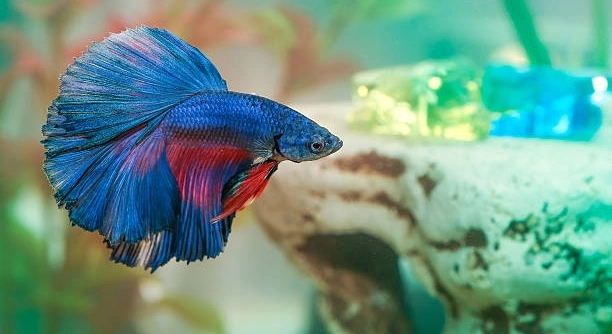
Identifying male and female Betta fish can be challenging, especially for beginners. Understanding the differences is important for their care and breeding. This guide will help you distinguish between the two based on physical traits and behavior.
Male Betta fish are generally smaller and more colorful, with longer fins. They exhibit more vibrant colors and have a more aggressive nature, especially when encountering other males. Female Betta fish are typically rounder, with shorter fins and less intense coloration.
Knowing these differences will help you better understand your Betta fish and provide the right care. Understanding the distinctions also makes breeding more manageable for those interested in this activity.
Physical Differences Between Male and Female Betta Fish
When comparing male and female Betta fish, the most noticeable differences are their size and appearance. Male Betta fish are typically smaller in size but have long, flowing fins, making them appear more vibrant and striking. Their bodies often showcase bright, vivid colors, especially when they’re healthy and in their prime. Males are more aggressive and territorial, often flaring their fins when confronted by other males. This physical display is a sign of their dominance.
In contrast, female Betta fish are usually rounder and have shorter fins, giving them a more compact appearance. Their colors are often more muted compared to males, but they can still display a range of colors depending on their genetic background. Females are generally less aggressive than males and are less likely to flare their fins. These physical traits make it easier to distinguish the gender of Betta fish, especially when you observe their behavior in the tank.
Betta fish care requires understanding these differences for proper management. Male Betta fish, due to their aggression, may need to be housed alone to avoid fights. Female Betta fish, however, are often more tolerant and can be kept in groups. Recognizing their differences also helps in setting up the right environment for each gender. Additionally, understanding the traits of both sexes aids in successful breeding practices, allowing you to ensure that your Betta fish are healthy and thriving.
Behavior and Activity Levels
Male Betta fish are more active and aggressive compared to females. They often engage in territorial behavior, especially when placed in a confined space or with other males. This aggressive nature can lead to fights, so it’s important to house them separately to avoid injuries. In contrast, females tend to be less aggressive and more social. They may tolerate being kept with other females or even males in certain cases, but they still prefer their own space to avoid stress.
Observing their behavior closely will help you ensure a healthy and peaceful environment for both sexes. Male Betta fish will often display their fins in an attempt to show dominance, while females are more likely to be seen swimming calmly in groups or exploring their surroundings.
Recognizing Breeding Behavior
Male Betta fish exhibit specific behaviors when they are ready to breed. They begin building bubble nests on the surface of the water, which is a clear indicator of their readiness to mate. The male will also flare his fins and display vibrant colors to attract a female.
The male Betta will attempt to court the female by swimming around her, flaring his fins and showing off his bubble nest. If the female shows interest, she may swim closer to the nest. The male will lead her to the nest and initiate the breeding process. It’s essential to note that the female may not always show readiness, and it’s crucial to ensure that both fish are healthy before attempting breeding.
When the female is receptive, she will approach the male, and they will engage in a “dance” that can last for hours. This behavior is a significant part of the Betta fish’s breeding ritual. If successful, the female will lay eggs, and the male will fertilize them. Afterward, the male Betta will guard the eggs in the bubble nest until they hatch.
Differences in Size and Growth
Male and female Betta fish vary in size as they mature. Males are generally more slender and shorter, though their longer fins make them appear larger. Females are more rounded in shape, with a slightly stockier body.
As Betta fish mature, males tend to grow more vibrant, especially in coloration, while females remain duller in comparison. Despite the smaller body size, males usually appear larger due to their long fins and tail. Female Betta fish, however, can grow slightly larger in body mass but have shorter fins and tails, which gives them a more compact look overall. This difference in growth is often the most apparent when Betta fish are kept in a tank together.
Understanding these size differences can be useful for aquarium setup. Males need enough space to flare and swim freely, while females do better in environments where they feel secure and less threatened. Observing the size and growth patterns of each sex helps in creating the ideal living conditions for Betta fish.
Color Differences Between Male and Female Betta Fish
Male Betta fish are known for their vibrant and intense colors, often displaying shades of blue, red, and purple. These bold colors are part of their mating display and help attract females. In comparison, females tend to have more subdued, pastel hues.
While males have bright, striking colors, females usually display more neutral or lighter tones. This difference helps male Betta fish stand out, especially during breeding season. Females may have a pale body with a slight hint of color, often determined by their genetics. Their less intense colors make them less noticeable in their natural habitat, helping them avoid predators.
Identifying Betta Fish Through Fins and Tail
The fins and tail of a Betta fish are one of the easiest ways to differentiate between males and females. Male Betta fish have long, flowing fins, often considered one of their most attractive features. Females, however, have shorter fins and tails.
The males’ fins are larger, more elaborate, and can be seen as dramatic, especially when flaring. Their long, flowing tails and fins add to their graceful swimming patterns. Females’ fins are compact and less striking, reflecting their more subdued nature. This difference is particularly noticeable when both sexes are kept together in the same tank.
Aggression in Male Betta Fish
Male Betta fish are highly territorial and will often display aggression toward other males. This behavior is part of their natural instinct to protect their space and assert dominance. They will flare their fins and engage in physical combat if necessary.
This aggressive behavior can lead to injuries, so it is important to keep male Betta fish in separate tanks or with other species that are not aggressive. Males may also display aggression when they feel threatened by their reflection or a perceived intruder. Understanding this behavior is crucial for maintaining peace in a community tank.
FAQ
How can I tell if my Betta fish is male or female?
The easiest way to distinguish between male and female Betta fish is by looking at their physical characteristics. Males are typically smaller but have long, flowing fins and vibrant colors. They are also more aggressive, especially towards other males. Females are generally rounder with shorter fins and duller colors. They are less aggressive and may appear more passive than their male counterparts.
Can male and female Betta fish live together?
Male and female Betta fish can live together under specific circumstances, but it’s not always recommended. In some cases, male Betta fish may show aggression towards females, especially when they are not in breeding mode. If kept together, it is important to monitor them closely for any signs of aggression. Male and female Betta fish should only be kept together in a large enough space to minimize territorial issues.
How do male Betta fish behave around females?
Male Betta fish display a unique courting behavior when they are around females. They will often flare their fins and swim in circles around the female, showing off their bubble nests. If the female is receptive, she may swim towards him, signaling that she’s ready to mate. However, males can also be territorial and may become aggressive toward females if they do not show interest.
Can I keep multiple female Betta fish together?
Yes, multiple female Betta fish can be kept together in the same tank, but only in a large enough space. This is commonly known as a sorority setup. When housed together, females tend to be less aggressive than males but can still exhibit territorial behavior. It’s essential to have plenty of hiding spaces and plants to help minimize stress and fighting among females.
What happens if a male Betta fish is kept with other males?
Keeping multiple male Betta fish in the same tank can lead to intense aggression. Male Betta fish are highly territorial and will likely fight if placed together. These fights can lead to serious injury or even death. It is generally recommended to keep only one male Betta in a tank, unless there is sufficient space and hiding spots to reduce aggression.
How do I care for a female Betta fish differently from a male?
Female Betta fish are generally easier to care for than males due to their less aggressive nature. They don’t need as much space as males and can often be kept in groups. However, it’s still important to provide them with a well-maintained tank and to monitor their behavior, as they can become stressed in overcrowded environments. Female Bettas should have access to plenty of hiding spots to help them feel secure.
Can Betta fish change gender?
Betta fish cannot change gender. However, some Betta fish may appear more masculine or feminine depending on their developmental stage. Males typically grow more vibrant in color and develop longer fins as they mature. On the other hand, female Betta fish remain smaller and have shorter fins. Gender differences become more obvious as the Betta fish matures, but they are biologically determined and do not change over time.
Do female Betta fish build bubble nests?
Female Betta fish do not build bubble nests. Bubble nests are typically a behavior exhibited by males when they are ready to breed. The male Betta will create a nest by blowing bubbles at the water’s surface. While female Betta fish may swim near the nest and participate in the breeding process, they do not build or maintain the nest themselves.
How can I tell if my Betta fish is ready to breed?
A male Betta fish is ready to breed when it starts building a bubble nest. This nest is formed by the male blowing bubbles at the water’s surface and clustering them together. The female Betta will show signs of readiness by displaying a vertical breeding stripe along her body. When the male sees this, he will attempt to court the female by swimming around her and leading her to the nest.
Can Betta fish breed in a community tank?
Breeding Betta fish in a community tank can be challenging due to their aggressive nature. Males are highly territorial and may become aggressive towards other fish, especially other males. It’s best to set up a separate breeding tank for Betta fish to minimize stress and ensure a safe environment for both the male and female. If breeding in a community tank is unavoidable, it is essential to separate the Betta fish from other species and ensure they are the only ones in the breeding area.
How long do Betta fish live?
Betta fish typically live for around 2 to 4 years with proper care. Their lifespan can vary depending on factors like water quality, diet, and overall environment. To ensure a long, healthy life, it’s important to maintain stable water conditions, provide a balanced diet, and avoid overcrowding in their tank.
Do male Betta fish flare their fins often?
Yes, male Betta fish often flare their fins as a display of dominance and aggression. This is most common when they feel threatened, especially when they see another male Betta fish. Males will also flare their fins when they encounter their own reflection in the tank glass. This behavior is a natural instinct and a part of their territorial nature.
What is the best tank size for a Betta fish?
The minimum tank size for a Betta fish is 5 gallons, but larger tanks are better for their health and well-being. A larger tank allows the Betta more space to swim and helps maintain stable water conditions. It’s also important to include a lid for the tank, as Betta fish are known to jump.
Can Betta fish live without a filter?
While Betta fish can technically live without a filter, it is not recommended. A filter helps maintain clean water by removing waste and toxins, which is crucial for the fish’s health. Without a filter, the water can quickly become polluted, leading to poor water quality and stress for the Betta fish. Regular water changes are essential if you decide not to use a filter.
Final Thoughts
Understanding the differences between male and female Betta fish is essential for proper care. Males are known for their vibrant colors and aggressive behaviors, while females are typically more subdued in appearance and less territorial. This distinction can help you choose the right Betta for your tank and ensure a harmonious environment. Recognizing these differences also aids in identifying breeding readiness, as males build bubble nests and display courting behaviors, while females show vertical breeding stripes.
The care for male and female Betta fish requires a focus on their unique behaviors. Male Betta fish are more territorial and should be kept alone or with non-aggressive species. Females, on the other hand, can often live together in groups, known as sororities, but require plenty of space and hiding spots to prevent aggression. Both males and females need high-quality water, a balanced diet, and an environment that mimics their natural habitat to thrive. Proper tank size and maintenance play a key role in keeping your Betta healthy and happy.
Ultimately, the key to successful Betta fish care is observation and understanding. By recognizing the differences in behavior, appearance, and care needs, you can provide a better environment for your Betta. Whether you choose a male or female Betta, it’s important to consider their needs and adapt your care accordingly. Creating the right space for your Betta to live comfortably will not only promote their health but will also make them an enjoyable addition to your home.

Hello,
If you enjoy the content that we create, please consider saying a "Thank You!" by leaving a tip.
Every little bit helps us continue crafting quality advice that supports the health, happiness, and well-being of pets around the world, for pets of all shapes, sizes, and species.
We really appreciate the kindness and support that you show us!