
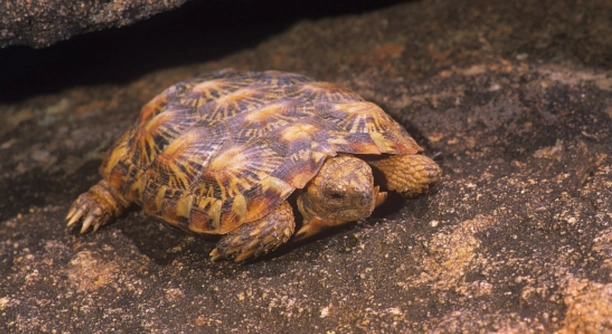
A tortoise’s claw can become broken from various causes, such as injury or improper care. Identifying and treating this issue quickly is important to prevent further complications and ensure your pet’s health and comfort.
A broken claw in a tortoise typically requires immediate attention to avoid infections or additional damage. Depending on the severity, treatment options can range from simple home care to professional veterinary assistance, with various solutions available to manage the injury.
There are several ways to help your tortoise heal and prevent future issues. Keep reading to discover effective solutions for treating a tortoise’s broken claw and ensuring their long-term well-being.
How a Tortoise’s Claw Gets Broken
A tortoise’s claw can be damaged for many reasons. It may occur due to accidents such as falls, rough handling, or even sharp objects in their habitat. Improper living conditions can also contribute to broken claws, like too hard of surfaces or not having enough space to move freely. It’s also possible for a claw to break if the tortoise digs or scratches in an environment that’s too harsh for its claws to withstand. This damage may cause noticeable changes in behavior, like limping or reluctance to move.
Recognizing a broken claw early can prevent further injury and infections. Often, the tortoise may appear hesitant to walk or put pressure on the injured foot. Look for visible cracks or breaks in the claw itself. If the injury looks severe, it is important to act quickly and seek help.
Injury from other animals, rough surfaces, or sharp objects might cause breaks, but environmental factors are often overlooked. Keeping your pet’s habitat clean and free of hazards is essential for their well-being. Regular checks will help ensure they are safe.
Identifying the Signs of a Broken Claw
It’s essential to spot the signs of a broken claw quickly so that you can address the issue. A tortoise may show signs of pain, like withdrawing from contact, avoiding walking, or hiding more than usual. If the break is minor, they may still be able to walk, but you will see limping. In more serious cases, the break may be accompanied by bleeding, swelling, or signs of infection. It’s crucial to identify these signs early for proper care and treatment.
When a tortoise’s claw is broken, the best thing to do is observe closely. You may notice a change in behavior, such as decreased activity or attempts to keep the injured leg off the ground. Pay attention to how they react when touched, especially around the injured area.
Assessing the severity of the break can help you determine whether you need to take action yourself or if professional help is necessary. A small crack can be treated at home, but a deep or painful break may require a vet’s assistance.
Immediate Steps to Take When You Find a Broken Claw
If you find that your tortoise has a broken claw, it’s important to act fast. The first thing you should do is assess the damage. Look for bleeding, swelling, or any visible cracks. If bleeding occurs, apply gentle pressure with a clean cloth to stop it.
Once you’ve managed any bleeding, you can clean the area with mild antiseptic. Be sure to avoid anything too harsh, as it can irritate the skin. Keep the tortoise in a clean, quiet space to minimize movement. Limit its walking to avoid further stress on the broken claw.
For minor breaks, a simple cleaning and proper care might be enough. However, for more serious breaks or if the claw becomes infected, a vet visit is necessary. They may need to trim or bandage the area to ensure it heals correctly.
Caring for a Tortoise’s Broken Claw at Home
If the break is not too severe, you can manage the healing process at home. First, make sure your tortoise’s living area is safe and clean. Avoid rough surfaces that could aggravate the injury. Place them in a habitat with soft, smooth flooring to prevent further damage.
Monitor the injury closely for any signs of infection, such as swelling or pus. Keep the area dry and clean, and ensure that the tortoise has enough food and water to stay healthy. It might also be a good idea to reduce its activity level until the injury heals.
While your tortoise heals, keep their environment calm and secure. A stress-free environment is crucial to their recovery. If the injury does not seem to improve after a few days or worsens, seek veterinary care immediately. Early treatment helps prevent complications.
When to Seek Veterinary Help
If the claw break looks severe or the tortoise shows signs of extreme pain, it’s time to contact a vet. Do not wait, as untreated injuries can lead to infections or permanent damage. A vet can provide proper treatment to ensure the claw heals correctly.
Even if the break seems minor, if there is noticeable swelling or the tortoise is not using its leg at all, it’s a good idea to visit the vet. Sometimes, what appears to be a small issue can develop into something more serious if left untreated.
The vet will evaluate the injury and may offer treatment options, such as bandaging the claw or administering antibiotics if an infection is present. They might also advise on proper aftercare to ensure your tortoise recovers well.
Preventing Future Claw Injuries
To prevent further injuries, you need to ensure your tortoise’s environment is safe. Avoid sharp objects or rough surfaces that could damage the claws. Provide plenty of space for your tortoise to roam freely, as cramped conditions increase the risk of injury.
Regularly check your pet’s claws for signs of wear and tear. This will help you catch any problems early, before they become serious. By keeping the living area clean and stress-free, you’ll create an environment where your tortoise can thrive without further risk of injury.
Healing Time and Claw Regrowth
The healing time for a broken claw can vary depending on the severity. On average, it may take a few weeks for a minor injury to fully heal. During this time, it’s important to monitor the tortoise closely and avoid any activities that might stress the injured leg.
For severe breaks, healing could take longer and might require more intensive care. In some cases, the claw might not grow back fully, but most tortoises will adapt to their injury. With proper care, they can still live a healthy and active life.
FAQ
How do I know if my tortoise’s claw is broken?
A broken claw can be identified by visible cracks, splits, or even missing parts of the claw. If the tortoise is limping, avoiding movement, or showing signs of discomfort when touched, it’s likely the claw is broken. Severe cases may involve swelling, bleeding, or pus.
Can a tortoise heal from a broken claw?
Yes, most tortoises can heal from a broken claw with proper care. Minor breaks can heal within a few weeks with little intervention, while more severe injuries may require professional treatment. The healing process depends on the injury’s severity and your tortoise’s overall health.
Should I try to fix the broken claw myself?
For minor breaks, you can clean the area and bandage it carefully, but more severe cases should be handled by a veterinarian. If there’s swelling, infection, or excessive bleeding, don’t attempt treatment at home and seek professional help immediately.
How can I treat a minor broken claw at home?
To treat a minor break, clean the area gently with mild antiseptic and avoid using harsh chemicals. You can bandage the area lightly to protect it, but ensure it’s not too tight. Keep the tortoise in a calm, clean environment and limit its movement until it heals.
How do I prevent claw injuries in my tortoise?
To prevent claw injuries, ensure that your tortoise’s habitat has smooth surfaces and is free from sharp objects. Providing plenty of space and allowing for regular movement can help avoid stress on their claws. Regularly check their claws for signs of damage.
Can a tortoise live with a missing claw?
Yes, a tortoise can live without a claw. While it may take some time for them to adjust, they can still get around and perform most activities. However, if the injury affects the tortoise’s mobility or causes pain, they may need extra care or modifications in their habitat.
How long does it take for a tortoise’s broken claw to heal?
The healing time can vary depending on the severity of the break. Minor breaks may take around two to three weeks to heal, while more severe injuries might require several months. Ensure that the tortoise is not stressed during this time, as it can slow down the healing process.
What should I do if the claw is bleeding?
If the claw is bleeding, apply gentle pressure using a clean cloth or gauze to stop the bleeding. Once the bleeding has stopped, clean the wound carefully with an antiseptic. Keep the tortoise in a calm, dry environment and limit movement to prevent further injury.
Can a tortoise’s claw get infected?
Yes, a tortoise’s claw can become infected if the break isn’t treated properly or if dirt enters the wound. Signs of infection include swelling, redness, pus, and a bad odor. If you notice these signs, consult a veterinarian immediately to prevent further complications.
Should I change the bandage regularly?
Yes, if you have bandaged your tortoise’s broken claw, change the bandage regularly to ensure the area stays clean and dry. Check for any signs of infection each time you change the bandage. This helps in preventing bacteria from developing in the wound.
How can I make my tortoise more comfortable during recovery?
During recovery, it’s important to provide a clean, calm environment for your tortoise. Ensure they have soft bedding and avoid placing them in areas where they might hurt themselves further. Reducing stress and keeping them in a quiet area will help speed up the healing process.
What should I feed my tortoise while it heals?
While your tortoise is healing, maintain a balanced diet that includes leafy greens, vegetables, and occasional fruit. Ensure they have access to clean, fresh water. A healthy diet boosts the immune system, which helps the body recover from injury faster.
Can I use any over-the-counter treatments for a broken claw?
It’s best to avoid over-the-counter treatments unless recommended by a vet. Some products designed for humans or other pets may irritate a tortoise’s skin or cause more harm. Always consult with a vet for appropriate treatments to avoid further complications.
When should I take my tortoise to the vet for a broken claw?
If your tortoise shows signs of extreme pain, if the break is severe, or if you notice infection (such as swelling or pus), it’s time to consult a vet. It’s better to be cautious, as untreated claw injuries can lead to more serious health issues.
Will a tortoise need special care after a broken claw heals?
After healing, your tortoise may not need special care, but it’s important to monitor its behavior and claw condition regularly. If the tortoise is still having difficulty moving, it may need more time to adjust. Providing a comfortable environment will help prevent future injuries.
How can I ensure my tortoise’s claws stay healthy?
To keep your tortoise’s claws healthy, ensure they have a proper diet rich in calcium and maintain an environment that allows them to move freely without excessive wear on their claws. Providing adequate space and safe, non-abrasive surfaces is crucial for preventing injuries.
Final Thoughts
Taking care of a tortoise’s broken claw can be simple if you know what to look for and how to treat it properly. While it may seem like a small injury, it’s important not to ignore it. If you notice your tortoise limping or avoiding movement, check for signs of a broken claw. A timely response can make a significant difference in the healing process, preventing complications such as infections or permanent damage. Always remember that proper treatment and care can lead to a quick recovery for your pet.
Whether the injury is minor or more severe, monitoring the tortoise’s condition is crucial. For minor breaks, cleaning and protecting the claw with a light bandage may be all that’s needed. If you notice any signs of infection or excessive swelling, seeking veterinary assistance is the best choice. A veterinarian can offer professional treatment and ensure that your tortoise’s recovery goes smoothly. Additionally, make sure to provide a clean, stress-free environment for your pet during this time to help speed up the healing process.
Preventing future injuries is equally important in ensuring the well-being of your tortoise. Regularly check your pet’s claws for any signs of wear, and make sure their living space is safe and free of hazards. Providing them with smooth surfaces and plenty of room to move around will reduce the chances of accidents. With proper care and attention, your tortoise will continue to live a healthy, active life. Always stay observant and proactive about their health to avoid complications in the future.

Hello,
If you enjoy the content that we create, please consider saying a "Thank You!" by leaving a tip.
Every little bit helps us continue crafting quality advice that supports the health, happiness, and well-being of pets around the world, for pets of all shapes, sizes, and species.
We really appreciate the kindness and support that you show us!