
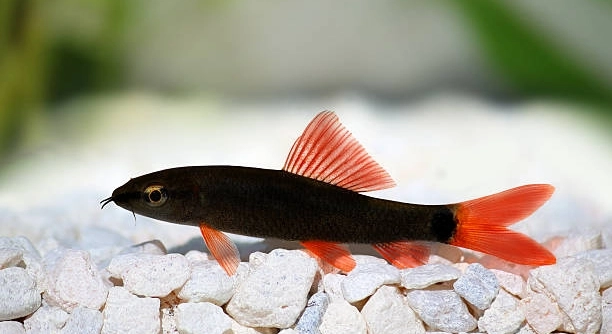
Many aquarium enthusiasts enjoy keeping rainbow sharks for their vibrant colors and active behavior. These fish require specific care to feel comfortable in their environment. Ensuring their security helps maintain their health and reduce stress.
To help your rainbow shark feel secure, provide ample hiding spots, maintain stable water conditions, avoid overcrowding, offer a balanced diet, and minimize sudden changes in their tank environment. These measures reduce stress and promote natural behavior.
Following these simple steps will improve your rainbow shark’s wellbeing and create a peaceful aquarium atmosphere for all its inhabitants.
Create Plenty of Hiding Spaces
Rainbow sharks feel safer when they have places to hide. Adding decorations like caves, plants, and driftwood gives them options to retreat when they feel threatened or stressed. These hiding spots help reduce aggression from other fish and provide a secure environment. Without enough cover, rainbow sharks can become anxious and less active, which may affect their health. Arrange the tank so hiding spaces are spread out, allowing the fish to choose different areas. Natural decorations that mimic their habitat work best. Clean and inspect these areas regularly to prevent algae buildup or sharp edges. This simple step improves their comfort and encourages natural behavior. Providing adequate cover also helps the rainbow shark feel less exposed, reducing signs of nervousness like darting or hiding in corners for long periods.
Offering a safe space is essential for your rainbow shark’s daily comfort and long-term well-being in the aquarium environment.
Providing a variety of hiding places reduces stress, encourages normal behavior, and helps your rainbow shark thrive by creating a more natural and secure habitat.
Maintain Stable Water Conditions
Rainbow sharks are sensitive to sudden changes in water parameters such as temperature, pH, and ammonia levels. Keeping water conditions stable is vital for their health and sense of security. Use a reliable water testing kit to monitor levels regularly and perform partial water changes to keep the environment clean. Sudden shifts in temperature or poor water quality can cause stress and illness, making your fish more vulnerable. Installing a heater and filter designed for your tank size helps maintain consistent conditions. Avoid overcrowding the tank, as it can lead to rapid water quality deterioration. Patience during tank cycling is important before introducing your rainbow shark. Regular maintenance and consistent monitoring create a healthy, stress-free environment for your fish.
Stable water quality minimizes stress, supports immune function, and ensures your rainbow shark feels safe and comfortable in its surroundings.
Consistently monitoring and adjusting water parameters is one of the most effective ways to support your rainbow shark’s health and security.
Avoid Overcrowding the Tank
Too many fish in a tank stress rainbow sharks and limit their space to swim and hide. Overcrowding increases aggression and worsens water quality quickly.
A spacious tank with enough room helps rainbow sharks establish territories and reduces conflict. Ideally, a 30-gallon tank or larger is recommended for one rainbow shark. This size gives enough space for swimming and hiding spots. Overcrowding causes competition for food and hiding places, which raises stress levels. Stress weakens the immune system, making the fish more prone to disease.
Separating aggressive or territorial fish from your rainbow shark can prevent bullying. Observe your tank’s population regularly and make adjustments to avoid crowding. Maintaining appropriate fish density improves overall tank health and your rainbow shark’s well-being.
Feed a Balanced Diet
Rainbow sharks require a varied diet to stay healthy and active. Their food should include flakes, pellets, and occasional live or frozen foods like bloodworms or brine shrimp. A diet rich in protein supports growth and vibrant colors.
Feeding small amounts multiple times a day mimics their natural feeding habits and prevents overfeeding. Avoid excess food, as leftover uneaten food can pollute the tank and harm water quality. Supplementing with vegetables like zucchini or peas provides fiber and variety.
Maintaining a consistent feeding schedule reduces stress by creating a predictable routine for your fish. It also helps monitor their appetite and health. A balanced diet supports your rainbow shark’s energy levels, immune system, and overall happiness in the tank.
Minimize Sudden Changes
Sudden changes in the tank environment cause stress for rainbow sharks. Avoid abrupt shifts in temperature, lighting, or water chemistry to keep your fish calm and secure.
Gradual adjustments give your rainbow shark time to adapt. This lowers stress and supports overall health.
Regular Tank Cleaning
Regular tank cleaning is essential to maintain good water quality. Remove debris, uneaten food, and waste to prevent harmful toxin buildup.
Consistent cleaning prevents ammonia spikes and keeps your rainbow shark’s environment healthy. It also reduces the risk of disease, helping your fish feel safe and comfortable.
Maintain Proper Lighting
Proper lighting helps regulate your rainbow shark’s daily cycle and behavior. Use a timer to provide consistent light and dark periods each day.
Avoid very bright or constant lighting, as it can stress the fish. Balanced lighting creates a calm and natural environment that supports their well-being.
How often should I feed my rainbow shark?
Feeding your rainbow shark two to three small meals per day is ideal. This schedule mimics their natural grazing habits and prevents overeating. Avoid feeding large amounts at once because leftover food can pollute the tank and increase ammonia levels, stressing your fish.
Can rainbow sharks live with other fish?
Rainbow sharks can live peacefully with other fish if the tank is large enough and species are chosen carefully. Avoid keeping them with aggressive or very small fish, as rainbow sharks may become territorial or bully tank mates. Providing enough space and hiding spots helps reduce aggression.
What tank size is best for a rainbow shark?
A minimum of 30 gallons is recommended for a single rainbow shark. Larger tanks are better if you want to keep multiple fish or other species. A spacious tank allows your rainbow shark to swim freely and establish territories without feeling crowded.
How do I know if my rainbow shark is stressed?
Signs of stress include hiding excessively, loss of appetite, erratic swimming, and faded colors. Stress often results from poor water quality, overcrowding, or sudden changes in the tank. Identifying these signs early allows you to take corrective action.
What is the ideal water temperature for rainbow sharks?
Rainbow sharks prefer temperatures between 74°F and 80°F (23°C–27°C). Maintaining stable temperature within this range is crucial. Sudden temperature shifts can cause stress and weaken their immune system.
How often should I clean the tank?
Partial water changes of 20-25% every one to two weeks keep water quality high. Regularly removing debris and cleaning the substrate prevents toxin buildup. Avoid full tank cleanings unless necessary, as they can disturb beneficial bacteria.
Can I keep rainbow sharks in a community tank?
Yes, if tank size is sufficient and tank mates are peaceful and similar in size. Avoid very small or aggressive species to prevent stress or injury. Providing hiding spaces also supports peaceful cohabitation.
What should I do if my rainbow shark hides all the time?
Frequent hiding may indicate stress, illness, or poor water conditions. Check water parameters and tank setup first. Ensure there are adequate hiding spots but not so many that the fish feels trapped. If hiding continues, consult a fish health expert.
How do I prevent aggression in my rainbow shark?
Avoid overcrowding and provide enough territory with decorations. Keep tank mates compatible in size and temperament. Observe behavior regularly and separate aggressive fish if necessary.
What foods are best for rainbow sharks?
A varied diet with high-quality flakes or pellets, supplemented by live or frozen foods like bloodworms or brine shrimp, works well. Adding vegetables like zucchini or peas promotes digestion and nutrition balance.
Is it normal for rainbow sharks to be territorial?
Yes, they naturally establish territories, especially in smaller tanks. Providing space and hiding spots helps reduce territorial disputes and aggression.
Can rainbow sharks live without hiding places?
Hiding places are important for their security and stress reduction. Without them, rainbow sharks may become anxious, show abnormal behavior, or lose color vibrancy.
How can I acclimate a new rainbow shark?
Introduce your rainbow shark slowly by floating the sealed bag in the tank for 15-20 minutes. Gradually mix small amounts of tank water into the bag over 30-60 minutes before release. This process reduces shock from changes in water chemistry.
What is the lifespan of a rainbow shark?
With proper care, rainbow sharks typically live 5 to 8 years in home aquariums. Good diet, stable water conditions, and stress reduction contribute to a longer lifespan.
Can I breed rainbow sharks at home?
Breeding rainbow sharks is difficult in a home aquarium because they require specific conditions. They lay eggs on flat surfaces and can be territorial during spawning. Most hobbyists focus on care rather than breeding.
How do I treat common diseases in rainbow sharks?
Common diseases include ich and fin rot. Early treatment with aquarium-safe medications is important. Maintain clean water and stable conditions to prevent outbreaks. Quarantining new fish helps avoid spreading illness.
What lighting schedule is best for rainbow sharks?
A 10 to 12-hour light cycle with consistent timing each day supports natural behavior. Use a timer to maintain regular lighting and darkness periods. Avoid overly bright or continuous lighting, which can cause stress.
Are rainbow sharks good for beginners?
They are moderately challenging. While hardy, they require stable water conditions, adequate tank size, and proper diet. Beginners who keep up with regular maintenance and monitoring can successfully care for rainbow sharks.
How much space do rainbow sharks need to swim?
They are active swimmers and need ample open space in the tank. Avoid overcrowding decorations that limit swimming areas. Open swimming space reduces stress and encourages natural behavior.
What is the best way to monitor my rainbow shark’s health?
Observe your fish daily for changes in behavior, appetite, and appearance. Test water regularly to ensure parameters are within ideal ranges. Promptly address any signs of illness or stress to maintain health.
Providing a secure environment for your rainbow shark is essential for its overall health and happiness. These fish respond well to consistent care and attention, especially when their basic needs are met. Giving them enough space to swim, proper hiding spots, stable water conditions, and a balanced diet all play a crucial role in reducing stress. Stress can cause many health problems for fish, so minimizing it helps your rainbow shark stay active and colorful. By making these small but important adjustments, you create a peaceful habitat where your fish can thrive.
Maintaining water quality is one of the most important tasks when caring for a rainbow shark. Regular tank cleaning and monitoring of water parameters like temperature, pH, and ammonia levels ensure a safe environment. These fish are sensitive to sudden changes, so gradual adjustments and consistent maintenance are key. Overcrowding should be avoided because it leads to competition for resources and can increase aggression. Keeping the tank population balanced supports peaceful interactions and helps your rainbow shark feel secure. Paying attention to these details promotes a long and healthy life for your fish.
Feeding your rainbow shark a varied and balanced diet supports its energy and immune system. Including protein-rich foods along with occasional vegetables gives them the nutrients they need. Feeding smaller meals multiple times a day mimics natural behavior and prevents leftover food from polluting the tank. In addition to good nutrition, minimizing sudden changes in lighting and environment also reduces stress. When combined, these efforts improve the overall wellbeing of your rainbow shark. Caring for your fish with consistency and patience creates a healthy aquarium that benefits all the aquatic life inside.

Hello,
If you enjoy the content that we create, please consider saying a "Thank You!" by leaving a tip.
Every little bit helps us continue crafting quality advice that supports the health, happiness, and well-being of pets around the world, for pets of all shapes, sizes, and species.
We really appreciate the kindness and support that you show us!