
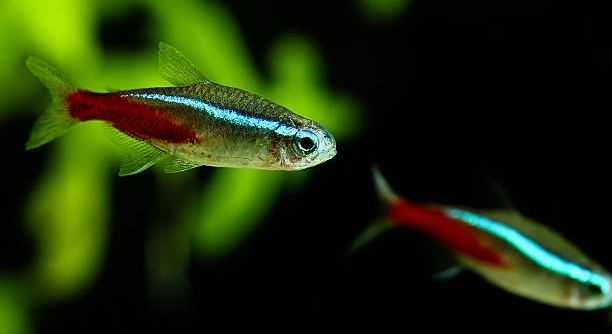
Neon Tetras are a popular and vibrant addition to many aquariums, but like all fish, they can experience stress. Stress can affect their health, behavior, and overall well-being, so understanding how to help them recover is important.
The best way to help your Neon Tetra recover from stress is by providing a stable and calm environment. Reducing stressors such as sudden changes in water conditions, aggressive tank mates, or overcrowding can significantly promote recovery.
By following simple steps like adjusting tank conditions and improving their environment, you can support your Neon Tetra’s recovery. Let’s explore seven proven methods that will help restore their health and happiness.
1. Keep the Tank Clean and Stable
Stress can often stem from poor water quality. Neon Tetras are sensitive to changes in water temperature, pH levels, and ammonia. Maintaining a stable environment in your aquarium will reduce the chances of them getting stressed. Regularly check water parameters like temperature, pH, and nitrate levels to ensure they remain in the safe range. A clean tank will not only keep your fish healthy but will also prevent any harmful bacteria or pathogens from affecting them.
Keeping the water clean also means performing regular water changes. Changing 20-30% of the water every week helps maintain water quality and keeps toxins from building up. You should also vacuum the substrate to remove any leftover food or waste that could pollute the water.
Besides keeping the water clean, ensure your filter works properly. Filters help in maintaining water flow and oxygenation, which is crucial for keeping your fish comfortable. The more stable and clean the tank environment, the better it will be for your Neon Tetra’s health.
2. Avoid Overcrowding in the Tank
Overcrowding can lead to territorial stress and aggression in fish. Keeping too many Neon Tetras or other species in one tank can create tension. It’s essential to maintain the proper fish-to-water ratio to prevent stress.
A well-planned tank setup allows Neon Tetras to swim freely and reduces competition for food or space. Overcrowding can also lead to poor water quality due to the increased waste load, further exacerbating stress. Make sure your aquarium has enough room for all the fish to coexist without feeling cramped.
To avoid overcrowding, research the ideal tank size for your Neon Tetras. A tank size of at least 10 gallons is recommended for a small school of Neon Tetras. This allows them plenty of space to swim and explore. It’s also crucial to consider the needs of other species in the tank. Make sure they aren’t outcompeting your Neon Tetras for resources like food and space. Proper planning will create a peaceful and stress-free environment for your fish.
3. Keep Tank Lighting Moderate
Bright lights can cause stress for Neon Tetras, especially if they’re left on for too long. They prefer dimmer environments, and constant exposure to strong lighting can disrupt their natural behavior and sleep patterns. Aim for about 10-12 hours of light per day.
Using a timer for your aquarium lights helps maintain a consistent light schedule. This prevents the stress that may occur if the lighting is erratic. Neon Tetras naturally thrive in low light, so adjusting your lighting to mimic natural conditions will allow them to feel more secure.
Consider using LED lighting that can be dimmed. If you have live plants in your tank, these lights can also promote their growth. Just be sure to avoid using overly bright or harsh lights, as this could make your Neon Tetras feel vulnerable and stressed. With proper lighting, your fish will be much more comfortable and less anxious.
4. Feed a Balanced Diet
A proper diet is essential for the health and well-being of your Neon Tetras. Stress can sometimes be caused by poor nutrition, which can weaken their immune system. Ensure you’re offering a balanced diet, including high-quality flake or pellet food, along with occasional live or frozen foods like brine shrimp or daphnia.
Feed your Neon Tetras small amounts multiple times a day rather than one large serving. This prevents uneaten food from decomposing in the tank, which can lead to water contamination. Avoid overfeeding, as excess food increases the chance of pollution and stress. Proper feeding routines help to keep their energy levels high and reduce any potential stress caused by hunger or nutritional deficiencies.
Variety is key when it comes to feeding your fish. Include different types of food in their diet to ensure they get the nutrients they need. A healthy and balanced diet will help maintain their overall health, boost their immune system, and reduce the likelihood of stress-related problems. Proper nutrition is one of the most important aspects of keeping your Neon Tetras stress-free and happy.
5. Provide Hiding Spots
Neon Tetras feel more secure when they have places to hide. Adding plants, caves, or other decorations gives them the chance to retreat when feeling stressed. This allows them to relax without being exposed to constant movement in the tank.
Providing hiding spots can also reduce aggression between tank mates. When they have a safe place to go, your Neon Tetras can avoid any confrontations and feel less vulnerable. This is particularly important if you have more aggressive fish species in the tank.
A well-planted aquarium with lots of plants and hiding spots will help your fish feel more secure and reduce the stress they may experience.
6. Manage Tank Temperature
The temperature in the tank plays a crucial role in your Neon Tetra’s stress levels. These fish prefer a temperature range of 72°F to 78°F (22°C to 26°C). Keeping the tank too hot or too cold can cause stress and even lead to illness.
Ensure that the aquarium heater is set to the proper temperature and that fluctuations are minimal. Use a reliable thermometer to monitor the tank’s temperature daily. If the temperature varies too much, your Neon Tetra may feel unsettled and unable to properly adjust. Maintaining consistent warmth in the tank is essential for their overall well-being.
A sudden drop or rise in temperature can stress your fish and may also impact their immune system. Keep the water temperature steady to keep your Neon Tetras comfortable and stress-free.
7. Limit Aggressive Tank Mates
Aggressive or overly active fish can create stress for your Neon Tetras. They are peaceful fish that prefer to swim in groups without constant disturbances. Having tank mates that are too large or territorial can lead to stress, with the Tetras constantly trying to avoid them.
Before adding new fish to your tank, research their compatibility with Neon Tetras. Peaceful fish, such as other small, calm species, are the best tank mates for Tetras. Avoid larger or aggressive species that might view your Tetras as competition for food or space.
Stress from tank mates can lead to illness, loss of appetite, and a general decline in health for your fish. Choose compatible species carefully to keep your Neon Tetras relaxed and healthy.
FAQ
What are the signs that my Neon Tetra is stressed?
When Neon Tetras are stressed, they often display certain behaviors. They may swim erratically, hide more often, or show a loss of color, becoming pale or dull. Additionally, stressed Tetras may have a decreased appetite or may refuse to eat altogether. Their fins may appear clamped close to their bodies, and they might isolate themselves from the group. If you notice any of these signs, it’s important to check their environment and water conditions. Stress can also weaken their immune system, making them more susceptible to diseases.
Can I keep Neon Tetras with other fish?
Neon Tetras are peaceful and do well with other small, non-aggressive fish. It’s best to avoid large or aggressive species, as these can intimidate or bully your Tetras. Ideal tank mates include other small schooling fish like Corydoras, Guppies, and other peaceful community fish. However, be cautious when pairing them with fish that may compete for food or territory. Avoid fish with large mouths or fast swimmers that might stress your Tetras by outcompeting them for resources.
How often should I change the water in my tank?
Water changes are essential to maintaining good water quality and reducing stress for your Neon Tetras. It’s generally recommended to perform a 20-30% water change every week. This helps remove toxins like ammonia and nitrates while replenishing vital minerals. If you have a larger tank or fewer fish, you may be able to stretch this to once every two weeks. Always check water parameters before and after water changes to ensure they stay within safe levels.
Is my Neon Tetra sick or just stressed?
Distinguishing between illness and stress can sometimes be tricky, but there are a few clues. Stressed Tetras usually show signs like a pale or dull color, hiding, and erratic swimming. If the fish has visible lesions, cloudy eyes, or abnormal growths, it’s more likely sick rather than stressed. Stress can weaken their immune system, making them more vulnerable to illness, so it’s important to address the underlying cause of the stress. If you’re unsure, it’s always best to consult an aquarium professional.
How can I tell if my Neon Tetra is happy?
A happy Neon Tetra typically swims actively in the middle or top areas of the tank, especially in a school with other Tetras. They should display vibrant colors, and their fins should be open and spread out. Happy Tetras are curious and social, often exploring the tank and interacting with other fish. A healthy and relaxed Neon Tetra will also be eating regularly and may swim in unison with the rest of the school, indicating they are comfortable and at ease in their environment.
Can Neon Tetras live alone?
Neon Tetras are schooling fish, meaning they feel most comfortable in groups. It’s not recommended to keep them alone, as they may become stressed, lose their color, and exhibit less natural behavior. At least five or six Neon Tetras should be kept together to help them feel secure. If you only have one, it will likely become stressed and may not thrive as well as a group. Having a small school allows them to engage in social behavior, which is essential for their well-being.
What temperature should I keep my Neon Tetra tank at?
Neon Tetras prefer temperatures between 72°F and 78°F (22°C to 26°C). Keeping the temperature within this range helps to ensure they stay healthy and stress-free. Sudden fluctuations in temperature can be stressful for the fish and may weaken their immune system. If the water is too cold or too hot, they might become lethargic or sick. Use an aquarium heater and a thermometer to maintain a steady, comfortable temperature for your Neon Tetras.
How do I reduce stress caused by tank mates?
To reduce stress caused by tank mates, make sure you’re keeping compatible species. Choose peaceful, non-aggressive fish that won’t compete too much for food or space. If you have more aggressive fish, consider separating them or adding more hiding spots for your Neon Tetras to retreat to. Keeping the tank’s environment calm and quiet will also help, as loud noises or sudden movements around the tank can make your Tetras feel threatened. Monitor their behavior closely to ensure no one is bullying the Tetras.
Can water hardness affect my Neon Tetra?
Yes, water hardness can affect Neon Tetras. These fish prefer soft, slightly acidic water, with a hardness level between 2-10 dGH (degrees of general hardness). If the water is too hard or alkaline, it can cause stress and may impact their ability to thrive. It’s essential to check water parameters regularly to ensure they’re within the ideal range. If your water is too hard, you can use water conditioners or mix distilled water with tap water to lower the hardness.
How can I tell if my Neon Tetra is pregnant?
While male and female Neon Tetras look quite similar, females are usually rounder in shape, especially when they’re carrying eggs. However, it’s challenging to detect pregnancy in Tetras since they don’t have live births. Neon Tetras are egg layers, and they typically spawn in the presence of a mate. If your female looks bloated and is showing signs of readiness to breed, like increased activity, she may be carrying eggs. After spawning, the eggs are left in the tank, and parents typically do not care for them.
Final Thoughts
Neon Tetras are vibrant, peaceful fish that can thrive in a well-maintained environment. However, like all fish, they are sensitive to changes in their surroundings, and stress can quickly affect their health and behavior. By focusing on creating a stable and calm environment, you can help your Neon Tetras recover from stress and live a long, healthy life. Ensuring proper water quality, temperature, and tank conditions will provide the foundation they need to feel secure and comfortable in their home.
Taking care of the water quality and making sure your Neon Tetras have enough space to swim freely are essential steps. Regular water changes, appropriate filtration, and keeping the tank clean will prevent stress from poor water conditions. Also, monitoring their tank mates and ensuring they are compatible with your Tetras will reduce potential conflicts and prevent aggressive behavior. When you pay attention to the small details like lighting and diet, you give your fish the best chance to recover from stress and thrive in your tank.
Neon Tetras are hardy and adaptable, but they are also delicate creatures. Stress, if not addressed, can lead to more serious health problems. The good news is that with proper care, most stress-related issues can be alleviated. By following the steps mentioned, such as managing tank temperature, reducing overcrowding, and providing adequate hiding spots, you can create an environment where your Neon Tetras will flourish. Keeping them in a stress-free environment ensures that they live their best life, swimming happily and healthily in your aquarium.

Hello,
If you enjoy the content that we create, please consider saying a "Thank You!" by leaving a tip.
Every little bit helps us continue crafting quality advice that supports the health, happiness, and well-being of pets around the world, for pets of all shapes, sizes, and species.
We really appreciate the kindness and support that you show us!