
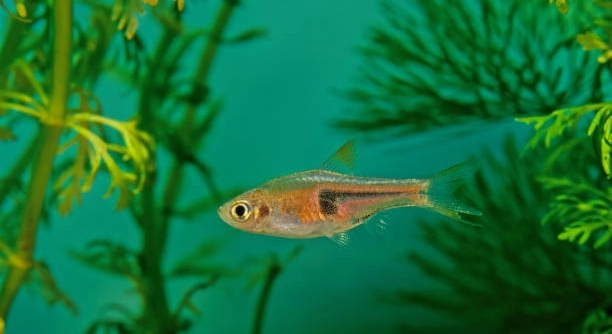
Helping Rasbora fish adapt to new lighting conditions is important for their well-being. Sudden changes in light can cause stress, affecting their behavior and health. Proper adjustment helps create a comfortable and stable environment for these delicate fish.
To help Rasbora adjust to new light, gradually increase the lighting intensity over several days. Begin with dim light and slowly raise it to the desired brightness, allowing the fish time to acclimate. Consistent light cycles support their natural rhythms and reduce stress.
Understanding how to manage light changes will improve your Rasbora’s comfort and health. This guide explains the steps needed for a smooth transition in lighting.
Understanding Rasbora Light Sensitivity
Rasboras are small, active fish that naturally live in shaded or moderately lit waters. Their eyes and behavior have adapted to these lighting conditions. Sudden exposure to bright or harsh lighting can cause them to hide, stop eating, or become stressed. When adjusting their tank light, it is important to mimic their natural environment as much as possible. Using dim or indirect lighting at first can help Rasboras feel safer and more secure. Gradually increasing light intensity allows their eyes to adapt without discomfort. Additionally, maintaining a consistent day-night light cycle supports their internal rhythms, which improves their overall health and reduces anxiety. It is also helpful to provide areas of shade or hiding spots where they can retreat if the light feels too strong. Observing your fish’s reactions during changes is key to ensuring they adjust well and remain comfortable.
Rasboras rely on proper lighting to maintain normal behavior and health. Too much light can disturb their natural habits and cause stress.
Creating a gentle lighting transition helps keep Rasboras calm and active. Providing hiding spaces and consistent light periods allows them to adjust naturally. This reduces stress and promotes a healthy tank environment.
Gradual Light Adjustment Techniques
Start by setting your aquarium light to a low level for several days. This prevents overwhelming your Rasboras and allows their eyes to slowly get used to the new light. Increase the brightness incrementally over one to two weeks, paying close attention to how the fish behave. Avoid sudden changes in lighting duration or intensity. Using a timer can help maintain a steady light schedule, which is beneficial for Rasbora health. Alongside light adjustment, ensure the tank includes plants or decorations that cast shadows. These spots give your fish refuge when light levels feel too intense. Monitoring your Rasboras during this process will help you notice if they become stressed, such as hiding more than usual or reduced movement. If stress signs appear, slow down the light increase to give them more time to adapt. Patience and careful observation are essential for successful adjustment.
Keeping a steady light schedule with gradual brightness increase supports healthy Rasbora behavior and reduces stress.
By slowly adjusting the light intensity and providing shaded areas, you create a safer environment for your Rasboras. A gradual change respects their sensitivity and natural habits, helping them settle comfortably. Using a timer ensures consistent lighting, which supports their internal biological clock. Providing hiding places reduces stress and encourages normal activity. When fish seem uneasy, slowing the process improves their adaptation. This careful approach leads to a balanced aquarium environment where Rasboras thrive.
Monitoring Rasbora Behavior During Light Changes
Watch your Rasboras carefully as you adjust the lighting. Signs of stress include hiding, rapid swimming, or loss of appetite. These behaviors suggest the light is too strong or changing too quickly.
If your Rasboras hide more often or seem less active, reduce the light intensity. Gradually increase it again once they show normal behavior. Keeping track of their eating habits also helps gauge comfort. Sudden refusal to eat often signals stress from light changes. Observing movement and interaction with tank mates gives insight into their well-being. A calm, curious Rasbora indicates successful adjustment to the new lighting. Consistent monitoring ensures you catch any issues early and can respond appropriately.
Recording your observations daily creates a clear picture of how your fish respond over time. This helps refine your lighting schedule for their comfort. If stress signs persist despite adjustments, consider altering the light source or adding more shaded areas. A patient approach combined with careful monitoring will support your Rasbora’s health during lighting transitions.
Using Plants and Decorations to Soften Light
Adding live plants or decorations can reduce light intensity in certain tank areas. This creates shaded spots where Rasboras can retreat if the light feels too bright. Plants like Java fern or Anubias grow well in low light and add natural cover. Driftwood and rocks also provide hiding places. These elements break up the light and mimic natural environments, helping Rasboras feel safe.
Arranging plants strategically ensures your fish can easily find shaded zones throughout the tank. Dense planting near light sources helps diffuse brightness. Floating plants offer surface shade, softening overhead light. Combining plants with decorations allows you to control light distribution effectively. This setup supports Rasbora comfort by offering them options to avoid direct exposure. Well-placed cover also encourages natural behaviors and reduces stress responses. When planning your tank layout, focus on balance between open swimming space and sheltered areas. This approach improves both light management and overall habitat quality for your fish.
Choosing the Right Lighting for Rasboras
Selecting lighting with adjustable brightness is ideal for Rasbora tanks. This allows precise control to avoid sudden intensity changes.
LED lights with dimming options are popular. They use less energy and provide a more natural spectrum, which benefits fish health.
Avoiding Overexposure to Light
Too much light can cause Rasboras stress and reduce their lifespan. Limiting daily light exposure to about 8-10 hours mimics natural conditions. A timer helps keep this consistent, preventing accidental overexposure.
Adjusting Light Based on Tank Size
Smaller tanks often require lower light levels to avoid brightness buildup. Larger tanks may handle stronger lighting but still need gradual adjustment to protect Rasboras’ sensitivity.
Recognizing When to Seek Expert Advice
If Rasboras continue showing stress despite careful light adjustments, consulting an aquarium specialist can provide tailored solutions and help identify other possible issues.
FAQ
How long does it take for Rasboras to adjust to new lighting?
Rasboras usually take about one to two weeks to adapt to changes in lighting if the transition is gradual. Rapid changes can extend adjustment time or cause stress. Monitoring their behavior daily during this period helps ensure the light is increased at a comfortable pace for them.
Can too little light harm Rasboras?
While Rasboras prefer moderate lighting, very low light is generally not harmful but may affect plant growth and tank aesthetics. Insufficient light can reduce natural activity levels in Rasboras, making them less visible or active. Balancing light to suit both fish and plants is important.
Is it better to use natural or artificial light?
Artificial lighting is more reliable for controlling intensity and duration, which benefits Rasboras during adjustment. Natural light is less predictable and can cause fluctuations in brightness, stressing fish. A well-designed artificial light setup with a timer is best for consistent care.
What type of light spectrum do Rasboras need?
A light spectrum that mimics natural daylight, typically in the 5000-7000 Kelvin range, works well. This supports normal fish behavior and healthy plant growth. Avoid lights with overly harsh blue or white tones, which can cause discomfort or unnatural reflections in the tank.
How can I tell if Rasboras are stressed by lighting?
Signs of stress include hiding more than usual, erratic swimming, loss of appetite, or faded coloration. These symptoms indicate the light may be too intense or the change too sudden. Reducing brightness or adding shaded areas often helps relieve stress.
Should I adjust lighting differently for night and day?
Yes, Rasboras benefit from a consistent day-night cycle that mimics natural conditions. About 8-10 hours of light followed by darkness supports their biological rhythms. Using a timer makes it easy to maintain regular light periods without manual effort.
Can sudden power outages affect Rasboras?
Sudden outages causing light to go off abruptly can startle Rasboras but usually do not cause long-term harm. Frequent or prolonged outages, however, disrupt their routine and may increase stress. Using a backup power source or avoiding abrupt light changes can minimize impact.
What role do plants play in lighting adjustment?
Plants provide natural shade and help soften the light in the tank. They create hiding spots that make Rasboras feel secure during light changes. Healthy plants also improve water quality and overall tank balance, which supports fish well-being.
Is it necessary to dim lights at night?
Rasboras do not require dim lights at night. Complete darkness during their rest period is ideal for proper sleep and stress reduction. Night lighting can interfere with their natural rhythms and should generally be avoided.
How often should I check the lighting setup?
Regularly inspecting your lighting setup ensures bulbs or LEDs work properly and timers are accurate. Over time, light output can weaken, so replacement every year or as needed keeps conditions stable. Consistent maintenance supports Rasbora health.
Can other fish affect how Rasboras respond to light?
Yes, tank mates’ behavior can influence Rasbora comfort under certain lighting. Aggressive or overly active species may increase stress, especially if light causes more visibility. Creating shaded areas helps Rasboras avoid unwanted attention and maintain calm.
What if Rasboras refuse to eat after light changes?
Loss of appetite often signals stress from lighting or other environmental changes. Lowering light intensity and providing hiding spots usually helps restore normal feeding. Patience is important; once the fish feel secure, their appetite typically returns.
Are there specific light brands recommended for Rasboras?
No single brand is necessary, but choosing reputable aquarium LED lights with adjustable settings is key. Look for products designed for freshwater tanks with natural light spectrum options. Reading reviews and seeking advice from aquarium communities can guide your choice.
How can I balance light for both plants and Rasboras?
Select lighting that supports moderate plant growth without being too intense for Rasboras. Using dimmable LEDs and placing plants strategically helps achieve this balance. Adjust light duration and brightness carefully, ensuring both plants and fish thrive.
What if my Rasboras still seem stressed after weeks?
If stress continues despite proper light adjustments and tank setup, consider other factors such as water quality, tank size, or compatibility with other fish. Consulting an aquarium expert or veterinarian can provide additional guidance tailored to your specific situation.
Final Thoughts
Helping Rasboras adjust to new lighting takes patience and attention. These small fish are sensitive to sudden changes in their environment, especially light. By gradually increasing light intensity and keeping a consistent day-night cycle, you create a calm setting for them. This steady approach reduces stress and allows Rasboras to adapt at their own pace. It’s important to watch how they respond and be ready to slow down the process if needed. Providing shaded areas with plants and decorations gives them places to hide, which also supports their comfort during changes.
Choosing the right lighting equipment can make a big difference. Adjustable LED lights are ideal because they let you control brightness levels easily. Using a timer to keep the light on for about 8 to 10 hours daily helps maintain their natural rhythms. Avoid very bright or harsh lights that can disturb Rasboras. Instead, aim for lighting that mimics their natural environment. This balance supports both the fish and any live plants in the tank, contributing to a healthier aquarium overall. Proper light management improves Rasboras’ behavior and helps them stay active and healthy.
Remember that every tank and group of Rasboras is different. Some may adapt quickly, while others need more time. Paying close attention to their behavior and making small adjustments as needed will ensure they feel secure. If stress signs continue despite changes, other factors like water quality or tankmates may need checking. Taking care of all these elements together creates the best environment for your Rasboras. With thoughtful care, your fish will thrive under the new lighting, making your aquarium a pleasant and balanced place to enjoy.

Hello,
If you enjoy the content that we create, please consider saying a "Thank You!" by leaving a tip.
Every little bit helps us continue crafting quality advice that supports the health, happiness, and well-being of pets around the world, for pets of all shapes, sizes, and species.
We really appreciate the kindness and support that you show us!