
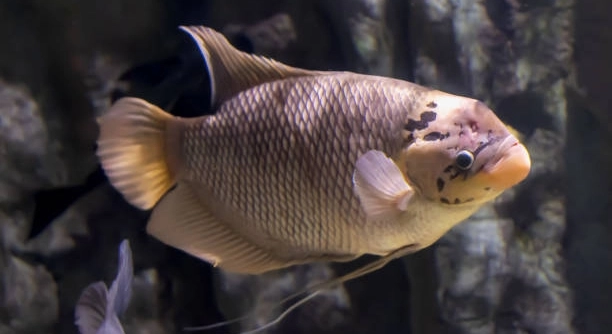
Gouramis are colorful freshwater fish that often require careful attention when introduced to a new tank. Helping them settle comfortably is important for their health and well-being. Proper steps can reduce stress and promote adjustment in unfamiliar environments.
To help gouramis settle in new homes, it is essential to provide stable water conditions, minimize sudden changes, and ensure adequate hiding places. Gradual acclimation and gentle handling reduce stress and support their adaptation to the new habitat.
Supporting gouramis during this transition improves their health and encourages natural behavior, creating a balanced and peaceful aquarium environment.
Preparing the Tank Before Arrival
Setting up the tank properly before bringing gouramis home is crucial. The water should be clean, well-filtered, and at a stable temperature between 74°F and 82°F (23°C to 28°C). Testing water parameters such as pH (6.0 to 7.5), ammonia, nitrites, and nitrates helps ensure a safe environment. Adding live or artificial plants and hiding spots reduces stress by giving gouramis places to retreat. Avoid overcrowding the tank, as gouramis prefer space to swim calmly. A gentle filtration system with low water flow is ideal because strong currents can cause discomfort. Cycling the tank before introducing fish prevents harmful spikes in ammonia and nitrite levels. A quiet area away from direct sunlight and heavy foot traffic creates a peaceful setting for your new fish to acclimate. Planning the tank environment carefully improves the chances gouramis will adapt smoothly.
Acclimating gouramis starts with a stable and comfortable tank environment that meets their basic needs.
Proper preparation reduces initial stress and encourages healthier behavior in gouramis after they arrive.
Introducing Gouramis to the New Tank
When bringing gouramis home, gradual acclimation is key to helping them adjust. Float the sealed bag in the tank for about 15 to 20 minutes to equalize temperature. Slowly add small amounts of tank water to the bag over the next 30 to 60 minutes. This step helps the fish adapt to the new water chemistry. Avoid pouring the bag water directly into the tank to reduce contamination risk. Gently net the fish and release them near plants or decorations where they can hide. Minimize sudden movements and loud noises during this process to avoid startling them. Monitor the gouramis closely for the first few hours to ensure they are swimming normally and not showing signs of distress. This careful introduction supports a smoother transition and reduces the risk of shock or illness.
Patience during the introduction process helps gouramis settle without unnecessary stress or injury.
Using gradual acclimation techniques improves their chances of thriving in the new environment.
Maintaining Water Quality
Keeping water quality high is essential for gouramis’ health. Regular water changes, about 20-25% weekly, help remove toxins and maintain balance. Using a water conditioner neutralizes harmful chemicals like chlorine and chloramine.
Monitoring water parameters such as pH, ammonia, nitrites, and nitrates is important. Sudden changes can stress gouramis, so keep levels stable. Use a reliable test kit and adjust conditions gradually. A good filter supports water clarity and biological balance but avoid strong currents. Overfeeding can pollute the water quickly, so feed small amounts once or twice daily and remove uneaten food.
Temperature stability affects gouramis’ immune system and behavior. Use a heater to maintain the ideal range between 74°F and 82°F. Avoid placing the tank near windows or air vents to prevent temperature fluctuations. Stable water conditions prevent illness and help gouramis stay active and vibrant in their new home.
Observing Behavior and Health
Watch gouramis closely for changes in behavior or appearance. Signs of stress include hiding excessively, rapid gill movement, or loss of appetite. Early detection helps prevent serious health issues. Some common problems include fin damage, clamped fins, or unusual swimming patterns.
Stress can weaken their immune system, making them vulnerable to infections such as ich or fungal diseases. Quarantine new fish and treat the tank promptly if any signs appear. Maintain a clean tank to reduce disease risk. Provide a balanced diet rich in nutrients to support their health.
Gouramis show natural curiosity but can become aggressive if stressed or overcrowded. Keep compatible tank mates and avoid sudden environmental changes. Regular observation ensures that any issues are addressed quickly, allowing gouramis to remain healthy and comfortable.
Feeding Gouramis Properly
Gouramis require a varied diet to stay healthy. Offer high-quality flakes or pellets formulated for tropical fish. Supplement with live or frozen foods like brine shrimp and bloodworms for protein. Feed small amounts twice daily to prevent overfeeding and water pollution.
Avoid feeding only one type of food. A balanced diet supports vibrant colors and strong immunity. Remove any uneaten food after feeding to maintain water quality. Consistent feeding routines help gouramis feel secure in their environment.
Tank Mates for Gouramis
Choose peaceful, non-aggressive tank mates that share similar water requirements. Avoid fin-nipping species, which can stress gouramis. Suitable companions include tetras, rasboras, and small catfish. Maintain enough space to reduce territorial conflicts.
Providing Hiding Places
Gouramis feel safer with adequate hiding spots. Include plants, rocks, and decorations to create shelters. This reduces stress and encourages natural behavior.
Lighting and Environment
Moderate lighting mimics natural conditions and reduces stress. Avoid harsh, direct light. Maintain a calm environment to help gouramis settle comfortably.
FAQ
How long does it take for gouramis to settle in a new tank?
Gouramis generally take a few days to start adjusting to a new environment. However, full acclimation can take one to two weeks, depending on water conditions, tank setup, and stress levels. Consistent care during this period helps them feel comfortable and healthy.
Can gouramis live with other fish?
Yes, gouramis can live with other peaceful fish that share similar water requirements. Ideal tank mates include small tetras, rasboras, and bottom-dwellers like Corydoras catfish. Avoid aggressive or fin-nipping species to prevent stress and injury.
What water temperature is best for gouramis?
The optimal water temperature for gouramis is between 74°F and 82°F (23°C to 28°C). Maintaining stable temperature within this range supports their immune system and natural behavior. Use a reliable heater and thermometer to monitor and regulate the temperature.
How often should I change the water in my gourami tank?
Performing weekly water changes of 20-25% is recommended to keep water quality high. Regular changes help remove waste, toxins, and excess nutrients. Always treat new water with a conditioner before adding it to the tank to ensure safety.
What should I feed my gouramis?
Feed gouramis a balanced diet that includes high-quality flakes or pellets designed for tropical fish. Supplement with live or frozen foods such as brine shrimp, daphnia, or bloodworms to provide protein. Feed small portions twice daily, removing any uneaten food to prevent water pollution.
Why is my gourami hiding a lot?
Hiding can indicate stress or illness but may also be normal behavior as gouramis seek security. Check water parameters and tank conditions if hiding increases suddenly. Providing ample plants and decorations offers safe spots, helping gouramis feel less stressed.
How can I tell if my gourami is healthy?
Healthy gouramis have bright, clear colors, smooth fins, and active swimming patterns. They respond to feeding and show no signs of disease like white spots, torn fins, or lethargy. Regular observation is important to catch issues early.
Is it necessary to quarantine new gouramis before adding them to the tank?
Quarantining new fish for at least two weeks is advised. This prevents the introduction of diseases and parasites to the main tank. During quarantine, monitor for signs of illness and treat as needed before mixing them with established fish.
What causes gouramis to become aggressive?
Aggression may occur due to overcrowding, lack of hiding spots, or incompatible tank mates. Male gouramis can be territorial, especially during breeding. Providing sufficient space and hiding places reduces stress and aggressive behavior.
Can gouramis tolerate low oxygen levels?
Gouramis are labyrinth fish, meaning they can breathe air from the surface. This allows them to survive in lower oxygen conditions better than many other fish. Despite this, maintaining good oxygen levels through proper aeration and filtration is still important.
How do I know if my gourami is stressed?
Signs of stress include rapid breathing, clamped fins, loss of appetite, and erratic swimming. Stress often results from poor water quality, sudden changes, or aggressive tank mates. Addressing these issues promptly helps restore health.
What is the best way to introduce gouramis to a community tank?
Acclimate gouramis slowly by floating their transport bag in the tank and gradually mixing tank water over an hour. Release them gently near hiding spots and monitor closely. Avoid sudden changes and keep the environment calm during introduction.
Can gouramis tolerate different water pH levels?
Gouramis prefer slightly acidic to neutral pH, ideally between 6.0 and 7.5. Sudden shifts outside this range can cause stress. Regular testing and gentle adjustments maintain stable pH, supporting fish health.
How important are plants in a gourami tank?
Plants provide essential hiding spots and improve water quality by absorbing nitrates. Gouramis appreciate densely planted areas where they can feel secure. Both live and artificial plants can work, but live plants offer natural benefits for the ecosystem.
What should I do if my gourami shows signs of disease?
Isolate the affected fish if possible to prevent spread. Test water quality and correct any issues. Use appropriate treatments based on the specific disease, following product instructions carefully. Maintaining clean water and a healthy diet supports recovery.
How often should I clean the tank for gouramis?
Besides weekly partial water changes, clean the tank walls, substrate, and filter media as needed to prevent buildup. Avoid over-cleaning which can disrupt beneficial bacteria. Regular maintenance keeps the environment stable and safe for gouramis.
Final Thoughts
Helping gouramis settle in new homes requires attention to their specific needs and careful management of their environment. Maintaining stable water quality, proper temperature, and a balanced diet are essential factors. Sudden changes in water parameters or poor feeding habits can cause stress and health problems. Regular monitoring and gradual adjustments support their well-being and encourage natural behavior. Providing hiding spots and compatible tank mates also contributes to a calm, secure environment. These elements work together to create the conditions gouramis need to adapt comfortably to their new space.
Observation plays an important role in ensuring gouramis adjust well. Watching for signs of stress or illness allows for early intervention, preventing minor issues from becoming serious problems. Healthy gouramis show active swimming, good appetite, and bright colors. When these signs are absent, it may indicate discomfort or disease. Consistent care, including quarantine of new fish and maintaining cleanliness, reduces risks and supports a healthy aquarium. Each gourami has individual needs, and recognizing their normal behavior helps owners respond appropriately to changes.
Patience is necessary when introducing gouramis to a new tank. They do not settle instantly and may take several days or weeks to feel secure. Avoid rushing the process by limiting disturbances and keeping the environment stable. Feeding routines, water changes, and tank maintenance should be regular but gentle. Over time, gouramis will become more active and display their natural personality. Understanding their requirements and providing a supportive habitat improves their quality of life and enhances the enjoyment of keeping these colorful, interesting fish.

Hello,
If you enjoy the content that we create, please consider saying a "Thank You!" by leaving a tip.
Every little bit helps us continue crafting quality advice that supports the health, happiness, and well-being of pets around the world, for pets of all shapes, sizes, and species.
We really appreciate the kindness and support that you show us!