
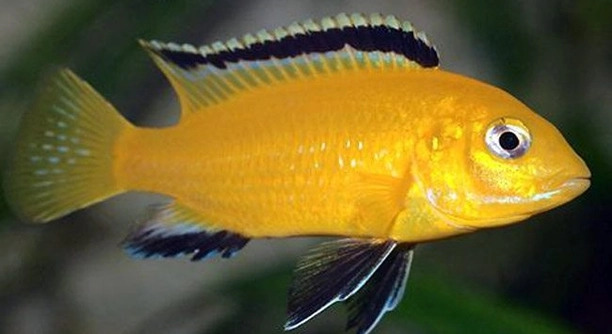
Power outages can be stressful for both people and pets. African cichlids rely on stable conditions to stay healthy. When the power goes out, their environment changes quickly, which can affect their well-being.
To help African cichlids during a power outage, it is important to maintain water temperature and oxygen levels. Use battery-operated air pumps or manual aeration to keep oxygen circulating. Avoid feeding until the power returns to reduce waste buildup.
Knowing how to manage these factors can protect your fish during outages. Taking quick, calm action supports their health and keeps your aquarium stable.
Preparing Your Aquarium for a Power Outage
Power outages can occur unexpectedly, so preparing your aquarium in advance is essential. Start by having a battery-operated air pump or backup generator ready to maintain oxygen circulation. Keep extra batteries on hand and test equipment regularly to ensure it works. Lowering the room temperature slightly can help slow down the fish’s metabolism, reducing their oxygen needs. Remove any uneaten food before the outage to prevent water contamination. Additionally, having a thermometer in the tank allows you to monitor temperature changes closely. Keeping the aquarium lid on tight helps retain heat and reduces water evaporation during the outage. Preparing these measures in advance can reduce stress on your cichlids and keep the tank environment stable.
Keep a small emergency kit with essentials like nets, water conditioners, and an air stone for manual aeration. Being ready with these tools will make managing the situation easier.
Taking these steps ahead of time can prevent serious problems during a blackout. Having a plan ensures your fish stay safe and comfortable until power is restored.
Managing Oxygen Levels Without Power
When the power goes out, oxygen levels drop quickly in an aquarium. To keep African cichlids healthy, manual aeration becomes necessary. Use a clean cup or container to scoop water and pour it back into the tank from a height. This motion helps oxygenate the water. If you have an air pump with battery backup, turn it on immediately. Avoid tapping on the glass or making loud noises, as this can stress the fish further.
If the outage lasts longer than a few hours, consider moving some fish into a container with a battery-powered aerator. Make sure the container is clean and free from chemicals. Regularly check water temperature and oxygen levels to avoid sudden drops.
In case of extended outages, keeping the aquarium in a cool, shaded area helps slow fish metabolism and oxygen use. Avoid overfeeding during this time, as decomposing food consumes oxygen and worsens water quality. Monitoring these factors closely is crucial to prevent harm to your cichlids during power loss. If you are unable to restore proper oxygenation quickly, reach out to a local aquarium store or fish expert for advice on emergency care and water changes. Being proactive with oxygen management can save your fish and help maintain a healthy tank environment until the power returns.
Maintaining Water Quality During an Outage
Water quality can decline quickly without filtration and circulation. Avoid adding food, as waste will build up and harm your cichlids. Monitor ammonia and nitrite levels if possible, using test kits. Partial water changes may be necessary once power is restored to reduce toxins.
If the outage lasts more than a day, prepare for a water change. Use conditioned, temperature-matched water to avoid shocking the fish. Keep water changes small to prevent stress, removing about 10-20% of the tank water. Avoid cleaning the filter media during this time, as beneficial bacteria are crucial for water quality recovery.
Be cautious when restoring filtration after power returns. Turn equipment on slowly to prevent sudden pressure changes that can harm the tank environment. Allow the filter to stabilize before making further adjustments to feeding or maintenance routines.
Temperature Control Without Power
Maintaining stable water temperature is vital for African cichlids’ health. During a power outage, the water temperature may drop or rise depending on your home’s conditions. Place the tank away from windows and direct sunlight to minimize temperature swings.
If the water gets too cold, use warm towels or blankets wrapped around the tank to retain heat. Avoid using hot water bottles or direct heat sources that could cause sudden temperature changes. Insulation helps slow heat loss and protects your fish from stress.
For warmer environments, keep the tank shaded and avoid heat sources nearby. Using frozen water bottles placed outside the tank can help reduce water temperature without sudden drops. Monitor temperature closely and adjust insulation as needed to maintain a stable environment until power returns.
Feeding Your Cichlids During a Power Outage
Avoid feeding your African cichlids during a power outage. Their metabolism slows down, and uneaten food can quickly pollute the water. Waiting until power returns helps keep the tank environment safe and reduces stress on the fish.
Once power is back, offer small meals gradually. This helps their digestive system adjust after the disruption and prevents water quality issues from overfeeding.
Using Backup Power Options
Battery-operated air pumps are the most common backup for maintaining oxygen levels during outages. They are portable and easy to use. A small generator can also power filters and heaters but requires safe handling and fuel storage.
Emergency Water Changes
If water quality worsens, perform partial water changes with treated, temperature-matched water. This reduces toxins and helps stabilize the environment, supporting your cichlids’ health during prolonged outages.
Avoiding Stress
Keep noise and movement near the aquarium to a minimum during a power outage. Stress can weaken fish and make them more vulnerable to illness.
FAQ
How long can African cichlids survive without power?
African cichlids can generally tolerate power outages for several hours if their environment remains stable. Oxygen levels and temperature are the most critical factors. Without aeration or temperature control, stress increases rapidly. It is best to act quickly to maintain these conditions to avoid long-term harm.
What is the best way to provide oxygen during an outage?
Using a battery-operated air pump is the easiest and most effective way to keep oxygen flowing. If one is not available, manually aerating by pouring water back into the tank can help. This method requires regular attention but can keep fish alive until power returns.
Should I feed my cichlids during a power outage?
It’s best to avoid feeding during an outage. Fish metabolism slows down without stable conditions, and uneaten food can pollute the water, causing harmful ammonia spikes. Wait until the power is back and water conditions stabilize before offering food.
How do I manage water temperature without a heater?
Keep the tank in a stable room temperature environment away from drafts, windows, or direct sunlight. Use blankets or towels to insulate the tank if it gets cold. For warmer temperatures, shade the tank and avoid heat sources nearby. Monitor temperature regularly to avoid sudden changes.
Can I use a generator for my aquarium during a blackout?
Yes, a generator can power your filters, heaters, and pumps but requires careful setup and fuel management. Ensure it is operated safely outdoors to avoid carbon monoxide poisoning. Use a generator only if you are confident in its safe operation.
How often should I test the water after an outage?
Test water parameters like ammonia, nitrites, and pH daily after power returns, especially if the outage lasted more than a few hours. This helps detect any harmful changes early. Perform partial water changes if toxins are elevated.
Is it safe to clean the filter after a power outage?
Avoid cleaning the filter media immediately after an outage, as it contains beneficial bacteria vital for biological filtration. Disturbing it can delay tank recovery. Only perform routine cleaning after the tank stabilizes and water tests are normal.
What should I do if my fish appear stressed or sick after an outage?
Observe your fish carefully for signs of stress such as gasping, hiding, or loss of appetite. If symptoms persist, consider consulting a vet or aquatic specialist. Maintaining good water quality and reducing stressors will support recovery.
Are there ways to prepare my aquarium for future outages?
Keep a kit with battery-operated aerators, extra batteries, water conditioners, and test kits. Regularly check equipment functionality and have a plan for quick action. This preparation can reduce risks and make emergencies easier to handle.
How long should I wait before feeding after power is restored?
Wait at least a few hours after power returns before feeding. This allows filtration and oxygen levels to stabilize. Start with small meals to avoid overloading the system and monitor fish behavior closely.
Can water changes help after an outage?
Partial water changes help remove accumulated toxins and improve water quality after an outage. Use temperature-matched, conditioned water to avoid shocking your fish. Keep changes moderate to prevent additional stress.
What are common signs of low oxygen in cichlids?
Signs include rapid gill movement, gasping at the surface, lethargy, and erratic swimming. If these appear, immediate aeration is necessary to prevent suffocation and damage.
How can I reduce stress for cichlids during a power outage?
Minimize disturbances near the tank by reducing noise and movement. Keep lighting dim and avoid sudden changes. Stress weakens fish and can lead to illness, so maintaining calm conditions is important.
Is it okay to move fish to a temporary container during an outage?
If oxygen levels drop severely, moving fish to a clean container with battery aeration is an option. Ensure the container is free of contaminants and keep water temperature stable. This is a short-term solution until the main tank conditions improve.
What should I avoid doing during a power outage?
Avoid overfeeding, cleaning filters, or making large water changes during outages. These actions can worsen water quality or stress fish. Focus on maintaining oxygen and temperature until power is restored.
This FAQ covers common concerns about helping African cichlids during power outages. Following these guidelines improves the chances your fish will remain healthy and comfortable through interruptions.
Power outages can be challenging for anyone who cares for African cichlids. These fish depend on a stable environment, including proper oxygen levels, temperature, and clean water. When the power goes out, their tank conditions change quickly, which can affect their health. Being prepared and knowing how to respond helps reduce the risks during these times. Simple actions like maintaining oxygen through battery-powered pumps or manual aeration, keeping the tank insulated to control temperature, and avoiding feeding can make a big difference in how well your cichlids cope.
It is important to act calmly and thoughtfully during a power outage. Panicking or rushing to change everything at once may cause more harm than good. For example, feeding fish during an outage can lead to poor water quality, which stresses the fish further. Instead, focus on preserving water quality and oxygen levels. Using a thermometer to monitor temperature and a water test kit to check for harmful chemicals can guide your decisions. After power is restored, slowly reintroduce normal feeding and maintenance routines. This careful approach helps your aquarium recover smoothly and supports the long-term health of your cichlids.
Being prepared is the best way to protect your fish from the stress of power outages. Having backup equipment ready, such as battery-operated air pumps and extra batteries, along with knowing how to perform manual aeration, can save precious time. It is also helpful to keep emergency supplies like water conditioners and test kits on hand. These tools make it easier to respond quickly and effectively. While power outages are often unpredictable, taking steps in advance and knowing what to do during and after the event helps maintain a stable environment for your African cichlids and keeps them healthy through difficult situations.

Hello,
If you enjoy the content that we create, please consider saying a "Thank You!" by leaving a tip.
Every little bit helps us continue crafting quality advice that supports the health, happiness, and well-being of pets around the world, for pets of all shapes, sizes, and species.
We really appreciate the kindness and support that you show us!