
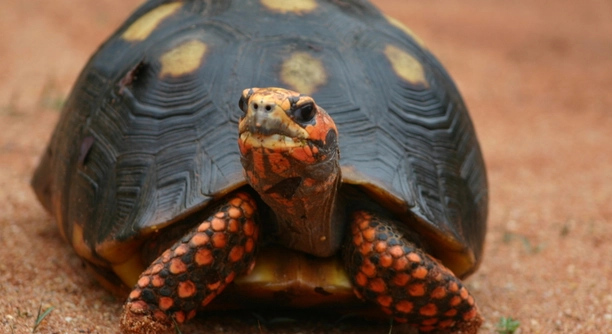
Red-footed tortoises are fascinating creatures, but like any pet, they can face health challenges. Knowing how to care for them when they’re sick is essential for their well-being. It’s important to recognize the signs early.
If your red-footed tortoise shows signs of illness, you should first identify symptoms like lethargy, loss of appetite, or abnormal shell condition. Once identified, you can provide the right care and consult a vet for proper treatment.
With proper knowledge and care, you can help your tortoise recover and stay healthy. Understanding these key points will ensure your pet remains well-cared for through every step of their recovery.
Recognizing Signs of Illness in Red-Footed Tortoises
When your red-footed tortoise is unwell, the signs can be subtle at first. Watch for changes in their eating habits, activity levels, and physical appearance. A healthy tortoise is active, eating regularly, and has a clean, smooth shell. If your tortoise becomes lethargic, refuses to eat, or its shell starts to look swollen, this could indicate a health problem.
Look for other symptoms like watery eyes, nasal discharge, or difficulty walking. If any of these signs appear, it’s essential to act quickly. A sick tortoise may also hide more often, signaling discomfort or stress. The sooner you notice changes in their behavior, the better their chances of recovery.
If you observe these symptoms, consider consulting a vet with experience in reptiles. They will guide you on the next steps for treatment and help ensure your tortoise gets back to its healthy self. Early intervention can make a big difference in the recovery process.
Creating a Comfortable Environment for Recovery
A warm, quiet, and safe environment is essential for your tortoise’s recovery. Make sure the habitat is set up to reduce stress, with appropriate heat and humidity levels.
Stress is a major factor in slowing down a sick tortoise’s recovery. Keeping their space calm and at the right temperature helps their body heal faster. Avoid handling them too much, as this can cause more stress. Ensure your tortoise has access to fresh water and food that is easy for them to consume, such as leafy greens or moist vegetables.
A stable environment will help your tortoise rest and regain strength. Monitor their health daily, and make adjustments as needed. Keeping them comfortable and free from unnecessary disturbances is one of the best ways to support their recovery.
Common Health Issues in Red-Footed Tortoises
Red-footed tortoises are prone to a few common health issues, such as respiratory infections, shell rot, and parasites. These problems can stem from improper temperature, humidity, or diet. A tortoise that is kept too cold or too dry is more likely to get sick.
Respiratory infections are one of the most frequent issues. You may notice nasal discharge or labored breathing. Shell rot can develop if the shell is injured or kept in a damp, unsanitary environment. Parasites, such as worms, are common and may cause your tortoise to lose weight or become lethargic. Regular checks for these problems can help keep your tortoise healthy.
It’s important to maintain a consistent and clean environment for your tortoise. If you notice any symptoms of these health issues, take your tortoise to a vet as soon as possible. Early diagnosis and treatment are key to preventing further complications.
Feeding a Sick Red-Footed Tortoise
A sick red-footed tortoise may have a reduced appetite, making it harder to maintain their health. Offering food they enjoy can help get them to eat more. Try providing soft, easy-to-digest foods, like chopped fruits or vegetables.
During recovery, a tortoise may need additional hydration to prevent dehydration. You can soak them in lukewarm water to help with hydration. Avoid feeding them any tough or hard-to-digest foods until they are feeling better. A sick tortoise’s digestive system is sensitive, so making the food soft and moist can encourage them to eat more.
Along with the right food, make sure to provide proper nutrients. A calcium supplement can help maintain a healthy shell and bones. If they still refuse to eat, consult a vet for advice on how to encourage proper nutrition during illness.
How to Keep Your Tortoise Hydrated
Hydration is critical for a sick tortoise. Without enough water, they can quickly become weak and dehydrated, making recovery much slower. Make sure your tortoise has access to fresh water at all times.
Soaking your tortoise in warm water for 15-20 minutes can also help. This helps with hydration and encourages them to drink. If your tortoise is not drinking on its own, you can gently drip water into its mouth using a syringe or small dropper. Just be cautious not to force it.
Proper hydration supports the body’s natural healing process, so make sure your tortoise is drinking enough water during recovery.
Temperature and Humidity: Essential for Healing
Maintaining the right temperature and humidity is essential for a sick tortoise’s recovery. Red-footed tortoises need warmth to help their immune system function properly. Keep the temperature in their enclosure between 75°F to 85°F during the day and slightly cooler at night.
Humidity is equally important. A dry environment can worsen respiratory issues and dehydration. Aim for humidity levels of around 70% to 80%. You can achieve this by misting the enclosure or using a humidifier.
If the temperature or humidity levels aren’t right, your tortoise may struggle to recover. Make sure the environment remains consistent to support their healing process.
When to See a Veterinarian
If your tortoise’s condition does not improve or worsens after a few days, it’s time to visit a vet. Early intervention is vital for preventing more severe issues.
FAQ
How can I tell if my red-footed tortoise is sick?
A sick red-footed tortoise may show several signs, such as loss of appetite, lethargy, abnormal breathing, or changes in their shell’s appearance. If they stop eating, seem sluggish, or have difficulty walking, these are all signs that something might be wrong. Keep an eye on changes in their behavior, and if symptoms persist, consult a vet.
What should I do if my tortoise is not eating?
If your tortoise isn’t eating, first check their habitat to ensure the temperature and humidity are correct. A cold or too dry environment can cause them to lose their appetite. You can also try offering different foods that are easier to eat, like leafy greens or fruits. If they continue to refuse food, it’s best to take them to a vet for further evaluation.
Is it normal for my tortoise to sleep more when sick?
Yes, it’s common for a sick tortoise to sleep more as their body heals. However, if they remain inactive for long periods, this could indicate a more serious health issue. Make sure the enclosure is quiet and comfortable to allow rest. If their lethargy persists, seek veterinary care.
How do I treat a respiratory infection in my tortoise?
If you suspect your tortoise has a respiratory infection, you should take them to a vet immediately. Symptoms of a respiratory infection include nasal discharge, wheezing, or labored breathing. Treatment typically involves antibiotics, and the vet may also recommend increasing the humidity in their habitat to help them breathe more easily. Keeping the temperature stable is important to support their immune system during recovery.
Can shell rot be cured?
Yes, shell rot can be treated, but it requires prompt care. Shell rot occurs when bacteria or fungi infect the shell, often due to injuries or an unsanitary environment. A vet will clean the affected area and may apply topical treatments. You will also need to adjust their living conditions, ensuring their habitat is clean, dry, and well-maintained to prevent future infections.
What can I feed my tortoise when it’s sick?
When your tortoise is sick, offer them easy-to-digest foods, like soft vegetables and fruits. Avoid hard-to-chew items like carrots or dry foods, as these can be difficult for them to eat when they’re not feeling well. Soaking their food in water can make it softer and easier to consume. You can also try offering a variety of food options, such as leafy greens, to encourage them to eat. If they still refuse, seek veterinary advice.
How often should I soak my sick tortoise?
Soaking your sick tortoise helps with hydration and encourages them to drink. For a sick tortoise, soak them in lukewarm water for about 15-20 minutes daily. Make sure the water is not too hot or cold. If your tortoise is dehydrated, this can help their body absorb moisture. Be gentle and make sure they are fully immersed but can still breathe.
What temperature should my tortoise’s enclosure be?
For a red-footed tortoise, the daytime temperature should be between 75°F and 85°F. At night, it can drop slightly, but it should not go below 70°F. Maintaining a stable temperature is crucial for digestion and overall health. If the enclosure is too cold, your tortoise’s immune system won’t function properly, and they may become more susceptible to illness.
Can stress cause my tortoise to become sick?
Yes, stress is a common cause of illness in tortoises. Stress can weaken their immune system, making them more vulnerable to infections or other health issues. Stress can be caused by improper living conditions, such as an overcrowded enclosure, loud noises, or excessive handling. Ensure your tortoise has a quiet, safe environment and avoid disturbing them too much, especially when they’re sick.
How long does it take for a tortoise to recover from illness?
The recovery time for a tortoise depends on the type and severity of the illness. Minor issues like dehydration or mild stress may only require a few days to a week of recovery. However, more serious conditions like respiratory infections or shell rot can take several weeks or longer. It’s essential to follow the vet’s instructions carefully and monitor your tortoise’s health closely during recovery.
When should I take my tortoise to the vet?
If your tortoise is showing signs of illness, it’s best to consult a vet as soon as possible. Early intervention can prevent more serious issues. If your tortoise is not eating, has labored breathing, shows abnormal behavior, or if the symptoms persist for more than a couple of days, schedule a visit to a reptile vet.
Final Thoughts
Taking care of a sick red-footed tortoise can feel overwhelming at first, but understanding the signs and knowing what to do can make a big difference in their recovery. The key is to stay calm and act quickly when you notice any changes in their behavior. If your tortoise is lethargic, refusing food, or showing other signs of illness, it’s important to assess their environment. Sometimes, the issue may be something as simple as incorrect temperature or humidity. Adjusting these factors can help your tortoise feel better and start recovering.
However, not all health problems are caused by environmental factors. Respiratory infections, parasites, and shell rot can occur even in a well-maintained environment. If your tortoise shows signs of these conditions, don’t hesitate to contact a vet. Early diagnosis and treatment are crucial for a successful recovery. The right care, including proper hydration, the right food, and a comfortable environment, will help support your tortoise during this time. In some cases, you may need to provide extra attention, such as soaking your tortoise to ensure they stay hydrated or offering softer foods to encourage eating.
Finally, be patient. Healing takes time, and while it’s tough to see your pet unwell, it’s important to follow your vet’s advice and give your tortoise the space and care they need to recover. With the proper treatment and a supportive environment, your red-footed tortoise can bounce back and return to being the active, healthy pet you know. Always remember that prevention is just as important, so maintain a proper environment and diet to help avoid future health issues. Your tortoise relies on you, and taking these steps will help ensure they live a long, healthy life.

Hello,
If you enjoy the content that we create, please consider saying a "Thank You!" by leaving a tip.
Every little bit helps us continue crafting quality advice that supports the health, happiness, and well-being of pets around the world, for pets of all shapes, sizes, and species.
We really appreciate the kindness and support that you show us!