
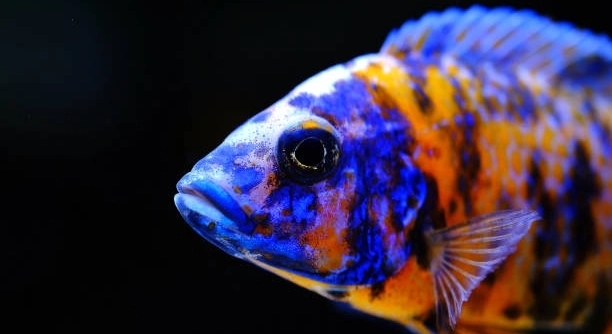
Caring for convict cichlids can be rewarding, but illness in these fish can be worrying. Understanding their needs and recognizing signs of sickness early can make a big difference in helping them recover safely.
The most effective way to help a sick convict cichlid recover is by maintaining optimal water conditions, providing a balanced diet, and using appropriate medications when necessary. Monitoring behavior and health regularly ensures timely intervention and better recovery outcomes.
Following proper care routines and observing subtle changes in your cichlid’s behavior can improve its chances of returning to good health.
Recognizing the Signs of Illness
Convict cichlids often show subtle signs when they are unwell. Common indicators include loss of appetite, faded coloration, lethargy, and unusual swimming patterns. Some may hide more than usual or appear thin despite normal feeding. External changes like frayed fins, spots, or swelling can also signal problems. Observing these behaviors early helps prevent minor issues from becoming severe. Water quality directly affects their health, so watch for sudden changes in behavior after tank adjustments. Stress can also weaken their immune system, making illness more likely. Temperature swings, poor filtration, and overcrowding often lead to visible health problems. It is important to maintain a stable environment and provide a varied diet to support their resilience. Regular observation and careful record-keeping of feeding and activity habits can help identify patterns and detect any abnormal changes. Acting early significantly increases recovery chances and minimizes prolonged suffering for your fish.
Monitoring for changes in behavior or appearance can help you act quickly to protect your cichlid’s health.
Early detection of illness in convict cichlids is crucial. Subtle behavioral changes often precede physical symptoms. They may stop chasing food, spend more time at the bottom of the tank, or show rapid gill movement. Physical signs like faded colors, clamped fins, or white spots indicate stress or infection. Sudden aggression or unusual hiding patterns can also signal discomfort. Environmental factors play a role in these symptoms. Poor water quality, sudden temperature drops, or inadequate tank space often trigger illness. Frequent water testing, maintaining proper filtration, and stable temperature prevent stress-related sickness. Feeding high-quality, varied food strengthens their immune system, making them less prone to infections. By keeping track of these early warning signs, you can provide timely care, adjust tank conditions, or consult treatment options, improving recovery success. Awareness and consistency are key to maintaining a healthy, active convict cichlid population.
Setting Up a Recovery Environment
Creating a supportive environment accelerates healing. Use a quarantine tank to isolate sick fish, reducing stress and preventing disease spread. Ensure clean water, moderate flow, and stable temperature for comfort and immune support.
A separate, quiet tank with minimal decorations helps sick cichlids focus energy on recovery instead of constant navigation or territorial disputes. Proper aeration and filtration maintain water quality without stressing the fish.
Adjust lighting to reduce stress and allow natural rest periods. Feed small, nutritious meals frequently to encourage appetite without overloading the tank. Observe behavior closely, noting improvements or worsening signs. Regular water testing and partial water changes are essential to prevent toxin buildup. Using medication as needed, based on the illness, ensures targeted treatment. Avoid crowding and maintain optimal temperature ranges specific to convict cichlids. With patience and consistent care, this setup gives the fish the best chance to regain strength. A calm, controlled environment minimizes stress and supports the immune system for faster recovery.
Feeding and Nutrition Adjustments
Providing the right food supports healing. Offer high-quality pellets, frozen or live foods, and occasional vegetables. Feed small amounts multiple times a day to encourage eating without overloading the tank.
A sick convict cichlid may lose interest in food, so offering familiar, highly digestible options can help maintain energy levels. Frozen brine shrimp, daphnia, or bloodworms provide essential protein and nutrients, while finely chopped vegetables like peas support digestion. Avoid overfeeding, which can pollute the water and stress the fish. Monitoring feeding behavior allows you to adjust portions, ensuring the fish receives enough nutrition without compromising water quality. Consistent feeding times help reinforce normal routines, making it easier for the fish to recover gradually. Patience is key, as appetite may take a few days to return fully.
Vitamin supplements or specially formulated medicated foods can further support immune function. Incorporating variety keeps the diet balanced, preventing nutrient deficiencies. Observe which foods the fish prefers and adjust as needed. Maintaining a steady supply of fresh, clean food encourages recovery while keeping water quality high. Gradual reintroduction to normal feeding routines helps the fish regain strength safely and reduces stress. Tracking intake also helps identify if appetite loss persists, signaling potential complications or need for additional care.
Monitoring Water Quality
Water conditions directly impact recovery. Test parameters regularly, focusing on temperature, pH, ammonia, nitrite, and nitrate levels. Correct imbalances immediately to prevent stress.
Clean, stable water is essential for a sick convict cichlid. Sudden fluctuations can weaken the immune system and slow healing. Frequent partial water changes remove toxins, while efficient filtration maintains clarity. Maintain temperature within the species’ optimal range, usually around 24–28°C, to support metabolism and recovery. Keeping pH stable between 6.5 and 8 prevents additional stress. Ammonia or nitrite spikes can be fatal, so careful monitoring is necessary, especially during quarantine or isolation. Observing water conditions alongside fish behavior provides early warnings of potential problems.
Proper water maintenance includes removing uneaten food and debris promptly to avoid contamination. Use a reliable test kit to track chemical levels daily. Adjust filtration, aeration, or water source as needed to maintain stability. Avoid sudden changes when performing water changes; instead, match parameters gradually. If medication is used, ensure it does not interfere with filtration systems or water chemistry. By combining careful monitoring, regular cleaning, and controlled conditions, you create an environment that supports immune response, reduces stress, and increases the likelihood of full recovery. A consistent routine in water quality management is one of the most critical factors for successful healing.
Using Medications Safely
Only use medications when necessary. Follow instructions carefully and avoid overmedicating, as this can harm your cichlid.
Observe the fish during treatment for any signs of stress or adverse reactions. Adjust dosage or discontinue use if needed under guidance.
Stress Reduction Techniques
Minimizing stress helps recovery. Reduce sudden movements around the tank, avoid overcrowding, and limit loud noises. Create hiding spots with simple decorations or plants to provide comfort. Maintaining stable water conditions and a consistent routine also lowers stress, allowing the cichlid to focus energy on healing.
Observing Behavior Changes
Monitor swimming patterns, feeding habits, and social interactions closely. Note any unusual behaviors, such as hiding, lethargy, or aggression, which can indicate health improvements or setbacks. Adjust care practices accordingly to support recovery.
Quarantine Procedures
Isolate sick fish immediately in a separate tank. This prevents disease spread and allows controlled care. Keep water clean, temperature stable, and provide gentle aeration for optimal recovery conditions.
FAQ
How long does it take for a convict cichlid to recover from illness?
Recovery time depends on the type and severity of the illness, as well as water quality and care. Minor stress or infections may improve in a few days, while bacterial or parasitic infections can take one to three weeks. Consistent feeding, clean water, and minimal stress are key factors in speeding recovery. Monitoring the fish daily helps track improvement and detect setbacks early, allowing adjustments in care or treatment if necessary.
Can I treat multiple sick fish in the same tank?
It is safer to isolate each sick cichlid in separate quarantine tanks. This prevents disease spread and allows careful monitoring of medication dosage. Treating multiple fish in the main tank can complicate care, reduce water quality, and increase stress. Individual quarantine ensures each fish receives appropriate attention and increases the likelihood of full recovery.
What foods are best for a sick convict cichlid?
High-protein foods such as frozen or live brine shrimp, daphnia, and bloodworms are ideal. These provide energy and essential nutrients to support the immune system. Finely chopped vegetables, like peas, can aid digestion. Feed small portions multiple times a day rather than one large meal to avoid overfeeding, which can worsen water quality and stress the fish.
How often should I test the water during recovery?
Daily water testing is recommended when a convict cichlid is sick. Focus on ammonia, nitrite, nitrate, pH, and temperature. Sudden changes or spikes in harmful chemicals can slow recovery or worsen illness. Partial water changes and stable filtration help maintain safe conditions. Consistency in water quality directly influences the fish’s ability to heal.
Do I need to use medication for every illness?
Not all illnesses require medication. Mild stress or minor injuries often improve with clean water, proper diet, and reduced stress. Medications should be used only when signs of infection, parasites, or bacterial disease are present. Follow dosage instructions carefully, and monitor the fish for adverse reactions. Overmedicating can be harmful and delay recovery.
Is a quarantine tank necessary for new fish?
Yes, a quarantine tank prevents introducing illness to established fish. Keep new fish isolated for at least two weeks, observing for any signs of disease. This practice protects the main tank population and allows early treatment if problems arise. Clean, stable water conditions and proper feeding during quarantine support health.
What signs indicate improvement in a sick convict cichlid?
Improvement includes increased activity, regular swimming, brightened coloration, and consistent feeding. Fins should appear intact and fully spread, and hiding behavior may decrease. Observing these signs confirms that environmental conditions and care strategies are effective. Keep tracking behavior to ensure continued progress.
How can I reduce stress during recovery?
Reduce sudden movements around the tank, maintain a stable routine, and limit loud noises. Provide hiding spots such as plants or decorations, and avoid overcrowding. Stable water conditions, gentle aeration, and consistent feeding times support the immune system and allow the fish to focus on healing.
When should I consult a veterinarian?
Seek professional advice if the fish does not show improvement within a week, if symptoms worsen, or if multiple fish are affected. A veterinarian can recommend specific medications or treatments that are safe and effective. Early consultation can prevent long-term health issues.
Can stress alone make a convict cichlid sick?
Yes, stress weakens the immune system, making fish more susceptible to infections. Causes include poor water quality, sudden temperature changes, overcrowding, or aggressive tank mates. Reducing stress through a stable environment and proper care is essential for both prevention and recovery.
How do I maintain long-term health after recovery?
Keep water quality consistent with regular testing, provide a balanced diet, and avoid sudden changes to the tank environment. Monitor behavior and appearance regularly, and quarantine new fish before introduction. Maintaining low stress levels and stable conditions ensures the cichlid remains healthy over time.
Can recovered fish return to the main tank immediately?
Only return the fish when it shows consistent signs of health, including active swimming, normal appetite, and bright coloration. Gradually acclimate to the main tank’s water parameters to avoid shock. Careful reintegration prevents relapse or the spread of disease to other fish.
Are there natural remedies that help recovery?
Some aquarium-safe plants and mild salt treatments can support healing, but they are not replacements for proper care or medication when needed. Focus on clean water, balanced nutrition, and stress reduction. Natural remedies can complement treatment, but their effectiveness varies depending on the illness.
How do I prevent illness in the future?
Maintain stable water parameters, avoid overcrowding, provide high-quality food, and quarantine new fish. Regular observation helps catch early signs of stress or disease. Keeping a calm, clean, and consistent environment reduces the likelihood of future health issues.
What if a fish stops eating entirely?
Loss of appetite is serious. Offer highly digestible foods in small portions and ensure water quality is optimal. If the fish refuses to eat for more than two days, consider consulting a veterinarian. Loss of appetite can indicate infection, stress, or environmental problems requiring immediate attention.
Can recovered fish get sick again easily?
Yes, fish remain vulnerable if water conditions, diet, or stress are not managed. Maintaining a stable environment, consistent feeding, and monitoring for behavioral changes are key to preventing relapse. Early intervention ensures long-term health and reduces the risk of repeated illness.
Final Thoughts
Caring for a sick convict cichlid requires attention, patience, and consistency. These fish are hardy, but illness can occur quickly if water conditions are unstable or if stress is high. Observing your fish daily is one of the most important steps in maintaining their health. Small changes in behavior, color, or appetite often appear before more serious symptoms develop, giving you a chance to act early. Early intervention can prevent minor problems from becoming severe, and it allows your cichlid to recover more quickly. By staying observant, you ensure the fish receives the care it needs, and you can make adjustments to their environment or diet as necessary. Even subtle improvements, like slightly increased swimming or regained appetite, indicate that your care is helping, and these signs should be noted and encouraged.
Maintaining clean and stable water conditions is essential for recovery. Sick cichlids are more sensitive to ammonia, nitrite, and temperature fluctuations than healthy ones, so monitoring water quality daily is important. Partial water changes, proper filtration, and avoiding overcrowding all contribute to a stable environment. A quarantine tank is highly recommended when treating illness or introducing new fish. This setup allows focused care, limits disease spread, and reduces stress from other tankmates. Stress reduction is equally important, as stressed fish have weaker immune systems and recover more slowly. Simple steps like providing hiding spots, controlling noise around the tank, and keeping feeding times consistent all help the fish feel more secure. Combining clean water, a calm environment, and proper nutrition creates the conditions needed for the cichlid to regain strength and return to normal behavior.
Proper nutrition plays a key role in supporting a sick convict cichlid. Offering high-quality pellets, live or frozen foods, and occasional vegetables ensures the fish receives enough protein and vitamins to fight illness. Feeding small amounts multiple times a day encourages appetite without overloading the tank or creating water quality issues. Medications should be used carefully and only when necessary, following instructions closely. Observing the fish during treatment is essential to ensure it responds well and does not show signs of stress or adverse reactions. Recovery takes time, and patience is important. Even after the fish appears healthy, continue monitoring behavior, feeding, and water conditions. With careful care, attention to detail, and a consistent routine, your convict cichlid can fully recover and thrive in its environment, maintaining long-term health and stability.

Hello,
If you enjoy the content that we create, please consider saying a "Thank You!" by leaving a tip.
Every little bit helps us continue crafting quality advice that supports the health, happiness, and well-being of pets around the world, for pets of all shapes, sizes, and species.
We really appreciate the kindness and support that you show us!