
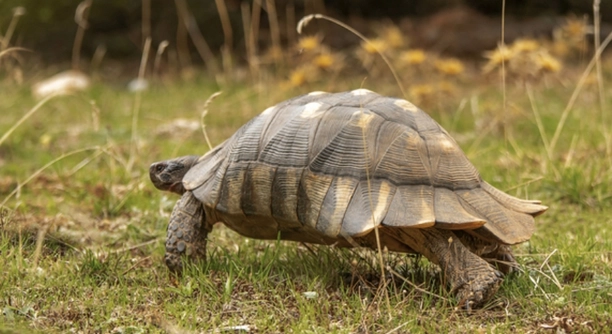
A marginated tortoise recovering from an injury requires careful attention and proper care to ensure its full recovery. Knowing the right steps to take can make a significant difference in the healing process and overall well-being.
Helping a marginated tortoise recover from an injury involves providing a safe, comfortable environment, addressing its physical needs, and monitoring its progress. Ensuring proper nutrition, hydration, and medical treatment are essential to promoting a successful recovery.
Proper care and attention can lead to a healthy recovery for your tortoise. The following tips will guide you in helping your tortoise regain strength and health during its healing process.
1. Create a Safe and Quiet Recovery Space
When caring for a marginated tortoise recovering from an injury, providing a safe and quiet environment is essential. This helps minimize stress, which can hinder the healing process. The space should be free of loud noises, sudden movements, and other potential disruptions. Make sure to place the tortoise in an area with consistent temperature and humidity. Too much heat or cold can slow down recovery and even cause further harm. Additionally, the space should have minimal traffic and be away from other animals that may cause stress or further injury. A secure, quiet location can give your tortoise the best chance of a quick and successful recovery.
Create an area with soft bedding to ensure the tortoise can move comfortably without causing more damage to the injury. The bedding should be absorbent and easy to clean.
Consistency and peace are key to keeping the tortoise calm and safe. Always check the environment for potential hazards, and keep it clean to prevent infections. If the tortoise has been kept in a habitat with multiple pets, separating it from other animals will reduce stress. Provide a separate enclosure if necessary, especially during the first few days of recovery when the tortoise is most vulnerable.
2. Monitor the Injury Closely
Carefully observing the injury is crucial for tracking your tortoise’s recovery progress. Check the wound daily to assess any changes. If you notice any signs of infection, such as swelling, redness, or discharge, consult a vet. Proper treatment at the right time can prevent complications. Keep the injured area clean, using a mild antiseptic, and follow the vet’s instructions to ensure it heals properly.
Don’t neglect the injured part during the healing phase. It may take time, but the right care makes a big difference in preventing further damage.
3. Offer a Proper Diet for Healing
A balanced diet is vital during recovery. Ensure your tortoise receives proper nutrition to support the healing process. Fresh, leafy greens such as dandelion greens, collard greens, and kale should be offered. These provide essential vitamins and minerals. Avoid feeding too many high-oxalate greens, as they can affect calcium absorption. It is also important to offer a variety of vegetables to ensure your tortoise gets a range of nutrients.
Calcium is especially important to strengthen bones and promote healing. Include foods high in calcium, such as calcium-fortified tortoise pellets or natural sources like clover and plantain. Proper hydration is equally essential, so always ensure fresh water is available.
If your tortoise is not eating properly, you may need to try different foods or methods to encourage eating. Some tortoises may need extra support in the form of supplemental calcium or vitamins. Consult your vet if appetite loss continues. Offering variety will help keep your tortoise well-nourished and prevent any deficiency.
4. Be Mindful of Temperature and Humidity
Temperature and humidity control play a big role in healing. Ensure your tortoise’s environment stays within a comfortable temperature range, ideally between 75°F and 85°F (24°C to 29°C). Too cold of an environment can slow the healing process, and excessive heat can cause stress. Proper humidity is also key, as tortoises rely on humidity levels of around 50-70% to maintain their health. You can adjust humidity levels by adding a water dish or using a misting system.
Avoid placing your tortoise in direct sunlight for long periods, as it may stress the animal further. Check humidity regularly using a hygrometer to ensure the levels are stable. The right conditions will speed up recovery and ensure overall health.
5. Limit Activity to Aid Recovery
Limiting your tortoise’s activity is crucial while it heals. Restricted movement prevents further injury and ensures that the injury has time to properly heal. Keep your tortoise in a confined space that allows it to move just enough to eat and drink but not too much to stress the injury.
You may want to avoid handling your tortoise too much. Let it rest and only gently assist if necessary. Overexertion can hinder recovery, so it’s best to let your tortoise stay calm and relaxed for several weeks. Gradually reintroduce activity after the injury shows improvement.
6. Ensure Proper Wound Care
Proper wound care is essential to prevent infection. Clean the injured area daily with a mild antiseptic solution. Avoid using harsh chemicals or products that could irritate the wound. If the injury is deep or does not seem to improve, contact your vet for guidance.
Applying a bandage, if needed, can protect the wound from dirt and debris. Be gentle while cleaning and ensure that the area is dry before bandaging. Keeping the wound clean will help your tortoise heal faster and prevent complications. It is important to monitor for any signs of infection.
7. Keep an Eye on Behavior Changes
It’s important to monitor your tortoise’s behavior during recovery. If it is lethargic, refuses to eat, or seems stressed, these could be signs that something is wrong. Decreased activity or interest in food can indicate pain or discomfort.
If you notice any drastic changes in behavior, consult a vet. Pain management may be required to help your tortoise heal without stress. A healthy appetite and active behavior are good signs that your tortoise is recovering well. Always watch closely and provide the necessary support.
FAQ
How long will it take for my marginated tortoise to heal?
The recovery time for a marginated tortoise depends on the severity of the injury. For minor injuries, it may take a few weeks for the tortoise to heal. More serious injuries, especially those involving fractures or deeper wounds, could take several months to fully recover. During this time, it is essential to follow proper care instructions, monitor the wound closely, and make sure the tortoise is comfortable. Patience is key, and it’s important not to rush the process.
Can I put my tortoise back in its usual habitat right away?
No, it’s crucial to wait until the tortoise has healed before returning it to its usual habitat. Initially, it should be kept in a quiet, clean, and safe space to ensure that it can rest without interference. Once you notice significant healing, consult with your vet to ensure the tortoise is ready to be reintroduced to its regular environment. Moving too soon could cause further injury or stress, potentially delaying the recovery process.
What signs should I look for to know if my tortoise’s injury is infected?
Infection signs include swelling, redness, discharge, or a foul odor coming from the injury site. If the injury appears warm to the touch or if the tortoise shows signs of pain, such as avoiding movement or eating less, infection could be present. You should also watch for a change in behavior, like increased lethargy or stress. If any of these symptoms appear, consult your vet immediately for treatment.
What should I feed my tortoise during recovery?
Offer a variety of fresh leafy greens such as dandelion greens, kale, and collard greens. These provide essential vitamins and minerals. It’s important to avoid feeding too many high-oxalate greens as they can interfere with calcium absorption. Offering a calcium supplement, such as cuttlebone or calcium-fortified food, can also support bone recovery. If your tortoise isn’t eating, try offering softer or more appealing foods to encourage appetite.
Can I use over-the-counter products to treat my tortoise’s injury?
While there are some over-the-counter products for wound care, it’s best to consult with a vet before using anything on your tortoise’s injury. Some products may not be suitable for reptiles and could cause harm. A vet can recommend the best course of action and provide medications or wound care products specifically designed for tortoises.
How can I help my tortoise stay hydrated during recovery?
Always provide fresh water in a shallow dish, ensuring your tortoise can easily drink. If the tortoise isn’t drinking much, you can offer water by gently soaking it in a shallow bath for about 20 minutes. This not only helps with hydration but can also stimulate the tortoise to drink. If dehydration becomes a concern, consult your vet for advice on offering fluids.
Should I worry if my tortoise is not eating during recovery?
Loss of appetite can be concerning, but it’s fairly common for tortoises to eat less when recovering from an injury. However, if your tortoise is refusing food for more than a couple of days or shows signs of weakness, it’s time to seek veterinary help. Your vet can determine whether a medical issue is contributing to the loss of appetite and provide treatment to restore your tortoise’s health.
Can I give my tortoise any medications for pain relief?
It’s important not to administer any medications without consulting a vet. Many common pain relief medications that humans use can be toxic to tortoises. A vet will provide a proper diagnosis and recommend safe pain management options. Never give your tortoise any medication that hasn’t been specifically prescribed for it.
Is it okay to handle my tortoise while it’s recovering?
During the recovery phase, limit handling to avoid stress and further injury. Tortoises are naturally calm creatures, but excessive handling can disrupt the healing process and cause unnecessary stress. Handle your tortoise gently only when necessary, and always make sure the environment is calm and safe for the animal.
What should I do if my tortoise seems to be in pain?
If your tortoise shows signs of pain, such as limping, a lack of appetite, or being unusually aggressive, contact your vet immediately. Pain relief may be needed, and a vet can prescribe safe treatments. Never attempt to treat pain on your own, as improper care could worsen the condition. Always trust professional veterinary advice when dealing with a tortoise in pain.
Final Thoughts
Caring for a marginated tortoise after an injury requires patience and attention to detail. By ensuring the right environment, providing proper wound care, and monitoring its health, you can support the healing process. The key is to create a calm, quiet space for the tortoise to rest and recover without the stress of its usual surroundings. You should also be mindful of its activity levels and limit movement to prevent further injury. This allows the body to focus on healing, ultimately speeding up recovery.
Diet plays a crucial role in the recovery process. A balanced diet rich in leafy greens and calcium can help support bone and shell healing. Offering fresh water regularly and ensuring hydration is just as important. During this time, your tortoise may eat less or avoid food altogether. If this happens, try offering more appealing foods or seek advice from your vet. Keep an eye on any changes in behavior, as signs of stress, discomfort, or infection can impact the recovery process. Any noticeable changes in your tortoise’s behavior, such as lethargy or refusal to eat, should be addressed immediately with a professional.
Lastly, don’t forget to consult with a vet if you’re unsure about the recovery process or if complications arise. A vet’s guidance ensures that you are providing the best care possible for your tortoise. It is always better to seek help early on, especially if there are concerns about infection or pain. Remember, every tortoise heals at its own pace, and with the proper care, your marginated tortoise will have the best chance for a full recovery.

Hello,
If you enjoy the content that we create, please consider saying a "Thank You!" by leaving a tip.
Every little bit helps us continue crafting quality advice that supports the health, happiness, and well-being of pets around the world, for pets of all shapes, sizes, and species.
We really appreciate the kindness and support that you show us!