
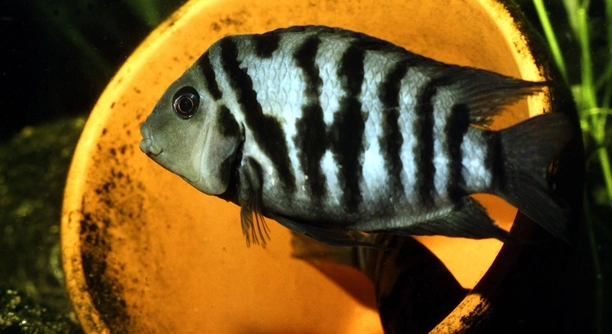
Helping a cichlid settle into a new tank requires careful attention and patience. These fish are sensitive to changes in their environment, and a smooth transition can improve their health and behavior. Proper acclimation is essential for their well-being.
To help a cichlid adjust, gradually introduce it to the new tank conditions by slowly mixing tank water with its original water. Maintain stable temperature, pH, and water quality to minimize stress and encourage healthy adaptation.
Understanding how to create the right environment supports your cichlid’s comfort and long-term health. This guide covers key steps to make the transition easier and safer for your fish.
Preparing the New Tank
Before introducing your cichlid, make sure the new tank is fully set up. The water should be clean and properly cycled to remove harmful toxins. Check that the temperature is stable and matches the fish’s previous environment. Use a reliable water testing kit to monitor pH, ammonia, nitrite, and nitrate levels. Adding hiding spots with rocks or plants helps reduce stress. Avoid overstocking the tank to give your cichlid plenty of space to explore and establish its territory. A well-prepared tank creates a safer, more comfortable space for the fish to settle in without shock or illness.
Keeping the tank conditions consistent is crucial for reducing stress during the first days.
Taking the time to set up your tank properly can make a significant difference. If water quality and temperature vary greatly from the cichlid’s original environment, it may refuse to eat or become aggressive. Monitoring parameters daily for at least a week after introducing the fish is important. Clean the tank carefully without using harsh chemicals. Ensure adequate filtration and regular water changes to maintain a healthy habitat. This preparation supports the cichlid’s immune system and encourages natural behavior, helping it adjust more quickly to its new surroundings.
Introducing the Cichlid Slowly
Move your cichlid to the new tank gradually to avoid shock. Float the sealed bag in the tank water for about 15-20 minutes to equalize temperature. Then slowly add small amounts of tank water to the bag every 10 minutes over an hour. This allows the fish to adjust to the new water chemistry. Finally, gently release the cichlid into the tank without pouring the bag water in.
A slow introduction reduces stress and improves the chance of a smooth adjustment.
Once inside, watch for signs of stress like hiding or rapid breathing. Keep lighting dim and avoid sudden movements near the tank. Offer small amounts of food once the fish appears calm. Patience during this phase helps your cichlid build confidence and settle into its new home comfortably.
Monitoring Behavior and Health
Watch your cichlid closely after moving it into the new tank. Early signs of stress or illness can appear quickly and need prompt attention.
Pay attention to changes in swimming patterns, appetite, and color. A stressed cichlid might hide excessively or show rapid breathing. Loss of appetite is common in new environments but should improve within a few days. Look for any white spots, torn fins, or unusual marks, which may indicate infection or injury. Regular observation helps catch problems early, preventing serious health issues.
Keep water parameters stable by testing daily. Changes in ammonia or nitrite levels can worsen stress and lead to disease. Maintain consistent feeding schedules but avoid overfeeding to keep water quality high. Adjust lighting gradually to avoid startling the fish. Small, steady improvements in behavior signal your cichlid is settling in well.
Maintaining Tank Conditions
Consistent water quality is vital for your cichlid’s adjustment and long-term health. Regular water changes remove waste and toxins, keeping the environment safe.
Use a quality filter and clean it periodically without disturbing beneficial bacteria. Avoid sudden temperature fluctuations by using a reliable heater and thermometer. Monitor pH and hardness regularly, matching the natural preferences of your cichlid species. Stability in these factors reduces stress and supports immune function.
Keeping the tank clean and stable creates a stress-free environment. It helps prevent common problems like algae overgrowth and bacterial blooms. Remember that patience with gradual adjustments ensures your fish thrives in its new home.
Feeding Your Cichlid
Provide high-quality food suited for cichlids to meet their nutritional needs. Offer small portions two to three times daily.
Avoid overfeeding as leftover food can pollute the water and cause health problems. Observe your cichlid’s appetite to adjust feeding amounts.
Creating Hiding Spots
Adding caves, plants, and rocks helps cichlids feel secure. These hiding places reduce stress and allow the fish to establish territory comfortably.
Varied decorations mimic their natural environment and encourage natural behavior, improving overall well-being.
Avoiding Common Mistakes
Don’t introduce too many new fish at once; overcrowding leads to aggression and poor water quality. Keep the tank environment stable to avoid stressing your cichlid.
Regular monitoring and patience are key to preventing problems and supporting a smooth adjustment.
FAQ
How long does it take for a cichlid to adjust to a new tank?
Cichlids generally take about one to two weeks to fully adjust to a new environment. During this time, they may show signs of stress such as hiding or reduced appetite. Providing a stable, well-prepared tank helps speed up their adjustment period and supports their health.
Can I add other fish with my cichlid right away?
It’s best to wait at least two weeks before adding other fish. Introducing new tank mates too soon can increase stress and territorial behavior in cichlids. Make sure the tank is large enough and that the other species are compatible to avoid aggression.
What are the signs of stress in cichlids?
Common signs include hiding excessively, rapid breathing, loss of appetite, faded colors, and erratic swimming. Stress weakens their immune system, making them more susceptible to illness. Monitoring these behaviors helps you respond quickly to their needs.
How often should I test the water after introducing a cichlid?
Testing water daily for the first week is important to ensure ammonia, nitrite, and nitrate levels stay safe. After that, regular weekly tests will help maintain stable conditions. Keeping water quality high prevents many common health issues.
Is it necessary to quarantine a new cichlid before adding it to the tank?
Quarantining new fish for at least two weeks can help detect diseases before they spread to other tank inhabitants. A separate quarantine tank allows you to observe health and treat any problems early, protecting your main tank’s ecosystem.
What is the best way to acclimate a cichlid to new water?
Float the sealed bag in the tank for 15-20 minutes to match temperature, then slowly add small amounts of tank water to the bag over an hour. This gradual process helps the fish adjust to water chemistry changes and reduces shock.
How much should I feed my cichlid daily?
Feed small amounts two to three times a day, giving only what they can eat in a few minutes. Overfeeding leads to poor water quality and health problems. Watching your fish’s appetite guides you in adjusting feeding amounts.
What type of food is best for cichlids?
High-quality pellets or flakes formulated for cichlids provide balanced nutrition. Supplement their diet occasionally with frozen or live foods like brine shrimp or bloodworms to add variety and encourage natural feeding behavior.
How important are hiding spots in the tank?
Hiding spots are essential for reducing stress and helping cichlids feel secure. These fish are territorial and need places to retreat or claim as their own. Rocks, caves, and plants replicate their natural habitat and encourage healthy behavior.
What water temperature is ideal for cichlids?
Most cichlids thrive in temperatures between 75°F and 82°F (24°C to 28°C). Maintaining a stable temperature within this range supports metabolism and immune function. Sudden temperature changes can cause stress or illness.
How do I prevent aggression among cichlids?
Provide enough space, hiding spots, and tank decorations to break sight lines and reduce territorial disputes. Avoid overcrowding and choose compatible species or similar-sized fish. Monitoring behavior helps you intervene early if aggression arises.
When should I change the water after introducing a new cichlid?
Perform a partial water change of about 20-25% a few days after introduction to help remove waste and toxins. Regular weekly water changes maintain water quality and support your cichlid’s health in the long term.
Can stress cause illness in cichlids?
Yes, stress lowers immune defenses, making cichlids vulnerable to infections like ich or fin rot. Minimizing stress through proper tank setup, stable water conditions, and careful acclimation reduces the risk of disease.
What should I do if my cichlid refuses to eat?
If your fish stops eating for more than a couple of days, check water quality and temperature first. Stress or illness can affect appetite. Offer varied foods, reduce lighting, and provide hiding spots. Consult a specialist if the problem continues.
Are tank mates necessary for cichlids?
Cichlids can live alone or with compatible species. Some benefit from social interaction, but it depends on the species and tank size. Always research compatibility to avoid stress and aggression caused by unsuitable tank mates.
How can I make sure my cichlid stays healthy long-term?
Maintain consistent water quality, stable temperature, and a balanced diet. Provide a spacious tank with hiding spots and monitor behavior regularly. Early detection of stress or illness and proper care are key to your cichlid’s health.
Final Thoughts
Helping a cichlid adjust to a new tank requires patience and careful attention to its environment. The transition can be stressful for the fish, but taking the right steps can make a big difference. Preparing the tank properly, maintaining stable water conditions, and introducing the fish slowly are important parts of the process. By paying close attention to these details, you can reduce stress and help your cichlid feel safe and comfortable in its new home. This not only improves the fish’s health but also encourages natural behavior and a stronger immune system.
Monitoring your cichlid’s behavior after moving it to the new tank is essential. Signs like hiding, loss of appetite, or changes in swimming should be watched carefully. These can indicate stress or health issues that need to be addressed quickly. Keeping water quality stable by testing regularly and performing timely water changes supports the fish’s well-being. Providing hiding spots and avoiding overcrowding also help reduce stress. A calm, secure environment allows your cichlid to settle in more easily and adjust at its own pace.
Long-term care is just as important as the initial adjustment. Feeding the right food in proper amounts and maintaining consistent tank conditions contribute to your cichlid’s ongoing health. Being patient and observing the fish daily helps catch any problems early. Avoid rushing the process or making sudden changes, as cichlids thrive best in stable surroundings. With careful care and attention, your cichlid can live a healthy and happy life in its new tank. Taking these steps ensures the fish will adapt well and become a lively, attractive addition to your aquarium.

Hello,
If you enjoy the content that we create, please consider saying a "Thank You!" by leaving a tip.
Every little bit helps us continue crafting quality advice that supports the health, happiness, and well-being of pets around the world, for pets of all shapes, sizes, and species.
We really appreciate the kindness and support that you show us!