
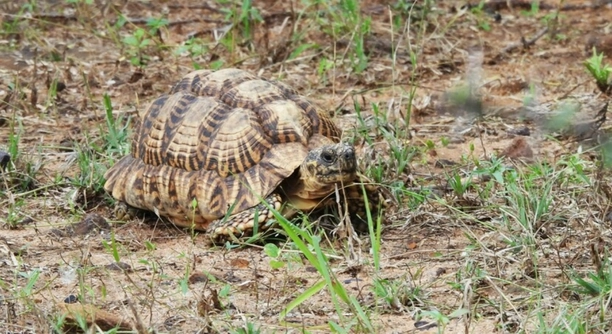
Caring for a star tortoise requires attention and proper handling. Their small size and unique needs mean they need gentle care. Understanding the basics of how to safely interact with your tortoise can make a big difference in their well-being.
When handling your star tortoise, always support their body securely and avoid sudden movements. Never pick them up by their shell, as it can cause stress or injury. It’s best to allow them to walk on a flat surface when possible.
Learning the proper techniques ensures both you and your tortoise stay safe. These tips will help you provide a secure, comfortable environment for your pet, ensuring they thrive in their new home.
Why Proper Handling is Crucial for Your Star Tortoise
Handling your star tortoise properly is essential to ensure its comfort and safety. These tortoises can be sensitive to stress, and improper handling can lead to anxiety or even physical harm. When picking them up, always make sure to support their body evenly. Avoid lifting them by their shell, as it can cause fractures or discomfort. It’s best to gently scoop them up with both hands and place them on a flat, stable surface.
Even slight stress from improper handling can affect their health. Star tortoises are naturally shy and prefer slow, calm movements. By handling them gently, you help them feel more secure. Also, avoid making sudden, loud noises around them, as it can be startling. Allow your tortoise time to adjust to handling by keeping sessions short and non-intrusive.
The way you handle your tortoise also impacts their behavior. If they associate you with safety and comfort, they are more likely to trust you. Keeping a steady, calm hand when interacting with them will help them thrive.
Creating the Right Environment
The environment around your star tortoise plays a big part in its overall health. A proper enclosure should mimic their natural habitat, offering warmth, humidity, and a variety of spaces to explore. A temperature gradient should be present, with a warm basking spot and a cooler area for them to retreat to. You can achieve this with a simple heating lamp and appropriate substrates for the bottom of the enclosure.
Providing the right environment goes beyond temperature. Star tortoises also need access to a shallow water dish for hydration and to help with digestion. Regularly clean their enclosure to prevent the buildup of waste or bacteria. This routine helps ensure they stay healthy and comfortable.
An environment that supports their natural behaviors, such as burrowing and foraging, is essential. Consider adding hiding spots and climbing elements to give them the opportunity to explore and exercise.
Handling Your Star Tortoise’s Diet
Star tortoises are herbivores, so their diet should mainly consist of leafy greens and grasses. They enjoy dandelions, clover, and various grasses. Occasionally, you can offer them some fruits like apples, but these should be in moderation. Ensure that any food is pesticide-free and fresh.
A balanced diet is crucial for their health. Fiber is especially important for digestion, and leafy greens provide essential vitamins and minerals. You should avoid feeding them high-protein foods, such as meat, as this can lead to health issues. Fresh water should always be available to keep them hydrated.
Make sure to vary their food for proper nutrition. You can rotate between different leafy greens like collard greens, kale, or romaine lettuce. Always wash the vegetables thoroughly before feeding them. Over time, you’ll notice your tortoise’s preferences and can adjust their meals to suit them best.
Enrichment and Exercise for Your Star Tortoise
Enrichment is key for a star tortoise’s well-being. Without enough stimulation, they may become inactive or stressed. It’s important to create an environment where they can move around freely, offering opportunities for them to explore. A simple arrangement of objects like rocks or logs can encourage them to roam.
Regular exercise is essential for their overall health. Star tortoises are naturally active and love to wander around. Giving them space to explore within a safe area ensures they get the exercise they need. You can even set up a small outdoor space for them to enjoy under supervision, with plenty of areas to climb and hide.
Exercise also supports their digestive system and helps prevent obesity. When a star tortoise moves, they naturally improve their muscle tone. Regular movement ensures that they maintain a healthy weight and continue to thrive in your care.
Handling a Star Tortoise in Different Situations
If you need to handle your star tortoise for cleaning or health checks, always remain calm and gentle. Avoid any sudden movements to prevent startling them. You can pick them up with both hands, supporting their body evenly. Ensure they are securely held and avoid lifting them too high off the ground.
For cleaning, use a soft cloth to wipe down their shell and limbs. Avoid harsh scrubbing or using strong chemicals. A shallow, lukewarm bath can help clean them while giving them a chance to drink. It’s important to be gentle during these sessions.
Temperature and Humidity Requirements
Temperature regulation is essential for star tortoises. They need a basking spot around 90-95°F (32-35°C) to help with digestion and overall health. The rest of their enclosure should be cooler, around 75-80°F (24-27°C). Humidity should also be carefully managed to prevent respiratory issues, with levels around 50-60%.
Maintain these conditions by using a reliable thermometer and humidity gauge. A heat lamp positioned above the basking area is crucial to keep them warm. For humidity, consider a shallow water dish in their enclosure and misting the area occasionally to keep it at the right level.
Star Tortoise Behavior and Communication
Star tortoises communicate primarily through body language. They may retract into their shells when feeling threatened, or they may slowly move towards objects they find interesting. They can also display signs of curiosity, particularly when exploring new environments. Understanding these behaviors helps build trust and comfort.
It’s important to give them space when they retract into their shell, as this is a sign they feel threatened. Be patient and let them come out on their own time. Over time, your tortoise may begin to recognize you and feel more comfortable around you.
FAQ
How often should I handle my star tortoise?
It’s best to handle your star tortoise in moderation. Frequent handling can stress them out, especially if they are not used to it. Keep handling sessions short and calm, limiting them to once or twice a week. This allows your tortoise to get used to your presence without becoming too stressed. If your tortoise seems uncomfortable, give them more space.
What should I do if my star tortoise isn’t eating?
If your tortoise stops eating, first check the environment for any temperature or humidity issues. Stress, improper lighting, or a diet that’s not to their liking can all affect their appetite. Make sure their enclosure is set up properly, with both warm and cool areas. Offer a variety of greens and avoid overfeeding fruits, as these can cause digestive issues. If the lack of appetite persists for more than a few days, consult a vet to rule out any health problems.
Can I keep a star tortoise in an outdoor enclosure?
Yes, star tortoises can live outdoors, but only in a secure, safe area. The enclosure should be escape-proof and offer plenty of shelter and hiding spots. The temperature should remain consistent with their indoor needs, with a warm basking area and cooler shaded areas. Be sure to protect them from predators and harsh weather conditions. Supervision is essential when they are outdoors.
What kind of substrate should I use for a star tortoise?
A safe and natural substrate for your star tortoise would be something that mimics their natural habitat, such as a mixture of coconut coir, topsoil, or cypress mulch. These substrates allow for burrowing and help maintain humidity. Avoid using cedar or pine, as these can release toxins harmful to your tortoise. Keep the substrate clean by spot-cleaning daily and changing it entirely every couple of months.
How do I know if my star tortoise is healthy?
A healthy star tortoise will be active, alert, and responsive when you approach. Their shell should be smooth and free from cracks or discoloration. The eyes should be clear, and there should be no signs of discharge or swelling around the face. They should have a well-formed appetite and be consistent in their eating habits. If your tortoise shows signs of lethargy, swelling, or unusual behavior, it’s time for a vet check.
Can I keep more than one star tortoise together?
Star tortoises can be kept together, but it’s best to keep them in a large enough enclosure to prevent territorial behavior. They are generally solitary animals in the wild and may compete for space or food if kept in a confined area. Males are especially territorial and may show aggression toward each other. If you plan to house multiple tortoises, make sure there is plenty of space, hiding spots, and food to prevent conflict.
How can I prevent my star tortoise from getting sick?
Maintaining a clean and stable environment is the key to preventing sickness. Keep their enclosure free from waste and offer fresh food and water regularly. Make sure the temperature and humidity levels are appropriate, and check the conditions in their home regularly. If your tortoise is showing signs of illness, such as lethargy, loss of appetite, or abnormal behavior, take them to a vet as soon as possible.
What are the signs of impaction in star tortoises?
Impaction is a common issue with tortoises, often caused by ingesting substrate or eating too much food that is difficult to digest. Signs of impaction include lethargy, loss of appetite, straining to defecate, or abnormal movements. If you notice any of these signs, consult a veterinarian immediately. Keeping their enclosure clean and providing a proper diet can help prevent impaction.
What kind of lighting does my star tortoise need?
Star tortoises need both UVB lighting and a heat source to remain healthy. UVB lighting is essential for calcium absorption and overall bone health. Place the light close enough to provide adequate UVB exposure, but not so close that it overheats your tortoise. You should also provide a heat lamp for basking, keeping one area of their enclosure between 90-95°F (32-35°C), with a cooler area around 75°F (24°C).
How do I bathe my star tortoise?
Bathing your star tortoise helps with hydration and cleaning. Fill a shallow dish with lukewarm water and gently place your tortoise in it. Let them soak for about 15-20 minutes. Do not submerge them completely, as they need to be able to breathe easily. After the bath, gently pat them dry with a towel and place them back in their enclosure.
How long do star tortoises live?
Star tortoises have a long lifespan, often living 30 to 50 years or more with proper care. The lifespan can vary based on factors such as diet, environment, and genetics. If they are given the right care, they can live long, healthy lives. Regular check-ups with a vet and maintaining a proper habitat are essential to ensure their longevity.
What temperature should my star tortoise’s basking area be?
The basking area for your star tortoise should be kept between 90-95°F (32-35°C). This warmth is necessary for digestion and overall health. If the basking area is too cold, your tortoise won’t be able to digest food properly, which can lead to health problems. Use a heat lamp to maintain the correct temperature in the basking spot.
Final Thoughts
Caring for a star tortoise requires attention, patience, and the right environment. By ensuring your tortoise has a proper habitat, diet, and regular health check-ups, you’ll provide the best chance for a long, healthy life. These tortoises thrive in warm, dry conditions, so maintaining the right temperature and humidity is key. Their diet should consist mainly of grasses, leafy greens, and occasional vegetables, avoiding high-protein foods. When it comes to handling, it’s important to keep sessions short and gentle to avoid stressing them out. Respecting their need for space and calmness goes a long way in helping them feel comfortable.
If you are planning to adopt a star tortoise, make sure to do thorough research on their care requirements. A spacious enclosure, proper lighting, and regular cleaning are essential for their well-being. Pay attention to their behavior—signs like loss of appetite, unusual lethargy, or changes in the appearance of their shell can be indicators of potential health issues. In case of any concerns, don’t hesitate to reach out to a veterinarian specializing in reptiles. They can offer professional advice and treatment when necessary.
Overall, star tortoises make great companions for those willing to provide the right care. With proper knowledge and attention, they can live for decades, becoming a fascinating part of your life. By focusing on their basic needs and making sure they are kept safe, you can help them thrive in their environment. The key is consistency—maintain their habitat, feed them properly, and monitor their health regularly. With a little effort and care, you’ll enjoy the company of these beautiful creatures for many years.

Hello,
If you enjoy the content that we create, please consider saying a "Thank You!" by leaving a tip.
Every little bit helps us continue crafting quality advice that supports the health, happiness, and well-being of pets around the world, for pets of all shapes, sizes, and species.
We really appreciate the kindness and support that you show us!