
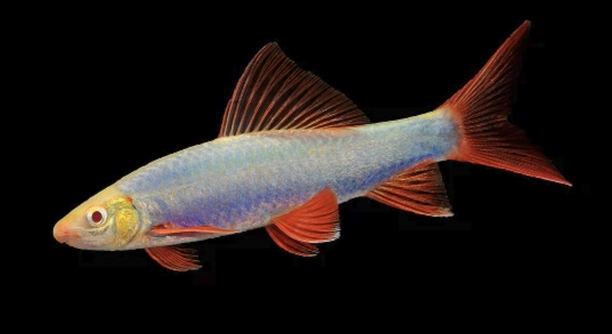
Rainbow sharks are popular freshwater fish known for their striking colors and active nature. Many aquarium enthusiasts enjoy keeping them as part of community tanks. However, managing their behavior alongside other tank mates can be challenging at times.
Effectively handling rainbow shark tank mates involves understanding their territorial tendencies and providing adequate space. Proper tank size, hiding spots, and compatible species reduce aggression and promote a peaceful environment. Regular monitoring and adjustments ensure balanced cohabitation among fish.
These simple strategies help maintain harmony in your aquarium and protect all its inhabitants. Keeping your tank balanced improves the overall health and enjoyment of your aquatic setup.
Understanding Rainbow Shark Behavior
Rainbow sharks are naturally territorial fish. They tend to defend their space, especially in smaller tanks. This behavior can lead to chasing or nipping at other fish. Knowing this helps you create a better environment for them and their tank mates. These sharks are most active during the day, often patrolling the bottom and middle levels of the aquarium. They need plenty of hiding spots to feel secure, like plants or decorations. Without enough space or cover, their stress levels can increase, making them more aggressive. Rainbow sharks are also sensitive to water quality, so regular tank maintenance is important to keep them calm and healthy. Observing their interactions closely will help you catch early signs of conflict before it gets serious. When you provide the right environment, they become more tolerant of other fish, which improves the tank’s overall harmony and balance.
Regular cleaning and proper feeding routines support peaceful behavior.
Keeping their space large and varied reduces stress and helps all fish coexist better.
Choosing Compatible Tank Mates
Not all fish are a good match for rainbow sharks. Choose species that are similar in size and temperament but not too aggressive or slow-moving. Fast swimmers who occupy different tank areas work well. Avoid small, slow fish that may become targets. Fish like danios, barbs, and larger tetras often do better with rainbow sharks. Bottom dwellers that are non-territorial can also live peacefully alongside them. It’s important to introduce new fish carefully and watch their reactions closely. If aggression appears, be ready to separate the fish to avoid injury. A well-planned community tank keeps everyone safer and less stressed. Regular observation and adjustments to the tank environment help maintain peace and reduce the chance of fights. Planning your tank with these factors in mind improves the living conditions for all its inhabitants and ensures a more pleasant experience.
Providing Enough Space
Rainbow sharks need plenty of room to swim and claim their territory. Small tanks increase stress and aggression, making it harder for them to live peacefully with others. A tank of at least 55 gallons is recommended for one rainbow shark.
A larger tank allows each fish to establish its own space, reducing conflicts. When there’s enough swimming area, rainbow sharks are less likely to chase their tank mates. It also helps maintain better water quality since larger volumes dilute waste more effectively. Proper filtration and regular water changes keep the environment healthy, which supports calm behavior. Without enough space, sharks become stressed and territorial, leading to injuries or stress-related illnesses.
Creating separate zones with plants and decorations further helps divide the tank, giving fish places to retreat. This setup reduces competition and promotes a peaceful community.
Monitoring Tank Conditions Closely
Water quality plays a crucial role in how rainbow sharks behave. Poor water conditions can stress them, making aggression worse. Keep ammonia, nitrite, and nitrate levels low through regular testing.
Maintaining a stable temperature between 72 and 79°F is important for their comfort. Sudden changes can cause stress, triggering defensive or aggressive behavior. Clean water also reduces disease risk, helping all tank mates thrive. Removing uneaten food and debris prevents harmful buildup. A healthy environment keeps rainbow sharks more relaxed and less likely to act out. Monitoring these conditions regularly lets you catch problems early and keep your aquarium balanced for all its residents.
Feeding Tips for Rainbow Sharks
Rainbow sharks need a balanced diet with both plant and protein-based foods. High-quality pellets, flakes, and occasional live or frozen treats keep them healthy and satisfied. Overfeeding can cause water quality issues, so feed small amounts twice a day.
A varied diet supports their energy and reduces aggression caused by hunger. Avoid letting food pile up in the tank, as it can stress all fish.
Using Decorations to Reduce Aggression
Adding plants, rocks, and caves creates hiding spots and breaks lines of sight. This helps reduce territorial fights by giving fish places to retreat. Decorations also make the tank feel more natural and comfortable.
Proper placement of these elements helps divide the tank into territories, lowering conflicts and stress among tank mates.
Recognizing Signs of Stress
Watch for behaviors like hiding, fin clamping, or frequent chasing. These signs may indicate stress or bullying. Early detection allows you to take action before injuries occur.
Keeping an eye on your fish’s behavior helps maintain a peaceful tank environment.
FAQ
How many rainbow sharks can I keep in one tank?
Rainbow sharks are territorial, so it’s best to keep only one per tank unless you have a very large aquarium, ideally over 75 gallons. When kept together in smaller spaces, they tend to fight and stress each other. If you want more than one, make sure the tank is spacious and has plenty of hiding spots to reduce aggression.
Can rainbow sharks live with other fish?
Yes, but choosing the right tank mates is important. Avoid slow or very small fish that might get chased. Good companions include fast-swimming mid-to-top level fish like danios, barbs, and larger tetras. Bottom dwellers that aren’t territorial also tend to do well. Watch their interactions closely when first introducing new fish.
Why is my rainbow shark chasing other fish?
Chasing is usually territorial behavior. Rainbow sharks like to claim their space, especially in small tanks. It can also happen if the tank lacks enough hiding spots or if water conditions are poor. Giving them enough space and adding decorations helps reduce this behavior. Regular water changes and good filtration keep them calm.
What should I feed my rainbow shark?
Feed a mix of high-quality pellets or flakes designed for omnivores. Supplement with live or frozen foods like bloodworms or brine shrimp occasionally. They also appreciate some vegetable matter such as blanched spinach or zucchini. Avoid overfeeding; give small amounts once or twice daily and remove uneaten food to keep the tank clean.
How often should I clean the tank?
Perform partial water changes of about 25% weekly or every two weeks to keep water quality high. Clean the filter regularly, but avoid washing it with tap water to preserve beneficial bacteria. Remove leftover food and waste daily if possible. Maintaining clean water prevents stress and aggression among fish.
What water conditions do rainbow sharks need?
Rainbow sharks thrive in water temperatures between 72 and 79°F. Keep the pH level slightly acidic to neutral, around 6.5 to 7.5. They prefer soft to moderately hard water. Consistency is key; sudden changes in temperature or water chemistry can stress them and lead to aggressive behavior.
How can I tell if my rainbow shark is stressed?
Signs include hiding excessively, clamped fins, loss of appetite, and excessive chasing or hiding from other fish. Stress can also show through faded colors and sluggishness. If you notice these signs, check water quality and tank setup. Improving their environment often helps reduce stress and restore normal behavior.
Can I keep rainbow sharks with plants?
Yes, live plants can be very beneficial. They provide hiding spots and help improve water quality. Choose hardy plants like Java fern, Anubias, or Vallisneria since rainbow sharks may sometimes dig around roots. Plants also help reduce aggression by breaking up lines of sight in the tank.
What size tank do rainbow sharks need?
A minimum of 55 gallons is recommended for one rainbow shark. This size gives them enough space to swim and establish territory. Larger tanks reduce aggression and provide better water quality stability. If you want to keep more than one, consider a tank size of at least 75 gallons.
Are rainbow sharks good for beginners?
Rainbow sharks can be kept by beginners if proper care is given. They need a sufficiently large tank, good water quality, and appropriate tank mates. Understanding their territorial nature and providing enough hiding spots is important. With the right setup, they can be a rewarding fish to keep.
Final Thoughts
Rainbow sharks are beautiful fish that add life and color to any freshwater tank. Their active nature and bright colors make them popular choices for many aquarium keepers. However, their territorial instincts mean they need special care when living with other fish. Giving them enough space and a well-structured environment helps reduce conflicts. When their needs are met, rainbow sharks can live peacefully alongside compatible tank mates.
Creating the right environment is key to managing rainbow sharks. A tank that is too small or lacks hiding places can increase stress and cause aggression. Adding decorations like plants, rocks, and caves gives the fish places to rest and hide, which lowers tension. Regular tank maintenance, including water changes and cleaning, supports their health and calm behavior. Paying attention to water quality and feeding habits also makes a big difference in keeping the tank balanced.
By understanding how rainbow sharks behave and what they require, it becomes easier to maintain a peaceful aquarium. It takes some effort to plan tank size, select suitable companions, and keep water conditions stable, but the result is worth it. Watching these fish thrive in a healthy, peaceful tank can be very satisfying. Keeping rainbow sharks happy involves patience and care, but it also brings enjoyment and beauty to your home aquarium.

Hello,
If you enjoy the content that we create, please consider saying a "Thank You!" by leaving a tip.
Every little bit helps us continue crafting quality advice that supports the health, happiness, and well-being of pets around the world, for pets of all shapes, sizes, and species.
We really appreciate the kindness and support that you show us!