
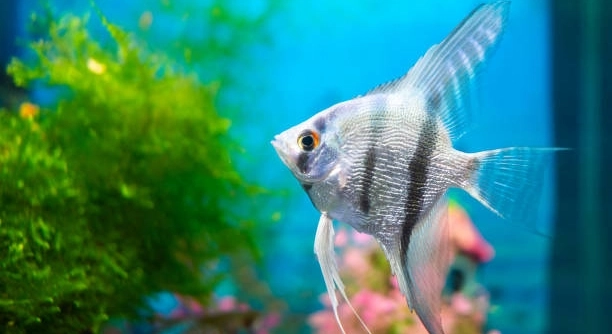
Is your angelfish starting to look a little worse for wear, with frayed fins and signs of distress showing in the tank?
The most effective way to treat fin rot in angelfish is to isolate the fish, improve water quality, and follow a consistent antibacterial treatment. Early detection and proper care are key to reversing the damage and restoring fin health.
With a step-by-step plan, you’ll learn how to treat, prevent, and support your angelfish through a safe and steady recovery.
Spotting the Early Signs of Fin Rot
Fin rot in angelfish often starts subtly, so it’s important to recognize early signs before the condition worsens. You might see the edges of the fins becoming discolored—usually white, black, or red. As it progresses, the fins may look frayed, torn, or shorter than usual. Sometimes the tissue between the fin rays appears eaten away or thin. Angelfish might also behave differently, becoming more withdrawn or showing signs of stress, like a lack of appetite or hiding more than usual. Poor water quality, sudden temperature changes, or an overly aggressive tank mate can all contribute to fin damage. Catching the problem early increases the chances of a full recovery. Keep an eye on your angelfish’s normal behavior and fin appearance so you can act quickly when something seems off. Even mild fraying can be a signal that something isn’t right in your tank’s environment.
Regular fin checks can prevent bigger problems later.
Once you spot the signs, it’s time to take action. This condition doesn’t improve on its own.
Fin rot doesn’t just damage the appearance of your angelfish—it affects their overall health, confidence, and tank behavior. Keeping your fish healthy involves both immediate action and long-term care. Begin by isolating the sick angelfish in a hospital tank. This keeps the main tank stable and prevents potential spread. Test the water parameters in both tanks to ensure the ammonia, nitrites, and nitrates are all at safe levels. High-quality water is critical for healing. Choose an antibacterial treatment like aquarium salt, methylene blue, or a fin rot-specific medication, and follow dosing instructions carefully. Don’t forget to remove carbon filters during treatment, as they absorb medication. Daily partial water changes also help improve conditions. Monitor the angelfish closely for signs of improvement—fins should gradually regain shape and color. Healing can take time, but consistency makes all the difference. Keep feeding simple, high-quality food to support immune health during recovery.
Cleaning the Tank and Adjusting Conditions
Clean water makes a big difference when treating fin rot. Start by doing a 25–50% water change to remove any waste, uneaten food, and harmful bacteria. Stick to a consistent cleaning schedule during treatment.
Use a gravel vacuum to remove debris from the substrate and check your filter for proper function. Replace any worn parts and remove carbon if you’re using medication. Maintain a stable temperature between 78–80°F and ensure pH levels stay around 6.5–7.5. Stability matters more than perfection here. If your tank has decorations with sharp edges, take them out to prevent further fin damage. Add an air stone or sponge filter if oxygen levels are low. High water flow can stress angelfish, so keep the current gentle. These small adjustments reduce stress and support healing. Keep monitoring ammonia and nitrite levels daily to avoid spikes that could slow recovery.
During recovery, you’ll need to test your water frequently and stay on top of changes. Keep nitrates below 20 ppm if possible, and never let ammonia or nitrite levels rise above zero. Use a liquid test kit instead of strips for better accuracy. If your tank is overcrowded, consider moving other fish temporarily to keep stress low for your angelfish. Provide good lighting and a few soft hiding spots so your fish can rest comfortably. Avoid overfeeding, which can lead to cloudy water and bacterial growth. Offer food once or twice a day in small amounts, and remove any leftovers. These practices create a calm, clean space where your angelfish can start to heal more quickly. Consistency matters more than anything—make small changes often instead of big ones occasionally.
Choosing the Right Medication
Choose a treatment based on how advanced the fin rot looks. Milder cases can often improve with aquarium salt and clean water. For more serious infections, use antibacterial medications like Maracyn or API Fungus Cure, following the instructions exactly.
Remove any carbon from your filter before starting treatment. Carbon will absorb medication and reduce its effectiveness. Stick to the full course of treatment even if your angelfish starts looking better. Stopping early may cause the infection to return, often more aggressively than before.
Supporting the Healing Process
Recovery doesn’t end once the medication starts working. Your angelfish needs a stable, low-stress environment to fully heal. Keep lights on a regular schedule and avoid tapping the glass or rearranging the tank often. Add Indian almond leaves or a small amount of stress coat to support the slime coat and reduce inflammation. Make sure food is high in protein and easy to digest—frozen or freeze-dried options are good choices during this time. If your fish shows signs of regrowth in the fins, that’s a good sign—just be patient. Healing takes time, and it’s normal for progress to be slow at first.
Preventing Future Outbreaks
Stick to a weekly cleaning routine and test your water often. Good water quality is the best way to keep fin rot from coming back. Avoid overcrowding and make sure all fish in the tank get along.
FAQ
Can angelfish survive fin rot?
Yes, angelfish can survive fin rot if it’s treated early and properly. Most cases respond well to clean water, a stable environment, and the right medication. The key is to act quickly before the infection spreads too far. When caught in time, the fins often grow back slowly. However, if left untreated, fin rot can become severe and even lead to death. It’s important to monitor your fish closely, keep water conditions ideal, and follow through with treatment to support a full recovery. Patience and consistency are what matter most during the healing process.
How long does it take for fins to grow back?
Fin regrowth varies depending on the severity of the damage and the overall health of the angelfish. In mild cases, you may start to see improvement within a week or two. More serious fin loss might take several weeks or even months. Clean water, nutritious food, and a stress-free tank speed up healing. If the fin rot caused permanent damage to the fin base, full regrowth may not occur, but the fish can still live comfortably. Look for signs like clear, thin regrowth on the edge of the fin to know healing has started.
Can I treat fin rot without medication?
In very early stages, yes. If the fin rot is just starting and there are no signs of red or black edges, open sores, or rapid fin loss, you may be able to treat it by improving water quality and adding aquarium salt. Frequent water changes, stable temperature, and low stress can help your fish recover without medication. But if the condition worsens or doesn’t improve after a few days, you’ll need to use antibacterial treatments. Always watch your fish closely during this time and act fast if symptoms continue.
Is fin rot contagious to other fish?
Yes, it can be. Fin rot itself is caused by bacteria that already exist in most aquariums, but stress and poor conditions allow them to grow out of control. If one fish develops fin rot, others in the tank may also get sick, especially if water quality is poor. That’s why it’s helpful to isolate sick fish and clean the tank thoroughly. Make sure all fish are healthy and that your tank isn’t overcrowded. Catching and treating the problem early keeps it from spreading to other fish in your tank.
Can stress cause fin rot in angelfish?
Yes, stress is a major factor in fin rot. Stress weakens the immune system, making angelfish more vulnerable to bacterial infections. Common stressors include poor water conditions, overcrowding, sudden temperature changes, aggressive tank mates, and even loud noises or constant changes around the tank. If you notice signs of stress—such as hiding, loss of appetite, or fast breathing—check your setup and make adjustments. Reducing stress helps prevent future outbreaks and speeds up healing if your angelfish is already sick. A calm, consistent tank makes a big difference.
What should I feed an angelfish recovering from fin rot?
Stick with high-protein, easy-to-digest food. Frozen or freeze-dried bloodworms, brine shrimp, and high-quality flakes or pellets work well. Avoid overfeeding—just offer small portions once or twice a day. Uneaten food can make the water dirty and slow healing. During recovery, it’s best to focus on nutrition and avoid trying new or unfamiliar foods. You want to keep things simple. Clean water and proper feeding give your fish the energy needed to rebuild their fins and regain strength. If your angelfish isn’t eating, check the water parameters and try tempting them with their favorite food.
Final Thoughts
Fin rot is a common issue in aquariums, but it can be managed with care and attention. When angelfish begin to show signs of fin damage, quick action is important. Clean water, proper feeding, and stable conditions help make recovery smoother and reduce stress on the fish. Medications and salt treatments work best when used early and correctly. Every step you take to improve the tank environment makes a real difference. It’s not just about treating the problem—it’s also about giving your fish the support they need to heal fully and stay healthy in the long run.
Even after the worst of the infection has passed, the recovery period is just as important. Angelfish fins don’t grow back overnight. During this stage, it’s a good idea to keep a close eye on your fish’s behavior, eating habits, and swimming patterns. Try not to make changes in the tank, and keep your routine consistent. A calm environment helps speed up the healing process. You might not see full fin regrowth, especially in more advanced cases, but that doesn’t mean your fish can’t live a full and active life. Recovery takes time, and every fish heals at a different pace.
Preventing future cases of fin rot is always easier than treating it again. Test your water regularly, perform weekly tank maintenance, and avoid overcrowding your aquarium. Give each fish enough space, and try to limit stress as much as possible. Feeding a balanced diet and avoiding sudden changes also help support their immune system. Healthy fish are less likely to get sick, and stable water conditions protect all your tank’s inhabitants. With steady care, you can help your angelfish avoid fin rot altogether. And if it does happen again, you’ll know exactly what to do and how to respond. Keeping up with the basics really is the best way to protect your angelfish and enjoy a peaceful, healthy aquarium.

Hello,
If you enjoy the content that we create, please consider saying a "Thank You!" by leaving a tip.
Every little bit helps us continue crafting quality advice that supports the health, happiness, and well-being of pets around the world, for pets of all shapes, sizes, and species.
We really appreciate the kindness and support that you show us!