
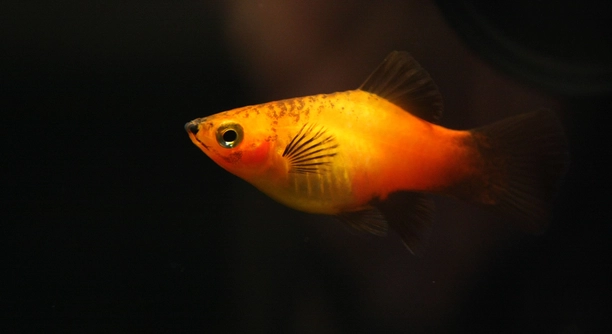
Are your platies showing signs of aggression but you prefer not to separate them? Managing aggressive behavior in a shared tank can be challenging for many fish keepers. Understanding how to handle this issue without resorting to separation is important for maintaining harmony.
Handling an aggressive platy without separation involves managing the tank environment carefully. This includes providing adequate hiding spaces, monitoring fish behavior closely, and adjusting feeding routines to reduce competition and stress, which helps minimize aggressive interactions effectively.
Effective strategies can help you keep your platies peaceful together. Learning how to balance their environment promotes a healthier, calmer aquarium for all your fish.
Understanding Platy Aggression
Platy fish are generally peaceful, but sometimes aggression can arise, especially in crowded tanks or when males compete for territory. Aggressive behavior can include chasing, nipping, or fin damage. It often occurs when there are too few hiding spots or when dominant fish feel threatened. Adjusting tank conditions can reduce this tension. Providing plenty of plants, decorations, and caves gives shy fish places to escape. Overcrowding increases stress, so maintaining proper stocking levels is important. Feeding plays a role too — uneven food distribution can lead to competition and fights. Monitoring water quality is essential because poor conditions make fish irritable. If aggression becomes severe, adding more females or rearranging tank decorations can help reset territorial boundaries. Keeping platies in a balanced social group with adequate space and resources promotes calm behavior and reduces aggression without the need for separation.
Managing aggression starts with observing your fish carefully and making small environmental changes. These adjustments often lead to a more peaceful tank.
Aggression in platies usually signals stress or territorial disputes. By improving habitat complexity and reducing stress factors, you create a more balanced aquarium environment.
Tank Setup and Environmental Control
Tank setup plays a critical role in controlling platy aggression. A well-structured environment reduces stress and territorial disputes. Ensure the tank is spacious enough, ideally at least 20 gallons for a small group, to allow each fish room to establish its own area. Including live or artificial plants, rocks, and decorations breaks up sightlines, which limits aggressive encounters by providing hiding spots and visual barriers. Proper lighting and stable water parameters contribute to a healthy habitat, reducing irritability in fish. Regular maintenance, including water changes and filter cleaning, keeps the environment stable. Avoid sudden changes to the tank setup, as this can increase stress and trigger fights. Also, providing a variety of feeding spots helps reduce competition. Overall, an enriched and well-maintained tank encourages natural behavior and lowers the chances of aggression among platies.
Good tank design and upkeep are essential to prevent conflicts. Making these changes can help your platies coexist peacefully.
Feeding Strategies to Reduce Aggression
Feeding platies in a way that minimizes competition helps reduce aggression. Offering food in multiple spots and smaller amounts prevents dominant fish from bullying others.
Feeding several times a day with small portions keeps all fish engaged and lowers food-related fights. Distributing food evenly allows shy or weaker fish to eat without being chased away. Using sinking pellets alongside flakes can cater to different feeding levels in the tank, helping avoid crowding in one area. Consistent feeding times also establish a routine, reducing stress that can trigger aggressive behavior. Watching feeding sessions closely helps identify any particularly aggressive fish that may need extra attention.
Adjusting diet quality can also calm aggressive tendencies. A well-balanced, nutritious diet supports overall health and reduces irritability, making platies less prone to fights over food.
Monitoring Behavior and When to Intervene
Keep a close eye on how your platies interact daily. Early signs of aggression include chasing and fin nipping. Persistent bullying should be addressed quickly to prevent injury.
If aggression escalates, try rearranging tank decorations to break established territories. Adding new hiding spots can give submissive fish refuge. Sometimes increasing the number of females reduces male aggression by balancing the social group. Avoid introducing overly aggressive fish or other species that may provoke platies. If an individual is repeatedly aggressive despite these changes, consider isolating it temporarily to prevent harm. Regular observation allows timely interventions, preserving harmony in the tank and ensuring all fish remain healthy.
Recognizing Signs of Stress
Aggression often causes visible stress in platies. Look for faded colors, clamped fins, or hiding more than usual. These signs show that fish may be overwhelmed or threatened.
Stress weakens the immune system, making platies more prone to illness. Addressing aggression quickly helps keep your fish healthy and comfortable in their environment.
Using Tank Mates to Balance Behavior
Adding peaceful tank mates can sometimes reduce aggression by distracting dominant platies. Choose species that are calm and compatible with platies to maintain a balanced community.
Avoid aggressive or overly active fish, as they may increase tension. Properly selected companions create a more stable social environment, reducing overall stress.
Maintaining Water Quality
Consistent water quality is crucial for calm fish behavior. Regular water tests and maintenance prevent fluctuations that can cause stress and aggression.
Healthy water conditions support your platies’ well-being and help keep the tank environment peaceful and stable.
FAQ
Why is my platy aggressive even though the tank conditions seem fine?
Aggression in platies can occur even if water quality and tank setup appear good. Often, it is linked to social dynamics like overcrowding or imbalanced sex ratios. Males competing for females or territory may act aggressively. Another reason could be a lack of hiding spaces, which increases stress and competition. Sometimes, changes in the environment, like rearranged decorations or new fish introductions, unsettle established territories. Even healthy fish may become irritable if their routine is disrupted. Monitoring social behavior and adjusting group composition or tank structure usually helps resolve these issues.
How can I tell if aggression is serious enough to separate fish?
Minor chasing or occasional fin nipping is normal in platy social behavior. However, if you see constant attacks, damaged fins, bleeding, or fish hiding excessively, aggression has become harmful. Severe bullying can weaken or injure fish, increasing disease risk. If behavioral adjustments and tank changes don’t reduce aggression, separation may be necessary to protect the victims. Temporary isolation of aggressive fish can also help reset social order without permanently removing individuals.
Can changing the tank decorations reduce aggression?
Yes. Rearranging decorations disrupts established territories and reduces dominant control over specific areas. Adding plants, rocks, or caves creates visual barriers and new hiding spots. These changes break line-of-sight and limit aggressive chasing. A more complex environment encourages fish to spread out, decreasing competition. Regularly changing the layout can prevent territorial behavior from becoming fixed, helping to maintain a peaceful tank.
What is the ideal ratio of males to females to reduce aggression?
A good rule of thumb is to keep at least two or three females per male. This ratio reduces competition because males spread their attention among multiple females instead of focusing aggression on a single fish. Having more females also distracts males from constant fighting, balancing social interactions. If aggression persists, increasing female numbers or removing overly aggressive males can improve harmony.
How often should I feed my platies to prevent fights?
Feeding small amounts multiple times a day works best. This keeps fish from competing aggressively over limited food and helps weaker or shy fish get their share. Distribute food in different tank areas to avoid crowding. Using a mix of sinking and floating foods can also reduce tension by feeding fish at various levels. Consistency in feeding times reduces stress and aggression by establishing a predictable routine.
Is it necessary to isolate aggressive platies permanently?
Isolation is usually a last resort. Temporary separation allows aggressive fish to calm down and helps the group reset social boundaries. After a period, you can reintroduce the fish carefully and observe behavior. Permanent removal may be needed if aggression continues despite environmental and social adjustments. Prioritize other methods first to keep your tank community intact and avoid disrupting the social balance too much.
What water parameters are best to keep platies calm?
Platies prefer stable water with a temperature of 72–78°F (22–26°C), pH between 7.0 and 8.0, and moderate hardness. Sudden changes or poor water quality increase stress and aggression. Regular water testing and maintenance, including partial water changes and filter cleaning, help maintain these parameters. Keeping nitrate levels low and ammonia or nitrites at zero also supports fish health and reduces irritability.
Can tank size affect platy aggression?
Yes, overcrowded tanks increase stress and territorial disputes. A minimum of 20 gallons is recommended for a small group of platies. More space allows fish to establish separate territories and avoid constant contact, lowering aggression. Overcrowding can lead to competition for food, hiding spots, and breeding partners, making aggression more likely. Ensuring adequate space is a key step in managing behavior.
Do certain platy colors or breeds show more aggression?
There is no strong evidence that specific colors or breeds are more aggressive. Aggression usually relates to individual temperament, sex, and environmental factors rather than genetics or appearance. However, males tend to be more territorial than females, regardless of breed. Observing your fish’s behavior and environment will give better clues on aggression causes than focusing on color or breed.
How do I safely reintroduce a previously isolated aggressive fish?
Before reintroducing, make sure the aggressive fish has calmed down and the tank environment is adjusted with enough hiding places. Introduce the fish slowly, ideally using a divider or quarantine tank inside the main tank, so other fish can see but not be harmed. Watch interactions closely. If aggression resumes, separate the fish again or try rearranging decorations. Patience and careful observation during this process prevent injury and help rebuild peaceful relationships.
Managing aggressive behavior in platies without separating them requires patience and careful observation. It is important to understand that aggression is often a natural part of their social behavior. Male platies, in particular, may compete over territory or females, which can lead to chasing or nipping. Rather than immediately separating the fish, it is better to look for ways to reduce tension in the tank. Making changes to the environment, such as adding more hiding spots and rearranging decorations, can help break up established territories and lower aggressive encounters. These adjustments create a more complex habitat that allows fish to spread out and feel secure.
Feeding routines also play a significant role in reducing aggression. Offering smaller, more frequent meals in several places throughout the tank helps prevent competition over food. When dominant fish are less likely to guard a single feeding area, shy or weaker platies have a better chance to eat without stress. Maintaining consistent feeding times further supports a calm atmosphere by giving fish a predictable routine. Additionally, keeping good water quality and proper tank size are essential. Poor water conditions or overcrowding increase stress, which can trigger or worsen aggressive behavior. Regular maintenance and monitoring ensure the fish stay healthy and less prone to fighting.
It is important to watch your fish closely and intervene when necessary. Sometimes rearranging the tank or adjusting the number of males and females can balance the social structure and reduce fights. If aggression becomes severe or leads to injury, temporarily isolating an aggressive fish may be needed to protect others. However, most platy aggression can be managed by careful tank setup, proper feeding, and attentive care. By creating a supportive environment and maintaining good husbandry, you can keep your platies peaceful and thriving together without the need for separation.

Hello,
If you enjoy the content that we create, please consider saying a "Thank You!" by leaving a tip.
Every little bit helps us continue crafting quality advice that supports the health, happiness, and well-being of pets around the world, for pets of all shapes, sizes, and species.
We really appreciate the kindness and support that you show us!