
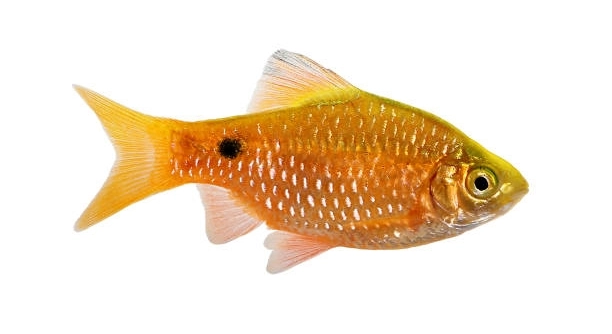
Aggressive behavior in Rosy Barbs can be frustrating for many aquarium enthusiasts. These active fish sometimes display territorial or bullying actions that affect tank harmony. Learning how to manage this behavior is important for maintaining a peaceful environment.
Handling aggressive Rosy Barb behavior involves adjusting tank conditions and social dynamics. Providing adequate space, hiding spots, and balanced group sizes reduces stress and competition. Introducing slower or larger tank mates can also help minimize conflicts and promote coexistence.
Knowing these steps will help you create a calmer tank atmosphere. Managing aggression properly supports healthier fish and a more enjoyable aquarium experience overall.
Understanding Rosy Barb Aggression
Rosy Barbs are naturally active fish, but aggression can become a problem when their environment does not meet their needs. These fish may nip fins, chase others, or act territorially, especially in small or crowded tanks. Stress, lack of hiding spots, and poor tank setup often increase aggressive behavior. When they feel threatened or cramped, Rosy Barbs may act out to protect their space. Aggression can also occur if the group size is too small since they are schooling fish that feel safer in numbers. Observing their behavior closely helps identify triggers. Adjusting tank conditions early can prevent fights and injuries. It’s important to provide enough room and enrich the environment with plants or decorations to break sight lines. This reduces competition and helps the fish feel secure. Knowing how these factors influence aggression is key to creating a balanced tank where all fish can thrive peacefully.
Aggressive behavior usually decreases when fish feel less stressed and have ample space. Monitoring and adjusting conditions regularly ensures a calmer tank.
Careful tank management fosters harmony, making the aquarium more enjoyable and reducing the risk of injury or disease caused by fighting.
Effective Tank Management Strategies
Keeping Rosy Barbs in groups of six or more helps reduce aggression by spreading out any aggressive tendencies. A larger group size makes it harder for one fish to target another repeatedly. Tank size is crucial; a minimum of 30 gallons is recommended for Rosy Barbs to swim freely. Adding dense plants and decorations creates hiding spots and visual barriers, breaking lines of sight between aggressive fish. This helps reduce tension and chase behaviors. Avoid mixing Rosy Barbs with slow-moving or long-finned species, as these are often targets of fin-nipping. Instead, select tank mates that can keep up with their active swimming and quick movements. Regular water changes and maintaining good water quality also reduce stress, which contributes to aggression. Finally, feeding sufficient food at regular intervals prevents competition over meals, which can trigger fights. By combining these strategies, the tank becomes a safer and more balanced environment for all fish.
Adjusting Diet and Feeding Habits
Rosy Barbs can become aggressive when they feel hungry or compete over food. Feeding smaller portions multiple times a day helps reduce food-related aggression. It also ensures all fish get enough to eat without rushing or fighting.
Providing a balanced diet with high-quality flakes, pellets, and occasional live or frozen foods keeps Rosy Barbs healthy and less prone to aggressive behavior. A well-fed fish is generally calmer and less likely to chase tank mates aggressively. Overfeeding should be avoided, as it can cause water quality issues that stress the fish and worsen aggression. Using a feeding ring or scattering food in different areas of the tank also helps minimize competition during mealtime. Consistency in feeding times helps Rosy Barbs develop a routine, reducing anxiety linked to irregular feeding.
Observation during feeding is essential. If one fish dominates, separating or feeding them individually can help balance the tank dynamics. Ensuring equal access to food prevents weaker fish from being bullied.
Managing Aggression Through Tank Layout
Creating a tank layout with plenty of hiding places helps break lines of sight and gives fish spaces to escape aggression. Use plants, rocks, and decorations strategically to form natural barriers. This setup discourages constant chasing and stress.
Open swimming areas are still important because Rosy Barbs are active swimmers. A good balance between hiding spots and open space reduces aggression without restricting natural behavior. Rearranging decorations occasionally can also prevent territorial dominance by certain fish. Different textures and heights in the layout provide environmental enrichment, making fish less likely to focus on aggressive behavior. When setting up the tank, avoid sharp or rough decorations to prevent injury during fights. Regular maintenance ensures these hiding places remain safe and clean. A thoughtfully arranged tank promotes harmony and a healthier environment for all inhabitants.
Choosing Compatible Tank Mates
Selecting tank mates that can handle Rosy Barbs’ energy reduces conflicts. Avoid slow or long-finned fish that may become targets. Opt for similarly active or larger species that can keep pace and avoid bullying.
Fish like danios, larger tetras, or certain catfish species usually coexist well with Rosy Barbs. Matching activity levels helps maintain peace and reduces stress across the tank.
Recognizing Warning Signs
Aggression often starts with fin nipping, chasing, or hiding. These behaviors indicate tension and should be addressed quickly. Early recognition prevents injury and stress.
Ignoring warning signs can lead to serious damage, infections, or death. Taking action early protects all fish and keeps the aquarium balanced.
When to Separate Aggressive Fish
If aggression persists despite adjustments, isolating the aggressive Rosy Barb may be necessary. A separate tank or divider can give other fish relief and reduce injuries.
Temporary separation allows the aggressive fish to calm down, which can improve overall tank harmony when reintroduced.
Maintaining Consistent Water Quality
Clean water is essential for reducing stress and aggression. Regular testing and water changes keep the environment stable and healthy.
FAQ
Why are my Rosy Barbs aggressive all of a sudden?
Sudden aggression in Rosy Barbs can result from changes in their environment. This includes overcrowding, poor water quality, or lack of hiding spots. Stress from illness or sudden tankmate introductions may also cause them to act aggressively. Monitoring recent changes helps identify the cause.
How many Rosy Barbs should I keep together to reduce aggression?
Keeping Rosy Barbs in groups of six or more helps spread out any aggressive behavior. A larger school reduces bullying because no single fish becomes a constant target. This setup supports their natural schooling instincts and promotes calmer interactions.
Can changing the tank layout help with aggressive behavior?
Yes. Rearranging plants, rocks, and decorations creates new territories and breaks lines of sight. This reduces chasing and fighting by giving fish places to hide and escape. Changing the layout occasionally prevents fish from becoming overly territorial.
Is fin nipping normal for Rosy Barbs?
Some fin nipping is common because Rosy Barbs are active and sometimes playful. However, persistent or severe fin biting indicates stress or aggression. When it causes injury, changes to tank conditions or group size are necessary to protect other fish.
What are the best tank mates for Rosy Barbs?
Choose active, fast-swimming fish that can handle the Rosy Barbs’ energy. Examples include danios, larger tetras, and certain catfish. Avoid slow-moving or long-finned species that may become targets of aggression or fin nipping.
How can I prevent feeding-related aggression?
Feed smaller amounts multiple times a day rather than one large feeding. Use a feeding ring or scatter food around the tank to reduce competition. Ensuring all fish get enough food limits fights over meals and lowers stress.
When should I separate an aggressive Rosy Barb?
If aggression continues after adjusting tank conditions, separating the aggressive fish may be needed. Use a divider or a temporary separate tank. This helps reduce injuries and allows the fish to calm down before reintroducing it.
How important is water quality in managing aggression?
Water quality plays a big role in fish behavior. Poor conditions cause stress, which can increase aggression. Regular water changes, testing, and cleaning keep the environment stable and reduce tension among fish.
Can adding plants reduce Rosy Barb aggression?
Adding dense plants and decorations provides hiding spots and breaks lines of sight, which helps lower aggression. Plants create natural barriers, giving fish places to escape and reducing constant chasing.
What should I do if fin damage occurs?
Treat fin damage quickly with appropriate medication to prevent infection. Improve tank conditions and consider adjusting group size or tank mates to stop further aggression. Keeping the environment calm helps fish heal faster.
Managing aggressive behavior in Rosy Barbs requires attention to several key factors. It is important to provide enough space and proper tank conditions that suit their natural habits. Overcrowding or a lack of hiding places often leads to increased aggression. Ensuring a group size of six or more helps spread out any dominant behavior and keeps the fish calmer. Tank decorations and plants play an essential role by breaking lines of sight and offering refuge, which reduces stress and chasing. Properly managing the environment creates a more peaceful atmosphere for all tank inhabitants.
Feeding habits also influence aggression. Providing balanced nutrition in smaller, frequent portions prevents competition over food, which can trigger fights. Using feeding tools or scattering food evenly throughout the tank ensures all fish get their share. A well-fed Rosy Barb is less likely to show aggressive tendencies. Along with this, choosing compatible tank mates is critical. Selecting fish that match the activity level of Rosy Barbs helps maintain balance and avoids bullying. Avoiding slow or long-finned fish reduces the chance of fin nipping and unnecessary stress.
Finally, keeping the water clean and stable is fundamental to minimizing aggression. Poor water quality causes stress, making fish more prone to fighting. Regular testing and water changes maintain a healthy environment. When aggression persists despite all efforts, temporarily separating the aggressive fish can provide relief for the rest of the tank. Patience and observation are necessary throughout the process. Following these practical steps helps ensure Rosy Barbs live peacefully and healthily, making the aquarium a more enjoyable space to watch and care for.

Hello,
If you enjoy the content that we create, please consider saying a "Thank You!" by leaving a tip.
Every little bit helps us continue crafting quality advice that supports the health, happiness, and well-being of pets around the world, for pets of all shapes, sizes, and species.
We really appreciate the kindness and support that you show us!