
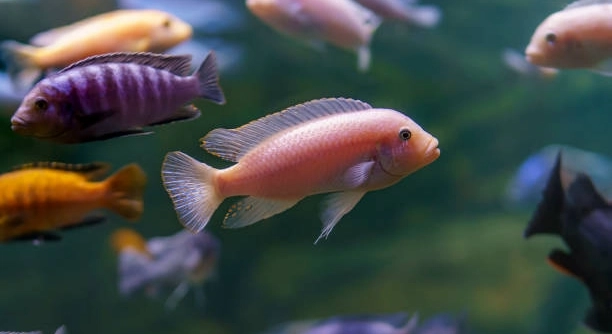
Keeping a single convict cichlid can be a highly satisfying experience for aquarium enthusiasts. These fish display distinct personalities, engaging behaviors, and adapt well to solitary life, making them suitable for both beginners and seasoned hobbyists.
A solitary convict cichlid benefits from reduced aggression and territorial conflicts that often arise in group settings. This setup encourages stable behavior, lowers stress, allows for close observation, and supports healthy growth in a well-maintained aquarium.
By focusing on the care of one fish, aquarists can refine their overall aquarium management skills, creating a calm, balanced, and thriving aquatic environment.
Reduced Aggression in a Solo Tank
Housing a single convict cichlid greatly minimizes aggressive behavior. These fish are naturally territorial and can become hostile when other cichlids enter their space. By keeping only one, you eliminate competition for territory and food, allowing the fish to express natural behaviors without interference. This leads to a calmer, more stable environment and makes observation easier, as movements and habits are not influenced by stress or attacks from tank mates.
A solo tank also simplifies health monitoring, as any changes in behavior or appetite are immediately noticeable. Stress is a major contributor to illness in fish, so reducing aggression directly supports their well-being. Additionally, a single fish reduces the need for complex hiding spots or elaborate tank layouts meant to prevent fights, keeping the aquarium tidy, easier to clean, and less stressful for both the fish and caretaker.
A peaceful environment allows your convict cichlid to thrive without the constant threat of conflict. Observing one fish in a calm tank can be surprisingly engaging: territorial displays, digging behavior, and resting patterns become clearer and more consistent. You also notice subtle preferences, such as favorite spots or hiding areas. Feeding is simpler with no competition, portion control is easier, and water quality management becomes straightforward. Over time, the bond between caretaker and fish strengthens because interactions are predictable and stress-free. Maintaining proper water temperature, filtration, and occasional enrichment like plants or rocks ensures your convict cichlid remains active and healthy, creating a manageable yet stimulating aquarium focused entirely on natural behaviors.
Easier Health Monitoring
Caring for a single fish makes spotting signs of illness much simpler. Changes in appetite, color, or swimming patterns are immediately noticeable, and the absence of tank mates reduces disease spread and stress-related infections. Regular observation becomes a clear routine, allowing you to track growth, behavior, and overall health without distraction.
Any fluctuations in water parameters, such as ammonia spikes or pH changes, directly affect the fish, making it easier to identify and correct problems quickly. Feeding schedules are easier to manage, ensuring proper nutrition without competition. Monitoring a solo convict cichlid also helps establish consistent activity and rest patterns, enabling you to detect small shifts in energy that could signal environmental stress or early signs of illness.
Focused care reduces the likelihood of preventable health issues and promotes long-term well-being. Maintaining one fish instead of several lowers cleaning demands, simplifies water changes, and decreases the risk of introducing pathogens. A solo convict cichlid benefits from this individualized attention, often resulting in a longer, healthier life while making aquarium management straightforward and rewarding.
Easier Tank Maintenance
Keeping a single convict cichlid simplifies tank upkeep. With only one fish, waste production is lower, making water changes less frequent and more manageable. Filters operate efficiently, reducing the risk of ammonia spikes and algae buildup, and the tank remains cleaner overall.
Monitoring water quality is straightforward. Parameters like pH, nitrate, and ammonia are easier to track without fluctuations caused by multiple fish. Cleaning the tank, performing partial water changes, and maintaining equipment like filters, heaters, and pumps become simple tasks. Decorations and substrate stay in better condition since there is less digging and disturbance, ensuring a stable environment with consistent water quality.
Feeding is also easier. Portion control is precise, preventing overfeeding and water contamination. Observing the fish during feeding helps monitor appetite and overall health. With a lower bioload, the tank remains balanced, clean, and healthy, while maintenance is less stressful and more efficient.
Focused Observation and Bonding
Caring for a single convict cichlid allows you to notice its personality, habits, and preferences more clearly than in a group. Subtle behaviors, such as territorial marking, resting patterns, and interaction with decorations, become easier to interpret without competition from other fish.
Tracking changes in activity, appetite, or mood helps you respond quickly to stress or illness. Providing enrichment, like rocks, caves, or plants, is more effective because you can observe which areas the fish prefers. Over time, this focused observation strengthens the bond, as you learn the unique routines and behaviors of your fish.
Daily care becomes more intentional. Feeding, water quality checks, and health monitoring are simpler when signals are clear, and behavioral patterns such as digging or rearranging substrate are easier to understand. Your aquarium management becomes purposeful, creating a secure, engaging environment, while deepening your appreciation for the convict cichlid’s distinct personality.
Less Stress for the Fish
A single convict cichlid experiences lower stress because it does not need to compete for territory or food. Free from rivals, the fish can explore, settle, and display natural behaviors without the constant tension or aggression found in group tanks.
Reduced stress supports overall health. A calm fish is less prone to disease, maintains a steady appetite, and shows consistent activity levels. Its immune system functions more effectively, growth is predictable, and the stable environment allows it to feel secure while interacting naturally with the tank setup. Lower stress enhances both behavior and longevity.
Clear Behavioral Patterns
Keeping one fish makes it easier to observe distinct habits, from digging and rearranging substrate to resting in specific spots. You can identify preferred areas and favored enrichment, such as rocks, caves, or plants. Tracking these behaviors allows you to adjust tank layout, decorations, and feeding routines to better match its natural instincts. Early detection of subtle changes in energy or preferences can indicate health or environmental issues, enabling prompt care. Understanding these patterns strengthens your management practices and helps create a comfortable, stimulating habitat tailored to the fish’s needs.
Efficient Feeding Management
Feeding a single convict cichlid is simple and precise. You can provide the correct portion, prevent overfeeding, and maintain water quality, ensuring the fish receives proper nutrition without waste or competition.
FAQ
How large should the tank be for a single convict cichlid?
A minimum of 20 gallons is recommended for an adult. This provides space for swimming and allows for territories if decorations are added. A larger tank helps maintain stable water parameters and reduces stress.
What is the ideal water temperature?
Convict cichlids thrive between 75°F and 80°F. Consistent temperature is important, as fluctuations can stress the fish. Use a reliable heater and thermometer for stability.
How often should I feed my convict cichlid?
Feed once or twice daily with high-quality cichlid pellets or flakes. Occasional live or frozen foods, such as brine shrimp or bloodworms, provide additional nutrients. Monitor portions to prevent overfeeding and water quality issues.
Can a single convict cichlid live alone happily?
Yes. Solitary housing eliminates aggression, reduces stress, and allows the fish to display natural behaviors. This often results in calmer behavior, better health, and easier observation.
What type of tank decorations are best?
Provide rocks, caves, or PVC pipes for hiding and territory establishment. Hardy plants are suitable, but expect digging or uprooting. Ensure decorations are stable to prevent collapse.
How do I prevent boredom in a single fish?
Add rocks, caves, substrate for digging, and occasionally rearrange decorations. Floating objects and interactive feeding routines also help maintain mental stimulation.
How often should water changes be performed?
Weekly 20-25% water changes are sufficient for a single fish. This keeps ammonia and nitrate levels low and maintains a healthy environment.
Can I keep a single convict cichlid with other fish?
It is possible, but compatibility is crucial. Avoid aggressive or very small fish. Peaceful species that occupy different tank levels can work, but interactions must be monitored carefully.
What signs indicate my fish is stressed?
Rapid breathing, hiding, loss of appetite, faded colors, or erratic swimming are common signs. Early identification allows prompt adjustments to water parameters, tank layout, or feeding routines.
How long does a convict cichlid typically live?
With proper care, 8-10 years is typical. Stable water, proper feeding, and a calm environment contribute to longevity.
Is a single convict cichlid easier to care for than a group?
Yes. Feeding, water maintenance, and health monitoring are simpler. Behavior is predictable, stress is reduced, and the aquarium remains stable and healthy.
Do convict cichlids require special lighting?
No special lighting is needed. Moderate aquarium lighting that mimics day-night cycles is ideal. Bright light can stress the fish, but normal lighting supports plant growth and natural behaviors.
How do I handle tank cleaning with one fish?
Cleaning is easier and less stressful for the fish. Removing uneaten food, checking filters, and performing partial water changes are straightforward.
Can I breed a convict cichlid alone?
No, breeding requires a compatible pair. A single fish allows you to focus on health and observe behaviors, which is useful if you plan to add a mate later.
What is the best diet for long-term health?
A mix of high-quality pellets, occasional live or frozen foods, and some vegetables like blanched spinach or peas supports optimal growth and overall health.
How do I introduce a single convict cichlid to a new tank?
Acclimate slowly using a drip method or by floating the bag in the tank. Gradually mix tank water into the bag to prevent stress from sudden changes. Release gently and monitor behavior.
Are convicts prone to disease?
They are generally hardy but can develop freshwater illnesses like ich or fin rot if water quality is poor. Clean tanks, proper feeding, and stable water reduce risks.
Can a single fish recognize its caretaker?
Yes. They can become familiar with feeding routines and may respond to human presence, approaching during feeding times.
What is the recommended filtration for a single convict cichlid?
Use a filter rated for the tank volume. Moderate flow is sufficient, and regular maintenance ensures clean water without stressing the fish.
How often should I test water parameters?
Weekly testing of pH, ammonia, nitrite, and nitrate is recommended. A single fish makes changes more noticeable, helping maintain a stable environment.
Is it okay if my fish digs in the substrate?
Yes, digging is natural. Provide sufficient substrate and hiding spots, and allow occasional rearrangement for stimulation.
Can I use artificial plants?
Yes. Artificial plants are durable, provide hiding spots, and reduce stress. Ensure they are anchored securely and free of sharp edges.
Do single convict cichlids interact with decorations?
Yes. They explore, rearrange, and guard objects in their territory, which provides mental stimulation and allows natural behaviors.
How long should daily observation last?
10-15 minutes daily is sufficient to monitor behavior, feeding, and activity patterns for early signs of stress or illness.
What is the ideal pH for a single convict cichlid?
A pH range of 6.5 to 8.0 is suitable. Consistency prevents stress and supports metabolism and digestion.
Can I use a heater in a small tank with one fish?
Yes. Small tanks are prone to rapid temperature changes, so a reliable heater ensures comfort and prevents stress-related health issues.
Are convicts aggressive toward humans?
No. Territorial behavior is directed at tank mates, not people. They may approach during feeding but remain calm.
Can I add live plants later?
Yes, choose hardy species that tolerate digging. Plants improve water quality, offer hiding spots, and provide enrichment.
Is a single fish suitable for a beginner?
Yes. Solitary housing simplifies feeding, cleaning, and health monitoring while reducing aggression and stress.
How do I prevent jumping?
Use a secure lid or hood. Convict cichlids may jump when startled or stressed.
Do convict cichlids need a special substrate?
Sand or fine gravel works best for digging. Avoid sharp materials and ensure substrate supports decorations.
Can I keep one for breeding later?
Yes. Observing a single fish allows you to monitor health and behavior before introducing a mate.
How much space should enrichment occupy?
Decorations should provide hiding and stimulation but leave open swimming space for exercise and natural behavior.
Are single fish less aggressive than groups?
Yes. Aggression is minimized, and the fish can explore and interact safely.
How do I introduce a single convict cichlid to an existing tank?
Quarantine first to prevent disease. Introduce slowly, using a divider if needed, and monitor interactions closely.
What water hardness is best?
Moderate hardness (GH 6-15 dGH) supports osmoregulation, digestion, and overall health.
Can a single convict cichlid recognize feeding times?
Yes. Regular feeding builds routines and encourages natural behaviors.
Is aeration necessary?
Not strictly, if the tank is well-filtered. Proper filtration and surface movement usually maintain adequate oxygen.
How do I handle illness in a single fish?
Early detection is key. Adjust water parameters, isolate if necessary, and provide treatment promptly.
Can single cichlids interact with objects?
Yes. They explore, dig, and guard decorations, providing mental stimulation and expressing natural behaviors.
Can they live in a small office tank?
Yes, with a minimum 20-gallon tank, proper filtration, temperature control, and enrichment.
Are they compatible with other cichlids?
Depends on temperament and tank size. Avoid aggressive species; peaceful species may coexist with careful monitoring.
How do I maintain water clarity?
Partial water changes, proper filtration, and avoiding overfeeding keep water clear.
Can they be aggressive toward decorations?
Yes, they may dig, move, or guard objects. Stable decorations reduce risk and satisfy natural instincts.
Are single fish suitable for apartments?
Yes. Minimal space, simpler care, and reduced stress make them ideal for small living spaces.
How often should filters be cleaned?
Monthly is usually sufficient. Rinse media in tank water to preserve beneficial bacteria.
Can I use tap water?
Yes, but treat with a dechlorinator and monitor parameters.
Are single convict cichlids more active?
Yes. Activity is more consistent since there’s no competition or harassment.
What is the best lighting schedule?
8-10 hours of light daily mimics natural cycles and supports plants and fish behavior.
Can I rearrange decorations?
Yes. Occasional changes prevent boredom and stimulate exploration.
Do they need companions for mental stimulation?
No. Decorations, substrate, and feeding routines provide sufficient enrichment.
How long does acclimation take?
1-2 hours with drip method or gradual water mixing minimizes stress.
What if my fish becomes lethargic?
Check water parameters, temperature, and diet. Correct issues promptly to restore health.
Can a single convict cichlid learn routines?
Yes. Consistent feeding and observation help them adapt and exhibit predictable behavior.
Do they need quarantine?
Yes, even a single fish should be quarantined before entering the main tank.
How do I prevent boredom?
Use substrate, caves, rocks, rearrangements, and interactive feeding to stimulate activity.
Is it easy to monitor breeding potential?
Yes. Observing one fish allows detailed tracking of health, behavior, and maturity.
Can I add snails or shrimp?
Snails may be eaten, and shrimp stressed. Non-living decorations are safer for enrichment.
How do I handle sudden water changes?
Act quickly to adjust parameters and perform partial changes. Sudden fluctuations cause stress.
Do they appreciate hiding spots?
Yes. Caves, rocks, and dense areas reduce stress and allow natural territorial behavior.
How much space around decorations is needed?
Leave open swimming areas while providing accessible hiding spots for security and activity.
Are they suitable for office or study environments?
Yes. Minimal space and simple care make them ideal for small workspaces.
Can they become bored with routine?
Yes. Occasional enrichment changes and interaction maintain mental stimulation.
What is the maximum size?
Adults typically reach 4-6 inches. Adequate tank space ensures healthy growth.
Do they need water conditioners?
Yes, especially with tap water, to remove chlorine and heavy metals.
Can they be aggressive toward new objects?
Yes, territorial behavior may extend to decorations. Multiple hiding spots reduce aggression.
Is monitoring easier than with multiple fish?
Yes. Health, behavior, and feeding are easier to track with a single fish.
How often should I observe them?
10-15 minutes daily is sufficient to detect early signs of stress, illness, or behavioral changes.
Can they live with bottom dwellers?
Peaceful bottom dwellers may coexist, but careful selection and monitoring are required.
Do they react to reflections?
Yes, they may display territorial behavior toward reflections. Break up reflective surfaces with decorations.
Is it better to keep one or two?
For beginners or low-maintenance setups, a single fish is easier to manage. Two can lead to aggression and complex care.
What water changes are safest?
Weekly 20-25% partial changes maintain stability and support health.
Can they live in a planted tank?
Yes, with hardy, secured plants. Plants provide enrichment, hiding spots, and improve water quality.
Do single convict cichlids show personality?
Yes. Individual behaviors, preferences, and routines are more noticeable in solitude.
Is a single convict cichlid suitable for beginners?
Yes. Solo care simplifies feeding, cleaning, and health monitoring while reducing stress and aggression.
Final Thoughts
Keeping a single convict cichlid can be highly rewarding. These fish are naturally territorial and can be aggressive, so housing just one eliminates conflicts and reduces stress. A solitary setup allows the fish to behave naturally without constant competition for food or space, making it easier to observe their behavior, notice subtle changes, and enjoy their unique personality. It also simplifies tank arrangements, as there is no need to create multiple territories or provide hiding spots for several aggressive fish.
Caring for a solo convict cichlid is straightforward. Feeding is simple, with precise portions for one fish, preventing overfeeding and maintaining water quality. Tank maintenance is easier because fewer fish produce less waste, reducing the frequency of water changes and filter cleaning. Monitoring water parameters like pH, ammonia, and nitrate becomes more manageable, and any changes in the fish’s health or behavior are quickly noticeable. With less stress and competition, the fish tends to have a stronger immune system and a calmer temperament. A single fish also allows focused enrichment, such as rocks, caves, and substrate, encouraging natural digging and exploration behaviors without overcrowding.
Observing a solitary convict cichlid over time can be particularly rewarding. Patterns in behavior, feeding habits, and preferences become clear, and the fish develops routines and familiarity with its environment. While some hobbyists may enjoy keeping groups of cichlids, a single convict provides a peaceful, controlled aquarium that is easier to manage. Overall, keeping one convict cichlid offers focused care, reduced stress, and a healthier, calmer fish, making it an excellent choice for anyone seeking a simple, enjoyable, and low-conflict aquarium setup where the fish can fully display its personality.
Keeping a single convict cichlid can be a rewarding experience for aquarium enthusiasts. These fish have unique personalities, interesting behaviors, and adapt well to solitary environments, making them suitable for both beginners and experienced fish keepers.
A single convict cichlid thrives in isolation because it avoids aggression and territorial disputes common in groups. This approach promotes stable behavior, reduces stress, allows focused observation, and supports optimal growth and health in a controlled aquarium setting.
Learning how to care for one fish properly can improve your overall aquarium management skills and create a more peaceful, balanced aquatic environment.
Reduced Aggression in a Solo Tank
Keeping a single convict cichlid significantly lowers the chances of aggressive encounters. These fish are naturally territorial and can become hostile when other cichlids enter their space. By housing only one, you remove the constant competition for territory and food. This setup allows the fish to display natural behaviors without interference, leading to a calmer, more stable environment. Observing them becomes easier because their movements and habits are not influenced by stress or attacks from tank mates. A solo tank also simplifies monitoring their health, as any changes in behavior or appetite are immediately noticeable. Stress is a leading factor in disease among fish, so reducing aggression directly supports their well-being. In addition, maintaining a single convict cichlid reduces the need for complex hiding spots or elaborate tank layouts designed to prevent fights. The tank remains tidy, easier to clean, and less stressful for both the fish and caretaker.
A peaceful environment allows your convict cichlid to behave naturally and thrive without the constant threat of conflict or intimidation from others.
Observing one fish in a calm tank can be surprisingly engaging. Their territorial displays, digging behavior, and even resting patterns become clearer and more consistent. You notice subtle changes in their moods and preferences, like favorite spots in the tank or preferred hiding areas. Feeding becomes more straightforward since there is no competition, and portion control is simpler to manage. A single fish also reduces the need for constant adjustments to water quality caused by overstocking or aggressive encounters. Over time, the bond you develop with your fish is stronger because interactions are predictable and stress-free. Maintaining proper water temperature, filtration, and occasional enrichment like plants or rocks ensures the fish remains active and healthy. This setup is ideal for anyone wanting a manageable yet stimulating aquarium, where the focus is entirely on observing natural behaviors without interference from tank mates.
Easier Health Monitoring
With only one fish, spotting signs of illness is much simpler. Changes in appetite, color, or swimming patterns are immediately noticeable.
Solo housing reduces disease spread since there is no contact with other fish, limiting stress-related infections. Regular observation becomes a straightforward routine. You can track their growth, behavior, and general health without distractions. Any water parameter issues, such as ammonia spikes or pH fluctuations, directly affect the fish, making it easier to identify and correct problems quickly. Feeding schedules are also easier to manage, and you can ensure the fish receives proper nutrition without competition.
In addition, monitoring a single convict cichlid helps establish consistent patterns for activity and rest. You can notice small shifts in energy levels, which may indicate environmental stress or early signs of illness. Tracking their behavior over time also allows you to optimize tank conditions, from temperature adjustments to water flow and decoration placement. This focused care reduces the likelihood of preventable health issues and promotes long-term well-being. Maintaining one fish rather than several reduces cleaning demands, simplifies water changes, and decreases the chance of introducing new pathogens. A solo convict cichlid benefits from this attentive, individualized care, often resulting in a longer, healthier life while making aquarium management straightforward and rewarding.
Easier Tank Maintenance
A single convict cichlid produces less waste, making water changes simpler and less frequent. Fewer fish means filters work efficiently, and the tank stays cleaner, reducing the risk of algae buildup or harmful ammonia spikes.
With only one fish, monitoring water quality becomes much easier. You can keep track of parameters like pH, nitrate, and ammonia without worrying about fluctuations caused by multiple fish. Cleaning the tank, performing partial water changes, and checking the filter are straightforward tasks. Decorations and substrate are easier to maintain because there is less digging and disturbance. The overall upkeep feels manageable, and the fish benefits from a stable environment with consistent water quality.
Feeding is also simpler. You can control portions accurately, preventing overfeeding that can harm water quality. Observing the fish during feeding helps track appetite and health. Tank equipment like heaters, pumps, and filters work optimally because the bioload is low. A single fish allows you to plan tank maintenance efficiently and reduces the stress of managing multiple aggressive cichlids. This setup ensures a balanced, clean, and healthy habitat.
Focused Observation and Bonding
Spending time with one convict cichlid allows you to notice its personality, habits, and preferences more clearly than in a group setting. Observations become meaningful and engaging.
You can watch subtle behaviors like territorial marking, resting patterns, and interaction with decorations. Each action is easy to interpret because there are no competing fish. Tracking changes in activity, appetite, or mood helps you understand its needs better and respond quickly to stress or illness. Providing enrichment, such as rocks, caves, or plants, becomes more effective because you can see which areas the fish prefers. The bond grows as you recognize routines and behaviors unique to your fish.
Focused observation improves care routines. You can identify preferred feeding spots, swimming patterns, and hiding habits, ensuring the fish feels secure. Water quality checks and health monitoring become simpler because the signals are clear. Behavioral patterns, such as digging or rearranging substrate, are easier to understand and respond to. Your aquarium management becomes more intentional, and the fish enjoys a well-maintained, engaging environment. Daily interactions feel rewarding, and you develop a deeper appreciation for the convict cichlid’s distinct personality and habits.
Less Stress for the Fish
A single convict cichlid experiences lower stress because it does not have to compete for territory or food. Without rivals, the fish can explore and settle comfortably, showing natural behaviors without constant tension or aggression from tank mates.
Lower stress directly supports health. A calm fish is less prone to illness, maintains a healthy appetite, and exhibits consistent activity levels. Its immune system functions better, and growth is more predictable. The environment becomes stable, allowing the fish to feel secure and interact naturally with the tank setup. Stress reduction improves both behavior and overall longevity.
Clear Behavioral Patterns
Observing one fish helps identify distinct habits, from digging and rearranging substrate to resting in specific spots. You can see which areas it favors and which enrichment it enjoys most. Behavioral patterns are easier to track, allowing adjustments in tank layout, decorations, and feeding routines. Consistency in observing these patterns ensures the fish’s environment meets its natural instincts. You can notice small changes early, such as shifts in energy or preference, which indicate health or environmental concerns. Understanding these behaviors strengthens care practices and helps create a more comfortable and stimulating habitat tailored to the fish’s needs.
Efficient Feeding Management
Feeding a single convict cichlid is straightforward. You can provide the correct portion without waste, ensuring proper nutrition and clean water.
FAQ
How large should the tank be for a single convict cichlid?
A tank of at least 20 gallons is recommended for one adult convict cichlid. This provides enough swimming space and allows for territories if decorations are added. A larger tank helps maintain stable water parameters and reduces stress by giving the fish room to explore freely.
What is the ideal water temperature?
Convict cichlids thrive in water between 75°F and 80°F. Maintaining a stable temperature is important because sudden fluctuations can stress the fish and reduce immunity. Using a reliable heater and thermometer ensures consistency and promotes healthy behavior and growth.
How often should I feed my convict cichlid?
Feeding once or twice daily with high-quality cichlid pellets or flakes works well. Supplementing with occasional live or frozen foods, like brine shrimp or bloodworms, provides extra nutrients. Monitor portion sizes carefully to prevent overfeeding and water quality issues.
Can a single convict cichlid live alone happily?
Yes, these fish can live contently alone. While they are territorial, keeping one eliminates aggression and allows the fish to display natural behaviors. Solitary housing often results in calmer behavior, better health, and easier observation.
What type of tank decorations are best?
Provide hiding spots with rocks, caves, or PVC pipes. These allow the fish to establish a territory and feel secure. Plants can be added, but hardy varieties are recommended since convict cichlids may dig or uproot them. Decorations should be stable to prevent collapses.
How do I prevent boredom in a single fish?
Adding rocks, caves, and substrate to dig keeps the fish engaged. Rearranging decorations occasionally or adding floating objects can also stimulate activity. Interaction through feeding routines and careful observation helps maintain mental stimulation.
How often should water changes be performed?
For a single convict cichlid, performing 20-25% water changes weekly is sufficient. This keeps ammonia and nitrate levels low and ensures a healthy environment. Using a siphon during changes also helps clean debris from the substrate.
Can I keep a single convict cichlid with other fish?
It is possible, but careful selection is required. Avoid other aggressive or small fish that could be bullied. Peaceful, larger species that occupy different tank levels are more compatible. Monitoring interactions is essential to prevent stress or injury.
What signs indicate my fish is stressed?
Stress signs include rapid breathing, hiding constantly, loss of appetite, faded colors, or erratic swimming. Identifying stress early allows for adjustments to water parameters, tank layout, or feeding routines to improve conditions.
How long does a convict cichlid typically live?
With proper care, a convict cichlid can live 8-10 years. Stable water conditions, proper feeding, and a calm environment contribute to longevity. Monitoring health regularly ensures the fish remains active and strong throughout its life.
Is a single convict cichlid easier to care for than a group?
Yes, managing one fish simplifies feeding, water maintenance, and health monitoring. The absence of aggression and competition makes behavior easier to understand. It also reduces stress for both the fish and caretaker while promoting a stable and healthy aquarium environment.
Do convict cichlids require special lighting?
Normal aquarium lighting is sufficient. Too much bright light may stress the fish, so moderate lighting that mimics natural day-night cycles is ideal. Light also helps live plants grow, which can enhance the habitat and provide enrichment for the fish.
How do I handle tank cleaning with one fish?
Cleaning is easier with a single fish. Removing uneaten food, checking filters, and performing partial water changes are more manageable. The fish is less likely to be stressed during cleaning because it doesn’t have to compete for space with others, and maintenance can be done efficiently.
Can I breed a convict cichlid alone?
No, breeding requires a compatible pair. A single fish will not reproduce on its own. However, keeping one allows you to focus on its health and observe natural behaviors, which is helpful if you plan to add a mate later for breeding purposes.
What is the best diet for long-term health?
A mix of high-quality pellets, occasional live or frozen foods, and some vegetables like blanched spinach or peas supports optimal growth. Balanced nutrition helps maintain vibrant colors, strong immune function, and consistent activity levels over time.
How do I introduce a single convict cichlid to a new tank?
Acclimate the fish slowly using a drip method or floating the bag in the tank. Gradually mix tank water into the bag to reduce stress from sudden changes in temperature or chemistry. Once acclimated, release the fish gently and monitor its behavior for the first hours.
Are convicts prone to disease?
Convict cichlids are generally hardy but can develop common freshwater illnesses like ich or fin rot if water quality is poor. Keeping the tank clean, feeding properly, and maintaining stable water conditions minimizes the risk of disease and promotes longevity.
Can a single fish recognize its caretaker?
Yes, convict cichlids can become familiar with feeding routines and human presence. They may approach the tank during feeding times or react to consistent interactions. This recognition is subtle but noticeable with regular observation and care.
What is the recommended filtration for a single convict cichlid?
A filter rated for at least the tank’s volume is ideal. Moderate flow is sufficient, as high currents may stress the fish. Regular filter maintenance ensures water stays clean, supporting health and reducing the risk of stress-related problems.
How often should I test water parameters?
Weekly testing of pH, ammonia, nitrite, and nitrate is recommended. A single fish makes changes more noticeable, and regular testing ensures the environment remains stable, preventing potential health issues caused by chemical imbalances.
Is it okay if my fish digs in the substrate?
Yes, digging is natural behavior. Provide sufficient substrate and hiding spots to satisfy this instinct. Occasional rearrangement of decorations may prevent stress or boredom while allowing the fish to express normal behavior safely.
Can I use artificial plants with a single convict cichlid?
Artificial plants are suitable since convicts may uproot real plants while digging. They provide hiding spots and reduce stress. Ensure plants are securely anchored and do not have sharp edges that could harm the fish.
Do single convict cichlids interact with decorations?
Yes, they explore, rearrange, and sometimes guard objects in their territory. Providing caves, rocks, and substrate enhances mental stimulation and allows them to display natural behaviors without stress or conflict.
How long should daily observation last?
Short daily observation of 10-15 minutes is enough. Watching behavior, feeding, and activity patterns helps detect early signs of stress, illness, or water issues, ensuring timely adjustments for the fish’s health and comfort.
What is the ideal pH for a single convict cichlid?
A pH range of 6.5 to 8.0 is suitable. Maintaining consistent pH prevents stress and supports digestion and metabolism. Minor fluctuations are tolerable but large swings should be avoided for long-term health.
Can I use a heater in a small tank with one fish?
Yes, a heater is recommended to maintain stable temperature. Small tanks are more prone to rapid temperature changes, so a reliable heater ensures comfort, supports metabolism, and prevents stress-related health issues.
Are convicts aggressive toward humans?
No, convict cichlids are not aggressive toward people. They may approach during feeding but remain calm. Their territorial behavior is limited to tank mates and does not extend to human interaction.
Can I add live plants later if I keep one fish?
Yes, adding hardy live plants is possible. Choose varieties that tolerate digging and occasional disturbance. Plants can improve water quality, offer hiding spots, and provide enrichment for the fish.
Is a single fish suitable for a beginner?
Yes, a single convict cichlid is easier to manage than a group. Feeding, cleaning, and monitoring health are simpler, making it ideal for someone starting with cichlids. Reduced aggression and lower stress make care more manageable while still being rewarding.
How do I prevent the fish from jumping out?
A secure lid or hood is essential. Convict cichlids can jump when stressed or startled. Ensuring the tank is covered protects the fish and prevents accidents, especially during maintenance or sudden disturbances.
Do convict cichlids need a special substrate?
Sand or fine gravel is best since it allows natural digging behavior. Avoid sharp or rough materials that could injure the fish. Substrate also supports decoration stability and provides enrichment opportunities.
Can I keep one convict cichlid for breeding later?
Yes, keeping one allows focused care and observation. When ready, you can introduce a compatible mate for breeding, ensuring both fish are healthy, comfortable, and properly acclimated.
How much space is needed for enrichment items?
Decorations should occupy part of the tank but leave open swimming space. This balance ensures the fish can express natural behaviors without feeling confined, promoting physical activity and mental stimulation.
Are single fish less aggressive than groups?
Yes, aggression is minimized. Territorial disputes and competition for food are eliminated, resulting in a calmer, more predictable behavior pattern. The fish can focus on exploring and interacting with its environment safely.
How do I introduce a single convict cichlid to an existing tank?
If adding to a tank with other fish, quarantine first to prevent disease. Introduce slowly using a divider if needed, and monitor interactions to prevent stress or aggression. Solo introduction is easiest in an empty tank with prepared hiding spots.
What is the best water hardness for a single convict cichlid?
Moderate hardness is ideal, with general hardness (GH) between 6-15 dGH. Stable hardness supports osmoregulation, digestion, and overall health. Avoid sudden changes that could stress the fish.
Can a single convict cichlid recognize feeding times?
Yes, they learn schedules quickly. Regular feeding at consistent times builds a routine, reduces stress, and encourages natural behaviors such as swimming to feeding spots and anticipating food.
Is it necessary to aerate a tank with one fish?
Aeration improves oxygen levels but is not strictly necessary if the tank is well-filtered and has moderate water movement. Proper filtration and surface agitation usually maintain adequate oxygen for a single convict cichlid.
How do I handle illness in a single fish?
Early detection is key. Isolate the fish if needed, adjust water parameters, and provide treatment according to symptoms. Prompt action ensures recovery and prevents prolonged stress or worsening of the condition.
Do single convict cichlids interact with objects in the tank?
Yes, they explore, guard, and sometimes dig around decorations. Providing caves, rocks, and substrate allows them to express natural behaviors safely, keeping them active and mentally stimulated.
Can I keep a single convict cichlid in a small office tank?
Yes, if the tank is at least 20 gallons with proper filtration, temperature control, and enrichment. A solitary convict cichlid can thrive in smaller spaces while still displaying natural behaviors and staying healthy.
Is a single convict cichlid compatible with other cichlid species?
Compatibility depends on temperament and tank size. Aggressive species may cause stress, while peaceful or larger species occupying different areas may coexist. Careful observation and proper planning are required.
How do I maintain water clarity for one fish?
Regular partial water changes, proper filtration, and avoiding overfeeding keep water clear. Observing waste levels and debris allows adjustments in cleaning routines, ensuring a healthy, visually appealing tank environment.
Can a single convict cichlid be aggressive toward decorations?
Yes, they may dig, move, or guard objects. Providing stable rocks, caves, and substrate helps satisfy natural instincts without damaging the tank or risking injury. Regular observation ensures the setup remains safe.
Is a single convict cichlid suitable for small apartments?
Yes, a single fish requires minimal space and equipment compared to groups. Care remains manageable, stress is reduced, and the fish displays natural behaviors, making it ideal for small living spaces with proper tank setup.
How often should I clean the filter for a single fish?
Monthly cleaning is usually sufficient. Rinse filter media in tank water to preserve beneficial bacteria. Regular maintenance ensures proper water flow and filtration without disrupting the biological balance.
Can I use tap water for a single convict cichlid?
Yes, but treat it with a dechlorinator and monitor parameters. Tap water is safe if pH, hardness, and chemical levels are within acceptable ranges. Conditioning prevents stress or chemical burns.
Are single convict cichlids more active than those in groups?
Activity can appear more consistent since there is no competition or harassment. Observing a solitary fish allows you to see natural swimming, digging, and resting patterns without interference from other fish.
What is the best lighting schedule?
Providing 8-10 hours of light daily mimics natural day-night cycles. Consistent lighting supports plant growth and helps regulate the fish’s behavior, feeding patterns, and sleep cycle.
Can I rearrange decorations for a single fish?
Yes, occasional changes prevent boredom and provide stimulation. Rearranging rocks, caves, or plants encourages exploration and activity while maintaining safe, stable structures for the fish to interact with.
Do single convict cichlids need companions for mental stimulation?
No, enrichment from decorations, substrate, and feeding routines is sufficient. A solitary fish can remain mentally active and healthy without other fish, as long as the environment provides opportunities to explore and express natural behaviors.
How long does acclimation take for a new fish?
Typically 1-2 hours using a drip method or gradual water mixing. Slow acclimation minimizes stress from temperature or chemistry changes, allowing the fish to adjust comfortably before release into the tank.
What should I do if my fish becomes lethargic?
Check water parameters, temperature, and diet first. Lethargy may indicate stress, illness, or environmental issues. Correcting conditions promptly and monitoring recovery ensures the fish regains energy and health.
Can a single convict cichlid learn routines?
Yes, regular feeding, interaction, and observation create predictable patterns. The fish adapts to daily schedules, responds to caretakers, and exhibits consistent behavior, making care more manageable and rewarding.
Do single convict cichlids need a quarantine period?
Yes, quarantining new fish prevents disease introduction. Even a single fish benefits from isolation before entering the main tank to ensure it is healthy and parasite-free.
How do I prevent boredom with one fish?
Use substrate, caves, rocks, and occasional decoration changes. Interactive feeding and observing natural behaviors also stimulate activity. A varied environment keeps the fish mentally engaged and reduces stress.
Is a single convict cichlid easy to monitor for breeding potential?
Yes, observing one fish allows detailed tracking of health, behavior, and maturity. You can identify readiness for pairing without interference or competition from other fish, ensuring better breeding outcomes.
Can I add snails or shrimp with a single convict cichlid?
Snails may be eaten, and shrimp can be stressed or attacked. Carefully select tank mates and monitor interactions. If enrichment is the goal, non-living decorations are safer alternatives.
How do I handle sudden water parameter changes?
Act quickly by performing partial water changes, adjusting pH, or using conditioners. Sudden fluctuations cause stress, so monitoring and correcting parameters promptly protects health.
Do single convict cichlids appreciate hiding spots?
Yes, caves, rocks, and dense areas help the fish feel secure. Hiding spots reduce stress, allow natural territorial behavior, and provide retreat spaces during feeding or maintenance activities.
How much space is needed around decorations?
Leave swimming room while ensuring hiding spots are accessible. Open areas encourage exercise, while secure spaces allow natural behavior. Balance prevents overcrowding and promotes health and activity.
Is a single convict cichlid suitable for office or study environments?
Yes, minimal space and straightforward care make them ideal. Observing natural behavior is engaging, and a single fish reduces maintenance, making them practical for small workspaces.
Can single convict cichlids become bored with routine?
Yes, occasional enrichment changes, substrate digging, and rearranging decorations help maintain mental stimulation. Consistent observation also allows caretakers to introduce subtle environmental adjustments to keep the fish engaged.
What is the maximum size for a single convict cichlid?
Adult convicts typically reach 4-6 inches. Providing adequate tank space ensures they can grow without stress or health issues related to confinement or competition.
Do single fish need water conditioners?
Yes, especially for tap water. Conditioners remove chlorine, chloramine, and heavy metals, protecting the fish from stress, chemical burns, or long-term health problems.
Can a single convict cichlid be aggressive toward new tank objects?
Yes, territorial behavior may extend to rocks or decorations. Providing multiple hiding spots and stable structures reduces aggression and allows the fish to explore safely.
Is monitoring one fish easier than multiple?
Yes, tracking health, behavior, and feeding is simpler. Changes are more apparent, maintenance is manageable, and stress from competition is eliminated, resulting in a healthier, calmer environment.
How often should I observe a single convict cichlid?
Daily short sessions of 10-15 minutes are sufficient. Regular observation helps detect early signs of illness, stress, or changes in behavior, allowing timely adjustments to care routines.
Can I house a single convict cichlid with bottom dwellers?
Peaceful bottom dwellers that occupy different areas of the tank may coexist. Careful selection and monitoring prevent territorial disputes or stress. Avoid aggressive species that share similar space.
Do single convict cichlids interact with reflections in the tank?
Yes, some may display territorial behavior toward their reflection. This is normal and can be mitigated by providing hiding spots and decorations to break up reflective surfaces.
Is it better to keep one or two cichlids together?
For beginners or low-maintenance setups, a single fish is easier to manage. Two can lead to aggression, competition, and more complicated care requirements. Solo housing simplifies observation and reduces stress.
What water changes are safest for one convict cichlid?
Partial changes of 20-25% weekly maintain stability. This prevents stress from sudden shifts and ensures consistent water quality, supporting health, activity, and long-term well-being.
Can I keep one convict cichlid in a planted tank?
Yes, choose hardy plants and secure them well. The fish may dig, but plants provide enrichment, hiding spots, and improve water quality. Observation ensures plants remain intact and safe.
Do single convict cichlids show personality?
Yes, individuality is more noticeable in solitude. You can track preferences for hiding, swimming areas, and feeding routines, making care more engaging and rewarding.
Is a single convict cichlid suitable for beginners?
Yes, it simplifies feeding, cleaning, and health monitoring. Aggression
Final Thoughts
Keeping a single convict cichlid can be a very rewarding experience. These fish are naturally territorial and sometimes aggressive, so having only one reduces conflicts and stress. A solitary setup allows the fish to behave naturally without constant competition for food or space. This makes it easier to observe their behavior, notice subtle changes, and enjoy the fish’s personality. A single fish also requires less complicated tank arrangements because you do not need to create multiple territories or worry about hiding spots for multiple aggressive fish.
A solo convict cichlid is easier to care for in many ways. Feeding is simple because you only need to provide the right portion for one fish, preventing overfeeding and water quality issues. Tank maintenance becomes more manageable, as fewer fish produce less waste, reducing the frequency of water changes and filter cleaning. Monitoring water parameters like pH, ammonia, and nitrate is more straightforward, and changes in the fish’s health or behavior are easy to detect. With less stress and competition, the fish tends to have a stronger immune system and a calmer disposition. A single fish also allows more focused enrichment, such as rocks, caves, and substrate, to encourage natural digging and exploration behaviors without overcrowding the tank.
Observing a single convict cichlid over time can also be very rewarding. You begin to notice patterns in behavior, feeding habits, and preferences that might be difficult to detect in a community or pair setup. The fish develops routines and becomes familiar with its environment, which can make care feel more predictable and satisfying. While some people may enjoy keeping groups of cichlids, a single convict allows for a peaceful and controlled aquarium that is easier to manage and maintain. Overall, keeping just one convict cichlid provides an opportunity for focused care, reduced stress, and a healthier, calmer fish. It is a practical choice for anyone looking for a straightforward, enjoyable, and low-conflict aquarium setup that still allows the fish to show its full personality.

Hello,
If you enjoy the content that we create, please consider saying a "Thank You!" by leaving a tip.
Every little bit helps us continue crafting quality advice that supports the health, happiness, and well-being of pets around the world, for pets of all shapes, sizes, and species.
We really appreciate the kindness and support that you show us!