
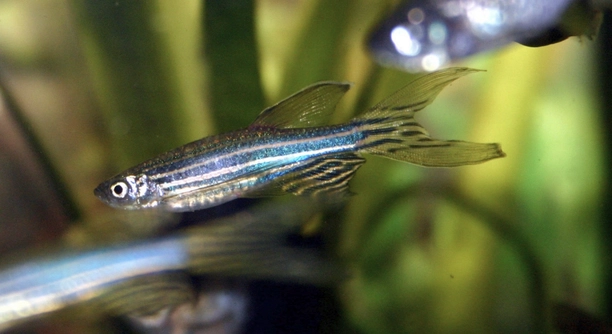
Is your zebra danio refusing to swim with the rest of its group, leaving you concerned about its behavior and well-being?
A zebra danio that won’t school may be experiencing stress, illness, or environmental discomfort. Addressing tank conditions, checking for signs of disease, and observing tank dynamics can help identify and resolve the underlying cause.
Understanding the reasons behind this behavior can help you create a better environment and improve your fish’s overall health and comfort.
Why Your Zebra Danio Might Be Isolating Itself
Zebra danios are known for being active and social fish, so when one separates itself, it’s often a sign that something is wrong. One common reason is stress, which can come from poor water quality, sudden changes in the tank, or aggressive tank mates. Illness can also cause a danio to behave differently, especially if it feels weak or threatened. Another possibility is that the tank setup lacks hiding spots or enough space, making some fish feel uncomfortable or unsafe. Even lighting that is too bright or inconsistent water temperature can affect their behavior. If your danio was recently added to the tank, it may also need more time to adjust. Watching its interactions and making small changes to the environment can help. Keep a close eye on any other unusual signs like a loss of appetite, erratic swimming, or faded colors, as these can point to health problems.
Sometimes a fish just needs more time to get used to its surroundings. Giving it space while keeping conditions steady can help.
Observing your tank closely over several days can provide useful clues. Look at how your danio reacts to others, whether it hides often, or shows signs of illness. Even small changes in behavior matter.
How to Help Your Danio Feel Comfortable
Begin by testing your water for ammonia, nitrite, nitrate, and pH levels. Poor water quality is often the main source of stress.
A clean, stable tank environment makes a big difference in your zebra danio’s behavior. Make sure the tank is at least 10 gallons, with proper filtration and gentle water flow. Add plants, rocks, or decorations to create hiding spots, helping the fish feel more secure. Avoid sudden water changes and keep the temperature between 72°F and 78°F. If other fish are bullying the danio, consider rearranging the tank layout to disrupt established territories or even separating aggressive fish. Feeding your danios at regular times and with a balanced diet can also improve their overall health. If illness is suspected, quarantine the affected fish and treat with appropriate medications after researching or consulting a specialist. Sometimes, simply being patient is key. Give your danio time, provide calm surroundings, and keep a close watch for any changes. Small adjustments can lead to big improvements over time.
Adjusting Tank Dynamics for Better Social Behavior
Sometimes one fish may be getting picked on without it being obvious at first. Watching interactions during feeding or resting times can show you if a certain fish is being too aggressive or territorial toward the one that isolates.
If aggression is noticed, try rearranging the tank decorations to break up territories and give your danios a fresh layout. This often helps reduce aggressive behavior and gives the isolated fish a better chance to rejoin the group. You can also add a few more zebra danios if your group is too small. They do better in groups of at least six, and larger groups often ease social tension. When adding new fish, make sure to quarantine them first to avoid spreading illness. It’s also important to keep an eye on feeding routines—make sure all the fish get their share and that none are being left out.
Another thing to watch for is how strong the filter current is. Zebra danios like movement, but if the water flow is too powerful, it can push some fish away from where the rest like to swim. This might be why your fish is off to the side or hiding. Try adjusting the filter to create calm and active areas so every fish has space. Providing more visual breaks in the tank—like tall plants or driftwood—also makes the space feel more secure. If one fish can take cover while still seeing the group, it may feel safer and more likely to join again over time. Keep making small changes and check if your fish responds positively.
Watching for Subtle Health Issues
A zebra danio that stays away from the group might be feeling unwell, even if there are no clear signs. Early symptoms like slow swimming or clamped fins can be easy to miss but are still important.
If the fish has faded colors, a thin body, or avoids food, it’s best to separate it. A quarantine tank helps prevent illness from spreading and gives the fish a calmer space to recover.
When Adding New Danios to the Tank
Introducing new zebra danios can sometimes shake up the group, especially if the tank is already small or the balance is fragile. When adding new fish, do it slowly. Let them adjust to the water temperature and chemistry first, using a drip method or floating their bag for a while. Always quarantine new arrivals for at least two weeks before adding them to the main tank. This helps avoid spreading disease and lets you observe any odd behaviors early. Once they join the tank, keep an eye on how the existing danios react and make sure there’s enough space and cover for everyone to feel safe.
Keeping a Calm Tank Environment
Avoid tapping the glass, loud noises, or sudden changes in lighting. A steady, calm tank helps reduce stress and keeps social fish more relaxed and open to schooling.
FAQ
Why is only one of my zebra danios not schooling with the others?
A single zebra danio may not school if it feels unwell, stressed, or threatened. This behavior can also happen if it is being picked on by others or hasn’t adjusted to the tank yet. Sometimes, smaller or weaker fish separate themselves to avoid conflict. Watch for any signs of illness, such as unusual swimming, lack of appetite, or changes in color. Check your water quality and observe how the group interacts. If needed, isolate the fish in a quarantine tank to monitor it more closely and prevent any possible health issues from affecting the others.
Can zebra danios become depressed or lonely?
Fish don’t experience emotions exactly the same way humans do, but they can show signs of distress. Zebra danios are schooling fish, so they prefer company. If they are left alone or kept in very small groups, they may become less active or hide more. This isn’t exactly loneliness, but it is a sign that they don’t feel safe or comfortable. Keeping at least six zebra danios together is recommended. When they are in a proper group and feel secure in their environment, they are much more active and display their natural behaviors.
How can I tell if a zebra danio is sick or just shy?
Sick fish usually show more than just shy behavior. Signs like clamped fins, rapid breathing, white spots, swelling, or refusing food often suggest illness. A shy fish may just keep to the back of the tank or hide behind decorations, especially if it’s new to the group. Give it time to adjust and make sure the tank feels safe with hiding spots and calm areas. If you notice any physical changes or odd swimming patterns, it’s safer to isolate and observe the fish in a separate tank for a few days.
What water conditions do zebra danios need to stay healthy and social?
Zebra danios do best in clean water with a stable temperature between 72°F and 78°F. Keep pH between 6.5 and 7.5. Make sure ammonia and nitrite are always at zero, and keep nitrate as low as possible—ideally under 20 ppm. Regular water changes, about 25% weekly, help maintain good conditions. Avoid sudden changes in temperature or chemistry, as these can stress the fish. Using a water conditioner to remove chlorine and chloramine is also important. Good water conditions help keep them active, colorful, and social with each other.
Will my danio rejoin the school on its own?
In some cases, yes. If the environment is stable and there’s no illness or aggression, a danio that’s been keeping to itself might gradually return to the group. This can take time, especially after a stressful event or a change in the tank. Make small adjustments—like improving hiding spots or reducing filter flow—to help it feel secure. Keep observing for positive signs like eating, exploring more, or swimming closer to the others. If it continues to isolate, rule out health problems or bullying by others in the tank.
Can one aggressive danio affect the whole group?
Yes, it’s possible for one aggressive danio to cause stress to others. Zebra danios can sometimes chase each other, but if one fish is constantly targeting another, it may push that fish to hide or separate from the group. Rearranging the tank can break up territories and reduce aggression. Make sure there’s enough space and visual breaks in the layout so fish can avoid constant confrontation. If the aggression continues, separating the bully for a few days or rehoming it might be necessary for the peace of the tank.
Should I add more danios if one is acting out of place?
Adding more danios can help if your group is small. Zebra danios are more balanced in groups of six or more. In small numbers, one fish can become dominant or nervous. Adding a few more often helps spread out attention and reduce stress. Just make sure your tank has enough space and filtration for the added bioload. Always quarantine new fish before adding them to the main tank to prevent the spread of illness. Introducing new fish gradually also helps the existing ones adjust without feeling overwhelmed.
Final Thoughts
Keeping zebra danios happy and healthy takes some observation, care, and patience. When one fish separates itself from the group, it’s not always something serious—but it is always worth paying attention to. Schooling is a natural behavior for zebra danios, so when it stops, the environment or the fish itself may need support. The issue might be as simple as needing more space, or as important as a health concern. Watching your fish closely each day helps you notice small changes before they turn into bigger problems. With a few steady adjustments and consistent tank care, many fish return to normal behavior on their own.
Providing a calm, stable tank environment makes a big difference. Fish that feel safe are more likely to act naturally and stay active with others. Things like water quality, temperature, lighting, and hiding spots all help fish feel secure. If you’re not sure what’s wrong, start by checking those basics. Also, try not to change too many things at once, as that can add stress. Slow, careful adjustments are often more effective. If you ever notice other signs like strange swimming, loss of color, or lack of eating, it’s best to act early. Even just separating the fish for a while can give you time to observe and help it recover.
Zebra danios are strong, social fish that usually do well when given the right care. If one isn’t schooling, it doesn’t always mean something is wrong long-term. Sometimes, fish need a little time to feel safe or adjust to a new space. Other times, small problems like poor water conditions or too few tank mates can lead to changes in behavior. The key is to stay calm, observe, and take simple steps to improve the setup. Over time, you’ll learn to spot what your fish need. And most of the time, with just a few thoughtful changes, your danio will be back swimming with the group again. Keeping things steady, clean, and peaceful goes a long way in helping your fish thrive.

Hello,
If you enjoy the content that we create, please consider saying a "Thank You!" by leaving a tip.
Every little bit helps us continue crafting quality advice that supports the health, happiness, and well-being of pets around the world, for pets of all shapes, sizes, and species.
We really appreciate the kindness and support that you show us!