
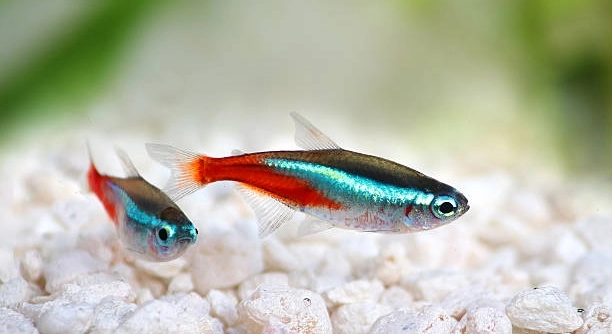
If you have a neon tetra that seems unusually sluggish, it can be concerning. These tiny fish are known for their vibrant colors and energetic movements, so a shift in behavior often signals something is wrong.
When a neon tetra is acting lethargic, it may be due to poor water quality, illness, or stress. Ensuring proper tank conditions, checking for signs of disease, and offering a balanced diet are essential steps in improving your fish’s health.
Understanding the factors contributing to lethargy is key to restoring your neon tetra’s energy. With the right care and attention, you can help your fish recover and thrive.
Water Quality Issues
Water quality is one of the most common reasons a neon tetra may act lethargic. Poor water conditions can cause stress and weaken the fish’s immune system. Neon tetras are sensitive to changes in water parameters, including temperature, pH, and ammonia levels. To check the water quality, use a test kit to measure ammonia, nitrites, and nitrates. Ideally, the water should be free from ammonia and nitrites, with nitrates below 20 ppm. The pH level should be between 6.0 and 7.5, and the temperature should be between 70-81°F (21-27°C). If the water quality is off, perform partial water changes and adjust the tank’s filtration system to improve the conditions. Consistently maintaining clean water will ensure your neon tetra remains healthy and active.
Water changes are essential for maintaining good water quality. Regular changes help prevent the buildup of harmful substances and support the fish’s overall health.
Monitoring water quality regularly is crucial for keeping your neon tetra healthy. It ensures a safe and stable environment for them, promoting better energy levels and reducing stress-related health problems.
Illness and Parasites
If the water is optimal but your neon tetra is still sluggish, illness might be the issue. Neon tetras are prone to certain diseases and parasites. The most common illnesses include neon tetra disease, fin rot, and external parasites like Ich. Neon tetra disease is caused by a protozoan parasite and can lead to a lack of energy, abnormal swimming, and loss of color. Fin rot, typically caused by bacteria, leads to the deterioration of fins and lethargy. If you notice any changes in your fish’s appearance or behavior, it’s important to act quickly. Isolate the affected fish and treat them with appropriate medications. Always consult a specialist if you’re unsure about the illness. Early treatment can help prevent the spread of disease to other fish in the tank. It’s also important to quarantine new fish before introducing them to your aquarium to prevent potential diseases.
Illnesses are another major cause of lethargy in neon tetras. If you spot any unusual symptoms, take action immediately.
Treating illnesses promptly and correctly is key to preventing further damage to your neon tetra’s health and restoring its energy.
Stress Factors
Stress is another common reason for lethargy in neon tetras. They can become stressed from overcrowding, sudden changes in water temperature, or incompatible tank mates. Even noisy environments or constant handling can cause stress. To reduce stress, keep the tank environment calm and stable. Neon tetras are peaceful fish, so it’s important to avoid aggressive tank mates. Overcrowding can also lead to stress, as fish need enough space to swim comfortably. Ensuring your aquarium has proper filtration and hiding spots will help your tetras feel secure.
Avoid placing your tank in a high-traffic area where noise or vibrations could disturb the fish. A stable environment can reduce stress and improve their overall well-being.
If stress continues, consider moving aggressive fish to a separate tank or adjusting the number of fish in the aquarium. The goal is to create a peaceful atmosphere where your neon tetras can thrive.
Poor Diet
A poor diet can lead to lethargy in neon tetras. These fish are small and need high-quality food that is rich in essential nutrients. Low-quality or insufficient food can cause malnutrition, which weakens their immune system and leads to energy loss. Ensure your neon tetras are being fed a balanced diet that includes both protein and vegetable-based foods. Offering a variety of foods, such as flakes, pellets, and live or frozen food like brine shrimp, will keep them healthy and energized.
Overfeeding can also cause problems. Uneaten food can decompose and degrade water quality. Make sure to feed small amounts that your fish can consume in a few minutes.
If your neon tetra refuses food, it could indicate a deeper problem, such as stress or illness. Monitor their behavior closely and adjust their diet if necessary.
Temperature Fluctuations
Neon tetras are sensitive to changes in water temperature. A sudden increase or decrease can cause stress and lethargy. They thrive in temperatures between 70-81°F (21-27°C). If the temperature drops too low, your fish may become sluggish.
To prevent this, use a reliable heater to maintain a stable water temperature. Regularly check the thermometer to ensure consistency. Avoid placing the tank in drafty areas, as this can cause temperature fluctuations.
Small changes in temperature can have a big impact on your fish. Keeping the temperature steady helps reduce stress and keeps your neon tetra active and healthy.
Oxygen Levels
Low oxygen levels in the tank can also lead to lethargy. Neon tetras need well-oxygenated water to stay active. If the tank is overstocked or lacks proper filtration, oxygen levels can drop.
Increase oxygen by using a strong filtration system or adding an air pump. You can also add live plants to help oxygenate the water. Regular water changes also improve oxygen levels, as stagnant water can become low in oxygen.
Monitoring the oxygen levels in your tank will help ensure your neon tetras remain energetic and healthy. Adjustments to the filtration system and tank maintenance can improve water quality.
FAQ
Why is my neon tetra swimming slowly?
A neon tetra swimming slowly could be a sign of poor water quality, illness, or stress. If the water parameters are off, such as high ammonia levels or fluctuating temperatures, the fish may become lethargic. Stress caused by overcrowding, aggressive tank mates, or improper tank conditions can also make them swim slower. Ensure the water quality is optimal, check for signs of disease, and keep the environment calm and stable to encourage more active behavior.
What can I do if my neon tetra isn’t eating?
If your neon tetra isn’t eating, it could be due to stress, illness, or poor water conditions. First, check the water quality to make sure everything is within the proper range. If the water is fine, consider any stressors, like aggressive tank mates or changes in temperature. It’s also worth considering whether the food you’re offering is suitable. Try different types of food, including flakes, pellets, or live food like brine shrimp, to see if they prefer something else. If the problem persists, illness might be the cause, and you may need to treat the fish with medication.
How do I know if my neon tetra is sick?
Signs that your neon tetra may be sick include a loss of color, abnormal swimming behavior, or visible lesions. They might also show a lack of appetite or appear more sluggish than usual. If you notice these signs, isolate the fish to prevent any potential spread of disease to others in the tank. Examine them closely for any visible parasites, such as white spots (Ich), or symptoms of diseases like fin rot. Seeking advice from a vet or aquarium specialist is crucial for diagnosing and treating illnesses.
Can poor water conditions make my neon tetra lethargic?
Yes, poor water conditions are a leading cause of lethargy in neon tetras. Ammonia, nitrites, and high nitrate levels can poison your fish and cause them to become sluggish. The water temperature and pH level also need to be within the correct range. Regular testing and maintenance of water quality are essential. If the water quality is off, perform a water change and improve filtration to provide a healthier environment for your neon tetras.
What is the ideal water temperature for neon tetras?
Neon tetras thrive in water temperatures between 70-81°F (21-27°C). A stable temperature is crucial, as sudden fluctuations can stress your fish and lead to lethargy. Using an aquarium heater can help maintain a consistent temperature, especially in cooler rooms. Make sure to regularly check the tank’s temperature using a thermometer to ensure it stays within the optimal range.
Can I treat a lethargic neon tetra with medication?
Before using medication, you should first rule out environmental factors like poor water quality, stress, or temperature fluctuations. If you believe your neon tetra’s lethargy is due to illness, specific medications may be needed based on the symptoms. Common treatments include medications for parasites, fin rot, or fungal infections. It’s important to identify the illness accurately, as improper treatment can worsen the condition. Always follow the dosage instructions on the medication label and isolate the affected fish to prevent the spread of disease.
How can I prevent lethargy in neon tetras?
To prevent lethargy in neon tetras, it’s important to maintain good water quality. Test the water regularly for ammonia, nitrites, and nitrates, and keep the tank temperature between 70-81°F (21-27°C). Additionally, provide a balanced diet with a variety of foods and avoid overfeeding. Make sure the tank is not overcrowded and that the fish are not stressed by aggressive tank mates. Regular water changes and appropriate filtration will keep the environment healthy for your neon tetras.
How often should I feed my neon tetras?
Neon tetras should be fed once or twice a day. Offer small portions of food that they can consume within a few minutes. Overfeeding can lead to poor water quality, as leftover food decomposes in the tank. It’s best to feed a variety of foods, such as high-quality flakes, pellets, and occasional live or frozen foods like brine shrimp or daphnia. Monitor their eating habits and adjust the quantity if needed to ensure they’re receiving enough nutrition without overfeeding.
Can stress cause long-term health issues in neon tetras?
Yes, prolonged stress can lead to long-term health problems in neon tetras. Chronic stress weakens their immune system, making them more susceptible to disease. It can also cause them to lose color, develop unusual swimming patterns, and experience reduced lifespan. To prevent stress, maintain a stable tank environment with appropriate water conditions, temperature, and compatible tank mates. Reducing noise and vibration around the tank can also help minimize stress for your neon tetras.
Should I quarantine a new neon tetra before adding it to my tank?
Yes, it’s always a good idea to quarantine new neon tetras before introducing them to your main tank. This practice helps prevent the spread of potential diseases or parasites to your established fish. A separate quarantine tank allows you to monitor the new fish for any signs of illness, such as loss of appetite or abnormal behavior. Keep the fish in quarantine for at least two weeks to ensure they are healthy before adding them to the main tank.
What other fish can I keep with neon tetras?
Neon tetras are peaceful and do well with other small, non-aggressive fish. Good tank mates include other small schooling fish, such as rasboras, guppies, or small livebearers. Avoid keeping them with larger, more aggressive fish that may stress or harm them. It’s also important to keep the tank not overcrowded to ensure the fish have enough space to swim freely. Compatible tank mates will help maintain a peaceful and stress-free environment for your neon tetras.
Can a neon tetra survive in a tank with poor filtration?
A neon tetra can survive in a tank with poor filtration, but it is not ideal. Without proper filtration, harmful substances like ammonia and nitrites can accumulate in the water, which can cause stress and health issues for your fish. Poor filtration also means less oxygen is being added to the water, further contributing to lethargy. To ensure your neon tetras stay healthy, invest in a good filtration system that provides both mechanical and biological filtration, and perform regular water changes to maintain water quality.
Final Thoughts
Neon tetras are a popular and beautiful fish that can thrive in a well-maintained aquarium. However, when they act lethargic, it’s essential to take a closer look at their environment and overall health. The most common reasons for lethargy include poor water quality, incorrect temperatures, and stress. By keeping the water clean, maintaining stable conditions, and offering the right diet, you can improve their chances of staying active and healthy.
It is important to monitor the tank’s water parameters regularly. Ammonia, nitrites, and nitrates should be kept at safe levels, while the temperature should remain within the recommended range of 70-81°F (21-27°C). A consistent water change schedule and a good filtration system will help prevent any harmful substances from building up in the water. By ensuring that these basics are covered, you can create a healthier environment for your neon tetras, which will, in turn, reduce the likelihood of lethargy.
In addition to maintaining good water quality, providing a varied diet is key. Neon tetras are small and delicate, so offering a variety of foods like flakes, pellets, and occasional live or frozen foods can improve their overall health. Make sure to avoid overfeeding, as leftover food can contribute to poor water quality. Lastly, keep an eye on any signs of illness, as early detection and proper treatment can help prevent more severe health issues. With proper care, neon tetras can live long, happy lives in your aquarium.

Hello,
If you enjoy the content that we create, please consider saying a "Thank You!" by leaving a tip.
Every little bit helps us continue crafting quality advice that supports the health, happiness, and well-being of pets around the world, for pets of all shapes, sizes, and species.
We really appreciate the kindness and support that you show us!