
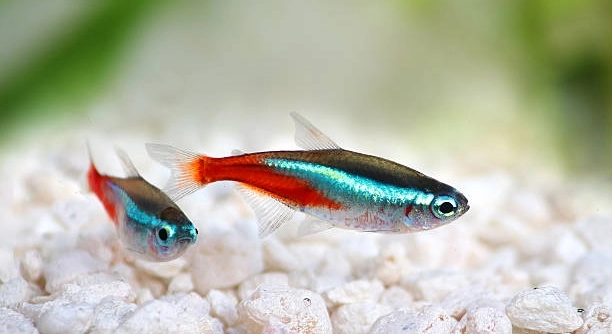
Tetra fish are popular pets for home aquariums due to their vibrant colors and peaceful nature. Keeping them healthy and active requires attention to their environment and diet. Many owners want to improve how tightly their tetra fish swim together.
To get tetra fish to school more tightly, maintain consistent water conditions, provide enough space, use appropriate lighting, feed a balanced diet, introduce fish gradually, reduce stressors, and consider tank mates carefully. These steps encourage natural schooling behavior.
Improving schooling helps your tetra fish feel secure and display their natural beauty in the tank. The following tips will guide you through practical ways to support this behavior effectively.
Maintain Consistent Water Conditions
Tetra fish are sensitive to changes in their environment. Keeping the water temperature stable between 72 and 80 degrees Fahrenheit helps them feel comfortable. Regularly testing the water for ammonia, nitrites, and nitrates ensures it remains safe. Clean water encourages healthier fish and better schooling behavior. Frequent water changes, about 25% every two weeks, remove harmful waste. Proper filtration is also essential to maintain clarity and oxygen levels. Avoid overcrowding the tank, as it stresses the fish and disrupts their natural swimming patterns. A well-maintained tank promotes calm and coordinated swimming, making the school appear tighter and more unified.
Stable water conditions minimize stress, which is key to natural schooling. Fish in poor water often scatter or hide, preventing them from grouping closely.
Creating an environment with stable water parameters requires regular care but greatly improves your tetra’s schooling. A balanced tank supports their instinct to swim together safely, making the group look denser and more active.
Provide Enough Space for Swimming
Tetras need room to move freely to form tight schools. Small tanks limit their ability to group naturally, causing them to spread out or act stressed. A minimum tank size of 20 gallons is recommended for a small school of tetras. More space allows them to coordinate movements easily. Decorations and plants should not overcrowd the tank but provide safe hiding spots. Proper layout encourages natural behavior while giving them enough open water to swim closely. Overcrowded tanks lead to aggression and weaker schooling patterns, reducing the tightness of the group.
Feed a Balanced Diet
A nutritious diet supports healthy activity levels, which influences schooling behavior. Feeding small amounts multiple times a day keeps tetras energetic and motivated to swim together. High-quality flakes or pellets designed for small tropical fish are good staples. Supplement with occasional live or frozen foods like brine shrimp or daphnia for protein. Avoid overfeeding, as excess food can pollute the water and stress the fish. Feeding at regular times helps establish routine, which promotes synchronized swimming. When tetras feel well-fed and healthy, they are more likely to school tightly and display natural group movements. Proper nutrition impacts not only their health but also their behavior in the tank.
Introduce Fish Gradually
Adding new tetras slowly helps the group adjust without stress. Sudden changes can cause scattering or aggression, breaking the school’s tight formation.
When new fish enter the tank, they need time to get used to their environment and tank mates. Introducing them one or two at a time prevents overcrowding and reduces territorial behavior. This gradual approach allows the whole group to reorganize naturally, promoting closer schooling. Watching for signs of stress or bullying during this period is important to maintain harmony.
Taking time with introductions also gives you a chance to monitor the health of the new fish before fully mixing them. This prevents disease spread and helps maintain a peaceful, tight-knit school.
Reduce Stressors
Stress weakens schooling behavior and can cause fish to isolate. Keeping the tank quiet and avoiding sudden movements supports calmness.
Environmental disturbances like loud noises, strong tank lighting, or excessive handling increase stress in tetras. Minimizing these factors helps fish feel secure and encourages close grouping. Consistent daily routines, such as feeding times, also reduce anxiety. Avoid placing the tank in busy areas or near vibrations. Stress can cause fish to hide or scatter, so a calm, stable environment is essential for tight schools.
Regular monitoring and gentle care improve the fish’s well-being, leading to natural, coordinated swimming patterns. Reducing stress is a simple way to help your tetras school more tightly and display their best behavior.
Use Appropriate Lighting
Lighting affects tetra behavior and schooling. Soft, natural light helps them feel secure and swim closer together.
Too bright or harsh lighting can cause stress, making tetras scatter or hide. Dimmer, evenly distributed light encourages calmness and tighter grouping. Using a timer to maintain consistent light cycles supports their natural rhythms and schooling habits.
Choose Compatible Tank Mates
Tank mates influence how tightly tetras school. Peaceful species encourage better schooling behavior.
Aggressive or large fish can stress tetras, causing them to scatter or hide. Selecting calm, small fish helps maintain a peaceful environment. Compatible tank mates support natural group dynamics and improve the overall tightness of the tetra school.
Maintain Tank Cleanliness
Regular cleaning reduces waste buildup and supports fish health. A clean tank encourages natural schooling behavior.
Monitor Fish Health
Healthy tetras are more likely to school tightly. Watch for signs of illness and act promptly to treat issues.
FAQ
How many tetra fish should be kept together for tight schooling?
Tetras are social fish that feel safest in groups. A minimum of six is recommended to encourage natural schooling behavior. Smaller groups may not school tightly and could become stressed or shy. Larger groups, around 10 or more, often create denser schools with more coordinated swimming patterns. This size allows the fish to follow each other easily and respond as a unit. Having enough companions reduces fear and encourages them to move closely, which is what creates the tight school effect.
Why do my tetras not school tightly even when they are in a group?
Several factors can cause loose schooling. Poor water quality, overcrowding, or stress from aggressive tank mates can all interfere. If the tank is too small or lacks enough open swimming space, tetras may avoid grouping. Inconsistent lighting or sudden changes in the environment also disrupt their natural behavior. Lastly, health issues like illness or injury might make some fish less active or less social, breaking the school’s cohesion.
Can tetras school with other fish species?
Tetras prefer to school with their own kind. However, some peaceful species like rasboras or small danios can coexist without disrupting their schooling. It is important to avoid aggressive or much larger fish, as these cause stress and break the school. Mixed species schools rarely form tight groups since different fish have different swimming styles and social behaviors. Keeping mostly tetras together ensures the best chance for tight schooling.
How often should I change the water to maintain tight schooling?
Changing about 25% of the water every one to two weeks keeps the tank clean and the water safe. Regular water changes reduce toxins and maintain stable conditions that support healthy behavior. If the tank is heavily stocked or the filtration is weaker, more frequent changes may be necessary. Clean water reduces stress and encourages fish to swim actively and together, which improves schooling tightness.
What is the ideal tank size for a tetra school?
A tank size of at least 20 gallons is ideal for a small school of six to ten tetras. This size provides enough swimming space for natural movement and schooling behavior. Larger tanks give even more room for bigger groups, which results in tighter schools. Small tanks limit movement, causing fish to scatter or become stressed. Proper space is crucial for fish to coordinate their swimming and stay close together.
Can lighting affect how tightly tetras school?
Yes, lighting plays a role in fish behavior. Tetras prefer soft, consistent lighting that mimics natural conditions. Bright or flickering lights cause stress and can make them scatter or hide. Using a timer to keep regular light and dark periods helps maintain their daily rhythm and encourages calmer, closer swimming. Dimmer light promotes relaxation and helps the school form tightly.
What are common signs that tetras are stressed and schooling loosely?
Signs include erratic swimming, hiding frequently, or staying at the tank’s bottom. If the school breaks apart and fish swim alone, it often indicates stress. Other signs are loss of color, rapid gill movement, or lack of appetite. Stress can result from poor water quality, aggressive tank mates, or sudden environmental changes. Identifying and fixing these issues usually helps restore tight schooling.
How important is feeding routine for schooling behavior?
A consistent feeding routine supports healthy activity levels. Feeding small amounts several times a day keeps tetras energetic and promotes group movement. Irregular or excessive feeding can cause water quality problems, which lead to stress and weaker schooling. Providing varied, nutritious food ensures the fish stay healthy and active, which directly improves their ability to swim tightly as a group.
Can introducing new fish disrupt schooling?
Yes, adding new fish suddenly can cause stress and break the school’s formation. New fish need time to acclimate and be accepted by the group. Introducing them gradually and monitoring interactions helps prevent aggression and scattering. If newcomers cause too much disturbance, the whole school may become loose or disorganized until they adjust.
What should I do if my tetras do not school tightly despite all care steps?
If schooling remains loose, review tank conditions carefully. Check water parameters and cleanliness, evaluate tank mates for aggression, and ensure enough space. Observe each fish for illness or injury that might affect behavior. Sometimes individual personalities vary, and some fish prefer less schooling. In these cases, focusing on maintaining a stress-free environment and good health is the best approach.
Maintaining a tight school of tetra fish requires consistent care and attention to their environment. Ensuring stable water conditions and providing enough space are foundational steps that promote healthy behavior. A clean tank with proper filtration supports the fish’s well-being and encourages them to swim closely. Paying attention to details like lighting and tank mates also influences how tightly tetras group. Each small factor plays a role in creating the natural environment that helps them feel secure and comfortable.
Feeding plays an important role as well. A balanced diet given on a regular schedule keeps the fish active and motivated to move together. Overfeeding or poor nutrition can harm their health and weaken schooling behavior. Introducing new fish gradually and minimizing stress from external disturbances also help maintain group cohesion. Stress often causes fish to scatter or hide, breaking the tight formation of the school. Reducing noise, sudden movements, and aggressive tank mates supports calmer swimming and closer grouping.
While some factors are within control, individual fish personalities can affect schooling as well. Not every tetra will school perfectly tight at all times, but maintaining a stable, clean, and peaceful environment gives them the best chance. Observing your fish and adjusting care as needed helps keep the group healthy and active. Consistent effort and attention make a visible difference in how well your tetras school, creating a lively and beautiful display in your aquarium.

Hello,
If you enjoy the content that we create, please consider saying a "Thank You!" by leaving a tip.
Every little bit helps us continue crafting quality advice that supports the health, happiness, and well-being of pets around the world, for pets of all shapes, sizes, and species.
We really appreciate the kindness and support that you show us!