
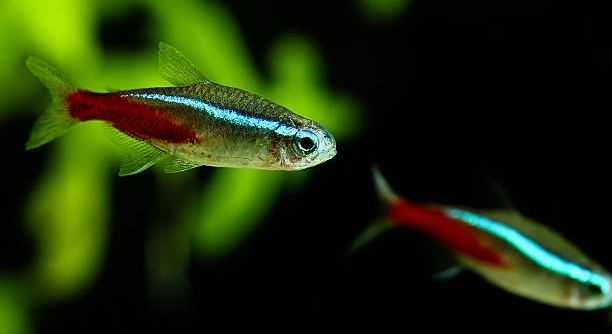
Are your tetras showing signs of stress like clamped fins or sluggish swimming? Stress can quickly affect their health and overall well-being in your aquarium. Knowing how to respond fast is important to keep them safe and comfortable.
The quickest way to fix stressed tetras involves improving water quality, ensuring proper temperature, and reducing environmental stressors such as overcrowding and sudden changes. Providing hiding spots and a balanced diet also supports their recovery and resilience.
Understanding these simple steps can make a big difference for your fish. Proper care helps your tetras stay healthy and vibrant in their home.
Identify the Signs of Stress in Your Tetra
Noticing stress in your tetra early makes a big difference. Common signs include clamped fins, hiding more than usual, rapid gill movement, and loss of color. Your fish might also swim erratically or stay near the surface or bottom for too long. These behaviors show they are uncomfortable or unwell. Water quality often affects stress levels, so checking parameters like ammonia, nitrites, and pH is crucial. Changes in temperature or new tank mates can also cause stress. Watching your tetra daily helps catch problems before they worsen. It’s helpful to keep a log of any changes or unusual behavior so you can track patterns and act quickly when needed.
Early detection lets you act faster and improve your tetra’s condition. Avoiding prolonged stress keeps them healthier and more active in your tank.
Recognizing stress signs is the first step to helping your tetra recover. Knowing what to look for ensures you can adjust the tank environment or care routine to better suit their needs. This reduces stress and supports their well-being.
Improve Water Quality and Tank Conditions
Good water quality is essential for tetra health. Regular water changes, using a reliable filter, and testing water parameters keep the environment stable. Keeping ammonia and nitrites at zero, and maintaining pH around 6.5 to 7.5, helps reduce stress. Temperature should stay between 72°F and 78°F to match their natural habitat. Avoid sudden changes in water chemistry or temperature, as these shock your fish. Also, make sure the tank isn’t overcrowded; too many fish cause poor water quality and competition for resources, increasing stress. Adding plants and hiding spots helps your tetra feel secure. A calm environment with soft lighting and gentle water flow reduces anxiety. These small adjustments create a better home for your fish and reduce their stress levels. Maintaining stable conditions prevents stress from developing and supports recovery if your tetra is already stressed.
Provide Proper Nutrition and Feeding
Feeding your tetra a balanced diet helps reduce stress. Avoid overfeeding, as leftover food can pollute the tank.
A good diet includes high-quality flakes or pellets made for tetras, supplemented with occasional live or frozen foods like brine shrimp or bloodworms. These provide essential nutrients and keep your fish active. Feeding small amounts two to three times a day prevents digestive issues and maintains water quality. Consistency in feeding times helps your tetra feel secure and reduces stress.
Poor nutrition weakens the immune system and makes stress harder to overcome. Offering variety and avoiding sudden changes in diet supports their health and recovery. Proper feeding is a simple yet powerful way to keep your tetra thriving.
Minimize Stress from Tank Mates and Environment
Stress from tank mates is common when fish compete for space or food. Avoid aggressive or overly active fish with tetras.
Keep the tank peaceful by selecting compatible species. Providing enough hiding spots reduces conflict and gives stressed fish places to retreat. Avoid tapping on the glass or sudden movements near the tank, as these scare your tetra and raise stress levels. Soft lighting helps maintain a calm environment. Regularly observe how your fish interact to spot early signs of bullying or stress. Small changes in tank arrangement or fish combinations can improve harmony. A quiet, secure setting helps your tetra feel safe and recover faster.
Maintain Stable Water Temperature
Sudden temperature changes cause stress in tetras. Keep the water temperature steady between 72°F and 78°F for their comfort.
Use a reliable heater and thermometer to monitor the tank. Avoid placing the tank near windows or vents where temperature fluctuations happen often.
Use Stress-Reducing Additives
Certain water conditioners and supplements can help calm stressed fish. Products containing aloe vera or Indian almond leaf extracts soothe the skin and reduce irritation.
These additives improve the overall health of your tetra by supporting its immune system. Use them according to the instructions, especially during water changes or after stressful events.
Quarantine New Fish
Always quarantine new fish before adding them to your main tank. This prevents disease and reduces stress caused by introducing unfamiliar fish suddenly.
A separate quarantine tank helps observe new fish for signs of illness and allows gradual acclimation to water conditions. This step protects your tetra’s health.
Handle Fish Carefully
Avoid stressing your tetra by handling it only when necessary. Use a soft net and gentle movements during transfers.
Rough handling or frequent netting can cause injury and increase stress. Minimizing contact helps keep your fish calm and healthy.
FAQ
How can I tell if my tetra is stressed or sick?
Stress and sickness can look similar in tetras. Common signs include clamped fins, faded colors, hiding more than usual, and loss of appetite. Rapid gill movement or erratic swimming can also be signs. If these behaviors last more than a day or two, your fish might need immediate care. Monitoring water quality regularly helps differentiate between stress and illness since poor water conditions often cause both. Observing your fish closely each day helps catch problems early.
What is the best temperature for tetras to stay healthy?
Tetras thrive in temperatures between 72°F and 78°F. Keeping the temperature steady in this range prevents stress caused by sudden changes. Using a heater with a thermostat and a reliable thermometer helps maintain this stable environment. Avoid placing the tank near drafts, windows, or heating vents, as these can cause fluctuations that upset your fish. Stable temperature is key to your tetra’s overall health.
How often should I change the water to reduce stress in tetras?
Changing 20-30% of the water every week is ideal to keep your tetra’s environment clean and stress-free. Frequent partial water changes remove harmful chemicals like ammonia and nitrites that stress fish. Avoid changing too much water at once, which can shock your fish. Use a water conditioner to remove chlorine and chloramine from tap water before adding it to the tank. Consistent water maintenance is one of the best ways to prevent stress.
Can overcrowding cause stress in my tetra tank?
Yes, overcrowding is a common cause of stress. Too many fish compete for space, food, and oxygen, leading to aggression and poor water quality. A good rule is one inch of fish per gallon of water, but this depends on species and tank setup. Providing plenty of plants and hiding places helps reduce stress but doesn’t replace the need for enough space. If you notice aggression or constant hiding, it might be time to reduce the number of fish.
What foods help reduce stress in tetras?
Feeding your tetra a varied diet helps keep it healthy and less stressed. High-quality flakes or pellets designed for tetras provide basic nutrition. Adding live or frozen foods like brine shrimp, daphnia, or bloodworms gives extra protein and variety. Avoid overfeeding, as leftover food pollutes the water and stresses fish. Feed small portions two to three times daily, watching to ensure your fish eat all the food offered.
Are there natural ways to calm stressed tetras?
Yes, adding plants and decorations creates hiding spots where tetras feel safe. Indian almond leaves release natural tannins that soothe the fish and improve water quality. Using gentle lighting and reducing loud noises near the tank can also help. Avoid sudden changes in the tank setup or adding new fish too quickly. These small steps help create a calm environment that supports your tetra’s well-being.
Is it necessary to quarantine new fish before adding them to the tank?
Quarantining new fish is very important. It helps prevent disease from spreading to your existing fish and reduces stress caused by introducing new fish suddenly. Use a separate quarantine tank for at least two weeks to observe the new fish for signs of illness and to allow gradual acclimation to your water conditions. This extra step can save you time and trouble later by keeping your main tank healthy.
How can I safely handle my tetra if needed?
Handling should be minimal to avoid stress and injury. When necessary, use a soft net and move gently to prevent harm. Avoid chasing the fish or rough movements. If you need to transfer your tetra, do it slowly and calmly, keeping the fish in water as much as possible. Proper handling helps your fish stay calm and reduces the risk of physical damage.
What should I do if my tetra keeps hiding?
Hiding is a common stress sign but can also be normal behavior if the tank has plenty of cover. If your tetra hides constantly and shows other stress signs like loss of appetite or faded color, check water quality and tank conditions. Make sure the tank isn’t overcrowded and that tank mates aren’t aggressive. Improving water quality and providing proper food often helps shy fish become more active.
Can sudden changes in the tank cause stress?
Sudden changes in temperature, water chemistry, lighting, or tank decoration can stress tetras. They thrive in stable environments, so avoid making quick adjustments. When changes are necessary, do them gradually over several days to allow your fish to adapt. For example, slowly adjust temperature or introduce new decorations one piece at a time. Consistency in the tank environment is essential for your tetra’s health.
Final Thoughts
Taking care of stressed tetras requires attention and patience. Stress can show in many ways, like hiding, clamped fins, or loss of color. These signs mean your fish is uncomfortable and needs help. The best way to support your tetra is by making sure its environment stays clean and stable. Regular water changes, proper temperature, and good water quality are important. When the water is clean and stable, your fish will feel safer and less stressed. This helps them stay healthy and active.
Feeding your tetra the right food in the right amounts is another key factor. Overfeeding can pollute the tank, which causes more stress, so feeding small portions two or three times a day is ideal. A balanced diet that includes quality flakes or pellets, with some live or frozen food occasionally, gives your tetra the nutrients it needs. Providing hiding places in the tank, like plants or decorations, helps your fish feel secure. These small changes create a calm and comfortable space that reduces stress and encourages natural behavior.
Handling your fish carefully and avoiding sudden changes in their environment is also important. Tetras don’t like sudden shifts in temperature or water conditions. Keeping the tank temperature steady and introducing changes slowly helps your fish adjust better. Quarantining new fish before adding them to your main tank prevents disease and stress. Lastly, watching your fish regularly for any signs of stress or illness helps catch problems early. With consistent care and attention, your tetra can recover quickly and enjoy a healthy life in your aquarium.

Hello,
If you enjoy the content that we create, please consider saying a "Thank You!" by leaving a tip.
Every little bit helps us continue crafting quality advice that supports the health, happiness, and well-being of pets around the world, for pets of all shapes, sizes, and species.
We really appreciate the kindness and support that you show us!