
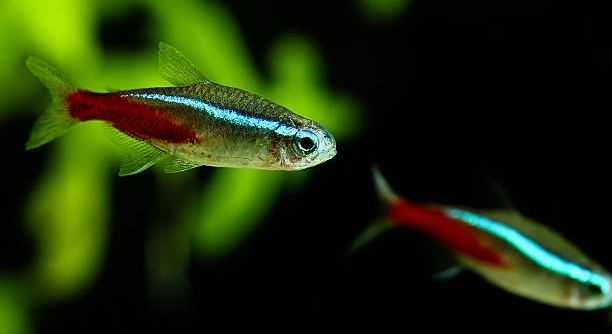
Are your Tetra fish acting strangely, hiding more than usual, or losing their vibrant colors under your aquarium lights? These signs often point to lighting problems that many fishkeepers encounter in home aquariums.
Tetra lighting issues are typically caused by improper intensity, duration, or placement of the light source. Correcting these problems involves adjusting the lighting setup, ensuring a consistent day-night cycle, and using bulbs appropriate for freshwater aquariums.
Understanding these seven simple lighting solutions can help restore your Tetras’ natural behavior, reduce stress, and improve their overall health in the tank.
Adjust the Light Intensity
Too much or too little light can affect how your Tetras behave. If the lighting is too bright, they may become stressed and hide more often. On the other hand, dim lighting can make their colors look dull and may impact their daily rhythm. Tetras come from shaded, slow-moving waters, so they naturally prefer moderate lighting. Use aquarium-specific LED lights and avoid direct sunlight near the tank. If your light has adjustable settings, start with a lower brightness and increase slowly, watching how your fish respond. A comfortable light setting will help them feel safe and behave naturally.
Look for signs like darting around the tank or hiding under plants. These could mean the light is too harsh.
A good balance can be achieved by layering lighting with floating plants or decorations that offer shaded spots. This lets your Tetras swim comfortably without constant exposure to strong light throughout the day.
Set the Right Duration
Lighting should mimic natural daylight hours. Aim for 8–10 hours of light each day to avoid stress and algae growth.
Use a timer to keep the light schedule consistent. Sudden shifts in lighting duration can confuse Tetras and disrupt their day-night cycle. Keeping a regular routine helps them stay active and healthy. If you’re adjusting the timing, do it gradually over a few days. Avoid leaving lights on overnight, as constant exposure can cause stress. It’s also helpful to create a dark resting period each night to support their internal clock. If your aquarium is in a busy room, consider using a dim night light or covering the tank slightly to limit extra exposure after dark. Stability is key—sudden changes can be unsettling, especially in smaller groups.
Reduce Direct Sunlight Exposure
Placing your tank near a window can lead to unwanted algae growth and temperature changes that affect your Tetras. Direct sunlight increases the brightness beyond what they need and can throw off their regular lighting cycle.
To fix this, move the tank away from windows or areas with strong natural light. Use blackout curtains if moving the tank isn’t possible. You can also add a background to the tank to block excess light from behind. Excess sunlight doesn’t just affect the lighting—it also raises the water temperature. This can make your Tetras uncomfortable and may even affect their health over time. Sticking to artificial lighting gives you full control over their environment, helping to keep things balanced and stable.
Maintaining a stable lighting setup with minimal outside interference helps your Tetras feel more secure. Reduced stress means better appetite, brighter colors, and more consistent swimming patterns during active hours.
Choose the Right Bulbs
Standard household lights aren’t ideal for aquariums. Tetras do best with full-spectrum bulbs that support plant growth and display their natural colors.
Look for aquarium-grade LED lights marked as “daylight” or full-spectrum. These lights provide the right brightness without overheating the tank. Avoid colored bulbs or overly warm lighting, as they can distort the look of your fish and plants. LEDs are also energy-efficient and have a long lifespan. If you’re keeping live plants, the right spectrum will help them thrive alongside your fish. Changing bulbs once a year keeps light levels strong and consistent. Dim or flickering lights should be replaced right away.
Good lighting not only supports a healthy environment but also highlights your Tetras’ colors. With the right bulb, you’ll notice more natural movement, better interaction with tank mates, and an overall improvement in how your fish respond to their surroundings.
Add Floating Plants for Shade
Floating plants like Amazon frogbit or duckweed help block excess light and create shaded areas for your Tetras. This makes the tank feel more natural and reduces stress.
These plants also give your fish places to explore and hide. Plus, they help balance light and improve water quality over time.
Clean the Light Fixture Regularly
Dust and algae buildup on the light fixture can reduce brightness without you noticing. A dim light may seem fine but might not meet your Tetras’ needs. Clean the fixture every few weeks using a soft cloth and avoid using harsh chemicals.
Avoid Flashing or Flickering Lights
Flickering lights can stress your Tetras and make them retreat more often. Replace faulty bulbs quickly and check connections to make sure everything runs smoothly.
FAQ
Why do my Tetras hide when the lights are on?
Tetras often hide under bright or harsh lighting because it stresses them. They come from shaded environments and prefer moderate light. If your lighting is too intense or lasts too long, they may feel unsafe and retreat to plants or decorations. Adjusting the light intensity or adding floating plants can create shaded areas that help them feel more comfortable.
How long should aquarium lights stay on for Tetras?
A consistent lighting schedule of 8 to 10 hours per day is best for Tetras. This mimics their natural environment and supports their circadian rhythm. Too much light can cause stress and encourage algae growth, while too little can affect their behavior and colors. Using a timer helps maintain this routine without daily adjustments.
Can too much light harm my Tetras?
Yes, excessive lighting can cause stress and disrupt natural behaviors. Bright light can make Tetras hide, lose color vibrancy, and become less active. Over time, it can weaken their immune systems, making them more susceptible to disease. Proper lighting balance is important to keep them healthy.
What type of light bulb is best for a Tetra aquarium?
Full-spectrum LED bulbs designed for freshwater aquariums are ideal. They provide the right brightness and color temperature to mimic natural daylight. Avoid colored bulbs or standard household lights, which can distort colors and damage aquatic plants. LEDs also save energy and last longer.
Why is my aquarium algae growing rapidly?
Algae growth is often caused by excessive light or irregular lighting schedules. Direct sunlight on the tank or leaving aquarium lights on too long encourages algae to multiply. Reducing light exposure and keeping a consistent lighting cycle can help control algae growth.
Should I use a timer for my aquarium lights?
Yes, timers help keep lighting consistent, which benefits your Tetras’ health and behavior. A steady day-night cycle reduces stress and maintains natural rhythms. Timers also prevent accidentally leaving lights on too long, which can cause algae issues.
How can I reduce flickering or flashing lights in my aquarium?
Flickering often happens because of faulty bulbs or loose connections. Replacing old bulbs and checking wiring can stop this. Flickering can stress fish, so it’s important to fix the issue promptly.
Is it okay to use natural sunlight for my aquarium?
Natural sunlight can cause temperature fluctuations and promote algae growth. It’s better to rely on artificial lighting where you can control intensity and timing. If the tank is near a window, use curtains or blinds to reduce direct sunlight exposure.
Do live plants help with lighting problems?
Live plants can soften bright light by creating shaded spots, which your Tetras appreciate. They also compete with algae for nutrients, helping keep algae growth in check. Adding floating plants is an easy way to balance lighting naturally.
How often should I replace aquarium light bulbs?
Replace bulbs about once a year to maintain proper brightness and spectrum. Over time, bulbs lose intensity even if they still work. Fresh bulbs support healthy plant growth and keep fish colors vibrant.
Can the wrong light color affect my Tetras?
Yes, using colored or overly warm bulbs can make your fish look unnatural and may disrupt their behavior. Full-spectrum white light is best for clear visibility and maintaining their natural appearance.
What are the signs that my Tetras are stressed from lighting?
Stress signs include hiding more than usual, loss of color, erratic swimming, and decreased appetite. If you notice these, evaluate your lighting setup and adjust intensity, duration, or placement accordingly.
How does light affect aquarium temperature?
Strong lighting can raise water temperature, which may stress Tetras. LED lights produce less heat than older bulbs, making them a safer choice. Avoid placing the tank where sunlight or hot lights can cause overheating.
Can lighting affect fish disease?
Yes, poor lighting conditions can weaken fish immune systems and increase disease risk. Balanced light supports overall health by helping regulate their natural cycles and behavior.
Are there specific lighting tips for Tetra species?
Most Tetras prefer moderate light and shaded areas. Species like Neon Tetras need softer light to keep their bright colors vivid. Using floating plants and dimming lights slightly can create a comfortable environment for all types.
What should I do if my Tetras still hide after fixing lighting?
Check other tank conditions like water quality, temperature, and tank mates. Stress can come from multiple sources, so lighting is just one factor. Improving overall habitat comfort will encourage more natural behavior.
Final Thoughts
Lighting plays a vital role in the health and behavior of your Tetras. It affects how they look, how they act, and even how well they eat. Many common problems with Tetras, like hiding or dull colors, come from improper lighting. By adjusting light intensity, duration, and type, you create a more natural environment that helps them feel safe and comfortable. Paying attention to lighting is one of the simplest ways to improve the well-being of your fish without making major changes to the tank.
Controlling lighting is also important to prevent unwanted issues like algae growth. Too much light or light at the wrong times can lead to fast-growing algae, which harms water quality and reduces oxygen for your fish. Keeping a consistent schedule with a timer and choosing the right bulbs reduces this risk. Adding plants, especially floating ones, not only helps balance light but also makes the aquarium look better and provides hiding spots for your Tetras. These small steps can make a big difference in maintaining a healthy aquarium.
Every tank is different, so it may take some trial and error to find the best lighting setup for your Tetras. Watching how your fish respond after changes is key. If they seem more active and colorful, it means you are on the right track. If hiding or stress continues, look into other factors like water quality or tank mates. Lighting is just one part of their environment, but it is a foundational one. Making thoughtful adjustments can improve your Tetras’ quality of life and make your aquarium a more enjoyable space to observe and care for them.

Hello,
If you enjoy the content that we create, please consider saying a "Thank You!" by leaving a tip.
Every little bit helps us continue crafting quality advice that supports the health, happiness, and well-being of pets around the world, for pets of all shapes, sizes, and species.
We really appreciate the kindness and support that you show us!