
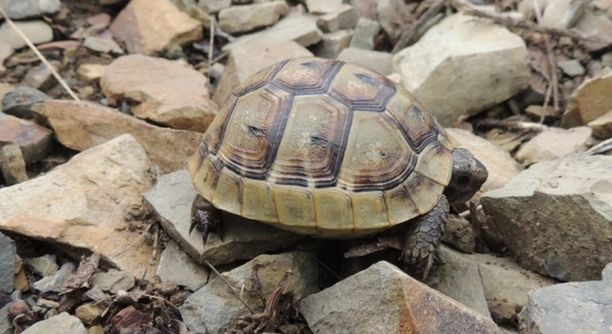
If your Russian tortoise enclosure is too humid, it can lead to several issues. Humidity problems can cause your tortoise discomfort and health problems, making it essential to maintain the right conditions in their habitat.
To fix a humid enclosure, start by checking the substrate and ensuring it’s not holding too much moisture. Reduce misting frequency and improve ventilation by adjusting the enclosure’s airflow. Adding a dehumidifier can help further control humidity levels.
By making these adjustments, you’ll create a healthier environment for your tortoise. Understanding these factors ensures your pet’s well-being in the long term.
Identifying the Source of Excess Humidity
A key part of fixing humidity issues in your Russian tortoise enclosure is identifying the source. The most common problem is over-watering the substrate, which can trap moisture. You may also be misting the enclosure too often, leading to unnecessary humidity build-up. Without proper airflow, the humidity can become stagnant, causing issues that could harm your tortoise’s health. Pay attention to the type of substrate you use as well; some materials, like coconut fiber or moss, can retain moisture longer than others. Checking the humidity level with a reliable hygrometer is also essential to monitor the situation effectively.
Humidity levels should ideally be between 40-60% for your tortoise. Anything above this can encourage mold growth, respiratory problems, and even shell rot. If your enclosure consistently reads higher than this range, it’s time to take action. Reducing excess moisture can improve your tortoise’s environment drastically.
Once you’ve found the source, it’s time to make adjustments. If over-watering is the issue, you can reduce watering or switch to a substrate that doesn’t retain as much moisture. Allow the enclosure to dry out between waterings to ensure it doesn’t stay too damp. You can also invest in a hygrometer to keep track of moisture levels more accurately.
Improving Ventilation
If humidity persists despite adjusting your watering routine, the next step is improving ventilation. A well-ventilated enclosure helps air circulate, reducing moisture buildup. Without airflow, the enclosure can become damp and stale, which is unhealthy for your tortoise. Make sure there are ventilation holes on all sides of the enclosure. If you’re using a glass tank, consider adding small mesh panels or drilling extra holes for better airflow.
Ventilation plays a critical role in controlling the humidity. By ensuring proper airflow, moisture can escape, and the environment can stabilize. This simple fix can prevent your tortoise from suffering due to high humidity levels.
Adjusting the Enclosure’s Temperature
Temperature plays a significant role in humidity control. If your enclosure is too warm, it can exacerbate humidity problems. Make sure the basking area is appropriately heated, but the overall enclosure temperature stays in a safe range. A temperature gradient allows your tortoise to regulate its environment, reducing excess moisture.
The ideal temperature for a Russian tortoise is between 75-85°F during the day, with a slight drop at night. If the heat source is too powerful, it can cause rapid evaporation, raising the humidity levels. You can adjust the temperature by using a lower wattage heat lamp or repositioning the light source.
By regulating the temperature and avoiding excessive heat, you can keep humidity at the right level. If you’re using a heat mat or ceramic heater, ensure it’s not over-heating the space and contributing to the problem. Balance the temperature with proper ventilation for a more stable environment.
Choosing the Right Substrate
The substrate you choose affects how well moisture is managed in the enclosure. Some materials hold moisture longer than others, which can lead to high humidity. Avoid substrates like coconut coir or peat moss, as they tend to retain water. Instead, opt for a dry, absorbent material such as aspen bedding or paper towels.
The right substrate absorbs moisture without trapping it. This ensures that the humidity stays under control while also providing your tortoise with a comfortable surface. If you use a mix, be mindful of how each material behaves. Always choose a substrate that suits your specific enclosure needs.
Regularly check the substrate for signs of excess moisture. If you notice dampness, it’s time to replace the bedding. A dry, clean substrate helps maintain a healthier environment and reduces the risk of respiratory issues or fungal growth in the enclosure.
Adding a Dehumidifier
If humidity levels remain too high despite adjustments, a dehumidifier can help. Choose a small, reptile-safe dehumidifier designed for enclosures. Place it near the tank, making sure it doesn’t blow directly onto the tortoise.
A dehumidifier can effectively reduce moisture in the air, keeping the humidity within a safe range for your tortoise. It’s an excellent option for those living in humid climates or dealing with persistent moisture issues. Keep it running as needed, checking the humidity regularly to ensure the enclosure stays comfortable.
Adjusting Misting Habits
Misting too frequently can add unnecessary moisture to the enclosure. Reduce misting to only when necessary, especially if you notice the humidity rising. Over-misting creates an environment that’s hard to control.
When misting, aim for a light spray instead of soaking the substrate. This way, you can maintain humidity without overwhelming the enclosure. Always check the moisture levels before spraying to avoid making the situation worse. Keep the tortoise’s health in mind when adjusting your misting routine.
FAQ
What is the ideal humidity level for a Russian tortoise enclosure?
The ideal humidity level for a Russian tortoise enclosure should be between 40-60%. Anything above 60% can lead to health issues such as respiratory problems or mold growth. Maintaining the correct humidity ensures your tortoise stays comfortable and healthy. Regularly check the humidity levels with a hygrometer to monitor any fluctuations and adjust accordingly.
How can I reduce humidity in my Russian tortoise’s enclosure?
To reduce humidity, start by checking the substrate. Ensure it isn’t too damp, and reduce the amount of misting. Adding ventilation holes can help the air circulate better. A dehumidifier can also be used to help control moisture. Make sure to replace any substrate that’s too moist and allow it to dry out.
Is it safe to use a dehumidifier in a tortoise enclosure?
Yes, using a dehumidifier can be a safe and effective way to reduce excess humidity in a tortoise enclosure. Choose a reptile-safe dehumidifier designed for use in terrariums. Place it near the enclosure, but not directly on the tortoise, to ensure a balanced environment.
How often should I mist my Russian tortoise enclosure?
You should only mist your Russian tortoise enclosure when necessary. Misting too frequently can increase humidity levels. A light misting once a day or every other day is generally enough to maintain appropriate humidity without over-wetting the substrate. Always check the humidity before misting.
Can I use coconut fiber as a substrate in a Russian tortoise enclosure?
Coconut fiber can hold moisture for a long time, which could increase the humidity in the enclosure. While it’s a popular substrate for some reptiles, it’s not the best choice for Russian tortoises. Instead, opt for dry, absorbent materials like aspen bedding, which help manage moisture better.
What can I do if my Russian tortoise has respiratory issues due to high humidity?
If your tortoise shows signs of respiratory distress, such as wheezing or nasal discharge, reduce the humidity immediately. Move your tortoise to a drier area and check the enclosure conditions. You may need to adjust the substrate, temperature, and ventilation. If symptoms persist, consult a veterinarian.
Should I use a heat lamp in my Russian tortoise enclosure to control humidity?
A heat lamp can help regulate the temperature of the enclosure, which indirectly controls the humidity levels. However, using a heat lamp alone won’t necessarily fix a humidity problem. Ensure that your heat source is not too powerful, as excessive heat can cause rapid evaporation, raising humidity.
How can I tell if my Russian tortoise enclosure is too humid?
Signs of excessive humidity include visible condensation on the walls of the enclosure, a damp substrate, and an increase in mold growth. If your tortoise seems lethargic or shows signs of respiratory issues, it may also be a sign that the humidity is too high.
Can I use a fan to reduce humidity in the enclosure?
A fan can help improve ventilation, which may assist in reducing excess humidity. It’s essential to ensure the fan doesn’t blow directly on your tortoise, as they need a stable temperature and humidity range. Use a small, adjustable fan to improve airflow without causing a draft.
How do I maintain the right balance of humidity and temperature in the enclosure?
To maintain the right balance, create a temperature gradient with a basking spot at around 85°F and a cooler area of about 75°F. Use a hygrometer to monitor humidity and adjust ventilation and misting as necessary. This allows your tortoise to regulate its own environment and ensures a comfortable habitat.
Should I change the substrate often to keep humidity under control?
Yes, you should change the substrate regularly if it becomes damp. Replace it if it starts to retain too much moisture or develop an odor. Regular substrate changes prevent mold growth and help keep the humidity level consistent. Always use a dry, absorbent substrate to help control moisture.
Final Thoughts
Maintaining the right humidity level in a Russian tortoise enclosure is crucial for their health and well-being. High humidity can cause respiratory problems and promote mold growth, while low humidity can lead to dehydration and stress. It’s essential to find a balance that works for your specific environment and make adjustments as needed. Regularly monitoring humidity levels and temperature ensures that your tortoise has a comfortable and safe habitat.
If your enclosure is too humid, consider using dehumidifiers, adjusting the temperature, and choosing the right substrate. Reducing misting and increasing ventilation can help as well. It’s important to remember that every enclosure is different, and it may take some time to find the best setup for your tortoise. Experimenting with these changes while closely observing your tortoise’s behavior can guide you to the right solution.
In the end, creating a healthy and stable environment for your Russian tortoise is not only about controlling humidity. It involves providing proper heat, light, space, and food. When all these factors are well-managed, your tortoise will thrive. Keep an eye on your enclosure’s conditions, make small changes as necessary, and your tortoise will live a long, happy, and healthy life.

Hello,
If you enjoy the content that we create, please consider saying a "Thank You!" by leaving a tip.
Every little bit helps us continue crafting quality advice that supports the health, happiness, and well-being of pets around the world, for pets of all shapes, sizes, and species.
We really appreciate the kindness and support that you show us!