
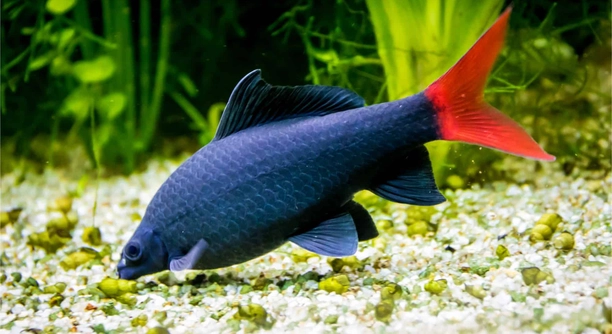
Have you ever brought home a rainbow shark only to notice it hiding constantly or acting skittish around other fish?
The best way to ensure your rainbow shark feels comfortable is by creating a stress-free, well-structured environment. This includes proper tank size, hiding spots, compatible tank mates, and consistent water conditions that support its natural behaviors.
Creating the right setup can make a big difference in your rainbow shark’s mood, movement, and overall health in the tank.
Choose the Right Tank Size
A rainbow shark needs space to feel secure and stay active. A tank that’s too small can cause stress and aggressive behavior. A minimum of 50 gallons is ideal for a single rainbow shark. These fish are territorial and need plenty of room to swim freely. Cramped tanks can lead to health issues and behavioral changes, especially if other bottom-dwelling fish are present. A longer tank rather than a taller one gives your rainbow shark more horizontal space to explore. Choose a tank with a secure lid as they may jump if startled. Good water movement and adequate filtration are also important for oxygen levels. When housed in the right conditions, rainbow sharks display more natural behavior and feel less threatened by tank mates. Always think of their adult size when planning your tank setup to prevent overcrowding later on.
Smaller tanks may seem manageable, but they limit your rainbow shark’s movement and comfort.
A larger tank with proper design allows your rainbow shark to mark its territory, stay active, and feel less anxious. It also helps prevent aggression toward other fish. This one change can reduce stress and make a noticeable difference in behavior. Spacious tanks lead to healthier, more stable fish environments.
Provide Plenty of Hiding Places
Rainbow sharks feel more comfortable when they have hiding spots. Use caves, driftwood, and plants to give them shelter. These help reduce stress, especially when other fish are present or during bright lighting hours.
Hiding places support your rainbow shark’s need for a secure territory. They are naturally defensive and prefer having their own space, particularly along the bottom of the tank. Without cover, they can become aggressive or nervous, pacing the tank and chasing others. Add several caves or hollow decorations to mimic natural shelters. Avoid sharp edges that might injure their fins. Live or artificial plants are also helpful, especially low-growing types that provide cover without crowding the tank. Position decorations to break up lines of sight across the bottom. This helps your rainbow shark establish a territory without constantly seeing other fish. Providing the right structure gives them confidence and a sense of control over their space, which keeps stress low and behavior stable.
Maintain Stable Water Conditions
Rainbow sharks react strongly to changes in their environment. Sudden shifts in temperature, pH, or ammonia levels can cause them stress. Keeping water conditions steady is one of the most important steps in making them feel secure.
Use a reliable heater to maintain a stable temperature between 75°F and 80°F. Test the water weekly to monitor pH, aiming for a range between 6.5 and 7.5. Make sure ammonia and nitrite levels stay at zero, and keep nitrates low with regular water changes. Clean the filter media without disturbing beneficial bacteria. These fish are sensitive to poor water quality, so avoid overfeeding and remove uneaten food promptly. Consistency is key—they do best when conditions stay the same over time. By keeping the water balanced and clean, you reduce stress and help your rainbow shark stay healthy and active in its environment.
Avoid dramatic water changes or cleaning everything at once. Doing so can strip away beneficial bacteria and shock your fish. Change 20–25% of the water weekly, using a water conditioner to remove chlorine or chloramine. Always match the temperature of the new water to the tank’s. These extra steps help keep your rainbow shark’s environment stable. Small efforts like these can prevent illness and behavioral issues.
Select Peaceful Tank Mates
Rainbow sharks do not do well with overly aggressive or similar-looking fish. They can become territorial, especially if they feel their space is threatened. Choosing calm, mid-to-top dwelling species helps keep aggression under control.
Avoid other bottom dwellers or fish with a similar shape and color, like red tail sharks or bala sharks. These often trigger territorial behavior. Instead, go with schooling fish like barbs, danios, or rainbowfish that are fast enough to avoid chasing but peaceful enough not to provoke conflict. Provide plenty of swimming space and hiding areas so tank mates can avoid direct encounters. Limit the number of fish that stay near the bottom of the tank. Introducing all fish at the same time—rather than adding the rainbow shark last—can also reduce aggression. With thoughtful planning, it’s possible to maintain a calm and balanced tank where all fish, including your rainbow shark, can thrive without stress.
Avoid Overcrowding the Tank
Too many fish in one tank creates stress for your rainbow shark. Overcrowding increases competition for space and resources, leading to territorial behavior. Keep stocking levels balanced based on your tank size and the type of fish you choose.
A crowded tank also affects water quality more quickly. More waste means more frequent cleanings and a higher risk of ammonia spikes. Give your rainbow shark room to move freely and establish territory without constant disruption.
Feed a Balanced Diet
A varied diet helps your rainbow shark feel secure and stay healthy. Feed high-quality sinking pellets as the base, and add occasional treats like bloodworms, brine shrimp, or blanched vegetables. Feed once or twice daily in small amounts they can finish quickly. Remove uneaten food to avoid buildup.
Reduce Bright Lighting
Rainbow sharks prefer subdued lighting. Bright lights can make them feel exposed and stressed. Use floating plants or dimmable lights to soften brightness, especially if your tank lacks enough hiding spaces.
FAQ
Can rainbow sharks live with other rainbow sharks?
It’s best to keep only one rainbow shark per tank. When housed together, they often become aggressive, especially as they mature. Even in large tanks, fights can break out over territory. If more than one is kept, a very spacious tank with clear territorial boundaries and visual breaks is needed. Even then, success is not guaranteed. These fish are naturally solitary and prefer to dominate their own space. If you’re hoping to avoid stress or injury, it’s safest to stick with just one. This helps create a calm and stable environment for your rainbow shark.
Why is my rainbow shark hiding all the time?
Frequent hiding can mean your rainbow shark feels stressed. This might happen if the tank is too small, the lighting is too bright, or there aren’t enough hiding spots. It could also be reacting to new tank mates or changes in water quality. Test the water and check for any sudden changes in temperature, ammonia, or pH. Make sure the tank has caves or decorations that give your fish a secure place to retreat. Some hiding is normal, especially during the day, but constant hiding often signals discomfort or anxiety.
What should I feed my rainbow shark for optimal health?
Offer a mix of high-quality sinking pellets and occasional protein-rich treats like bloodworms or brine shrimp. Blanched vegetables such as zucchini or spinach are also helpful. These provide fiber and nutrients to keep their digestive system healthy. Avoid overfeeding and stick to small portions once or twice a day. Remove uneaten food to maintain water quality. A varied diet mimics their natural feeding habits and helps prevent nutritional deficiencies. It also keeps them active and more engaged with their environment.
Do rainbow sharks need a filter in their tank?
Yes, a good filter is essential for rainbow sharks. These fish need clean, well-oxygenated water to stay healthy. A strong but not overly harsh current is ideal. A proper filtration system helps remove waste, keeps ammonia and nitrite levels at zero, and supports beneficial bacteria growth. Without a filter, water quality can quickly decline, leading to stress and illness. Even with a filter, regular water testing and partial water changes are still necessary to maintain a healthy balance.
Why is my rainbow shark chasing other fish?
Chasing is usually a sign of territorial behavior. Rainbow sharks are naturally aggressive toward fish that enter their space, especially other bottom dwellers. To reduce this behavior, make sure your tank is large enough and that it has multiple hiding places. Choose tank mates carefully—avoid similar-looking fish or slow swimmers. Breaking up the tank’s layout with decorations can help define separate territories. If aggression continues, you may need to rehome either the rainbow shark or the other fish to maintain peace in the tank.
How big do rainbow sharks get?
Rainbow sharks can grow up to 6 inches in length, sometimes slightly more. When planning a tank, always consider their adult size. A juvenile may seem comfortable in a smaller space, but as they grow, they’ll need more room to swim and establish territory. Providing a 50-gallon tank from the start avoids the need for upgrades later and reduces stress as they mature. Their size, along with their territorial nature, is one of the main reasons they shouldn’t be kept in community tanks without careful planning.
Do rainbow sharks jump out of tanks?
Yes, rainbow sharks can jump, especially when startled or stressed. A tight-fitting lid is necessary to prevent escapes. Loud noises, sudden movements near the tank, or aggressive tank mates can trigger jumping. Keeping the tank calm and consistent helps reduce this risk. Always secure the lid properly after feedings or maintenance. A safe, covered tank provides peace of mind and keeps your rainbow shark from injury.
How long do rainbow sharks live?
With proper care, rainbow sharks can live for 5 to 8 years. Their lifespan depends on several factors, including water quality, diet, tank size, and stress levels. Regular maintenance, clean water, and a balanced diet can help them reach the higher end of their life expectancy. Stress from poor conditions or bad tank mates shortens their life significantly. Giving them a calm environment and consistent care is the best way to support a long and healthy life.
Final Thoughts
Caring for a rainbow shark takes patience, consistency, and the right setup. These fish are beautiful, active, and full of personality, but they also have specific needs that must be met to keep them comfortable. A peaceful environment, with proper tank size, hiding places, and stable water conditions, can make a big difference in their health and behavior. When their surroundings feel safe and balanced, rainbow sharks tend to show more natural swimming patterns and stay calm. Paying attention to their behavior, diet, and the layout of the tank helps prevent common problems and keeps stress levels low.
Choosing the right tank mates is also important. Not every fish will get along with a rainbow shark, and placing them with the wrong ones can lead to tension or injury. Go for peaceful, mid-to-top dwelling fish that won’t compete for space at the bottom of the tank. If your rainbow shark acts out, consider whether the tank is too crowded or if other fish are invading its territory. Simple changes like adding more hiding spots or adjusting tank decorations can help improve the situation. Always take your time when adding new fish, and monitor how your rainbow shark reacts before making any big changes.
Rainbow sharks can be a rewarding species to care for when their needs are met. They are not too demanding, but they do rely on consistency and thoughtful planning. A clean tank, balanced diet, and low-stress environment go a long way in helping them feel secure. Watching them explore, claim their space, and swim confidently shows that they are comfortable and thriving. Over time, you’ll learn their habits and spot any early signs of stress or illness. By maintaining their tank properly and treating them with care, you can enjoy a peaceful and healthy rainbow shark for years. Every detail you provide—from tank size to food choice—plays a role in their overall well-being.

Hello,
If you enjoy the content that we create, please consider saying a "Thank You!" by leaving a tip.
Every little bit helps us continue crafting quality advice that supports the health, happiness, and well-being of pets around the world, for pets of all shapes, sizes, and species.
We really appreciate the kindness and support that you show us!