
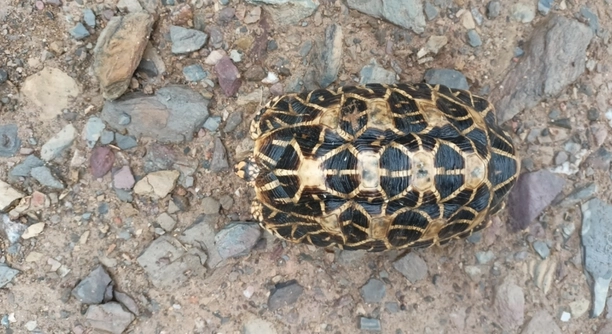
Star tortoises are fascinating creatures, but they can sometimes be a bit shy when it comes to exploring. Encouraging your tortoise to explore more can benefit its physical and mental health. Here’s how you can help.
To encourage your star tortoise to explore more, you should create an enriching environment with hiding spots, varied textures, and obstacles. Allowing your tortoise to roam safely and offering new challenges will spark curiosity and promote healthy movement.
There are simple ways to help your tortoise feel comfortable and engage more. Creating a suitable space will motivate them to explore and lead to better well-being.
Set Up a Safe, Stimulating Environment
A well-planned enclosure is key to getting your star tortoise to explore more. Make sure your tortoise has enough space to roam freely while ensuring it remains safe. Start with providing varied textures, like grass, leaves, and rocks. A few hiding spots will help your tortoise feel secure and encourage curiosity. You can also add small obstacles such as ramps or tunnels to engage your tortoise further.
Remember to adjust the environment based on your tortoise’s comfort level. If it’s too overwhelming, it may retreat. Balance is important—give enough stimulation to spark interest without causing stress.
Creating a safe environment doesn’t only benefit exploration. It also helps with your tortoise’s physical activity, which is crucial for its health. A stimulating setup promotes exercise, strengthens muscles, and keeps your pet physically active. Avoiding flat or uniform enclosures is key. Star tortoises are naturally curious, and the more engaging their surroundings, the more likely they are to explore. Over time, they will begin to associate the environment with fun and safety.
Temperature and Lighting Matter
Ensure your tortoise has the proper lighting and temperature. These conditions influence its activity levels. Star tortoises thrive in warm environments, and appropriate lighting helps mimic the natural sun cycle.
Proper heat helps your tortoise stay active and comfortable. Keep the basking area warm enough to encourage movement, and add a cool area for them to retreat to when needed. The right lighting is crucial for digestion and overall health.
Provide Hiding Spots and Structures
Adding hiding spots and structures in the enclosure encourages exploration. Your star tortoise will feel safer if there are places to retreat to when needed. Items like small caves, overturned flower pots, or tunnels will give your tortoise opportunities to explore without feeling exposed.
These hiding spots also provide mental stimulation and encourage natural behavior. Tortoises enjoy roaming and investigating new spaces, and the hiding spots allow them to feel secure enough to explore further. Be sure to place them in different areas of the enclosure to motivate movement across the space.
By adding these elements, you’re creating a dynamic environment where your tortoise can engage its instincts. A comfortable and stimulating space will encourage your pet to move around and investigate its surroundings, helping to improve its overall well-being. Over time, your tortoise will become more confident and curious.
Vary Food Offerings
Different types of food not only keep your star tortoise healthy but can also serve as an incentive for exploration. Try varying the diet with different types of greens, vegetables, and occasional fruits. The presence of unfamiliar food will entice your tortoise to move around and investigate.
Place food in different areas of the enclosure to encourage movement. Star tortoises love to forage, so scattering food in various spots will promote their natural foraging instincts. This makes meal times more interactive and rewarding. Just be sure to adjust the food offerings based on your tortoise’s dietary needs and preferences.
This method not only encourages exploration but also contributes to your tortoise’s health. The movement while foraging provides physical exercise, which is important for your tortoise’s overall strength. Over time, your tortoise will begin associating exploration with finding new food sources.
Allow Time Outside the Enclosure
Giving your star tortoise time outside the enclosure can help encourage exploration. When safe, let it roam in a controlled, secure area like a room or garden. Make sure the space is free of potential dangers like other pets or sharp objects.
This time outside the enclosure will provide new environments and textures for your tortoise to explore. They’ll be able to experience different surfaces and areas that may spark more curiosity and activity. A change of scenery can be a simple yet effective way to stimulate exploration.
It’s important to supervise your tortoise during these times to ensure its safety. Provide a safe, secure space for it to roam and explore freely. You can gradually increase the time spent outside as your tortoise becomes more comfortable with this new space.
Encourage Natural Foraging
Encourage your star tortoise’s natural foraging behaviors by hiding food in various places. This simple method taps into its instincts and motivates it to move around.
Foraging will help keep your tortoise mentally and physically active, boosting its interest in exploring its surroundings. Use leafy greens, small flowers, and veggies to hide around the enclosure, making your tortoise search for its meals.
Observe Behavior and Adjust
Take note of how your star tortoise responds to different activities and spaces. Some might be more active in certain environments, while others may prefer quieter corners.
Adjusting the setup based on your tortoise’s behavior will improve its comfort and exploration. By observing and making small changes, you’ll create a more engaging environment for your pet.
FAQ
How do I know if my star tortoise is happy?
A happy star tortoise will exhibit certain behaviors like regular movement, curiosity, and foraging. It should actively explore its environment, bask in warm areas, and eat regularly. If your tortoise is inactive, hiding often, or refusing food, it could be a sign of stress or illness. Ensure its enclosure is safe, properly sized, and equipped with the right temperature and lighting. Keeping track of its activity and eating habits will help you identify if it’s happy or needs adjustments to its environment.
Can I let my star tortoise roam freely indoors?
Yes, you can let your star tortoise roam indoors, but it’s essential to make sure the area is safe. Remove any harmful objects like small items it could swallow or dangerous plants. Set up a controlled area where your tortoise can explore without being at risk of escaping or getting injured. Always supervise them closely during this time to prevent accidents, especially around other pets. A dedicated playpen or tortoise-safe space is ideal for these roaming sessions.
How can I tell if my star tortoise is sick?
Sick star tortoises often show signs such as lack of appetite, lethargy, abnormal breathing, or watery eyes. If your tortoise is acting unusually still, has difficulty moving, or seems disinterested in food, it’s time to check for health issues. Other signs include shell deformities, unusual discharge from the nose or mouth, and swollen limbs. If you notice these symptoms, consult with a reptile veterinarian for a proper diagnosis and treatment.
What temperature should my star tortoise’s habitat be?
Star tortoises require a temperature gradient in their enclosure. The basking area should be around 90-95°F (32-35°C), and the cooler side should be between 75-80°F (24-27°C). A temperature drop at night is natural, but avoid letting it fall below 70°F (21°C). Use a heat lamp and a UVB light to mimic natural sunlight. Regularly monitor the temperature with a thermometer to ensure it stays within the right range for your tortoise’s health.
What kind of lighting does my star tortoise need?
Star tortoises need both heat and UVB lighting. UVB light helps them process calcium properly, which is essential for shell and bone health. Place a UVB light in the enclosure for 10-12 hours a day, and use a basking lamp to create a warm spot for your tortoise to soak up heat. It’s important to change UVB bulbs every 6-12 months, as their effectiveness diminishes over time.
Can I feed my star tortoise fruit?
Yes, your star tortoise can eat fruit, but it should be given sparingly. Fruits are high in sugar, and too much can lead to digestive issues or obesity. Stick to offering fruits like strawberries, melons, and apples as occasional treats, and ensure they make up only a small portion of the diet. The majority of your tortoise’s food should be leafy greens and vegetables to maintain a healthy balance.
How often should I feed my star tortoise?
Star tortoises should be fed daily, but the portion size should be appropriate for their size and age. Juvenile tortoises need more frequent meals, while adults can be fed every other day. Offer a variety of leafy greens, grasses, and a small amount of vegetables daily. Be sure to provide fresh water at all times, as hydration is crucial for their health. Monitor your tortoise’s weight and adjust the amount of food accordingly to avoid overfeeding.
What should I avoid feeding my star tortoise?
Avoid feeding your star tortoise anything high in oxalates, like spinach or rhubarb, as they can interfere with calcium absorption. Also, steer clear of foods that are too rich in protein or too high in sugar. This includes foods like lettuce (which lacks nutrients), processed foods, or anything with added chemicals or preservatives. Toxic plants, such as dandelions treated with pesticides, should also be avoided. Always research before introducing a new food into their diet.
How can I help my star tortoise lose weight?
To help a star tortoise lose weight, focus on reducing the amount of high-calorie, high-fat foods it eats. Offer more fibrous greens like dandelion greens, collard greens, or clover. Ensure the tortoise gets enough exercise by providing a larger, more stimulating environment for it to roam. If needed, consult a vet to develop a proper weight management plan for your tortoise. Reducing food portions and increasing activity will help promote healthier weight.
Can I house multiple star tortoises together?
It’s not always recommended to house multiple star tortoises together unless you have a large enough space to accommodate them. Star tortoises are solitary creatures and may become territorial or aggressive towards each other. If you do decide to house them together, ensure there’s enough space for each tortoise to have its own basking spot, hiding area, and food sources. Keep a close eye on their behavior and separate them if any aggression is observed.
Final Thoughts
Encouraging your star tortoise to explore more doesn’t have to be complicated. By setting up a safe and stimulating environment, you can naturally motivate your tortoise to move around and discover its surroundings. Small changes, like adding hiding spots or structures, can make a big difference in increasing your tortoise’s activity. Additionally, offering varied food placements or even allowing time outside its enclosure can provide your pet with the right incentive to be more active and curious. Ensuring that its habitat meets its basic needs, such as proper lighting, temperature, and space, will create an environment where your tortoise feels comfortable enough to roam and explore.
It’s important to remember that each tortoise is unique, and what works for one might not work for another. Keep an eye on your star tortoise’s behavior and make adjustments as necessary. If your tortoise seems particularly shy or reluctant to explore, try gently altering the environment and introducing new activities in a way that feels safe and manageable for it. It may take some time for your tortoise to become fully comfortable, so be patient and observe how it reacts to different changes. Some tortoises may take longer to adjust, while others may quickly begin exploring their new surroundings.
Ultimately, helping your star tortoise explore more will not only enhance its quality of life but also improve its overall well-being. A healthy balance of mental stimulation, physical activity, and comfort is key to ensuring your tortoise stays happy and engaged. Keep your tortoise’s needs in mind, and with time, you’ll see it becoming more active and curious about its environment. By fostering an environment where exploration feels safe and rewarding, you’ll be helping your star tortoise thrive.

Hello,
If you enjoy the content that we create, please consider saying a "Thank You!" by leaving a tip.
Every little bit helps us continue crafting quality advice that supports the health, happiness, and well-being of pets around the world, for pets of all shapes, sizes, and species.
We really appreciate the kindness and support that you show us!