
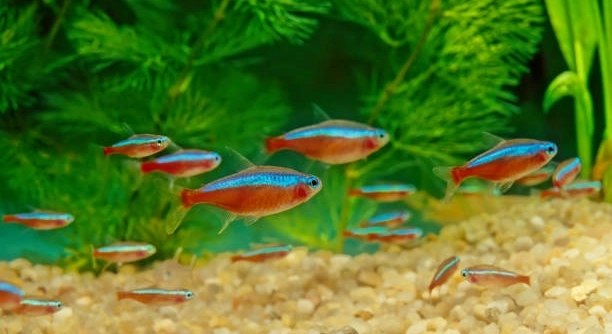
Encouraging schooling in New Tetra is important for their well-being and natural behavior. These small fish often feel safer and more confident when they swim together in groups. Understanding how to support this schooling can improve their health and happiness.
New Tetras exhibit schooling behavior as a defense mechanism and social interaction. Providing appropriate tank conditions, consistent water quality, suitable group sizes, and environmental enrichment encourages natural schooling behavior and reduces stress in these fish.
Learning the right tips for encouraging schooling can enhance your aquarium’s environment and promote healthier fish behavior overall.
Choosing the Right Tank Size and Setup
A suitable tank size is essential for encouraging schooling in New Tetras. They need enough space to swim freely and form groups comfortably. A tank of at least 20 gallons is recommended for a small school of these fish. The shape of the tank matters, too. Longer tanks provide more horizontal swimming space, which suits schooling behavior better than tall, narrow tanks. Along with space, the environment inside the tank plays a role. Include plenty of hiding spots like plants and decorations that mimic their natural habitat. This helps reduce stress and allows the fish to feel secure while they swim together. Keeping the water clean and stable with regular maintenance supports their health and encourages schooling. Proper lighting also helps mimic natural conditions, making the fish more active. With the right tank setup, New Tetras will feel comfortable and more likely to exhibit schooling behavior naturally.
A 20-gallon tank with ample swimming space and natural decor creates a stable environment where New Tetras thrive. This setup supports their schooling instincts and overall well-being.
Creating a tank that balances open swimming space and secure hiding spots encourages New Tetras to stay close together. Plants such as Java moss or floating species can add cover while maintaining open areas for movement. Consistent water parameters also reduce stress, helping fish focus on group behavior. Proper filtration and gentle water flow mimic natural streams and enhance their comfort. When New Tetras have space and security, schooling happens more naturally and consistently, making your aquarium more lively and healthy.
Maintaining Water Quality and Temperature
Stable water quality is vital for New Tetras to feel safe and school effectively. These fish are sensitive to sudden changes in their environment. Maintaining a temperature between 72°F and 78°F keeps them comfortable. Frequent water testing helps monitor ammonia, nitrite, and nitrate levels, which should remain low. Regular water changes, about 20% weekly, prevent harmful buildup. Keeping water parameters stable reduces stress, allowing fish to focus on social behavior rather than survival. Avoid overcrowding, which can quickly degrade water quality. Using a reliable filter that provides gentle circulation keeps the water clean without disturbing the fish’s natural swimming patterns. Proper care of the tank environment encourages healthy schooling and longer, happier lives for New Tetras.
Water quality and temperature have a direct effect on schooling. Consistency in these factors promotes calm and cooperative fish behavior.
Providing Proper Group Sizes
New Tetras are schooling fish and need to be in groups of at least six to feel secure. Smaller groups may cause stress and reduce natural schooling behavior. Keeping a consistent number supports their social instincts.
Maintaining an appropriate group size is key for natural schooling behavior. A group of six or more allows New Tetras to coordinate movements and feel safer. Larger schools tend to display more fluid and synchronized swimming patterns. When kept in smaller numbers, these fish often become shy or hide more, which affects their overall health. It’s important to add fish gradually and monitor how well they integrate. Sudden changes in group size can cause stress and disrupt established social bonds.
Keeping the group stable and balanced is also important. Avoid mixing incompatible species or overcrowding the tank. When New Tetras have enough companions to school with, their confidence increases, and the entire aquarium becomes livelier.
Feeding to Support Schooling Behavior
Feeding New Tetras a balanced diet promotes energy and activity needed for schooling. Small, frequent meals prevent aggression and stress during feeding times. Variety in their diet keeps them healthy.
A diet rich in high-quality flakes, micro pellets, and live or frozen foods like brine shrimp or daphnia provides essential nutrients. Proper nutrition supports muscle strength and stamina, which are necessary for coordinated swimming. Feeding small amounts multiple times a day mimics natural feeding habits and reduces competition. Avoid overfeeding, which can lead to water quality problems and lethargy. Feeding at consistent times helps establish a routine, encouraging fish to swim together and be active.
In addition to quantity and quality, paying attention to feeding behavior is helpful. If some fish are not eating well or appear stressed, it may affect schooling cohesion. Balanced feeding supports their health, activity, and natural group behavior, creating a vibrant tank environment.
Minimizing Stress in the Aquarium
Stress disrupts schooling and weakens New Tetras’ immune systems. Avoid sudden changes in water conditions and handle the fish gently to keep them calm. A peaceful environment supports natural group behavior.
Providing hiding spots and reducing loud noises help New Tetras feel secure. Stress-free fish school more reliably and show healthier activity levels. Consistent care lowers risks of illness and promotes stable social groups.
Using Tank Decorations Wisely
Decorations should create both open swimming space and safe areas. Plants, rocks, and driftwood provide cover and mimic natural environments. Avoid overcrowding the tank with too many decorations to keep movement free.
Avoiding Aggressive Tankmates
Aggressive fish cause stress and break schooling patterns in New Tetras. Choose peaceful, compatible species to maintain harmony. Aggression disrupts group behavior and may lead to injury or hiding.
Monitoring Schooling Behavior Regularly
Regular observation helps identify issues early. Notice if fish swim apart, hide excessively, or show signs of stress. Early intervention supports recovery and restores natural schooling.
FAQ
Why do New Tetras sometimes stop schooling?
New Tetras may stop schooling due to stress, illness, or unsuitable tank conditions. Changes in water quality, temperature, or group size can cause them to scatter or hide. Aggressive tankmates or overcrowding may also disrupt their natural behavior. Monitoring these factors helps maintain consistent schooling.
How many New Tetras should I keep together?
A minimum of six New Tetras is recommended for proper schooling. Smaller groups can lead to stress and shy behavior, while larger groups promote more natural and coordinated swimming. Keeping a stable group size supports social bonding and reduces anxiety.
What is the ideal water temperature for New Tetras?
New Tetras thrive best in water temperatures between 72°F and 78°F (22°C to 26°C). Maintaining a stable temperature within this range helps reduce stress and encourages active schooling. Sudden fluctuations should be avoided to keep the fish comfortable.
Can New Tetras school with other fish species?
New Tetras prefer schooling with their own kind but can sometimes join peaceful species with similar size and behavior. Avoid aggressive or much larger tankmates that may stress or harm them. Compatibility is important for maintaining their natural schooling behavior.
How often should I feed New Tetras?
Feeding small amounts two to three times a day is ideal. This routine mimics their natural feeding habits and reduces competition and aggression during feeding times. Offering a balanced diet including flakes, pellets, and occasional live or frozen foods supports their health and activity.
What tank size is best for schooling New Tetras?
A tank of at least 20 gallons provides enough space for a small school of New Tetras to swim freely. Longer tanks are preferable as they offer more horizontal space, which is better for schooling. Adequate space reduces stress and encourages natural group behavior.
How do I know if my New Tetras are stressed?
Signs of stress include hiding, loss of appetite, faded color, erratic swimming, or separation from the group. Stress can weaken their immune system, making them more susceptible to illness. Maintaining stable water conditions and a peaceful environment reduces these risks.
What plants are best for a New Tetra tank?
Live plants like Java moss, Anubias, and floating plants provide cover and replicate natural habitats. These plants offer hiding spots without crowding the swimming area. Proper balance between open space and shelter encourages schooling and reduces stress.
Is it okay to mix different tetra species?
Mixing different tetra species can work if they have similar size, temperament, and water needs. However, some species may not school together well and could compete for space or food. Research compatibility carefully to avoid disrupting natural schooling behavior.
How important is water quality for New Tetras?
Water quality is crucial. High ammonia, nitrite, or nitrate levels cause stress and illness, which impact schooling. Regular water testing, proper filtration, and scheduled water changes keep the environment safe and stable, encouraging healthy social behavior.
What should I do if my New Tetras are not schooling?
Check tank conditions, water quality, temperature, and group size first. Make sure there are no aggressive tankmates causing stress. Providing hiding spots and ensuring consistent feeding can help. If illness is suspected, isolate affected fish and treat appropriately.
Can lighting affect schooling behavior?
Yes. Proper lighting that mimics natural day and night cycles supports activity and schooling. Too much light or sudden changes may stress fish. Using a timer for consistent lighting helps maintain their natural rhythm and encourages group swimming.
How do I introduce new New Tetras to an existing school?
Add new fish gradually and quarantine them first to prevent disease. Introduce them during calm periods, and monitor interactions closely. New fish may be shy at first but will join the school as they feel safe. Keeping group size stable is important during introductions.
What role do hiding spots play in schooling?
Hiding spots reduce stress and give fish places to retreat if threatened. Feeling secure helps New Tetras relax and engage in schooling behavior more naturally. A mix of open swimming space and safe shelters is ideal for maintaining healthy social groups.
How often should I clean the tank to support schooling?
Weekly water changes of about 20% help maintain water quality without stressing fish. Cleaning filters and removing debris regularly prevents harmful buildup. A clean, stable environment reduces stress and promotes consistent schooling behavior.
Final Thoughts
Encouraging schooling in New Tetras requires attention to several key factors, from tank size to water quality. These fish rely on group behavior for safety and comfort, so providing the right environment is essential. A tank with enough space and proper decorations helps them feel secure while allowing freedom to swim together. Consistent care, including regular water changes and stable temperature, reduces stress and supports natural schooling. Keeping an appropriate number of fish together ensures they can form the social bonds that make schooling possible.
Feeding is another important element to consider. A balanced diet given in small, frequent meals keeps New Tetras healthy and active. Overfeeding or irregular feeding can lead to water problems and stress, which interfere with schooling behavior. Choosing peaceful tankmates and avoiding aggressive species also helps maintain harmony within the aquarium. Stress from bullying or overcrowding can cause fish to scatter or hide, breaking up their groups. By managing these factors carefully, it is possible to create a calm, stable environment where New Tetras can thrive.
Finally, observing your fish regularly gives insight into their behavior and health. Changes in schooling patterns can signal problems such as illness or poor water conditions. Early detection allows for quick action to restore balance in the tank. When the conditions are right, New Tetras show lively, coordinated swimming that reflects their natural instincts. Maintaining a well-balanced, clean environment with thoughtful care will promote long-term schooling behavior and overall well-being for these charming fish.

Hello,
If you enjoy the content that we create, please consider saying a "Thank You!" by leaving a tip.
Every little bit helps us continue crafting quality advice that supports the health, happiness, and well-being of pets around the world, for pets of all shapes, sizes, and species.
We really appreciate the kindness and support that you show us!