
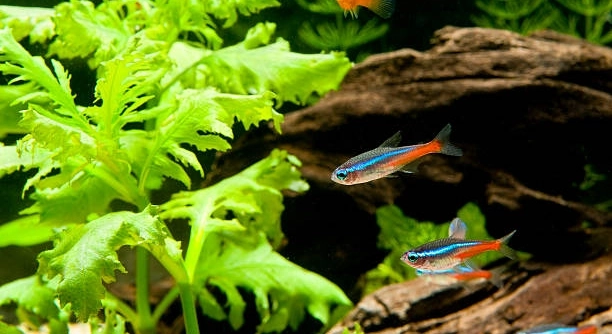
Neon Tetras are beautiful and active fish, but they can sometimes show signs of illness that might not be immediately noticeable. Detecting these subtle signs early is crucial for their health and well-being.
To detect illness in Neon Tetras, pay attention to changes in behavior, eating habits, and appearance. Subtle signs such as lethargy, faded colors, and unusual swimming patterns may indicate health issues that require immediate attention.
Understanding these signs will help you monitor your fish and take action before their condition worsens. Early detection can improve their chances of recovery and maintain the overall health of your aquarium.
Signs of Illness in Neon Tetra: What to Look For
Neon Tetras are known for their vibrant colors and active swimming patterns. However, these small fish can be sensitive to changes in water quality, diet, and environmental factors. When they’re unwell, these signs may not be obvious right away. It’s important to recognize the early signs of illness to prevent the issue from worsening. Pay attention to subtle changes like reduced activity, fading colors, or changes in swimming behavior. These can indicate stress or disease. The sooner you notice these changes, the easier it will be to treat the problem and protect your fish.
Small shifts in behavior can indicate a problem. For example, Neon Tetras may start to swim erratically or hide more than usual. These are signs that something is wrong. If you notice this behavior, it’s time to observe them closely for other symptoms like loss of appetite or abnormal body shape.
Keep an eye on your fish’s appearance as well. Faded or dull colors could be an early warning sign. Healthy Neon Tetras are bright and colorful. If you notice their colors becoming dull or washed out, it could be due to stress, poor water conditions, or illness. It’s essential to address these concerns quickly to avoid long-term health issues. Maintaining a proper tank environment and a healthy diet can help prevent many of these problems. A clean tank and consistent water conditions are key to keeping your fish vibrant and active.
Environmental Stress and Its Impact on Neon Tetras
Stress is one of the main factors that can affect the health of Neon Tetras. They thrive in stable environments, and sudden changes can cause them significant distress. Factors such as poor water quality, inappropriate tank mates, or incorrect temperature can trigger stress responses. This can lead to weakened immune systems and make them more susceptible to diseases. It’s essential to keep a close watch on the environment of your aquarium and ensure that it’s suitable for your fish.
Water quality plays a huge role in your Neon Tetra’s well-being. If the water becomes too dirty or the parameters aren’t right, your fish may start to show signs of stress. Check the pH, hardness, and ammonia levels regularly. Keeping the water clean and consistent ensures a healthy environment for your fish to thrive. Additionally, avoid overcrowding the tank, as this can also lead to stress. Neon Tetras need their space to swim freely and maintain their health. With the right care, these small fish can remain happy and vibrant.
Eating Habits: A Key Indicator of Health
If your Neon Tetra stops eating or becomes picky with its food, this could be a sign of illness. Changes in eating habits are often linked to stress or health problems. Healthy fish are active feeders and eat regularly.
Loss of appetite may occur if your fish is stressed or dealing with a disease. It can also happen due to poor water quality or unsuitable food. If you notice your Neon Tetra losing interest in food, it’s important to check water parameters immediately. Poor water quality or high ammonia levels can affect their appetite. If the problem continues, it may indicate a more serious issue, and a water change may be necessary. It’s crucial to observe the fish’s behavior over a few days to identify if the eating habits normalize.
In some cases, Neon Tetras may nibble or pick at food but still seem disinterested overall. This can be linked to bacterial infections or parasites. If your fish continues to show no interest in eating or eats very little, it’s essential to adjust the tank environment and possibly seek advice from a veterinarian specializing in fish health.
Physical Appearance: Look for Subtle Changes
Neon Tetras are known for their bright, vibrant colors, which are often a sign of good health. If the colors start to fade or look dull, it could be a signal that your fish is unwell. Pay attention to these changes in their appearance.
Color fading is a common symptom of stress, poor diet, or illness. Neon Tetras lose their bright colors when they are stressed or when their immune system is compromised. One of the causes could be poor water quality, which affects their health and causes them to become pale. Another possibility is that they’re dealing with a disease, such as a bacterial or parasitic infection. Keeping a stable water temperature and ensuring the tank is clean can help maintain their vibrant color. A healthy diet with proper nutrition also supports the fish’s bright and shiny appearance. If you notice prolonged fading, consider changing the water and reviewing their diet and environment.
Physical appearance changes can also be more severe. Swelling, lesions, or abnormal growths are other symptoms to look for. These could indicate an underlying infection or injury. Check your fish regularly and look for any unusual marks on their bodies.
Abnormal Swimming Patterns
Neon Tetras are typically active and graceful swimmers. If you notice your fish swimming erratically, darting around the tank, or staying near the surface or bottom for extended periods, it could be a sign of stress or illness.
Changes in swimming patterns are often linked to poor water conditions, parasites, or bacterial infections. Neon Tetras may start to swim in circles or exhibit unusual swimming motions when they are feeling unwell. It’s important to observe their movements closely. Sometimes, these issues can resolve by improving water quality, but other times they may require treatment for underlying diseases.
Respiratory Issues
If your Neon Tetra is constantly at the surface or appears to be gasping for air, this is a sign of respiratory distress. It’s crucial to act quickly.
Respiratory problems in Neon Tetras can result from low oxygen levels, high ammonia, or diseases like gill flukes. Inadequate filtration, overcrowding, or poor water conditions are often the main causes of such issues. Ensure proper aeration in the tank and check the water parameters to ensure oxygen levels are sufficient. If the problem persists, you may need to seek treatment from a fish expert.
Skin and Fin Damage
Neon Tetras can sometimes develop injuries, wounds, or fin damage. These can be caused by fighting, tank mates, or poor water conditions.
Check your fish for torn fins or damaged scales, which are indicators of physical trauma or infections. Such damage can lead to more serious problems if not addressed. Injuries may also be caused by aggressive tank mates, so make sure the tank environment is peaceful and safe for all fish. Regular water changes and a proper diet can help speed up the healing process for any minor injuries.
FAQ
What causes Neon Tetras to lose their color?
Neon Tetras may lose their color due to stress, poor water quality, or illness. Stress factors like sudden changes in the tank environment, overcrowding, or incompatible tank mates can cause them to fade. Illnesses, such as bacterial or parasitic infections, can also result in dull colors. Poor diet and improper water conditions (like low oxygen levels or high ammonia) can weaken their immune system and affect their appearance. Keeping the tank clean and maintaining consistent water parameters will help preserve their vibrant colors.
How can I tell if my Neon Tetra is stressed?
Signs of stress in Neon Tetras include erratic swimming, hiding more than usual, or changes in eating habits. If your fish is constantly darting around the tank or spending more time at the surface or bottom, it may be stressed. Additionally, faded colors, loss of appetite, or increased aggression towards other fish are common stress indicators. To reduce stress, make sure your tank’s water quality is optimal and that your Neon Tetras are housed with compatible tank mates.
Why is my Neon Tetra swimming upside down or on its side?
If your Neon Tetra is swimming upside down or on its side, it could be suffering from a swim bladder disorder. The swim bladder helps fish maintain buoyancy, and issues with it can cause the fish to lose control over its swimming position. This condition can be caused by overfeeding, poor water quality, or injury. If the problem persists, a change in diet and water quality may help. In more severe cases, a visit to a vet who specializes in fish might be needed to address the issue.
What should I do if my Neon Tetra is not eating?
A lack of appetite in Neon Tetras can indicate stress, illness, or poor water conditions. Start by checking the water quality, as high ammonia or nitrite levels can reduce their appetite. If the water is fine, check for signs of illness, such as faded colors or abnormal swimming patterns. Ensure that the food you’re offering is appropriate and not too large or difficult to digest. If the problem continues, consider adjusting the tank environment or consulting a fish expert.
How do I know if my Neon Tetra has an infection?
Infections in Neon Tetras are often signaled by physical symptoms like lesions, discoloration, swollen areas, or abnormal growths. You may also notice behavioral changes, such as lethargy or a lack of appetite. External parasites, such as ich, can cause white spots on the skin, while bacterial infections may lead to ulcers or redness. Infections should be treated promptly to prevent them from spreading to other fish. A clean, well-maintained tank and proper filtration are key to preventing infections.
Can I treat Neon Tetras with over-the-counter medications?
Over-the-counter medications can be effective in treating minor illnesses in Neon Tetras, such as external parasites or mild bacterial infections. Before using any treatment, make sure to identify the problem accurately. Medications like copper-based treatments can be useful for parasites, while antibiotics may be needed for bacterial infections. Always follow the instructions carefully, as improper use of medication can harm your fish. If the problem is severe or persists, it’s a good idea to consult a veterinarian for a more targeted treatment plan.
Why is my Neon Tetra staying at the top of the tank?
If your Neon Tetra is staying at the top of the tank, it could be an indication of low oxygen levels or poor water quality. Fish often seek the surface when they are unable to get enough oxygen from the water. It could also be a sign of stress or illness, as fish may swim towards the surface in an attempt to escape unfavorable conditions. Check the oxygen levels in your tank, and make sure the water is properly aerated. If the problem persists, test for ammonia, nitrate, and nitrite levels and perform a water change if necessary.
What are some common diseases in Neon Tetras?
Common diseases that affect Neon Tetras include ich (white spot disease), fin rot, and velvet disease. Ich is caused by a parasite that leads to white spots on the fish’s body, while fin rot results in the deterioration of the fins and tail, often due to bacterial infection. Velvet disease causes a yellow or gold dusting on the skin of the fish, which is a parasitic infection. Proper water quality, quarantine of new fish, and prompt treatment of symptoms can help prevent and manage these diseases.
How do I maintain proper water quality for Neon Tetras?
Maintaining proper water quality is essential for keeping Neon Tetras healthy. Regular water changes of about 20-25% each week will help keep toxins at bay. Test the water for pH, ammonia, nitrites, and nitrates regularly to ensure they remain within safe levels. Neon Tetras prefer slightly acidic to neutral water, with temperatures between 72°F and 78°F. Installing a reliable filtration system will help maintain the water’s cleanliness, and adding live plants can also aid in keeping the environment stable. Avoid overcrowding the tank, as it can lead to poor water quality and stress for your fish.
Can Neon Tetras live with other fish?
Neon Tetras are peaceful and generally do well with other small, non-aggressive fish. They can be kept with species like Corydoras, small livebearers, and other peaceful tetras. Avoid keeping them with large, aggressive fish, as they may stress or injure your Neon Tetras. It’s essential to ensure that the tank mates share similar water quality requirements and temperaments. Always monitor their interactions and behavior closely to ensure all fish are thriving.
Final Thoughts
Taking care of Neon Tetras requires attention to their environment and health. These small, vibrant fish are relatively easy to care for, but they can be sensitive to changes in water quality and tank conditions. Regular water changes, a stable temperature, and proper filtration are all key components in keeping your fish healthy. Monitoring their behavior and appearance will help you catch any potential issues early, ensuring that they thrive in their tank.
Neon Tetras are known for their bright colors and peaceful nature. They can live harmoniously with other small fish, making them a great addition to community tanks. However, like any pet, they need a suitable environment to flourish. Keeping an eye on their health, ensuring proper nutrition, and observing their behavior will help you identify signs of illness or stress. By addressing any issues promptly, you can maintain a healthy, happy tank.
Overall, Neon Tetras can be a delightful and rewarding fish to care for. Their active nature and striking appearance make them a popular choice among aquarium hobbyists. With the right care, these fish can live for several years, bringing beauty and life to your tank. By keeping their water quality in check and providing a stress-free environment, you can enjoy watching these colorful creatures swim gracefully in your aquarium for a long time.

Hello,
If you enjoy the content that we create, please consider saying a "Thank You!" by leaving a tip.
Every little bit helps us continue crafting quality advice that supports the health, happiness, and well-being of pets around the world, for pets of all shapes, sizes, and species.
We really appreciate the kindness and support that you show us!