
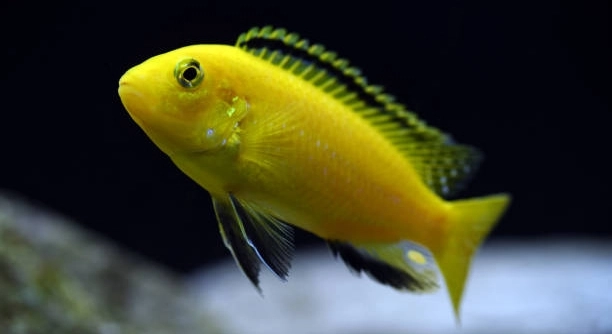
Convict cichlids are colorful and active fish that can bring life to any home aquarium. Creating a comfortable and stimulating environment for them is important for their well-being and natural behaviors. Proper decoration can make a big difference.
The best way to decorate a tank for convict cichlids is to provide hiding spots, sturdy rocks, and sand or fine gravel. Decorations should mimic their natural habitat while allowing space for swimming and territorial behavior. Avoid sharp or unstable objects.
A well-arranged tank helps these fish feel secure and display natural behaviors. Following simple guidelines can create a healthy and visually appealing environment.
Choosing the Right Substrate
The foundation of a convict cichlid tank starts with selecting the proper substrate. Sand and fine gravel are ideal because these fish enjoy digging and moving materials around. Sand allows for easy burrowing, which supports their natural behaviors, while fine gravel provides stability for plants and decorations. Avoid sharp gravel that could injure their delicate fins or gills. A uniform substrate layer of two to three inches works best. It should be rinsed thoroughly before adding it to the tank to prevent cloudiness and contaminants. Substrate color can also influence the tank’s appearance; neutral tones often highlight the vibrant colors of convict cichlids without overwhelming the space. Using a natural-looking substrate not only improves aesthetics but also creates an environment that encourages territorial and breeding behaviors. This small change sets a strong foundation for a thriving aquarium and makes maintenance simpler over time. Proper substrate ensures fish comfort and healthy interactions.
Sand or fine gravel gives convict cichlids a safe base. It supports digging and prevents injuries while maintaining a natural look for the tank.
Having the right substrate changes how cichlids explore and interact with their space. They can dig, move objects, and establish territories, which is essential for reducing stress. Plants and decorations stay secure, preventing accidents or water quality issues. A consistent substrate layer helps with filtration, as debris sinks into the material rather than floating, which simplifies cleaning. Choosing the correct substrate complements other tank features like rocks, caves, and driftwood, creating a harmonious environment. Over time, this setup encourages active behaviors, making fish more vibrant and healthier. It also supports breeding, as the fish feel safe to lay eggs and defend their nests. Proper substrate selection combines practicality, aesthetics, and animal welfare, forming a solid base for the entire tank layout.
Adding Hiding Spots and Decorations
Hiding spots are essential for reducing stress and encouraging natural behaviors. Caves, rocks, and driftwood provide security and territories.
Rocks and driftwood can be arranged to create tunnels and caves, giving convict cichlids private spaces to retreat and explore.
Decorations should balance open swimming areas with secluded zones. Convict cichlids are territorial, so multiple hiding spots prevent aggression by allowing each fish its own space. Natural materials like rocks and driftwood are preferred because they do not leach harmful chemicals. Arrange them securely to prevent collapsing or injury. Smooth stones can create ledges, while larger pieces of driftwood add visual interest and functional cover. Plants, either live or artificial, can further enhance hiding spots while providing surfaces for territorial marking. Overcrowding the tank with decorations can limit swimming space, so it’s important to leave open areas. Proper placement encourages healthy interactions, reduces stress, and supports breeding behaviors. This balance between shelter and space ensures a peaceful, stimulating environment where convict cichlids can thrive and display natural behaviors freely.
Selecting the Right Plants
Live plants provide natural cover and improve water quality. Hardy species like java fern or anubias are ideal for convict cichlids.
Plants should be anchored securely to prevent uprooting, as cichlids tend to dig. Using pots or attaching them to rocks and driftwood keeps them stable. Avoid delicate plants that will be destroyed quickly. Placement matters: group plants in corners or along the back to leave open swimming space. Plants also serve as visual barriers, reducing territorial conflicts. They contribute to oxygen levels and help absorb waste, supporting overall tank health. Choosing plants that tolerate the digging habits of cichlids ensures longevity and adds natural beauty to the tank.
Artificial plants can also work if maintained properly. While they do not improve water quality, they provide cover and decoration. Combine with rocks and driftwood for a balanced layout.
Proper plant selection and placement allow fish to feel secure. They can explore, hide, and claim territories without unnecessary stress, improving their behavior and coloration.
Maintaining Water Conditions
Consistent water quality is critical for convict cichlids’ health. Monitor pH, temperature, and ammonia levels regularly.
Use a reliable filter and perform partial water changes weekly to keep the environment stable. Water temperature should be maintained between 75–80°F, and pH around 6.5–7.5. Avoid sudden changes, as cichlids are sensitive to fluctuations, which can lead to stress or illness. Regularly test for nitrites and nitrates, ensuring they stay within safe limits. A heater may be necessary to maintain temperature, especially in cooler climates. Proper water circulation helps oxygenate the tank, supporting fish activity and plant growth. Monitoring and adjusting these factors ensures a thriving, balanced ecosystem.
Proper maintenance involves more than testing water. Cleaning the substrate, trimming plants, and inspecting decorations prevent waste buildup and reduce disease risk. Stable water conditions promote breeding, territorial behavior, and active swimming, making the tank more engaging. Regular observation allows early detection of health issues, ensuring convict cichlids remain vibrant and stress-free in a controlled environment.
Lighting Considerations
Moderate lighting works best for convict cichlids. Bright lights can stress them, while dim lighting can make the tank look dull.
Use a timer to maintain a consistent day-night cycle. This helps fish stay active during the day and rest at night.
Arranging Rocks and Caves
Rocks and caves create essential territories and hiding spots. Stack rocks securely to avoid collapse, and leave tunnels for fish to swim through. Ensure decorations do not block filtration or restrict movement. Placement should balance open swimming areas with secluded spots, helping reduce aggression and stress among cichlids. Rocks also offer surfaces for algae growth, which can be beneficial for some species’ natural grazing behaviors. By combining rocks with caves and driftwood, you can create a layered environment that feels natural and stimulating, encouraging exploration and healthy interaction between fish.
Avoiding Overcrowding
Too many fish or decorations can cause stress. Leave enough space for swimming and territorial behavior.
FAQ
How often should I rearrange decorations in a convict cichlid tank?
Rearranging should be minimal. Convict cichlids are territorial, and frequent changes can stress them. Small adjustments are fine, such as moving a plant slightly or adding a new hiding spot, but avoid large overhauls that disrupt established territories.
Can I mix convict cichlids with other fish?
Mixing them requires caution. Convict cichlids are aggressive, especially during breeding. Tank mates should be similarly sized, robust, and able to tolerate territorial behavior. Avoid small or passive species, as they can be bullied or injured. Proper hiding spots help reduce conflicts if mixing species.
What decorations are unsafe for convict cichlids?
Avoid sharp or fragile objects that can injure fins or break under digging activity. Painted or treated rocks may leach chemicals into the water. Decorations should be stable, non-toxic, and able to withstand the digging and rearranging habits of these fish.
Do live plants survive with convict cichlids?
Yes, but choose hardy species like anubias, java fern, or moss. Plant them securely in pots or attach to rocks and driftwood. Expect some digging and leaf nibbling, and avoid delicate species that will be destroyed quickly. Artificial plants can supplement live ones for hiding spots.
How many hiding spots should I include?
Provide multiple hiding spots to reduce aggression. Every fish should have access to a cave, rock tunnel, or dense plant area. This allows them to retreat and establish territories without constant conflict, promoting healthier behavior and reducing stress.
Can decorations affect breeding?
Yes, decorations play a major role. Convict cichlids need flat surfaces, caves, or secluded spots for laying eggs. Plants and rocks offer security, encouraging natural breeding behavior. Properly arranged territories reduce conflicts, increasing the chances of successful spawning.
How high should the substrate be?
A layer of two to three inches works best. Convict cichlids enjoy digging, and this depth allows burrowing while maintaining stability for plants and decorations. Too little substrate limits digging, while too much can trap waste and complicate cleaning.
Should I use driftwood in the tank?
Driftwood is recommended. It provides cover, climbing surfaces, and adds a natural look. It also creates shaded areas, which reduce stress and help establish territories. Ensure it is aquarium-safe, fully soaked, and securely placed to prevent shifting.
Do decorations influence water quality?
Yes, indirectly. Porous rocks or driftwood can slightly change water chemistry, but they also provide surfaces for beneficial bacteria. Plants help absorb nitrates and oxygenate the water. Decorations must be cleaned occasionally to prevent debris buildup, keeping water quality stable.
How do I prevent fights over decorations?
Provide multiple territories and open swimming areas. Use rocks, caves, and plants to break sightlines and create separate zones. Avoid overcrowding the tank, and monitor aggressive behavior. Rearranging or adding new hiding spots gradually can reduce conflicts while keeping fish active and comfortable.
Can I use artificial caves instead of rocks?
Yes, artificial caves work well. They are lightweight, stable, and easy to clean. Ensure they are non-toxic and do not have sharp edges. Combining artificial caves with natural rocks and driftwood creates variety while supporting territorial and hiding behaviors.
What maintenance is needed for decorations?
Clean decorations regularly to prevent algae buildup and trapped waste. Rinse or scrub rocks, artificial caves, and driftwood during water changes. Live plants may need pruning. Regular maintenance keeps the tank safe, attractive, and supportive of healthy fish behavior.
Do convict cichlids rearrange decorations themselves?
Yes, they often dig and move substrate or objects. This is natural and should be expected. Secure plants and heavier rocks to prevent accidents. Their behavior reflects territorial instincts and curiosity, and proper planning accommodates these habits without damage.
How do I balance open space and decorations?
Leave enough swimming space while providing adequate hiding spots. Avoid overcrowding with rocks or plants. Open areas allow fish to swim and display natural behaviors, while hiding spots reduce aggression and stress. A balanced layout keeps the tank functional, safe, and visually appealing.
Are there decorations that encourage breeding?
Flat stones, caves, and secluded plant areas encourage breeding. Convict cichlids prefer surfaces for egg-laying and need privacy for defending nests. Multiple options reduce fights and help pairs feel secure, increasing the likelihood of successful spawning.
How can I make the tank look natural?
Use a mix of rocks, driftwood, and plants. Vary heights, textures, and materials to mimic a natural riverbed. Neutral substrate and natural-colored decorations enhance the environment, making it visually appealing while supporting fish behavior and comfort.
Do decorations need to be heavy or fixed?
Yes, heavier or fixed decorations prevent collapse during digging. Secure rocks, caves, and driftwood to avoid injury. Anchoring plants or using pots stabilizes them. Proper setup ensures safety and allows cichlids to explore without disrupting the layout.
How do I clean plants and decorations without stressing fish?
Remove decorations during water changes or gently scrub them in tank water. Avoid strong chemicals. Trim live plants carefully. Perform maintenance gradually to prevent sudden disturbances and stress to fish while keeping the tank clean and healthy.
What materials are safe for DIY decorations?
Use aquarium-safe stones, ceramics, or untreated wood. Avoid metals, paints, or plastics not labeled for aquariums. Materials should be non-toxic, stable, and able to withstand digging or water exposure without degrading. Proper choice ensures safety and longevity.
Can decorations help shy fish become more confident?
Yes, hiding spots reduce stress and allow shy fish to explore at their own pace. Gradually, they become more active and confident. Proper placement encourages interaction without forcing exposure, creating a balanced and healthy environment.
How often should I inspect decorations?
Inspect monthly for stability, sharp edges, and algae buildup. Ensure rocks and caves haven’t shifted and plants remain secure. Regular checks prevent accidents and keep the environment safe, supporting the health and comfort of convict cichlids.
Final Thoughts
Creating a tank for convict cichlids is about balance. These fish are active, territorial, and curious, so their environment needs to reflect that. Providing the right substrate, rocks, plants, and hiding spots is essential for their well-being. Each decoration has a purpose, whether it is for digging, hiding, or establishing territory. By arranging the tank thoughtfully, you can reduce stress, prevent aggression, and encourage natural behaviors. Convict cichlids respond well to a stable, secure space, so planning the layout carefully before adding the fish makes maintenance easier and helps the fish feel comfortable in their home.
Water conditions are just as important as decorations. Regular monitoring of temperature, pH, ammonia, and nitrate levels ensures a healthy environment. Stable conditions support fish health and prevent disease. Decorations and plants also play a role in water quality. Live plants absorb some waste and contribute to oxygen levels, while properly cleaned rocks and artificial caves prevent debris from accumulating. A well-maintained tank allows fish to thrive, display vibrant colors, and interact naturally. Consistent care and observation help identify issues early and maintain a peaceful, active aquarium for convict cichlids.
Over time, the tank becomes more than just a container for fish; it becomes a dynamic environment. Watching convict cichlids explore, dig, and interact with their surroundings is rewarding. Each rock, plant, and cave contributes to their sense of security and stimulates their natural instincts. While setting up the tank takes planning, the result is a harmonious space where fish can grow, breed, and behave naturally. Maintaining a balance of open swimming space, hiding spots, and stable decorations ensures long-term health and reduces stress. A thoughtful approach to tank design allows convict cichlids to thrive while creating an attractive and functional aquarium.

Hello,
If you enjoy the content that we create, please consider saying a "Thank You!" by leaving a tip.
Every little bit helps us continue crafting quality advice that supports the health, happiness, and well-being of pets around the world, for pets of all shapes, sizes, and species.
We really appreciate the kindness and support that you show us!