
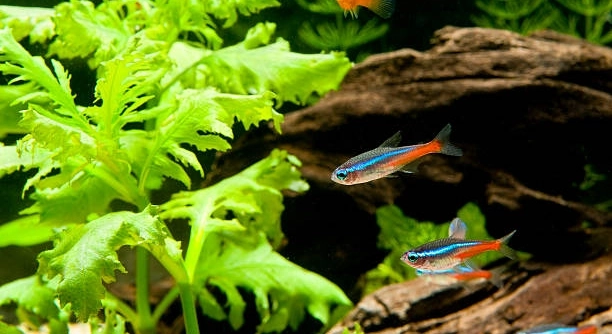
Are your neon tetras living in a tank that feels a bit too standard or lacking in creativity and personal touch?
Customizing your neon tetra tank setup involves thoughtful design, practical modifications, and aesthetic enhancements to support both the fish’s health and the tank’s visual appeal. These ideas can improve the overall habitat while keeping your tetras stress-free.
Each suggestion offers a practical way to make your aquarium more dynamic and suited to your neon tetras’ needs.
Add Natural-Looking Aquascapes
Creating a natural-looking aquascape can completely change how your tank feels. Start with a substrate that mimics riverbeds, like fine gravel or sand. Add driftwood, smooth stones, and real aquatic plants such as Java fern, Anubias, or Amazon swords. These not only enhance appearance but also give your neon tetras hiding spots and comfort. Avoid overcrowding; open swimming space is important. Layer the elements by placing taller plants and rocks in the background and smaller ones in front. A thoughtful layout creates depth and makes the tank more engaging. Natural designs mimic the fish’s original habitat, which can reduce stress and boost color vibrancy. Use dim lighting and leaf litter for a more authentic look. If done well, this approach offers both beauty and function.
Start small and let the layout develop over time. It’s more enjoyable and manageable that way, especially when plants and fish start interacting with the space naturally.
A well-balanced aquascape doesn’t just look good—it supports fish health. The plants help filter the water, and the shaded areas offer comfort. It becomes easier to observe your tetras’ behavior, and you’ll notice them exploring more when they feel secure. Keep things simple and maintain a clean, consistent environment.
Experiment with Floating Plants
Floating plants soften the lighting in your tank and make it feel more peaceful. They also help improve water quality and reduce algae by blocking excess light.
Try species like frogbit, water lettuce, or red root floaters. These are easy to care for and grow fast with the right light and nutrients. Just be sure to manage growth so they don’t block all the light from reaching plants below. Neon tetras often swim near the middle or top of the tank, and floating plants provide them a sense of cover. This makes them more confident and active. Use gentle surface flow to avoid disturbing the plants. Over time, you’ll notice a natural balance forming in your tank. The roots also offer a safe space for baby fish, if breeding ever becomes part of your setup. Floating plants are an easy, affordable way to bring variety and function to your neon tetra environment.
Add a Background to Enhance Depth
A tank background helps create the illusion of depth and makes your aquascape stand out more. It also hides equipment like cords, filters, and tubes, giving your setup a cleaner and more focused appearance.
You can use simple options like black or dark blue poster board, or go for 3D backgrounds with textured rock designs. Solid dark colors make your neon tetras appear brighter and more vivid. Stick-on vinyl backgrounds are easy to install and remove if you want to change things later. Some aquarists prefer natural-looking printed backdrops with images of plants and driftwood, which blend well with the tank’s interior. Avoid bright or detailed patterns that may overstimulate the fish. If you use a 3D background, ensure it’s made of aquarium-safe material. Choose a background that matches your tank’s overall theme so it enhances rather than distracts from the layout.
A background can also help reduce external stress for your fish. Blocking movement or light from behind the tank gives the tetras a more secure environment. If your aquarium sits near a busy area, this small addition can reduce skittish behavior. Over time, your fish may show better coloring and swim more freely. It’s a simple detail that makes a real difference.
Use Gentle Filtration for Calm Water Flow
Neon tetras are used to calm, slow-moving water, so gentle filtration works best. A strong current can cause stress and keep them from swimming naturally in the middle of the tank where they feel most comfortable.
Sponge filters are a great option, especially for smaller tanks. They offer mechanical and biological filtration while keeping the water flow soft. If you already have a hang-on-back filter or internal filter, try using a pre-filter sponge on the intake or adjust the flow rate if the device allows. Another option is to angle the output toward the glass to disperse the current. You can also add decorations or tall plants to break up water movement. Keeping the flow gentle will let your tetras maintain their schooling behavior without struggling. A consistent flow still ensures oxygenation and circulation, but it needs to stay mild. This adjustment creates a better balance between fish comfort and tank cleanliness.
Include Subtle LED Lighting Options
Soft LED lighting helps highlight your tank without overwhelming the fish. Neon tetras look their best under gentle, cool-toned lights that bring out their natural blue and red colors. Avoid bright or color-changing settings that may cause stress.
Use a timer to maintain a consistent day-night cycle. Around 8–10 hours of light per day is enough to support live plants and keep the tetras comfortable. Reliable, low-intensity lighting makes the tank feel balanced and calm.
Add a Few Peaceful Tank Mates
Adding peaceful tank mates gives your neon tetras more activity to interact with. Look for non-aggressive species like corydoras, kuhli loaches, or small rasboras. Avoid anything too large or fast that may intimidate your tetras. A community setup can help your fish feel more secure, encouraging natural schooling and swimming patterns. Always check the compatibility of each species and ensure the tank has enough space and hiding areas for all fish involved. Stick to fish with similar temperature and pH requirements to keep maintenance simple. Peaceful companions make the tank more dynamic without creating competition or stress.
Make Use of Leaf Litter
Adding Indian almond leaves or similar types of leaf litter can benefit water quality and help mimic natural blackwater habitats. They release tannins, which slightly soften the water and create a calming environment. Neon tetras often thrive better in this kind of setup.
FAQ
How many neon tetras should I keep in a tank?
Neon tetras are schooling fish, so they feel safest and happiest when kept in groups of at least 6–8. A larger group of 10–12 is even better. Keeping them in schools allows them to engage in their natural behaviors, like swimming together and interacting with each other. A small group may cause stress, as the tetras can feel exposed or anxious without their companions. In a larger tank, you can keep even more, as long as there is enough space for them to swim freely.
What size tank is best for neon tetras?
A minimum of a 10-gallon tank is ideal for a small group of neon tetras. However, if you plan to add more fish or want to provide a larger, more natural environment, a 20-gallon tank is a great choice. Larger tanks offer more stability in water parameters and allow for better aquascaping. Neon tetras thrive in well-planted environments with enough space to swim around, so it’s essential to consider tank size and layout. Avoid overcrowding to ensure they have enough swimming space and hiding spots.
Can neon tetras live with other fish?
Yes, neon tetras are generally peaceful and can live with other non-aggressive species. Best tank mates include other small schooling fish, like rasboras or guppies, as well as bottom-dwellers like corydoras or shrimp. Avoid keeping them with larger or aggressive species, as these may intimidate or stress the tetras. Always ensure that the tank’s environment meets the needs of all species to keep them healthy and stress-free.
What water temperature do neon tetras need?
Neon tetras prefer water temperatures between 72°F and 78°F (22°C to 26°C). Keeping the water within this range ensures they stay active, healthy, and stress-free. Avoid fluctuations in temperature, as sudden changes can be harmful. A reliable aquarium heater can help maintain a stable temperature. Regularly check the water with a thermometer to ensure the conditions remain consistent for your tetras.
Do neon tetras need a filter?
Yes, neon tetras need filtered water to keep it clean and oxygenated. However, the filter should be gentle, as a strong current can stress them out. Using a sponge filter or adjusting the flow on a hang-on-back filter helps create a calm environment. Regular water changes are also essential to maintain water quality. Be sure to clean the filter regularly to prevent debris buildup, which can affect both water quality and the tetras’ health.
Can I breed neon tetras in my tank?
Breeding neon tetras can be a bit challenging in a community tank, but it’s possible with the right setup. Neon tetras prefer soft, slightly acidic water (pH 6.0 to 6.5) and a quiet environment. If you want to breed them, it’s best to set up a separate breeding tank with dense plant cover. You may also want to reduce the light intensity to simulate the natural breeding season. Spawning typically occurs early in the morning. After the eggs are laid, remove the adults to prevent them from eating the eggs.
How do I care for neon tetras?
Caring for neon tetras is fairly simple, as long as you maintain proper water conditions. Keep the water temperature steady, ensure it’s soft and slightly acidic, and provide a clean, well-filtered tank. Regular water changes (about 25% every two weeks) help maintain good water quality. Neon tetras also benefit from a diet rich in high-quality flakes or small pellets, along with occasional treats like daphnia or brine shrimp. Avoid overfeeding, as this can lead to water quality problems.
What should I feed my neon tetras?
Neon tetras are omnivores, and they thrive on a varied diet. Provide a high-quality flake food that’s suitable for small fish, along with micro pellets or frozen foods like brine shrimp or daphnia. They also enjoy live foods, which can encourage natural hunting and foraging behavior. Be sure to feed them small amounts several times a day rather than one large feeding. This helps mimic their natural feeding habits and keeps them healthy.
Why are my neon tetras not schooling?
If your neon tetras aren’t schooling, it could be due to stress, poor water quality, or a lack of enough tank mates. Tetras naturally school when they feel safe and secure. Make sure they are in groups of at least six and that the tank environment is calm. Check the water parameters regularly to ensure everything is optimal. If you’ve recently introduced new fish or changed their environment, it may take time for the tetras to adjust and start schooling again.
Do neon tetras need a lot of light?
Neon tetras prefer moderate lighting, not too bright or dim. Bright lighting can stress them out, especially if it’s constant, as it may mimic daylight conditions that could signal danger. A dim light or indirect natural light works best, as it creates a more relaxing atmosphere. Make sure to give them a consistent day-night cycle using a timer to keep things stable. This helps with their natural circadian rhythm and keeps them from feeling overly stressed.
How long do neon tetras live?
Neon tetras typically live for around 5 to 10 years if kept in optimal conditions. Their lifespan depends on water quality, diet, and tank mates. Regular water changes, proper filtration, and a balanced diet will help ensure they live long, healthy lives. Keep an eye on their behavior, as any signs of illness should be addressed immediately to prevent them from declining too quickly. Regular maintenance and a stable environment are key to their longevity.
Why is my neon tetra’s color fading?
If your neon tetra’s color is fading, it may be due to stress, poor water quality, or an unhealthy diet. Neon tetras rely on clean water and consistent temperatures to maintain their vivid colors. Check the tank’s water parameters, ensure the fish aren’t being bullied, and offer them a high-quality diet. Stress from sudden environmental changes or incompatible tank mates can cause color loss, so it’s important to maintain a peaceful, stable setup.
Final Thoughts
Neon tetras are a great choice for anyone looking to add beauty and movement to their aquarium. Their vibrant colors and peaceful nature make them ideal for community tanks, especially when kept in schools. While they’re relatively low-maintenance, they still need the right environment to thrive. Proper water conditions, a suitable tank size, and compatible tank mates are all important for their well-being. Taking care of their specific needs will allow you to enjoy their graceful swimming and bright colors for years.
One of the most important things to remember when setting up a tank for neon tetras is that they thrive in stable, well-maintained environments. This means keeping the water temperature consistent, avoiding drastic changes in water quality, and ensuring the tank has enough hiding spots and plants. Lighting should be gentle, as overly bright lights can stress them out. Their schooling behavior is enhanced in groups, so make sure to keep at least six or more in your tank. By paying attention to their environment and meeting their basic needs, you can create a comfortable home for your neon tetras.
In the end, neon tetras are a rewarding species to care for. They bring a sense of life and beauty to any aquarium, and their peaceful nature allows for a harmonious community tank. By following the tips outlined here, you can set up a tank that keeps them happy and healthy. Whether you are a beginner or experienced aquarium keeper, neon tetras are a wonderful addition to your aquatic world. Their care is simple, but with the right conditions, they will be a colorful and active part of your tank for many years.

Hello,
If you enjoy the content that we create, please consider saying a "Thank You!" by leaving a tip.
Every little bit helps us continue crafting quality advice that supports the health, happiness, and well-being of pets around the world, for pets of all shapes, sizes, and species.
We really appreciate the kindness and support that you show us!