
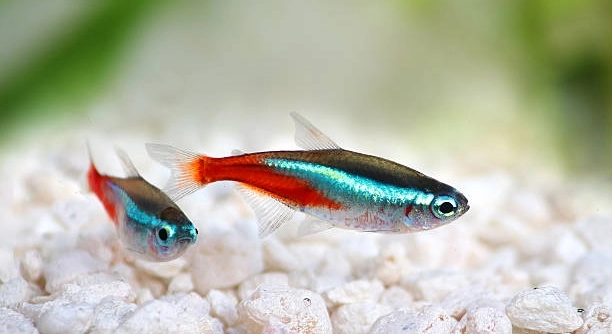
Neon Tetras are a popular aquarium fish due to their beautiful colors and calm nature. Ensuring they thrive requires the right water conditions, especially soft water. This article will guide you through the necessary steps to create the perfect environment.
To create the ideal soft-water environment for Neon Tetras, maintain a water hardness between 2 and 8 dGH and a pH level between 6.0 and 7.0. Regular water changes, proper filtration, and monitoring of water parameters are key to their health and comfort.
In the following sections, we’ll explore practical steps to ensure your Neon Tetras are living in the best possible conditions. Keep reading to discover how you can achieve this in your own aquarium.
1. Understanding Neon Tetra Water Requirements
Neon Tetras thrive in soft, slightly acidic water. Keeping them in water that is too hard or too alkaline can cause stress and health issues. Their natural habitat consists of soft, acidic water with a low mineral content, which is why replicating these conditions is crucial for their well-being. Regularly monitoring the water hardness and pH level is important to ensure they stay healthy and vibrant.
To set up the perfect soft-water environment, you’ll need to measure and adjust both the water hardness and pH. It is vital to avoid drastic changes in these parameters as they can cause harm to the fish. The ideal water conditions are typically a pH range of 6.0 to 7.0 and a hardness of 2 to 8 dGH.
Creating the right environment for your Neon Tetras involves a few key steps, including the use of water conditioners, adjusting your filtration system, and incorporating plants that help naturally soften the water. These adjustments can make a huge difference in their health and coloration.
2. Preparing Your Tank for Soft Water
Before adding Neon Tetras to your aquarium, it’s important to set up the tank properly. The first step is choosing the right water source. Tap water may need conditioning to reduce hardness and adjust the pH. If using well water, be sure to test it before use.
A proper filtration system is essential for maintaining the right water quality. Softening the water might require a specialized filter, one designed to remove excess minerals and chemicals that harden the water. Using a filter with peat moss or adding driftwood can also help lower pH levels. Additionally, consider adding live plants, as they naturally absorb minerals from the water and contribute to softening.
To ensure a stable environment, regularly test the water to monitor any changes. Making gradual adjustments is key to keeping your Neon Tetras comfortable, as sudden shifts in water parameters can stress them. Over time, your tank will reach a balance where your fish can thrive and display their bright colors.
3. Using Water Conditioners to Achieve Soft Water
Water conditioners are useful for adjusting both the hardness and pH of your aquarium water. By adding a conditioner, you can make the water more suitable for Neon Tetras. It’s a simple and effective way to maintain the ideal environment.
Some water conditioners are designed specifically for softening water. These conditioners can reduce the hardness and bring the pH closer to the acidic range that Neon Tetras need. Make sure to follow the instructions carefully to avoid over-using the product, as too much can alter the water parameters too drastically.
Additionally, certain conditioners help neutralize chlorine or chloramine found in tap water, which can also harm your fish. By using a good water conditioner regularly, you’ll be able to maintain a consistent and stable environment, allowing your Neon Tetras to flourish in their aquarium.
4. The Importance of Proper Filtration
A good filtration system is essential for maintaining soft water. Not only does it clean the water, but it can also help maintain the correct hardness and pH levels by removing excess minerals. Choose a filter that is appropriate for your tank size and has the ability to soften water.
While filtering, a tank’s water naturally loses some of the minerals that contribute to hardness. For soft-water species like Neon Tetras, this is helpful because it brings the water closer to their natural habitat. However, make sure the filter doesn’t alter the water parameters too quickly, as this can stress your fish. Gradual changes are always better than sudden shifts.
Some filters include specific media designed to soften the water, such as peat moss or purigen. These additions can help achieve the right balance without needing constant manual intervention. A reliable filtration system will contribute greatly to your Neon Tetras’ overall health.
5. Adding Driftwood to Lower pH
Driftwood is a natural way to help soften water and lower the pH. As it breaks down in the water, it releases tannins that make the water more acidic. This is ideal for creating a comfortable environment for Neon Tetras.
The tannins released by driftwood are also beneficial for the health of your fish. They not only help lower pH but can also act as a natural anti-bacterial agent, creating a safer environment for your Neon Tetras. Over time, the wood will contribute to stabilizing the water conditions, creating a more natural and suitable habitat for them.
Remember to monitor the water’s pH regularly after adding driftwood, as the tannins can cause the pH to drop gradually. Adjustments may be necessary to ensure it stays within the ideal range for your fish.
6. Using Peat Moss to Soften Water
Peat moss is another useful material that helps soften water. When added to the filter or tank, it lowers the water hardness and slightly acidifies the water. It’s a great, natural way to mimic the Tetras’ native habitat.
Peat moss slowly releases organic acids into the water, softening it over time. The amount of peat moss you need will depend on the size of your tank and the hardness of the water you’re starting with. Keep an eye on your water parameters to avoid over-softening.
7. Monitoring Water Parameters Regularly
To keep your Neon Tetras healthy, it’s important to monitor the water parameters consistently. Regular testing will help ensure the pH and hardness levels stay within the optimal range. Using a reliable test kit is key.
FAQ
What is the ideal pH and water hardness for Neon Tetras?
The ideal pH range for Neon Tetras is between 6.0 and 7.0, with a water hardness of 2 to 8 dGH. Neon Tetras prefer soft, slightly acidic water, similar to the conditions found in their native South American rivers. Keeping the water in this range helps them feel comfortable and promotes vibrant colors.
Can Neon Tetras survive in hard water?
Neon Tetras can survive in slightly harder water, but it’s not ideal for their long-term health. Hard water can cause stress, which affects their immune system and overall well-being. Prolonged exposure to hard water can lead to health issues, so it’s best to keep their environment soft, as close to their natural habitat as possible.
How can I soften my tap water for Neon Tetras?
To soften tap water, you can use water conditioners specifically designed to reduce hardness. Additionally, adding driftwood or peat moss to your aquarium will help soften the water naturally. Both of these materials release tannins that lower the pH and soften the water. Regular testing is important to monitor changes in water parameters.
Is it necessary to use a filter when keeping Neon Tetras?
Yes, using a filter is highly recommended. A filter helps maintain water quality by removing waste and toxins, which is essential for the health of your fish. Additionally, a filter can assist in softening the water by removing excess minerals. Ensure your filter is appropriate for your tank size and doesn’t create strong currents, as Neon Tetras prefer calm water.
How often should I test the water for my Neon Tetras?
You should test the water at least once a week to ensure the water parameters are stable. It’s especially important to test after making any changes, such as adding new water or adjusting water treatments. Regular testing ensures that the pH, hardness, and other water conditions stay within the optimal range for your Neon Tetras.
Can Neon Tetras live with other fish in soft water?
Yes, Neon Tetras are peaceful and can live with other fish that prefer similar water conditions. Good tankmates include other small, peaceful species like Corydoras, Rasboras, and other Tetras. Avoid aggressive or larger fish that may stress out the Neon Tetras. Always check if potential tankmates require soft, slightly acidic water.
Do I need to do water changes for my Neon Tetras?
Yes, regular water changes are necessary to keep your Neon Tetras healthy. Typically, a 20-30% water change every week is sufficient. This helps remove accumulated waste and toxins, which can negatively affect water quality. It’s essential to replace the old water with water that is similarly conditioned to avoid sudden shifts in parameters.
What are the signs of poor water quality for Neon Tetras?
Signs of poor water quality in Neon Tetras include faded colors, lethargy, rapid gill movement, and loss of appetite. They may also start to develop white spots or other external signs of disease. If you notice any of these symptoms, check the water parameters immediately and make the necessary adjustments.
Can I use distilled water for my Neon Tetras tank?
While distilled water is soft and free of minerals, it lacks essential minerals needed for your fish’s health. Using only distilled water can cause an imbalance in the tank’s environment. If you use distilled water, you should remineralize it with a suitable water conditioner to ensure your Neon Tetras have a healthy environment.
How can I lower the pH in my aquarium?
You can lower the pH in your aquarium by adding natural materials like driftwood, peat moss, or almond leaves. These materials release tannins that gradually lower the pH. Alternatively, you can use chemical pH reducers, but these should be used carefully, as rapid changes in pH can stress the fish. Always test the pH regularly after making adjustments.
Can Neon Tetras handle water temperature fluctuations?
Neon Tetras are sensitive to temperature fluctuations. They prefer stable water temperatures between 70°F and 81°F (21°C and 27°C). Rapid temperature changes can stress them out and make them more susceptible to illness. It’s important to use an aquarium heater to maintain a stable temperature and avoid sudden changes.
What should I do if my Neon Tetras are showing signs of stress?
If your Neon Tetras are showing signs of stress, such as faded colors or erratic swimming, check the water parameters immediately. Poor water quality, such as incorrect pH or hardness, is a common cause of stress. Additionally, ensure that your tank has no aggressive tankmates or overly strong currents. Make gradual adjustments to the water to stabilize the environment and reduce stress.
Can I add salt to my Neon Tetras’ water?
Neon Tetras do not require aquarium salt, and it can actually harm them. They are freshwater fish that thrive in soft, low-salinity environments. Adding salt to the water can increase hardness and alter the pH, which can stress the fish and lead to health problems. It’s best to avoid salt unless recommended by a veterinarian for specific medical treatments.
How can I naturally maintain soft water in my tank?
To naturally maintain soft water, you can use materials like peat moss, driftwood, and live plants. These materials help absorb minerals from the water and lower the pH over time. Regular water changes with conditioned, soft water are also essential. Using a proper filtration system can help remove excess minerals that harden the water.
What should I do if my water is too soft for my Neon Tetras?
If your water is too soft (below 2 dGH), it can cause problems for your Neon Tetras, such as instability in pH. To increase the hardness, you can add mineral supplements or use a filter designed to add minerals to the water. It’s important to adjust gradually and monitor the parameters regularly.
How long does it take to soften aquarium water?
Softening aquarium water can take anywhere from a few days to a couple of weeks, depending on the method used. Adding driftwood, peat moss, or a water conditioner will gradually soften the water over time. Regular monitoring will help you track changes and ensure the water reaches the desired parameters without causing stress to your fish.
Final Thoughts
Creating the perfect soft-water environment for Neon Tetras is crucial for their health and vibrant coloration. These fish are native to soft, slightly acidic waters, and replicating this environment in your aquarium will help them thrive. By focusing on factors such as water hardness, pH levels, filtration, and natural additives like driftwood or peat moss, you can create a habitat that closely mirrors their natural surroundings. Regular testing of water parameters is key to maintaining the ideal conditions for your Neon Tetras, as even slight changes can impact their health.
It’s important to remember that making changes to water conditions should be gradual. Sudden shifts in pH or hardness can stress your fish, which could lead to health problems. Therefore, when adding water conditioners or other materials to adjust the water, do so slowly and monitor the fish closely for any signs of stress. Over time, your tank will stabilize, and the Neon Tetras will adjust to their environment, displaying their vibrant colors and calm demeanor. Consistency is the key to maintaining a stable environment that promotes their well-being.
Ultimately, setting up and maintaining a soft-water environment for Neon Tetras is a rewarding process. With the right tools, careful planning, and patience, you can create an aquarium that closely mimics their natural habitat. This not only ensures that your Neon Tetras live a healthy life but also provides a beautiful and peaceful aquarium that you can enjoy. Following the steps outlined in this guide will help you achieve the ideal conditions, making it easier to care for your Neon Tetras and keep them happy for years to come.

Hello,
If you enjoy the content that we create, please consider saying a "Thank You!" by leaving a tip.
Every little bit helps us continue crafting quality advice that supports the health, happiness, and well-being of pets around the world, for pets of all shapes, sizes, and species.
We really appreciate the kindness and support that you show us!