
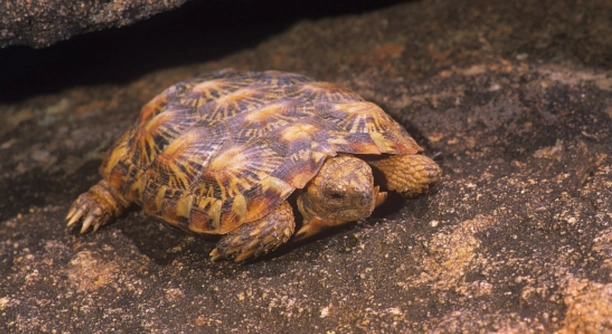
Creating a suitable outdoor habitat for your tortoise is important for its health and happiness. Providing the right environment allows your pet to thrive in its natural surroundings. Follow these steps to build the perfect home.
To create the ideal outdoor tortoise habitat, ensure a spacious enclosure with proper shelter, sunlight, humidity control, and safety from predators. Include elements such as hiding spots, fresh water, and appropriate substrate for digging and burrowing.
These tips will guide you in providing your tortoise with a safe, comfortable, and enjoyable outdoor living space.
Choosing the Right Location for Your Tortoise Habitat
When deciding where to place your tortoise’s outdoor habitat, choose a location that provides a mix of sun and shade. This is important for regulating temperature and ensuring your tortoise has the right environment. Make sure the area is protected from strong winds and heavy rain. Avoid placing the habitat near areas with heavy foot traffic or predators like dogs and cats. It is also essential to ensure the enclosure is secure and won’t be easily disturbed.
Placing the habitat in a quiet, low-traffic area will help your tortoise feel safe and reduce stress. The location should also be away from plants that could be toxic to your tortoise.
A suitable spot will provide natural light for vitamin D synthesis while giving your tortoise areas to retreat for shade when needed. Ensure there are no areas that could trap your tortoise or cause overheating. Keep the environment safe and comfortable to encourage your tortoise’s well-being.
Creating the Right Shelter
A shelter within the habitat is necessary for your tortoise’s comfort. It provides protection from extreme weather, like intense sun or rain. A simple wooden box or a pile of rocks can offer the necessary shelter.
Providing the Right Substrate for Digging
Tortoises enjoy digging, and the substrate in their habitat should reflect this natural behavior. Use a mix of soil and sand, ensuring it’s deep enough for digging. Avoid using materials like gravel, which can be uncomfortable or harmful. Choose something that retains moisture to help regulate humidity.
A deep substrate will allow your tortoise to dig burrows and feel secure. You can also add leaf litter or hay to provide additional comfort. Ensure the substrate is free from pesticides or chemicals that could harm your tortoise.
Remember to regularly replace the substrate to maintain a clean and safe environment. A good substrate encourages natural behaviors, such as burrowing, which are important for your tortoise’s health. The deeper and more natural the substrate, the more likely your tortoise will feel at home.
Water Source and Hydration
Always provide fresh water for your tortoise. Use a shallow dish that is large enough for your tortoise to drink from and soak in if needed. Avoid deep bowls where your tortoise could drown.
Tortoises need hydration for their skin and overall health. They may drink from the dish, but it’s also common for them to soak, especially if they feel warm. Ensure the water is changed daily to keep it clean. A clean water source encourages your tortoise to drink regularly.
Position the water bowl in an area that’s easily accessible but not in direct sunlight for extended periods, which can heat the water too much. Regular hydration helps with digestion and temperature regulation. It’s a small detail but vital for their well-being.
Shelter Design and Safety
Your tortoise’s shelter should be sturdy and secure. It must provide adequate protection from harsh weather, especially during extreme temperatures. A simple wooden box or a DIY structure can work well, but ensure it is secure and can’t be easily knocked over by wind or predators.
The shelter should be large enough for your tortoise to move around but cozy enough to make them feel secure. Consider adding a small opening for ventilation and airflow. Make sure it’s easy for your tortoise to enter and exit but remains safe from external threats.
Sunlight and UVB Exposure
Tortoises need sunlight to regulate their body temperature and synthesize vitamin D3, which is crucial for calcium absorption. Ensure your habitat has a place where they can bask in the sun for a few hours daily.
If your location doesn’t provide enough natural sunlight, consider installing a UVB light to ensure your tortoise’s health. UVB light is vital for proper shell and bone development. Without it, your tortoise may suffer from metabolic bone disease. A combination of natural sunlight and artificial UVB light will help keep your tortoise active and healthy.
Enclosure Size
The size of the enclosure is crucial for your tortoise’s well-being. It should be large enough to allow for daily exploration and movement. A cramped space can cause stress and limit natural behaviors.
Ensure the space is as large as possible to mimic your tortoise’s natural habitat. The more room you provide, the happier and healthier your tortoise will be. A larger enclosure also allows for more environmental variety, such as hiding spots, basking areas, and cool, shaded spots.
FAQ
How much space does a tortoise need in its outdoor habitat?
Tortoises need ample space to roam and explore. A general rule is to provide at least 10 square feet of space for smaller species. Larger species require more room, ideally 20 square feet or more. The more space, the healthier and happier your tortoise will be. A larger habitat encourages natural behaviors like foraging, basking, and burrowing, which are essential for their physical and mental health.
What is the best type of substrate for a tortoise habitat?
A mixture of soil and sand works best for tortoises, allowing them to dig and burrow naturally. The substrate should be deep enough to let your tortoise dig without hitting the bottom of the enclosure. Avoid materials like gravel, as they can be uncomfortable and potentially harmful. Leaf litter or hay can also be added for additional comfort and naturalistic appeal.
How do I maintain proper humidity in an outdoor tortoise habitat?
Maintaining the right humidity levels is essential for your tortoise’s health. The humidity should be around 50–70%. You can achieve this by spraying water on the substrate and providing a shady area where your tortoise can escape the sun. Additionally, ensure the area has good drainage so water doesn’t collect and create unhealthy, damp conditions. Regular monitoring with a hygrometer can help maintain proper humidity.
Can I use artificial lighting for my tortoise if it doesn’t get enough sunlight?
Yes, UVB lighting is necessary if your tortoise doesn’t have enough natural sunlight. A UVB bulb simulates the sun’s UV rays, allowing your tortoise to synthesize vitamin D3, which helps with calcium absorption and bone health. Make sure to position the light so that your tortoise can bask under it for a few hours each day. A combination of natural sunlight and artificial UVB light will provide the most balanced environment.
What should I do if my tortoise is not eating?
If your tortoise refuses to eat, it could be due to environmental factors like incorrect temperature or humidity. Make sure the enclosure is set up properly, with plenty of basking and shaded areas. Additionally, check the food you are offering. Tortoises need a varied diet that includes grasses, weeds, and leafy greens. If the issue persists, consult a veterinarian to rule out health problems.
How can I keep predators out of my tortoise’s habitat?
To prevent predators like raccoons, dogs, or cats from getting into the habitat, ensure the enclosure is secure. Use a sturdy, predator-proof fence or walls that are at least 18–24 inches high. It’s also helpful to bury a portion of the fencing underground to prevent predators from digging under it. Check for any gaps or weak spots regularly to make sure the habitat remains secure.
How do I keep my tortoise warm in colder weather?
If you live in a climate with cold winters, consider building a shelter that can provide protection from freezing temperatures. You can use heating lamps or heat mats for supplemental warmth, but make sure your tortoise has a way to retreat to a cooler area if needed. Tortoises are cold-blooded, so they rely on external heat to maintain their body temperature. Be cautious about overheating, and monitor temperatures to ensure they don’t get too high.
What kind of food should I provide for my tortoise?
Tortoises are herbivores, so their diet should consist primarily of grasses, leafy greens, and weeds. You can feed them dandelion greens, collard greens, and clover. Avoid feeding them high-oxalate foods like spinach, which can interfere with calcium absorption. Occasionally, you can offer fruits as a treat. Always ensure that the food is free from pesticides.
How do I handle a tortoise that keeps trying to escape?
If your tortoise is attempting to escape, it could be a sign that the enclosure is too small or doesn’t meet its environmental needs. Increasing the size of the habitat or improving the shelter can help. You can also create additional hiding spots to give your tortoise more security. Ensuring that the enclosure is escape-proof by reinforcing fencing and checking for weak points is essential.
Should I bring my tortoise inside during rain or extreme weather?
If the weather becomes too extreme, such as heavy rain or cold temperatures, it’s best to bring your tortoise inside. Wet conditions can make the substrate too damp and uncomfortable, and prolonged exposure to cold can cause health issues. Always have an indoor space ready as a backup, with proper heating and UVB lighting, to provide a safe haven for your tortoise.
How do I clean the tortoise’s habitat?
Cleaning the tortoise’s habitat involves removing waste daily and replacing the substrate every few weeks. Scrub down any surfaces, such as shelter and water dishes, with a mild disinfectant. Make sure everything is thoroughly dried before returning it to the enclosure. Regular cleaning ensures that bacteria or mold don’t build up, which could harm your tortoise.
Final Thoughts
Creating the perfect outdoor habitat for your tortoise requires careful planning and attention to detail. The right environment not only keeps your tortoise safe but also supports its health and well-being. From ensuring adequate space to choosing the right substrate and managing humidity, each element plays a key role in providing a comfortable and enriching space. The more you consider your tortoise’s natural habits and preferences, the better the habitat will be. Tortoises need a place where they can roam, hide, bask in the sun, and feel secure.
A successful habitat doesn’t have to be complicated. Simple steps like offering proper lighting, securing the enclosure, and maintaining the right temperature and humidity can make a big difference in your tortoise’s life. While it may seem like a lot to manage, with the right tools and knowledge, setting up an outdoor tortoise habitat is achievable. It’s important to continuously monitor the conditions and make adjustments when necessary to ensure your tortoise thrives. Remember that providing a safe and healthy outdoor space is not only beneficial for your tortoise but also offers peace of mind to you as a caretaker.
In the end, the key to a great outdoor tortoise habitat is consistency and care. Small adjustments can lead to big improvements in your tortoise’s health and happiness. With the right setup, your tortoise will enjoy a fulfilling life in a natural, safe environment. So, take the time to create a habitat that allows your tortoise to grow, explore, and thrive. The reward is seeing your tortoise healthy, content, and active, which is the ultimate goal for any tortoise owner.

Hello,
If you enjoy the content that we create, please consider saying a "Thank You!" by leaving a tip.
Every little bit helps us continue crafting quality advice that supports the health, happiness, and well-being of pets around the world, for pets of all shapes, sizes, and species.
We really appreciate the kindness and support that you show us!