
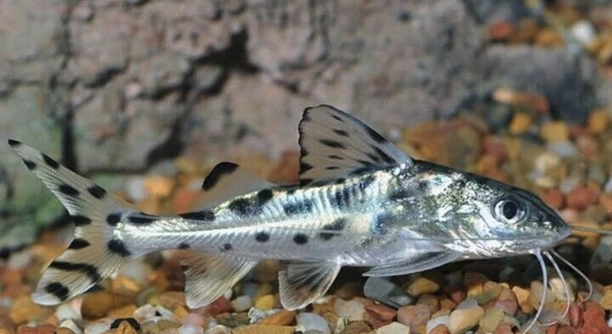
How to create flow without disturbing pictus is important for keeping these fish calm and healthy in their tanks. Many aquarists want to provide good water movement while ensuring the pictus catfish feel comfortable. Proper flow helps maintain water quality and fish wellbeing.
Creating flow without disturbing pictus involves using gentle, adjustable water pumps or filters placed strategically to avoid direct currents. This careful setup allows water to circulate evenly, supporting oxygenation and cleanliness while respecting the pictus’ natural preference for calm areas.
This guide will explain practical ways to balance water movement and pictus comfort. You will learn how simple changes in flow design can improve your tank’s environment for these sensitive fish.
Understanding Pictus Catfish Behavior
Pictus catfish are known for their peaceful and shy nature. They prefer calm waters with minimal disturbance, especially around their resting spots. Strong currents can stress them, making them hide more often or become less active. Because they come from slow-moving rivers in South America, replicating a gentle flow in the aquarium is key. They also enjoy having plants or decorations where they can take refuge. Observing their behavior helps identify if the flow is too strong. If pictus are constantly swimming against currents or avoiding certain areas, it’s a sign the water movement needs adjustment. Proper tank setup with appropriate flow encourages natural swimming patterns and better health. Keeping these details in mind creates a comfortable environment where pictus thrive without feeling overwhelmed by the water movement.
Maintaining gentle water flow supports the natural habits of pictus catfish and reduces their stress.
Balancing flow starts with choosing the right equipment and positioning it to create soft, indirect currents. Filters with adjustable flow rates work well, allowing customization to the tank’s size and fish needs. Avoid placing output directly where pictus rest. Instead, aim for flow that circulates water broadly but gently, so oxygen spreads evenly without strong pressure points. Adding plants and hiding spots can help pictus feel secure. Using spray bars or diffusers can spread water flow more evenly across the tank. Regular monitoring ensures that changes in flow meet the fish’s comfort. This approach improves water quality while keeping pictus calm and active.
Choosing Equipment for Optimal Flow
Selecting the right equipment is essential for creating suitable water flow.
Filters with adjustable speeds or powerheads with flow controls allow fine-tuning to avoid excessive currents.
A filter that produces a smooth, dispersed flow is ideal. Spray bars can help distribute water gently over a larger area, preventing strong direct streams. Low-power pumps are better than high-power ones in pictus tanks. You may also use flow diffusers or sponge filters, which offer aeration without creating intense water movement. Make sure the filter intake is covered or placed away from pictus to avoid suction hazards. Regular maintenance keeps equipment working properly and flow consistent. With the right tools, you can maintain a healthy tank environment that respects the pictus catfish’s needs without sacrificing cleanliness or oxygen levels.
Positioning Flow Devices Correctly
Placing flow devices in the right spots reduces strong currents and keeps pictus comfortable. Avoid pointing outlets directly at hiding places or resting areas.
Positioning filters near the tank’s surface helps circulate oxygen without creating strong currents near the bottom where pictus usually swim. Directing flow toward tank walls or decorations breaks the water movement into softer currents. Using spray bars spread across the tank’s length can evenly distribute water flow. It’s also helpful to angle output streams upward or sideways rather than straight across the tank. This setup keeps the water fresh and oxygenated while protecting pictus from constant strong currents. Regularly observing the fish helps adjust device placement for their comfort.
By thoughtfully arranging flow devices, the tank environment stays clean and gentle, allowing pictus to thrive.
Monitoring and Adjusting Flow Over Time
Flow needs may change as the tank matures and plants grow. Regularly check how pictus respond to water movement. Adjust flow intensity if fish show signs of stress or avoid certain areas. Installing a flow meter can help measure water speed and maintain it within a gentle range suitable for pictus.
Changes in tank setup, like adding decorations or new fish, may require flow adjustments. Seasonal variations in temperature can also affect water movement, so keeping an eye on flow is important year-round. Consistent maintenance of pumps and filters prevents unexpected shifts in flow strength. Being attentive ensures pictus remain comfortable and the tank stays healthy over time.
Using Plants to Soften Flow
Live plants help slow down water movement naturally. They create gentle barriers that reduce strong currents in the tank.
Plants also provide hiding spots, making pictus feel safe and less stressed. Their presence supports both flow control and fish comfort.
Adjusting Flow for Different Tank Sizes
Larger tanks often require stronger pumps, but flow must still be gentle for pictus. Using multiple low-power pumps spread out can help maintain soft, even currents. In smaller tanks, a single adjustable filter usually suffices. Adjusting flow to fit tank size ensures pictus are not overwhelmed while water quality remains high.
Avoiding Over-filtration
Too much filtration can create excessive flow and stress pictus. Choose equipment that balances cleaning power with gentle water movement.
FAQ
How much flow do pictus catfish need?
Pictus catfish prefer gentle to moderate water flow. They are used to slow-moving rivers, so strong currents can stress them out. Aim for a flow that keeps water circulating and oxygenated without pushing the fish constantly. Adjustable filters or pumps set on low usually work best for their needs.
Can I use a strong filter if I redirect the flow?
Yes, using a stronger filter is possible if you can redirect the flow to avoid direct currents near pictus resting areas. Spray bars, flow diffusers, or angling the filter outlet toward the tank walls can soften the water movement and protect your fish from strong currents.
What happens if the flow is too strong?
If the flow is too strong, pictus may become stressed and hide more often. They can also struggle to swim, leading to fatigue. Constant exposure to strong currents can weaken their immune system and increase the risk of illness. Adjusting the flow to a gentler level helps avoid these problems.
Are there specific plants that help reduce flow?
Yes, some plants like Java fern, Anubias, and Amazon swords have broad leaves that can break water currents effectively. These plants slow down the water naturally and create calm spots for pictus to rest. Adding plants also improves tank oxygen levels and water quality.
How often should I check the flow in my tank?
It’s a good idea to check the flow regularly, especially after adding new equipment or rearranging the tank. Weekly observations help you notice changes in pictus behavior that may indicate discomfort. Seasonal temperature changes or equipment wear can also affect flow, so consistent monitoring is important.
Can pictus tolerate high flow temporarily?
Pictus can handle stronger currents for short periods, but long-term exposure is not recommended. Temporary increased flow during tank cleaning or maintenance won’t harm them if they have calm areas to retreat to afterward. Always return the flow to a gentle level for daily living.
Is it better to have multiple small pumps or one big pump?
Multiple small pumps or filters spread throughout the tank usually create more even and gentle flow. This setup prevents strong currents in one area and helps maintain stable water circulation. A single big pump might create concentrated currents that stress pictus, so dispersing flow is often more effective.
What signs show pictus are stressed by water flow?
Signs of stress include hiding constantly, swimming only in calm corners, or resting at the bottom without moving much. You might also notice reduced appetite or unusual behavior like frantic swimming. These symptoms suggest the flow may be too strong or not well positioned.
How do I adjust flow without new equipment?
You can change the direction of existing filter outlets using spray bars, elbow pipes, or attaching diffusers to soften water movement. Rearranging decorations or plants to block direct flow also helps. Sometimes simply lowering the filter’s power setting is enough to create a gentler current.
Can aquarium size affect flow needs for pictus?
Yes, larger tanks often require stronger pumps, but it’s important to keep flow gentle for pictus regardless of size. Bigger tanks may need multiple devices working together to create soft, widespread currents. Smaller tanks usually need less powerful equipment to maintain proper flow without stress.
Does substrate type impact water flow?
Substrate can affect how water moves near the bottom of the tank. Fine sand or smooth gravel helps slow down currents close to the tank floor, where pictus spend time. Rough or uneven substrates may cause turbulence, so choosing the right substrate supports calmer water flow.
Are there filters specifically designed for low flow?
Some filters and sponge filters are designed to provide gentle water movement, ideal for sensitive fish like pictus. These often have adjustable flow rates or diffusers to control water speed. Researching filter specifications before purchase ensures you get equipment suited to low-flow environments.
How important is oxygenation with low flow setups?
Oxygenation is still critical even with low flow. Good water circulation helps distribute oxygen evenly, preventing dead spots. You can improve oxygen levels by placing air stones or using surface agitation techniques. Low flow doesn’t mean stagnant water; it just means flow that’s gentle and well-managed.
Can adding more fish increase flow needs?
Yes, more fish produce more waste, which requires better filtration and water circulation. However, you still need to keep flow gentle for pictus. Upgrading to more efficient filters with adjustable flow settings or adding additional low-power pumps can handle the extra bioload without stressing the fish.
Is it okay to turn off the filter at night?
Turning off the filter at night is generally not recommended because it reduces oxygen circulation and can allow waste buildup. Instead, lower the filter’s flow rate if possible. Keeping a gentle flow going 24/7 supports a healthy environment and keeps pictus comfortable at all times.
Finding the right balance of water flow for pictus catfish is essential for their well-being. These fish come from slow-moving waters, so strong currents in an aquarium can cause them stress. By creating gentle and steady water movement, you help keep the tank clean and oxygenated while allowing pictus to swim comfortably. Using adjustable filters, spray bars, and plants are practical ways to achieve this balance. Paying attention to how your pictus behave will guide you in making changes that suit their needs best.
Positioning flow devices carefully is just as important as selecting the right equipment. Direct currents can be uncomfortable or even harmful for pictus, so aiming flow toward tank walls or using diffusers softens water movement. Live plants add natural barriers and calm spots, making the tank feel more like their natural habitat. Regularly monitoring the tank’s flow and fish behavior ensures that changes in equipment or setup do not create new issues. Simple adjustments over time help maintain a healthy, comfortable environment for pictus catfish.
Remember that every tank is different, and what works for one may need tweaking in another. Size, layout, and the number of fish all affect how flow should be managed. Being patient and observing your pictus helps you find the right settings to keep them happy. A calm flow means healthier fish and a more enjoyable aquarium. Keeping flow gentle, clean, and well-distributed will let your pictus live their best life in your care.

Hello,
If you enjoy the content that we create, please consider saying a "Thank You!" by leaving a tip.
Every little bit helps us continue crafting quality advice that supports the health, happiness, and well-being of pets around the world, for pets of all shapes, sizes, and species.
We really appreciate the kindness and support that you show us!