
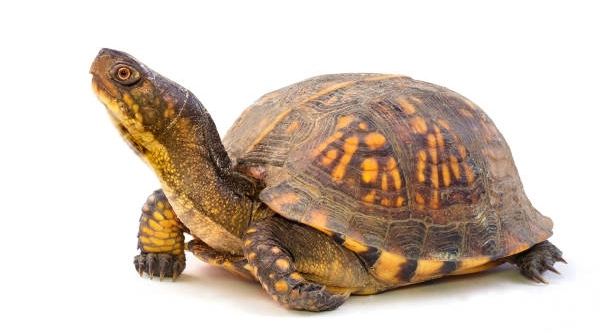
Creating a terrarium ecosystem for box turtles offers a great way to provide a natural and healthy habitat for these fascinating creatures. A well-designed terrarium can mimic their wild environment, allowing them to thrive and feel at home.
The best way to create a suitable terrarium ecosystem for box turtles is by using a large enclosure, providing proper substrate, moisture, temperature, and UV lighting. The enclosure should also feature plants, hiding spots, and safe water sources to support their well-being.
By setting up the right environment, you’ll ensure your box turtle’s comfort. Learn how to carefully arrange everything they need to create a healthy habitat.
Choosing the Right Terrarium for Box Turtles
When setting up a terrarium for box turtles, size matters. A larger tank gives them the space they need to roam and explore. Aim for at least a 40-gallon enclosure for a single turtle, and if you have more than one, opt for a larger tank. The more space, the better. You’ll want a secure lid as box turtles can be quite clever when it comes to escaping.
Make sure the tank is sturdy, as box turtles are strong and might try to push against walls. They need room for both land and water areas, so creating distinct zones within the tank is essential.
A good balance of land and water will allow your turtle to stay hydrated while also giving them space to bask in the sun. The water should be deep enough for the turtle to soak but shallow enough to prevent drowning. Having a filtration system in the water helps maintain cleanliness.
Substrate Choices for Box Turtles
The substrate plays a critical role in the overall well-being of your box turtle. Use a mix of coconut coir, organic topsoil, and sphagnum moss to create a comfortable environment. These materials retain moisture well and allow your turtle to dig and burrow, simulating their natural habitat. The substrate should be about 2-3 inches deep to give them enough space to dig comfortably.
The substrate should be spot-cleaned daily to remove waste and replenished when necessary. Ensure the soil remains slightly moist but not soggy to prevent mold growth. You can also add leaf litter or hay for added texture and humidity.
Proper moisture levels are crucial to help your turtle stay hydrated. A misting system or hand spraying can be used to keep the humidity level between 50-70%.
Temperature and Humidity Control
Box turtles require a warm and humid environment to thrive. Maintain a temperature range between 75°F and 85°F during the day, with a slight drop at night. Use heat lamps and ceramic heaters to regulate warmth, ensuring a gradient of temperature from cooler to warmer areas.
A thermostat can help monitor the heat. Keep the basking area around 90°F while the cooler end of the enclosure stays around 75°F. This allows your turtle to regulate its body temperature naturally. Humidity is just as important. Aim for a humidity level between 50% and 70%, which can be maintained through misting or using a humidity box.
If the humidity is too low, it can lead to health problems such as shell deformities or skin issues. Regularly mist the terrarium, and place a water dish large enough for the turtle to soak in. A humidifier may help maintain the right conditions, especially in dry climates.
UVB Lighting for Box Turtles
UVB lighting is a must for box turtles to remain healthy. This type of light helps them produce vitamin D3, which is essential for calcium absorption. Without proper UVB exposure, turtles can suffer from metabolic bone disease.
Set up a UVB bulb in the enclosure, ensuring it’s placed within a reasonable distance from the turtle’s basking spot. Replace the bulb regularly, as its UVB output decreases over time. The light should be on for about 10-12 hours a day to mimic natural daylight cycles.
Turtles need both UVA and UVB rays to stimulate their natural behaviors, including basking. A well-lit terrarium promotes a healthy metabolism and provides a vital boost to your turtle’s overall health. Be sure to give them a safe space with enough exposure to the UVB light but not too close, to avoid burns.
Water Area for Box Turtles
A water area in the terrarium is essential for your box turtle’s health. It allows them to soak, drink, and stay hydrated. Choose a shallow water dish with low edges to prevent drowning.
The water should be changed daily to ensure cleanliness. A filtration system can help keep the water fresh, but be sure to monitor the temperature, as cold water is not suitable for turtles. Make sure the water level is low enough for them to climb in and out easily.
Safe Hiding Spots
Box turtles need hiding spots to feel secure and reduce stress. Use logs, rocks, or plants to create shaded, quiet areas where they can retreat.
These hiding spots help mimic their natural environment, where they can hide from predators and rest. Providing a few different hiding places will give them options. Keep these areas clean and dry for their comfort.
FAQ
What should I feed my box turtle?
Box turtles are omnivores and need a variety of foods to stay healthy. Offer them a mix of vegetables, fruits, and protein sources like insects or small amounts of meat. Leafy greens like collard greens and dandelion leaves are great options. You can also feed them berries, mushrooms, and squash. Make sure the food is chopped into small pieces for easier consumption.
Occasionally, you can add calcium supplements to their diet to prevent shell deformities. Avoid feeding them too many high-fat or high-protein foods, as this can lead to health issues. Always remove any uneaten food to prevent mold growth.
How often should I clean the terrarium?
Regular cleaning is crucial for maintaining a healthy environment. Spot-clean the enclosure daily by removing waste, leftover food, and debris. Clean the water dish daily to keep it fresh and free of bacteria.
Once a week, remove everything from the terrarium and give the substrate a thorough cleaning. Replace any soiled substrate and refresh the water. Also, wipe down surfaces and clean decorations to prevent the buildup of mold or bacteria. Every month, consider replacing the UVB bulb as it loses its effectiveness over time.
Can box turtles live with other pets?
Box turtles are generally solitary and prefer to live alone. They can be territorial, especially with other box turtles. Introducing another turtle might lead to stress or aggression. However, if you choose to house multiple turtles, ensure there is enough space for them to establish their own territories.
It’s not recommended to house box turtles with other species of animals. Turtles can carry diseases that might affect other pets, and some animals might harm the turtle. Always observe how your turtle reacts to its surroundings to gauge if it feels comfortable and safe.
How do I handle my box turtle?
Handling should be kept to a minimum to avoid stressing your turtle. If you need to handle it, be gentle and calm. Always support its body fully, avoiding any pressure on its shell or legs.
Never grab a turtle by the tail, as this can injure it. Place your turtle on a flat surface and let it explore on its own. The more you handle them, the more accustomed they will become to you. Over time, your box turtle may learn to trust you, but it’s important to remember that they are naturally independent creatures.
Do box turtles need a basking area?
Yes, box turtles require a basking area to regulate their body temperature and promote overall health. A basking spot should be heated to about 90°F, giving your turtle the opportunity to warm up when needed.
Ensure that the basking area is dry and free from water. Use a heat lamp to provide warmth, but make sure it’s placed at a safe distance from the turtle to prevent burns. The basking area should be easily accessible and not too high, as box turtles can struggle to climb. Providing a basking area is crucial for promoting healthy digestion and metabolism.
What are the signs of a sick box turtle?
If your box turtle shows any of the following symptoms, it may be unwell: lethargy, loss of appetite, abnormal shell color or texture, discharge from the eyes or nose, or difficulty breathing.
Other signs of illness can include wheezing, swollen limbs, or visible wounds. If you notice any of these symptoms, it’s important to take your turtle to a vet that specializes in reptiles. Early detection and treatment can help prevent serious health issues from worsening.
How long do box turtles live?
Box turtles can live for many decades if properly cared for. In the wild, they typically live 50-100 years, and in captivity, they can live anywhere from 30 to 50 years.
To ensure a long life, maintain a proper diet, provide adequate space, and keep the environment clean. Regular health checks will also help prevent illness and ensure your turtle enjoys a long, healthy life. If you’re committed to caring for your box turtle, you’ll have a companion for many years to come.
Can box turtles be kept outdoors?
Yes, box turtles can be kept outdoors, but only if you live in a suitable climate. They thrive in warm, humid environments and need a secure, safe area to roam. Make sure the outdoor enclosure is predator-proof and provides both shaded and sunny spots.
Provide enough space for them to move freely and dig, as box turtles are natural diggers. You’ll also need to ensure they have access to clean water and a safe place to bask. If you live in a colder climate, it’s best to bring the turtle indoors during the winter months to prevent it from getting too cold.
Final Thoughts
Creating a suitable terrarium for box turtles requires attention to their specific needs. These reptiles thrive in a well-maintained environment with the right temperature, humidity, and lighting. By setting up a basking area, providing clean water, and ensuring they have hiding spots, you can create a space that mimics their natural habitat. Box turtles are relatively low-maintenance, but their well-being depends on providing a safe and stable environment.
Feeding your box turtle a balanced diet is crucial to its health. A mix of vegetables, fruits, and protein sources, like insects, helps support their natural behavior and development. It’s important to remember that each box turtle may have different dietary needs, so observing their preferences and adjusting accordingly is essential. Proper hydration is equally important, and ensuring access to clean water should be part of your daily care routine. Offering variety in their diet will also keep them engaged and happy.
In addition to providing the right environment and nutrition, handling your box turtle with care is key to building trust. While they may not seek interaction, gentle handling can help your turtle feel more comfortable in its environment. Keeping the terrarium clean and maintaining proper lighting will also prevent illness and stress. Box turtles have the potential to live long lives, so investing in their care will result in many years of companionship. Understanding their needs and consistently providing a suitable habitat is the best way to ensure their health and happiness.

Hello,
If you enjoy the content that we create, please consider saying a "Thank You!" by leaving a tip.
Every little bit helps us continue crafting quality advice that supports the health, happiness, and well-being of pets around the world, for pets of all shapes, sizes, and species.
We really appreciate the kindness and support that you show us!