
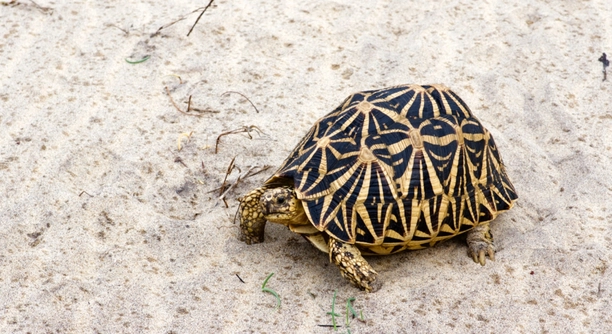
Creating a proper temperature gradient is essential for the health of your Indian Star Tortoise. A controlled environment ensures they stay active and comfortable. This setup helps maintain their overall well-being and supports their natural behavior patterns.
To create a temperature gradient, use a heat source like a lamp at one side of the enclosure, ensuring a warm side (85–90°F) and a cooler side (75–80°F). This allows the tortoise to regulate its body temperature by moving between the zones.
Maintaining an appropriate gradient is vital for your tortoise’s activity and health. Proper temperature regulation helps with digestion and overall comfort.
Why Temperature Gradients Matter for Your Indian Star Tortoise
Maintaining the right temperature gradient is crucial for your Indian Star Tortoise’s health. A temperature gradient allows them to regulate their body temperature naturally. Without it, they may become sluggish, stressed, or have trouble digesting food. The warm side of the enclosure aids in digestion and provides a basking area, while the cooler side allows your tortoise to retreat if it gets too hot. It’s also important to consider the substrate temperature to avoid overheating. Ensure that the gradient is stable throughout the day, with no drastic fluctuations.
The proper gradient helps your tortoise stay active and comfortable. It supports digestion, metabolism, and even immunity.
Monitoring the temperature regularly and adjusting the heat source as needed is necessary. A thermometer placed at both the warm and cool ends of the enclosure will help maintain consistency. By ensuring these temperature zones are accurate, you prevent stress and promote a healthy environment. It’s also important to use a reliable heat lamp that does not overheat or burn out quickly.
Tools for Creating the Right Temperature Gradient
Using the right equipment is essential for setting up a temperature gradient.
A heat lamp or ceramic heat emitter is often used to create the warmth needed. You may also consider a thermostat to ensure temperatures don’t fluctuate too much.
The heat source should be positioned on one side of the enclosure to create a noticeable warm and cool zone. Placing the heat lamp too high or too low can cause ineffective heating. Make sure the lamp covers a good portion of the warm area but leaves room for your tortoise to move to cooler sections when necessary.
Monitoring and Adjusting Temperature Levels
A thermometer should be placed at both the warm and cool ends of the enclosure.
Check the temperatures regularly to ensure they stay within the ideal range of 75-90°F. If the warm side gets too hot, adjust the heat lamp’s position or lower its wattage. Use a digital thermometer for more accuracy. It’s important to monitor these levels throughout the day, as the temperature can fluctuate. Too high of a temperature can stress your tortoise, while too low can make it difficult for digestion and activity. Make small adjustments as needed to maintain a stable environment.
If you use a thermostat, it can help maintain the desired temperature more consistently. The thermostat will automatically turn the heat source on and off to prevent overheating or underheating. This tool ensures that your tortoise doesn’t experience sudden temperature shifts, which can cause stress and discomfort.
Importance of Humidity Control
Humidity levels are just as important as temperature.
Tortoises thrive in moderate humidity levels. Too much humidity can cause respiratory issues, while too little can lead to dehydration.
Place a hygrometer in the enclosure to keep track of the humidity level. Aim for 50-60% humidity, which mimics the tortoise’s natural habitat. Use a misting system or water dish to maintain moisture without over-saturating the environment. Proper humidity also supports healthy skin shedding, aiding in the tortoise’s overall health. Overly dry air can lead to brittle skin or shell issues, making humidity control crucial for maintaining a balanced environment.
Choosing the Right Substrate
The substrate in your tortoise’s enclosure plays a significant role in temperature regulation.
Opt for materials that retain heat without getting too hot. Organic soil or coconut coir are good choices. Avoid loose sand or gravel, which can cause discomfort.
Choose a substrate that is easy to maintain and provides a comfortable environment. Organic soil retains heat effectively while keeping humidity levels stable. Be sure to spot clean daily and replace the substrate every few months. It’s also important to choose a non-toxic material that doesn’t pose any risk to your tortoise if ingested.
Heat Sources and Their Placement
Heat sources like lamps or ceramic heat emitters are essential for creating the right temperature gradient.
Place the heat source directly over the warm area of the enclosure.
The heat lamp should be positioned high enough to avoid direct contact with the substrate but close enough to provide adequate warmth. Ceramic heat emitters are an alternative, providing steady heat without light. Place the lamp near one end of the enclosure to create a temperature gradient, allowing your tortoise to move between warm and cool zones for temperature regulation.
FAQ
How do I know if the temperature gradient is working for my tortoise?
You can monitor your tortoise’s behavior to gauge if the temperature gradient is effective. If the tortoise is moving around regularly, basking on the warm side, and seeking shelter on the cooler side, the gradient is likely working well. A sluggish or inactive tortoise may indicate that the temperature is either too hot or too cold. Regularly checking the temperature with a thermometer will help ensure that both the warm and cool zones are within the proper range.
Can the temperature gradient be too extreme for my tortoise?
Yes, an extreme temperature gradient can cause stress. If the warm side exceeds 90°F or the cool side drops below 70°F, your tortoise may struggle to regulate its body temperature. Such drastic fluctuations can lead to health issues, including dehydration or heat exhaustion. The temperature gradient should be subtle yet effective, with both sides staying within a safe range for your tortoise to comfortably choose its preferred temperature.
What’s the best type of heat lamp for an Indian Star Tortoise?
The best heat lamps are those that emit heat without a bright light, such as ceramic heat emitters. These provide steady warmth without disturbing your tortoise’s natural day-night cycle. If you prefer using a traditional heat lamp, ensure it’s low-wattage and positioned above the warm zone of the enclosure. UVB lights are also beneficial for your tortoise’s health, as they mimic sunlight and help with calcium absorption, but they should be on a separate timer to prevent overheating.
How can I control the humidity level in the enclosure?
Humidity control is essential for maintaining a healthy environment. To keep humidity levels within the 50-60% range, use a hygrometer to monitor the air moisture. A shallow water dish can help, but it’s important to avoid overly wet substrates. Light misting once a day can add necessary moisture without soaking the substrate. Be mindful not to let the enclosure become too humid, as excessive moisture can lead to respiratory problems or fungal growth.
Can I use a heat mat for the temperature gradient?
While heat mats can be useful in some cases, they are not ideal for creating a temperature gradient for your Indian Star Tortoise. Heat mats are typically used for reptiles that burrow or need belly heat, which isn’t the case for this species. The heat mat can create localized warmth but won’t help with the gradient necessary for your tortoise to regulate its body temperature effectively. It’s best to rely on heat lamps or ceramic heat emitters for the temperature gradient.
How often should I check the temperatures and humidity?
It’s recommended to check the temperatures and humidity at least once a day. Tortoises need a consistent environment, so monitoring ensures that the temperature gradient stays within the desired range. Use a thermometer and hygrometer placed at both ends of the enclosure. Temperature fluctuations can occur, especially with changes in the season, so regular checks will help prevent any sudden drops or spikes in temperature or humidity.
Can the tortoise stay in the enclosure at night?
Yes, your tortoise can remain in the enclosure overnight. Just ensure that the temperature on the cooler side doesn’t drop below 70°F. If the temperature drops too low, the tortoise may become too cold and uncomfortable. A heat lamp or ceramic emitter can help maintain the right warmth levels at night, especially if you live in a cooler climate.
How do I avoid hot spots in the enclosure?
To avoid creating hot spots, ensure that the heat source is appropriately placed and not too close to the substrate. If the heat source is too low, it could cause localized overheating. Use a thermostat to control the temperature and prevent the heat source from staying on for too long. Regularly check the warm side to ensure it doesn’t exceed 90°F. If you notice any areas getting too hot, adjust the lamp or move it further away from the substrate.
Can I use a regular light bulb as a heat source?
While regular light bulbs do emit heat, they are not the best option for creating a proper temperature gradient. They tend to get very hot, which could create uneven heating in the enclosure. It’s best to use a specialized heat lamp designed for reptiles to ensure the warmth is evenly distributed and safe for your tortoise.
How do I set up the enclosure if I have more than one tortoise?
When housing multiple tortoises, it’s even more important to maintain an appropriate temperature gradient and enough space for each animal to regulate its body temperature. Make sure the enclosure is large enough to create distinct warm and cool zones. You may need to provide additional basking areas to ensure each tortoise has access to the heat it needs. Keep an eye on their behavior to ensure no tortoises are competing for space or heat.
Can I leave my tortoise outside in warmer weather?
If you live in a warm climate, you can place your tortoise outside, but make sure the temperature remains stable and within the ideal range. Make sure the outdoor area has a shaded spot and a warm basking area. Be cautious of temperature extremes, as a sudden heatwave or drop in temperature could harm your tortoise. Always provide access to fresh water and shelter from direct sunlight during the hottest parts of the day.
Final Thoughts
Creating a proper temperature gradient for your Indian Star Tortoise is essential for its well-being. The right temperature helps your tortoise regulate its body heat, which is crucial for digestion and overall health. A warm basking area, a cooler zone, and careful monitoring of humidity will ensure a balanced environment for your tortoise to thrive. Keep in mind that regular checks of both temperature and humidity are key to maintaining a healthy habitat. Using reliable heat sources and the correct substrate will make managing the temperature gradient easier.
Choosing the right heat sources, such as ceramic heat emitters or low-wattage heat lamps, is important for providing consistent warmth. These should be placed carefully to avoid overheating any part of the enclosure. Remember that the warm side should not exceed 90°F, and the cooler side should stay around 70°F. With these temperature zones in place, your tortoise will have the freedom to move between them based on its needs. The ability to choose between warm and cool areas allows the tortoise to stay comfortable and regulate its body temperature naturally.
Maintaining the right environment for your tortoise is an ongoing task. You should continue to monitor the setup and make adjustments as needed, especially during seasonal changes. By ensuring proper temperature gradients and humidity levels, you can help your Indian Star Tortoise live a healthy and stress-free life. The effort you put into maintaining its habitat will pay off in the form of a more active, content tortoise. Be patient and consistent, and your tortoise will thrive in a well-balanced environment.

Hello,
If you enjoy the content that we create, please consider saying a "Thank You!" by leaving a tip.
Every little bit helps us continue crafting quality advice that supports the health, happiness, and well-being of pets around the world, for pets of all shapes, sizes, and species.
We really appreciate the kindness and support that you show us!