
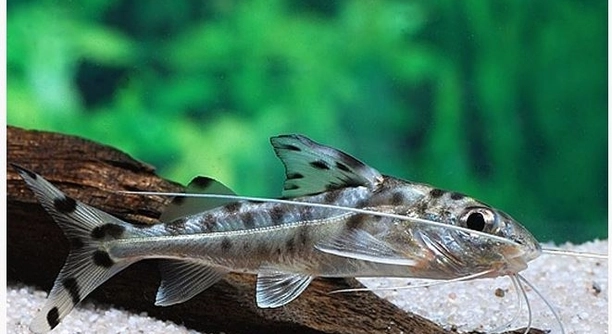
Do you ever find yourself rearranging your tank decorations, hoping to create a peaceful space your pictus will actually use?
The best way to create a rest zone for your pictus is by using soft substrate, dense plant cover, and low lighting. These elements help mimic their natural habitat, providing comfort, security, and reduced stress.
Small changes in your tank setup can make a big difference in your pictus catfish’s comfort and behavior.
Choosing the Right Location in the Tank
Creating a rest zone starts with where you place it. Pictus catfish are naturally shy and prefer calm, shaded areas. Choose a low-traffic spot in the tank, away from strong currents or filters. This helps them feel secure and less exposed. Use objects like driftwood, rocks, or tall plants to create a sense of shelter. These elements not only block out light but also give your pictus places to hide when they feel stressed. Keep the layout open enough for easy swimming, but structured enough to offer coverage. Positioning matters more than people think. A rest zone placed too close to loud bubbles or bright lights won’t do much good. Pictus catfish are sensitive to movement and sound, so avoid placing their rest area near areas with frequent activity. The right location, combined with thoughtful decor, can provide a much-needed break from tank stimulation and encourage natural resting behavior.
This space should feel quiet and away from the daily activity of the tank.
Using smooth, rounded items like river stones or hollow logs can make the space more comfortable. Combine these with leafy plants or moss to make the zone feel like a soft, shaded corner. Fish will naturally be drawn to it if it feels safe and undisturbed.
Creating the Perfect Hiding Spot
Pictus catfish rely on having a safe hiding place to rest. Without it, they stay on alert and have trouble settling.
For the hiding space to work well, it should be dark, soft, and surrounded by cover. PVC tubes, ceramic caves, or stacked stones work well if they have no sharp edges. You can also use large, leafy plants like java fern or anubias to surround the shelter. These plants offer visual comfort while also filtering the light above. Some aquarists even use coconut shells or terracotta pots turned on their side. Add soft substrate underneath, such as fine sand, to support their delicate barbels. Avoid using gravel, as it can cause irritation. Make sure the hiding space is big enough for your pictus to turn around in but not so large that it feels exposed. Place it in a quiet part of the tank with minimal light. Over time, you’ll notice your pictus using it regularly.
Controlling Light and Noise Levels
Too much light or noise can make your pictus feel unsafe and prevent them from resting properly. Keeping things calm and dim in their zone helps them relax and stay healthy.
Use low-light plants or floating plants like duckweed to reduce brightness in their rest area. If your tank light is strong, consider using a dimmer or placing the rest zone under shaded decor. Pictus catfish are mostly active at night, so they need a darker area to retreat during the day. Also, keep tank noise low. Loud air pumps or filters that vibrate the glass can stress them out. If possible, use sponge filters or quieter models. Avoid tapping on the glass or making loud sounds near the tank. This helps maintain a peaceful environment where your pictus can rest without disturbance and stay active when it matters most.
If you have other fish in the tank, be sure they aren’t disturbing the pictus while it rests. Choose peaceful tank mates and avoid fast swimmers that might invade the zone. Having a low-stress space keeps your pictus from constantly hiding or acting skittish. You’ll notice more natural and relaxed behavior once they feel safe and undisturbed in their environment.
Maintaining Clean Water in the Rest Zone
Good water quality is important for the whole tank, but it matters even more in the areas where your fish rest. Dirty or unstable water can cause stress and illness, especially for bottom-dwellers like the pictus catfish.
Keep the substrate clean by gently vacuuming around the rest zone during water changes. Don’t remove or shift decorations too much, as this can undo the comfort they’ve built there. Make sure your filter is strong enough to keep the water stable, but not so strong that it stirs up the sand or disturbs the rest zone. Check for leftover food or waste near the hiding areas since they often settle there. Ammonia and nitrate buildup in these areas can go unnoticed if you’re not careful. Test the water regularly and aim for soft, slightly acidic conditions, which mimic their natural habitat. When the rest zone feels clean and balanced, your pictus will feel much safer using it.
Adding Natural Elements for Comfort
Live plants not only help with water quality but also offer shelter and shade. Choose hardy plants that won’t need constant trimming. They create a soft, safe space that helps your pictus feel more at ease throughout the day.
Smooth rocks, driftwood, and moss can help form a calm, natural zone. These items reduce stress and give your pictus places to hide and explore. Arrange them so the space feels enclosed but still allows easy entry and exit for your fish.
Monitoring Behavior for Signs of Stress
Watch how your pictus behaves during the day. If they use the rest zone often, it’s a good sign they feel safe. If they avoid it or stay hidden all the time, something may be off. Adjust the lighting, flow, or tank mates if needed. Always move things slowly and give them time.
Avoiding Sharp or Rough Decorations
Pictus catfish have delicate barbels that can get damaged easily. Avoid sharp rocks, plastic plants, or rough decor in their rest area. Stick with smooth materials and soft plants to keep them safe.
FAQ
How many rest zones should I create in the tank?
One well-placed rest zone is usually enough for a single pictus catfish. If you have multiple pictus catfish in the same tank, it’s best to offer more than one rest area so each fish has its own space. This helps prevent stress and territorial behavior. Rest zones don’t have to be big or complicated—just make sure each one is quiet, hidden, and safe. Spread them out across the tank so the fish can choose a spot away from other activity. This small effort can make a big difference in their comfort and health.
Can I use fake plants in the rest zone?
Yes, fake plants can work as long as they are soft and have no sharp edges. Some plastic plants can damage the delicate skin or barbels of a pictus catfish. Silk plants are a better option because they’re softer and more flexible. They still offer the shade and visual cover that help your fish feel secure. Try combining fake plants with natural decor like driftwood or smooth rocks for a balanced look. Just be sure to rinse all decorations well before adding them to the tank to avoid introducing any harmful residues.
What kind of lighting is best for the rest zone?
Use low, indirect lighting in or around the rest zone. Pictus catfish are nocturnal and tend to avoid bright lights during the day. If you’re using overhead tank lighting, try to shade the rest area with tall plants or decor. You can also use floating plants like duckweed or frogbit to dim the light reaching that part of the tank. Some people even add a background or side cover to block outside light from nearby windows. A dimmer switch or adjustable LED light can also help you control the brightness as needed.
Do pictus catfish always use the rest zone?
Not always. They are active swimmers and tend to hide only when they need to rest, feel stressed, or want to avoid bright lights. If your fish is swimming around a lot, especially during feeding time or at night, that’s normal. But you should still see them use the rest zone regularly during the day. If your pictus is hiding constantly or not using the space at all, it might mean something is wrong with the setup. Double-check lighting, water quality, tank mates, or the design of the zone itself to be sure it’s meeting their needs.
Can I place the rest zone near the filter?
It’s better to avoid placing the rest zone too close to a strong filter. Pictus catfish prefer calm water when they’re resting. High flow from a filter can stir up substrate and make the area feel unstable. Instead, use decorations or plants to create a buffer between the filter and the rest zone. If your tank requires strong filtration, consider using a sponge filter for the section near the rest zone. This allows for clean water without disturbing the calm, quiet conditions that help your fish feel safe.
How often should I clean the rest zone?
Clean it gently during your regular tank maintenance. Use a siphon to remove waste around the zone without disturbing the setup too much. Avoid lifting or shifting decor unless it’s really necessary. Pictus catfish grow attached to familiar hiding places, and too much change can cause stress. Check for trapped debris under caves or logs, as leftover food tends to collect there. Keep the substrate clean and the water parameters stable. A little care goes a long way in keeping the rest zone safe and comfortable for your fish.
Should I keep the tank light on all day?
No. Keeping the tank light on all day can stress your pictus catfish and disturb their resting patterns. Try using a timer to give them 8 to 10 hours of light, followed by a longer dark period. This better mimics their natural environment and encourages healthy activity at night. During the day, the rest zone offers a dark and calm retreat. Without a proper light schedule, your pictus might stay hidden too much or show signs of stress. A predictable light cycle supports a healthier and more balanced tank environment.
Final Thoughts
Creating a rest zone for your pictus catfish doesn’t have to be complicated. It just takes some small changes in how you set up your tank. Focus on soft surfaces, gentle lighting, and calm spaces where your fish can feel safe. Pictus catfish are active and curious, but like all animals, they also need quiet time to rest and recover. Giving them a peaceful space helps reduce stress, supports their health, and allows them to behave more naturally. When they feel safe, you’ll notice them becoming more relaxed and even more active when the lights go down.
Each part of the rest zone serves a purpose. Plants give shade, decorations offer hiding spots, and soft substrate protects their delicate barbels. Clean water keeps the area healthy and safe. You don’t need expensive supplies—just thoughtful placement of a few items can go a long way. Watch how your pictus behaves and adjust as needed. If you notice they avoid the space or hide constantly, something might need to be changed. Maybe the lighting is too bright, or another fish is bothering them. Observation is key. The more time you spend understanding your fish, the easier it becomes to give them what they need.
In the end, a well-made rest zone is about balance. It gives your pictus a place to recharge during the day, while the rest of the tank can stay open and active. Rest is part of a healthy routine, just like eating and swimming. When your pictus has a quiet area to retreat to, they’re more likely to thrive. Small steps like lowering light, adding plants, or choosing the right tank mates can make a big difference. Taking the time to set up a proper rest zone shows care, and your fish will benefit from it every day. It becomes part of a safe, steady home where they can live comfortably.

Hello,
If you enjoy the content that we create, please consider saying a "Thank You!" by leaving a tip.
Every little bit helps us continue crafting quality advice that supports the health, happiness, and well-being of pets around the world, for pets of all shapes, sizes, and species.
We really appreciate the kindness and support that you show us!