
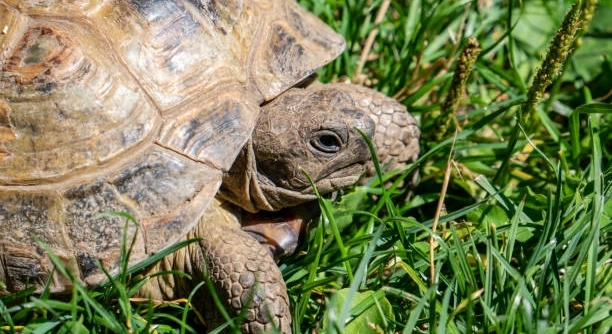
Creating a safe and comfortable habitat for baby box turtles is crucial for their growth and well-being. These small creatures require specific conditions to thrive, and setting up a proper environment will make all the difference in their development.
To create a miniature habitat for baby box turtles, you need to focus on factors such as temperature, humidity, substrate, and lighting. Providing a suitable enclosure with hiding spots, a water area, and appropriate basking zones will mimic their natural habitat.
By following these tips, you can ensure your baby box turtles grow up healthy and happy. Let’s explore the essential steps for setting up their perfect home.
Choosing the Right Enclosure
When setting up a habitat for your baby box turtle, choosing the right enclosure is key. A glass aquarium or a plastic storage container can work well, but it should be large enough for the turtle to move around. For a baby box turtle, an enclosure that’s at least 40 gallons is recommended, though larger is always better. This gives the turtle enough space to explore, hide, and bask.
The walls of the enclosure should be smooth and tall enough to prevent escapes. Keep in mind that baby turtles are small but can be quite determined. The lid should allow for airflow, but be secure enough to prevent any accidents.
In addition to the enclosure size, ensure there are no sharp edges or exposed materials that could harm the turtle. You want to create a safe and comfortable space where the turtle can thrive without feeling stressed or confined.
Substrate for the Enclosure
Selecting the right substrate is an important part of creating your baby turtle’s habitat.
The best option is a mix of organic soil and coconut coir, which holds moisture and is safe for the turtles. Avoid using gravel or sand that could be harmful if ingested. A soft, absorbent material helps to maintain humidity and provides a natural surface for the turtles to dig and explore. Make sure the substrate is deep enough for burrowing, as this will give your baby turtles the security they need.
Additionally, regularly clean the substrate to prevent bacteria build-up. You can spot clean daily and do a full cleaning once every two weeks. By keeping the substrate fresh and healthy, your baby box turtle will have a safe and comfortable environment.
Temperature and Humidity Control
Maintaining the right temperature and humidity levels in your baby box turtle’s habitat is crucial for its health. Box turtles are native to warm, humid environments, so replicating those conditions will help them thrive.
The temperature in the basking area should range between 85-90°F, while the cooler side should be around 75-80°F. A heat lamp or ceramic heater can help maintain these temperatures. Use a thermometer to monitor the temperature closely.
Humidity should be kept at around 60-80%. You can achieve this by misting the enclosure with water and providing a shallow water dish for the turtle to soak in. A hygrometer will help you keep track of the humidity levels. Both the temperature and humidity need to be consistent, so avoid placing the enclosure in direct sunlight or near drafts.
Lighting for Baby Box Turtles
Proper lighting is another essential aspect of creating a healthy environment.
Box turtles need both UVB light for calcium absorption and a heat source for warmth. A UVB light should be provided for around 10-12 hours a day, and it should be replaced every 6 months to ensure proper output. This light helps prevent shell deformities and promotes overall health.
The heat source, such as a basking bulb, should be placed at one end of the enclosure. This provides the turtle with a warm area to bask and regulate its body temperature. Make sure there’s enough space for the turtle to move between the warmer and cooler areas. By offering the right lighting, you can help your baby box turtle grow strong and healthy.
Creating Hiding Spots
Hiding spots are crucial for baby box turtles as they help reduce stress and provide a sense of security.
You can use natural elements like rocks, logs, or plants to create small hiding areas. Make sure these structures are stable and easy to access for the turtles. These spots allow the turtles to retreat when they feel threatened, mimicking their natural environment where they would seek shelter.
Avoid overcrowding the habitat with too many objects. Space is important, so focus on a few well-placed hiding spots. This balance helps maintain a natural feel while giving the baby turtles a comfortable place to relax and feel safe.
Water Area for Soaking
A shallow water area is essential for baby box turtles. They enjoy soaking and need access to water to stay hydrated and aid digestion.
Set up a shallow water dish that’s large enough for the turtle to comfortably soak in but not deep enough to pose a drowning risk. The water should be changed daily to keep it clean and fresh. You can also add a small filter if you want to reduce the frequency of water changes.
Ensure the water temperature stays between 70-80°F. Cold water can stress your turtle, while too hot can make it uncomfortable. Make sure the water area is easy to access and is positioned away from the basking area to maintain the right temperature gradient.
Feeding Your Baby Box Turtle
Baby box turtles need a varied diet that includes both animal and plant-based foods.
Offer them insects like worms, crickets, and snails, along with leafy greens such as kale, dandelion greens, and collard greens. You can also add fruits like strawberries or blueberries occasionally. Avoid feeding them iceberg lettuce, as it has little nutritional value.
Make sure the food is cut into small, manageable pieces to prevent choking. You can also dust the food with calcium powder to support their shell development. Always provide fresh food and remove uneaten portions daily to keep the habitat clean.
Handling Baby Box Turtles
Handle your baby box turtle gently and infrequently to reduce stress.
When you do handle them, be sure to support their whole body and avoid dropping them. Always wash your hands before and after handling to prevent introducing harmful bacteria. Overhandling can cause stress and impact their growth, so allow them to explore their habitat freely. Keep sessions brief and calm.
FAQ
How often should I clean the enclosure?
You should spot clean the enclosure daily by removing any uneaten food, waste, or debris. Perform a deep clean every two weeks, which involves removing the substrate, cleaning the enclosure thoroughly with mild soap and water, and replacing the substrate. This will keep your baby box turtle’s environment fresh and free from harmful bacteria.
What temperature should the basking area be?
The basking area should be between 85°F and 90°F (29°C – 32°C) to allow your baby box turtle to warm up. The warmer spot helps with digestion and overall health. Ensure the rest of the enclosure remains cooler, around 75°F to 80°F (24°C – 27°C), so the turtle can regulate its body temperature.
Can baby box turtles eat fish?
While box turtles are omnivores, you should limit their intake of fish. Feeding them fish occasionally is fine, but it should not be a regular part of their diet. Fish like goldfish or minnows can carry parasites and should be offered sparingly. Stick to feeding them insects, worms, and leafy greens for the best nutrition.
How much water should I provide for my baby box turtle?
A shallow water dish large enough for your baby box turtle to soak in is essential. The water should be no deeper than the turtle’s legs to prevent drowning. You should change the water every day to keep it clean, and the temperature should stay around 70°F to 80°F (21°C – 27°C). A water filter can help maintain cleanliness, but regular water changes are still necessary.
Do I need UVB light for my baby box turtle?
Yes, UVB light is essential for your baby box turtle’s health. It helps them metabolize calcium, which is crucial for healthy shell growth. Provide UVB lighting for 10-12 hours a day. Replace the bulb every 6 months, as its UVB output weakens over time. Ensure the light is placed 6-12 inches above the turtle to be effective.
Can I keep multiple baby box turtles in the same enclosure?
It’s generally not recommended to house multiple baby box turtles together, especially if they are of different sizes. Turtles can become territorial, and conflicts may arise. If you do decide to house more than one, make sure the enclosure is large enough to give each turtle its own space. Monitor them closely for signs of aggression or stress.
How can I tell if my baby box turtle is healthy?
A healthy baby box turtle will have clear, bright eyes, smooth, hard shell, and be active. Its skin should be free of wounds, lesions, or abnormal growths. If you notice your turtle being lethargic, having difficulty moving, or showing signs of respiratory problems (like wheezing), it could indicate illness. If you are concerned, consult a veterinarian.
What should I do if my baby box turtle is not eating?
If your baby box turtle refuses to eat, first check the temperature, humidity, and lighting conditions. Poor environmental conditions can cause a lack of appetite. Make sure the food you’re offering is fresh and appropriate. If your turtle continues to refuse food, it may be stressed, sick, or need a change in diet. Consult a vet if the problem persists for more than a few days.
How do I handle my baby box turtle safely?
When handling your baby box turtle, always support its entire body. Gently lift it with both hands, making sure you don’t drop or handle it roughly. Avoid excessive handling, as it can stress the turtle. Wash your hands before and after touching your turtle to avoid transferring any harmful substances.
What are common health issues for baby box turtles?
Common health issues include shell rot, respiratory infections, and parasites. Shell rot typically appears as soft or discolored spots on the shell. Respiratory infections often cause wheezing, mucus around the nose, and labored breathing. Parasites can lead to lethargy, poor appetite, and weight loss. Regular checkups with a vet can help prevent and treat these issues early.
Can I use a heat pad instead of a heat lamp?
While a heat pad can help warm the enclosure’s floor, it’s not a substitute for a heat lamp. Box turtles need a basking area with a direct heat source for thermoregulation, which a heat pad alone cannot provide. Use both a heat lamp and a heat pad to create a proper temperature gradient within the enclosure.
How can I keep my baby box turtle entertained?
Box turtles enjoy exploring, so make sure the habitat has various objects and hiding spots for them to interact with. You can add logs, plants, and rocks to encourage climbing and digging. Keep the habitat clean and ensure there are areas for the turtles to soak, bask, and hide. Rotating toys or structures can also help maintain their interest.
Do I need to provide a substrate for my turtle to dig in?
Yes, baby box turtles like to dig. Providing a soft, moist substrate allows them to exhibit natural behaviors, such as burrowing and hiding. A mix of organic soil and coconut coir works well for this. Ensure the substrate is deep enough for digging, and keep it moist to help with humidity.
Setting up a proper habitat for your baby box turtle is essential for its growth and well-being. By focusing on the right enclosure, temperature, lighting, humidity, and food, you can create a safe environment that helps your turtle thrive. Remember that baby box turtles are still developing, and their needs are different from adult turtles, so it’s important to be attentive to their care requirements.
With careful attention to detail, such as providing hiding spots and a shallow water area, you can create a space where your baby box turtle feels secure and comfortable. It’s important to establish a routine for cleaning and monitoring environmental conditions to ensure that your turtle’s habitat stays healthy and free of bacteria. Offering a balanced diet and minimizing stress are other key factors that will support your turtle’s growth and happiness.
Caring for a baby box turtle can be a rewarding experience, but it also requires commitment and understanding. By following the steps outlined in this guide, you’ll be able to create a habitat that encourages your turtle’s natural behaviors and helps it develop into a healthy adult. Regularly checking on your turtle’s health, behavior, and environmental conditions will go a long way in ensuring its well-being over time.

Hello,
If you enjoy the content that we create, please consider saying a "Thank You!" by leaving a tip.
Every little bit helps us continue crafting quality advice that supports the health, happiness, and well-being of pets around the world, for pets of all shapes, sizes, and species.
We really appreciate the kindness and support that you show us!