
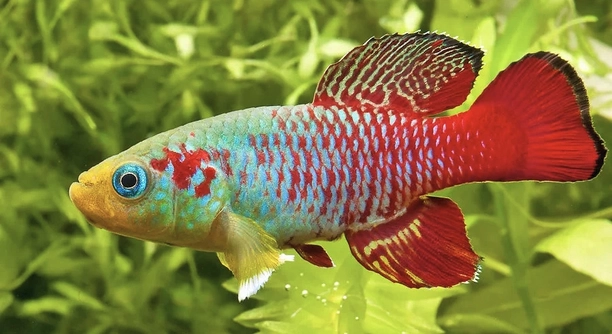
Have you ever tried breeding your killifish but felt unsure about how to get them ready for successful spawning?
The best way to condition killifish for spawning is by providing high-quality live foods, maintaining optimal water conditions, and separating males and females before reintroducing them. These steps help stimulate natural breeding behavior effectively.
By understanding each stage of the conditioning process, you can support your killifish and improve their chances of healthy, successful spawning.
Choosing the Right Pair for Spawning
Start by selecting a healthy male and female pair. Look for active fish with bright colors and no visible signs of disease. A well-conditioned pair responds better to breeding triggers. Avoid choosing fish that are too young or have recently been stressed. It’s best to use mature fish that have had time to recover from previous spawning or travel. Place each fish in separate tanks for a few days and monitor their behavior. During this time, you can also observe how they respond to improved diet and water conditions. Separation helps increase breeding interest once they are reunited. It also prevents aggression and stress buildup before they’re introduced for spawning. Once conditioned, they will show clearer signs of readiness. This method works well for both annual and non-annual killifish species. Ensuring the pair is truly ready is key to improving your breeding success without unnecessary setbacks or failed attempts.
Separating the fish allows them to build interest and prevents early aggression, which can affect the chances of successful spawning.
When you notice the male displaying vibrant coloration and the female developing a rounded belly, it’s a good sign they’re ready. Reintroduce them into the spawning tank early in the day to encourage active interaction.
Feeding and Water Conditions
Feeding live food increases your killifish’s energy and stimulates their breeding instincts.
Offer a variety of live foods like brine shrimp, daphnia, or blackworms at least twice a day. These protein-rich foods help boost the fish’s health and egg production. Avoid overfeeding, as it can harm water quality. Also, ensure the food size is appropriate for your killifish species. In parallel, maintain clean water with stable parameters. Slightly softer water with a neutral to slightly acidic pH usually works best. Regular water changes help keep toxins low and the tank environment stable. A temperature between 72–76°F (22–24°C) is ideal for most species. Make sure the tank is free of strong currents, and provide plants or spawning mops to create a calm space. Using a sponge filter can keep the water clean without stressing the fish. Consistency is key—sudden changes can cause stress and delay spawning. Keeping the environment clean and food fresh ensures your pair stays in top condition throughout the process.
Preparing the Spawning Tank
Use a small, bare-bottom tank with a sponge filter and stable temperature to reduce stress and allow easy egg collection. Include spawning mops or fine-leaved plants for egg attachment and shelter during the breeding process.
Keep the water shallow—around 5 to 6 inches deep—to make spawning interactions easier and more controlled. Add a small heater to keep the temperature stable, especially in cooler environments. A tight-fitting lid is important because killifish are known jumpers. The tank should have minimal lighting and be placed in a quiet area. Avoid using gravel or decorations that can trap eggs or disturb the pair. Check ammonia and nitrate levels often to avoid buildup. A well-prepared tank helps reduce stress, supports healthy egg laying, and allows you to monitor the process closely without disturbing the fish too much during their most active breeding hours.
Change small amounts of water daily to keep the tank clean without causing a shift in parameters. Use aged water with similar temperature and pH to avoid stressing the pair. Keep the sponge filter gentle—too much current can scatter the eggs or disrupt spawning behavior. Remove uneaten food promptly to maintain water clarity and avoid decay. Spawning usually happens in the morning. Once you see eggs in the mop or plants, remove them carefully and place them in a separate container for incubation. Label the container with the date so you can monitor hatching progress. This setup supports egg survival and helps prevent fungus or other damage.
Monitoring and Post-Spawning Care
Watch the pair closely after spawning to prevent aggression or stress-related behavior. Some species become territorial and should be separated immediately after eggs are collected.
After spawning, move the adults back to their conditioning tanks or separate containers. This gives them time to rest and rebuild strength, especially the female. Keep feeding them well with live food and observe their behavior for any signs of stress or illness. Clean the spawning tank thoroughly before the next use to prevent bacterial buildup. For the eggs, maintain a stable temperature and check them daily for fungus. Remove any that turn white or cloudy. Use a few drops of methylene blue if needed to protect the remaining eggs. Within a few days to several weeks, depending on the species, you’ll begin to see tiny fry. At this point, feeding infusoria or vinegar eels supports early growth and helps your fry survive those first fragile days.
Egg Incubation Basics
Keep the collected eggs in a shallow container with aged water or damp peat moss, depending on the species. Maintain a stable temperature and avoid direct sunlight to prevent overheating or fungus growth.
Check the eggs daily and remove any that look cloudy or white. Healthy eggs will remain clear or amber in color.
Feeding the Fry
Once the fry hatch, they need very small live foods to survive. Start with infusoria or vinegar eels for the first few days. As they grow, introduce freshly hatched brine shrimp or microworms. Feed them several times a day in small amounts. Clean the container often to prevent waste buildup. Maintain water quality with daily changes using aged water. Keep the fry in shallow containers with minimal flow to avoid stress. Make sure the temperature remains consistent, and monitor their development closely. Avoid overfeeding, as leftover food can quickly spoil the water and harm the fry.
Growth Monitoring
As fry grow, observe their size and behavior daily. Separate larger or more aggressive ones if needed to prevent bullying or food competition.
FAQ
How long does it take to condition killifish for spawning?
Most killifish need about one to two weeks of conditioning with high-quality live food and clean water. During this time, keep males and females separate and feed them twice a day with protein-rich options like brine shrimp or daphnia. This helps build their strength and prepare their bodies for breeding. A consistent environment also supports good health. If your killifish seem slow to respond, extend the conditioning period slightly. Just make sure they stay active, alert, and healthy. Their behavior and appearance—especially brighter colors and a rounded belly—will signal they’re ready to spawn.
Can I use dry food instead of live food during conditioning?
While dry food may support general health, it is not ideal for conditioning killifish for spawning. Live food contains more nutrients and stimulates natural behaviors that help trigger spawning. If live food is hard to find, you can offer frozen options like bloodworms or frozen brine shrimp. These are better than flakes or pellets but still less effective than live choices. You can also culture your own live food at home to keep things affordable and consistent. Try combining feeding types if needed, but always include some live food during the conditioning stage.
What’s the best temperature for breeding killifish?
Most killifish spawn best between 72°F and 76°F (22°C to 24°C), but this can vary slightly depending on the species. Always check your specific type to avoid extremes. Use a reliable heater and thermometer to prevent fluctuations. Stable temperatures encourage spawning and help the eggs develop properly. Avoid sudden changes, as even a few degrees can cause stress. If your fish aren’t showing interest in spawning, slightly adjusting the temperature within the safe range may help. Keep lighting soft and natural—avoid strong, bright lights that can stress the fish.
Do all killifish lay their eggs the same way?
No, different species have different spawning methods. Some are egg scatterers, others are bottom spawners, and some prefer laying eggs on floating plants or mops. Annual killifish often lay eggs in substrate like peat moss and require a dry incubation period. Non-annual killifish typically attach eggs to plants or mops and incubate them in water. Understanding your species’ specific habits is important for setting up the tank correctly and collecting eggs safely. Follow their natural cues to improve the success rate of hatching and fry survival.
How often should I collect the eggs?
Collect eggs daily to prevent fungus growth or damage. Use a soft brush or tweezers to gently remove them from the spawning mop or plants. Place them in a separate container with clean, aged water or peat moss, depending on the species. Label each batch by date to track development. This also helps avoid overcrowding and gives you better control over incubation. Always handle eggs gently, and rinse your tools with clean water to avoid contamination.
What causes eggs to develop fungus?
Eggs can develop fungus due to poor water quality, damaged eggs, or overcrowding. Unfertilized or already-dead eggs tend to spoil quickly and spread fungus to healthy ones. Remove any white or cloudy eggs right away. You can also use a few drops of methylene blue to help protect the healthy eggs. Maintain clean water and good airflow in the container. Keeping temperatures stable and avoiding sudden changes will also reduce fungal growth. Always start with healthy parents, as weak fish often produce lower-quality eggs.
How soon can I feed the fry after they hatch?
Feed them within 24–48 hours after hatching. Start with tiny live foods like infusoria, vinegar eels, or green water. These are small enough for the fry to eat easily. After several days, introduce newly hatched brine shrimp to support faster growth. Feed small amounts several times daily and clean the container to remove leftovers. Avoid overfeeding, as it quickly pollutes the water. Watch the fry to make sure they’re eating—if you see full bellies and active swimming, that’s a good sign they’re getting enough.
Can I raise fry in the same tank as the adults?
It’s not recommended. Adult killifish will often eat the fry if left in the same tank. Even if they don’t, the size difference makes it hard for fry to access food. A separate rearing container or tank helps you monitor the fry closely and feed them properly. Use aged water with a sponge filter and keep the environment calm and clean. Only move fry to the main tank when they’re large enough to avoid being seen as food—usually after several weeks of healthy growth and steady feeding.
Final Thoughts
Conditioning killifish for spawning takes time, patience, and attention to detail. By feeding them live, protein-rich foods and maintaining clean water, you give them the strength and energy they need to reproduce successfully. Separating the males and females during the conditioning phase helps build interest and reduces early aggression. When they are finally introduced into a spawning tank, they will be more likely to interact in a calm, natural way. Providing a safe environment with spawning mops or plants encourages egg-laying and helps protect the eggs from being eaten or damaged. Always watch for signs of readiness such as brighter colors and active behavior.
Each step in the process supports the next. A healthy pair leads to healthy eggs. Healthy eggs, when carefully incubated and protected, result in strong, active fry. Keeping everything clean and stable—especially temperature and water conditions—makes a big difference. Feeding small, frequent meals and observing behavior helps you respond early to any issues. Even simple changes like daily water changes or gentle lighting can help avoid problems. When fry begin to grow, they also need a calm environment and proper feeding to survive those early days. Keeping them separate from adults and offering the right food at the right size increases their chances.
This process may seem like a lot at first, but it becomes more manageable with practice. Watching killifish go through every stage—from courtship to spawning to fry swimming on their own—can be rewarding. Even small improvements in your setup can lead to better results over time. Learning how to support your fish during these stages helps ensure a healthier group of offspring. It also gives you a chance to observe the natural behavior of these colorful, active fish more closely. Whether you’re breeding for the first time or looking to improve your current methods, careful conditioning and attention to each stage can make all the difference in the success of your killifish spawning efforts.

Hello,
If you enjoy the content that we create, please consider saying a "Thank You!" by leaving a tip.
Every little bit helps us continue crafting quality advice that supports the health, happiness, and well-being of pets around the world, for pets of all shapes, sizes, and species.
We really appreciate the kindness and support that you show us!