
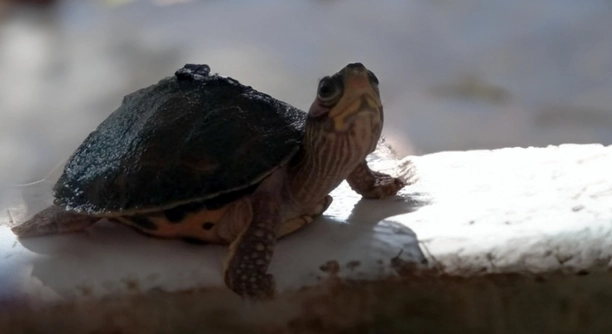
Keeping an Indian Roofed Tortoise’s tank clean is essential for its health and well-being. Regular tank maintenance can help ensure a clean and safe environment for your pet, while also making it easier to spot potential issues.
Cleaning the tank involves removing waste, changing the water, and cleaning surfaces. Scrub the tank with safe, non-toxic products to remove dirt, algae, and bacteria. Replace the substrate regularly to avoid any harmful buildup.
There are some best practices that will help you maintain a clean environment for your tortoise and make the cleaning process easier.
Importance of Regular Tank Cleaning
Maintaining a clean tank for your Indian Roofed Tortoise is crucial for its overall health. Tortoises are prone to infections and illnesses caused by bacteria, fungus, and waste buildup. A clean tank reduces the risk of these health issues and creates a comfortable habitat for your pet. Regular cleaning also helps in monitoring the tank’s condition, allowing you to spot problems like mold or excessive algae growth. Without consistent maintenance, harmful bacteria can proliferate, leading to more frequent vet visits and unnecessary stress for your tortoise.
Cleaning a tank frequently is not just about removing waste but also about maintaining proper water quality. The water in your tortoise’s habitat should be changed regularly, ensuring that harmful chemicals and bacteria do not build up. This practice keeps the environment healthy, preventing the growth of harmful microorganisms. A clean tank will also support better digestion and overall well-being for your tortoise.
Once you establish a regular cleaning routine, it becomes much easier to spot and address potential issues before they escalate. Keeping the tank tidy not only helps your tortoise but also makes the maintenance process less time-consuming in the long run.
Best Products for Tank Cleaning
Using safe, non-toxic products is key when cleaning your tortoise’s tank. Many cleaning solutions can harm your pet, so always opt for natural, pet-safe products designed for reptile habitats.
It’s important to avoid any harsh chemicals like bleach, which can harm your tortoise if ingested or absorbed through their skin. Instead, choose mild disinfectants, vinegar, or specialized reptile-safe cleaners. These products clean effectively without introducing harmful toxins into the environment. Regularly cleaning accessories like water bowls and basking rocks will prevent dirt buildup and ensure your tortoise has a clean, safe space to explore.
Using safe products not only protects your tortoise but also helps preserve the tank’s structure. Over time, harsh chemicals can damage glass or plastic surfaces, so it’s best to stick to natural, safe cleaners whenever possible.
Choosing the Right Substrate
Choosing the right substrate is essential for your tortoise’s tank. The substrate not only helps in maintaining a clean environment but also supports your tortoise’s natural behaviors. It’s important to choose one that is easy to clean and safe for your pet.
There are several options when it comes to substrates, but coconut coir, cypress mulch, or organic topsoil are often the best choices. These substrates mimic the natural habitat of the Indian Roofed Tortoise and can help with humidity control. Avoid substrates like sand, which can lead to impaction if ingested. A good substrate should be absorbent, easy to spot-clean, and non-toxic.
You’ll need to change the substrate regularly to ensure cleanliness. Depending on the material used, it’s important to monitor moisture levels as well. Keep the substrate slightly damp, as this helps with humidity control, but avoid making it too wet, as excess moisture can lead to mold growth. Always replace the substrate fully every few months to maintain a healthy environment.
Temperature and Humidity Control
Maintaining proper temperature and humidity is vital for your tortoise’s well-being. A consistent temperature and humidity level help regulate your tortoise’s metabolism and overall health.
Using a reliable thermometer and hygrometer will help you monitor the conditions in the tank. The ideal temperature range for an Indian Roofed Tortoise is 75°F to 85°F, with a basking spot around 90°F. As for humidity, the tank should be kept at around 60-70%. You can achieve this by using a humidifier or misting the substrate lightly. Too high or too low humidity can lead to skin and respiratory issues.
It’s important to adjust humidity levels based on the season and your home’s climate. During dry months, you may need to increase humidity, while in more humid seasons, you may need to lower it slightly. Always ensure that your tortoise has access to a dry area in its tank to regulate temperature preferences and avoid discomfort.
Removing Waste and Debris
Waste removal should be done daily to ensure your tortoise’s tank stays clean. Use a small scoop to remove any uneaten food, feces, or soiled substrate. Removing waste promptly helps prevent bacteria from growing and keeps your tortoise’s environment fresh.
Additionally, inspect the tank for any debris like leaves, algae, or other material that may have accumulated. Regular cleaning of decorations, rocks, and food bowls is also essential. Removing waste daily helps maintain hygiene and prevents unpleasant odors, creating a healthier living space for your tortoise.
Cleaning Water Bowls and Basking Rocks
Your tortoise’s water bowl and basking rocks need cleaning at least every few days. Remove any debris or leftover food from the water, and replace it with fresh, clean water.
To clean basking rocks, scrub them with a soft brush and mild soap or reptile-safe cleaner. Be sure to rinse them thoroughly to remove any soap residue. Keeping both the water bowl and basking rocks clean is important for your tortoise’s health, as bacteria and mold can quickly build up on these surfaces.
Deep Cleaning the Tank
A deep cleaning should be done every 4 to 6 weeks. Start by removing all decorations, rocks, and substrate. Wash the tank thoroughly with warm water and a reptile-safe cleaner. Scrub the glass or plastic to remove any algae or grime buildup.
Once cleaned, replace the substrate and wipe down all surfaces with a clean cloth. Disinfect any accessories like feeding dishes or basking platforms. Deep cleaning ensures the environment remains free from harmful bacteria and keeps your tortoise’s tank in top condition.
FAQ
How often should I clean my Indian Roofed Tortoise’s tank?
You should clean the tank at least once a week, but daily spot cleaning is essential. Remove waste, uneaten food, and debris regularly to prevent the growth of harmful bacteria. Full tank cleanings, including substrate replacement, should be done every 4 to 6 weeks.
What is the best substrate for an Indian Roofed Tortoise tank?
Coconut coir, cypress mulch, or organic topsoil are the best choices. These substrates are absorbent, easy to clean, and mimic the tortoise’s natural environment. Avoid sand or gravel, as they can lead to digestive problems if ingested.
How do I prevent mold in my tortoise’s tank?
Mold can grow if the tank is too humid or not properly ventilated. To prevent mold, ensure you’re using a proper substrate that balances moisture levels and provides good airflow. Regular cleaning, along with monitoring humidity and temperature, will also help keep mold at bay.
Can I use bleach to clean my tortoise’s tank?
No, bleach should never be used as it can leave harmful residues that may harm your tortoise. Always use reptile-safe cleaners, or natural alternatives like vinegar and water, to clean the tank. These are effective and safe for your pet.
How do I control the humidity in the tank?
Humidity can be controlled by misting the substrate, using a humidifier, or placing a shallow water dish in the tank. The ideal humidity level for an Indian Roofed Tortoise is 60-70%. Monitor the humidity levels with a hygrometer to maintain proper conditions.
How can I keep the water clean in my tortoise’s tank?
Change the water daily to keep it clean. Use a water filter if necessary, and clean the water bowl with mild soap or a reptile-safe cleaner. Make sure the bowl is free of debris and food remnants that could attract bacteria.
What temperature should the tank be?
The ideal temperature for an Indian Roofed Tortoise tank ranges from 75°F to 85°F, with a basking spot reaching 90°F. Use a reliable thermometer to monitor the temperature. A heat lamp or ceramic heat emitter can help maintain the right conditions.
How often should I change the substrate in the tank?
You should replace the substrate every 4 to 6 weeks. This helps maintain cleanliness and reduces the build-up of bacteria and mold. However, if you notice that the substrate is too soiled before this time, it’s important to replace it sooner.
Can I use sand as substrate?
It’s not recommended to use sand in a tortoise tank. While it may seem natural, it can lead to impaction if your tortoise ingests it, which could cause severe health problems. Stick to safer, more absorbent substrates like coconut coir or cypress mulch.
Is it okay to have plants in my tortoise’s tank?
Yes, plants can add enrichment and help with humidity, but be cautious about the types of plants you use. Avoid toxic plants like aloe or ivy. Safe options include grasses and edible plants like dandelions, clover, or hibiscus.
How do I clean my tortoise’s basking rocks?
To clean basking rocks, scrub them with a soft brush and mild soap, or use reptile-safe cleaners. Rinse them thoroughly with water to remove any soap residue before placing them back in the tank. This keeps them free of bacteria and mold.
Do I need to use UVB lighting for my tortoise?
Yes, UVB lighting is essential for your tortoise’s health. It helps them synthesize vitamin D3, which is needed for proper calcium absorption. Make sure the light is placed within the correct distance from the basking area and is replaced regularly, as UVB output decreases over time.
Can I clean my tortoise’s tank with vinegar?
Yes, vinegar is a safe, natural cleaner that can be used to clean your tortoise’s tank. Mix it with water to clean surfaces, remove algae, and disinfect the tank. Just ensure you rinse thoroughly afterward to avoid any vinegar smell lingering.
How do I clean my tortoise’s food and water dishes?
Clean food and water dishes daily to prevent bacteria buildup. Wash them with warm water and a reptile-safe cleaner, or use mild soap followed by a thorough rinse. Regular cleaning keeps the dishes hygienic and safe for your tortoise.
Why does my tortoise’s tank smell?
A smelly tank usually indicates that waste or uneaten food has been left too long. Spot clean the tank daily, remove waste, and replace the water regularly. If the odor persists, check the humidity levels and ensure the tank is thoroughly cleaned.
Can I use rocks or wood as decorations in the tank?
Yes, rocks and wood can be excellent decorations, as long as they’re cleaned properly and do not have sharp edges that could harm your tortoise. Make sure they are securely placed to prevent them from shifting. Regularly clean and disinfect them to maintain a healthy tank environment.
How can I tell if my tortoise’s tank is too dry?
If the substrate feels too dry to the touch, or if your tortoise appears to be dehydrated or lethargic, it could indicate low humidity. Add a bit more moisture to the substrate or use a humidifier to keep the tank at the proper humidity levels.
How do I prevent my tortoise from eating the substrate?
To prevent your tortoise from eating the substrate, use materials that are not easily ingestible, such as coconut coir or cypress mulch. If your tortoise continues to eat the substrate, consider offering more food or enrichment to distract them from the substrate.
Final Thoughts
Cleaning an Indian Roofed Tortoise’s tank is an essential part of ensuring its health and well-being. Regular cleaning prevents the buildup of waste, mold, and harmful bacteria, creating a safe and comfortable environment for your tortoise. By sticking to a cleaning schedule and choosing the right materials, you can maintain a healthy habitat. Keeping the tank clean also supports better humidity levels, which is crucial for your tortoise’s hydration and overall health. A clean tank is not just about appearance; it plays a significant role in your tortoise’s long-term well-being.
Proper substrate, temperature, and humidity levels are also crucial to creating an environment where your tortoise can thrive. Choosing the right substrate, such as coconut coir or cypress mulch, provides a comfortable surface and absorbs moisture well. A basking area with proper temperature control ensures your tortoise can regulate its body temperature. Alongside the temperature, humidity plays an important role in preventing dehydration and encouraging healthy skin shedding. Balancing these factors will keep your tortoise active, healthy, and happy.
The cleaning process itself can be straightforward if done regularly. Spot cleaning every day or so helps you stay on top of waste, while a deeper cleaning of the tank should be done monthly. This routine makes the task feel less overwhelming and ensures the tank is consistently in good condition. While it may take time to adjust to the proper care routine, the effort you put into maintaining a clean tank will ultimately lead to a happier, healthier Indian Roofed Tortoise.

Hello,
If you enjoy the content that we create, please consider saying a "Thank You!" by leaving a tip.
Every little bit helps us continue crafting quality advice that supports the health, happiness, and well-being of pets around the world, for pets of all shapes, sizes, and species.
We really appreciate the kindness and support that you show us!