
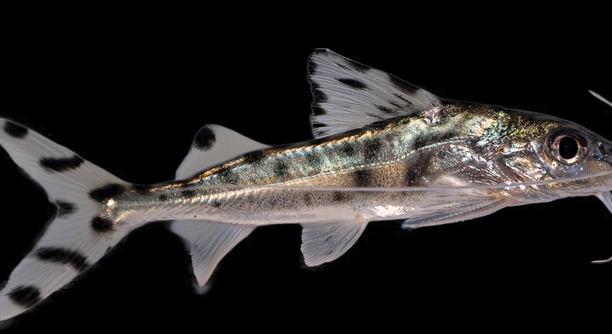
Choosing the right heater for a Pictus tank is essential for maintaining a healthy environment for your fish. Proper temperature control helps support their natural behavior and overall well-being. This guide provides clear information to help with your selection process.
Selecting an appropriate heater for a Pictus tank involves considering factors such as tank size, desired temperature range, and heater reliability. A good heater maintains stable warmth without fluctuations, ensuring optimal conditions for the fish’s comfort and health.
Knowing how to pick the right heater will improve your tank’s environment and keep your Pictus fish comfortable all year round.
Why Temperature Matters for Pictus Fish
Pictus fish thrive in a stable temperature range between 75°F and 80°F (24°C to 27°C). Keeping their tank within this range supports their metabolism, immune system, and overall activity. Sudden changes or prolonged exposure to colder water can stress them, leading to health problems or even disease. Because these fish are tropical, they rely on a consistent heat source to replicate their natural environment. Even small fluctuations in temperature can cause them to become sluggish or hide more than usual. To maintain this stable environment, a reliable heater is necessary. It’s important to monitor the tank’s temperature regularly using an accurate thermometer, as heaters can sometimes malfunction or provide uneven heat. Maintaining the proper temperature also supports the tank’s beneficial bacteria, which keep the water clean and safe. Taking these steps ensures a healthy, active Pictus fish that can live comfortably in your care.
Proper temperature stability encourages your Pictus fish to remain active and healthy over time.
Consistent heat helps keep your tank’s ecosystem balanced, reducing risks of disease and stress in your fish. This stability encourages natural behaviors and better feeding habits, enhancing their quality of life. A well-maintained temperature also protects the tank’s biological filtration, which is crucial for clean water. Ensuring this balance means fewer unexpected problems and less worry about your fish’s health.
Choosing the Right Heater Size
Selecting a heater that matches your tank size is key to keeping water temperature steady. A heater that is too small won’t warm the water efficiently, while an overly powerful heater might cause temperature swings. Generally, a heater rated for 3 to 5 watts per gallon of water works best for tropical fish tanks like those housing Pictus. For example, a 20-gallon tank would need a heater rated between 60 and 100 watts. Choosing the right wattage allows the heater to maintain temperature without running constantly or cycling on and off too frequently. This results in a more stable environment and longer heater lifespan. When shopping, also consider the heater’s build quality, ease of installation, and any built-in safety features like automatic shutoff or shatterproof casing. These factors contribute to both the safety and reliability of your setup.
Match heater wattage to your tank size for optimal temperature control.
A correctly sized heater works efficiently, preventing overheating and temperature drops, which keeps your fish comfortable. Avoiding an undersized or oversized heater will help maintain consistent warmth and reduce energy waste. Choosing a reliable, well-built heater also adds peace of mind.
Choosing the right heater means considering more than just wattage. Placement in the tank matters too. Position the heater near the tank’s filter outlet or an area with good water circulation to distribute heat evenly. Avoid placing it where fish frequently swim or where it could get damaged. Additionally, some heaters come with adjustable thermostats, allowing you to fine-tune the temperature easily. This flexibility is helpful if your room temperature changes seasonally. Before purchasing, read user reviews and check the warranty to ensure the product’s durability. A well-chosen heater simplifies tank maintenance and helps you focus more on enjoying your Pictus fish rather than troubleshooting temperature issues.
Types of Heaters for Pictus Tanks
There are mainly two types of heaters: submersible and hang-on-back. Each has its own advantages and fits different tank setups and preferences.
Submersible heaters are placed fully underwater and provide even heating throughout the tank. They are usually cylindrical and easy to hide behind decorations or plants. These heaters offer precise temperature control and quick response to temperature changes. Because they are submerged, heat disperses evenly, which benefits the Pictus fish by preventing cold spots. They also tend to be safer around water, reducing risks of overheating or damage. However, they require careful placement and regular inspection for wear or cracks. In contrast, hang-on-back heaters attach to the tank’s rim, heating water as it passes through the filter system. These can be less expensive but may not distribute heat as evenly. Depending on your tank setup, either type can be effective if chosen and maintained properly.
Choosing between these heater types depends on tank size, decoration, and personal preference.
A well-chosen heater type helps maintain a consistent, comfortable environment for your Pictus, reducing stress and health issues.
Safety Features to Consider
Safety features in heaters protect both your fish and your equipment. Look for models with automatic shutoff that activates if the heater overheats or is removed from water. This prevents damage and potential hazards. Some heaters also have shatterproof glass or casing, which reduces risks if the heater is accidentally bumped or dropped.
Temperature control accuracy is another important safety factor. Heaters with reliable thermostats avoid extreme temperature swings, protecting your Pictus fish from stress. An indicator light that shows when the heater is active adds convenience and reassurance. Also, waterproof seals and corrosion-resistant materials extend the heater’s lifespan in a humid aquarium environment. These features reduce the chance of electrical issues and leaks, making your tank safer overall. Investing in a heater with these safety components ensures peace of mind while maintaining a healthy tank environment.
Installing Your Heater Correctly
Place the heater where water flow is strong to ensure even heat distribution. Avoid areas where fish frequently swim or hide.
Secure the heater firmly to prevent movement. Use suction cups or brackets provided to keep it in place and prevent damage.
Monitoring and Maintenance
Regularly check the heater’s temperature with an independent thermometer to ensure accuracy. Inspect for cracks or damage to avoid malfunctions. Clean the heater gently during water changes to remove any algae buildup, which can affect performance. Proper care extends the heater’s lifespan and keeps your tank safe.
Adjusting Heater Settings
Set the heater thermostat to maintain the tank between 75°F and 80°F (24°C to 27°C). Make gradual adjustments if needed to avoid sudden temperature shifts that stress your Pictus fish.
Troubleshooting Common Issues
If the heater doesn’t turn on, check power connections and reset the device if possible. For inconsistent heating, verify thermostat accuracy or consider replacing an old heater.
FAQ
How do I know if my heater is the right size for my Pictus tank?
The heater size depends on your tank’s volume. Generally, use 3 to 5 watts per gallon of water. For example, a 20-gallon tank should have a heater rated between 60 and 100 watts. Using a properly sized heater ensures steady temperature without overworking the device or causing fluctuations. If the heater is too small, it will struggle to maintain warmth. Too large a heater can cause rapid temperature changes, which stress your fish.
Can I use a heater without a thermostat for my Pictus tank?
It’s best to use a heater with a built-in thermostat. Without it, the heater may overheat the water, risking harm to your fish. A thermostat helps keep the temperature stable by turning the heater on or off automatically. If your heater lacks a thermostat, you’ll need a separate device to monitor and control temperature, but this adds complexity and risk. Maintaining consistent temperature is crucial for Pictus fish health.
How often should I check the heater’s performance?
Check the heater daily or at least a few times a week, especially after setup. Use an independent thermometer to confirm the temperature matches the heater’s setting. Inspect the heater for cracks, loose parts, or algae buildup monthly. Regular checks help catch problems early, avoiding sudden temperature drops or overheating. Early detection prevents stress or illness in your fish.
Is it safe to leave the heater on 24/7?
Yes, heaters designed for aquariums are made to run continuously. Consistent heat maintains stable water temperature, which is vital for Pictus fish. Avoid turning the heater off unless performing maintenance or cleaning. Frequent on-and-off cycles can damage the heater and cause temperature swings harmful to your fish. Always monitor the tank temperature and adjust settings if needed.
What should I do if the heater breaks or malfunctions?
Immediately remove the broken heater to prevent electrical hazards or temperature instability. Replace it with a new, reliable model as soon as possible. Meanwhile, keep the tank warm using temporary methods like warm water bottles wrapped in towels outside the tank, but avoid sudden temperature changes. Check your fish closely for signs of stress, and act quickly to restore proper heating.
Can I use the same heater for multiple tanks?
It’s not recommended to use one heater for multiple tanks. Each tank needs its own heater to maintain correct temperature specific to its size and conditions. Moving heaters between tanks risks damage, incorrect temperature control, and cross-contamination of diseases or algae. Investing in a separate heater for each tank ensures safety and optimal conditions for your Pictus fish.
What is the best way to clean my aquarium heater?
Turn off and unplug the heater before cleaning. Gently wipe it with a soft cloth or sponge to remove algae or debris. Avoid using abrasive materials or chemicals that could damage the heater’s surface or leave harmful residues. Regular cleaning during water changes prevents buildup that can reduce heating efficiency and cause uneven temperature distribution.
How long does an aquarium heater typically last?
A quality aquarium heater can last several years with proper care. Lifespan depends on brand, usage, and maintenance. Regularly inspecting and cleaning the heater helps extend its life. Replace the heater if you notice inconsistent heating, visible damage, or electrical issues. Investing in a durable model with good reviews often pays off in reliability and longevity.
Are there heaters specially made for Pictus tanks?
There are no heaters made exclusively for Pictus tanks, but many models suit their needs. Focus on heaters designed for tropical freshwater aquariums, with reliable thermostats and safety features. Choose wattage based on your tank size, and look for durable construction. Proper placement and maintenance are more important than specific branding.
How do temperature fluctuations affect Pictus fish?
Frequent or sudden temperature changes stress Pictus fish, weakening their immune system and increasing vulnerability to disease. They may become less active, lose appetite, or hide excessively. Prolonged exposure to cold water slows their metabolism, while overheating can cause rapid breathing and lethargy. Stable temperature keeps them healthy and encourages natural behavior.
Can I use a heater guard to protect my Pictus fish?
Yes, a heater guard is a good idea if your fish tend to swim near the heater or nibble on equipment. It prevents accidental burns or injuries from contact with the heater’s surface. Guards also protect the heater from damage caused by fish or decorations bumping into it. Choose a guard that fits securely and allows proper water flow around the heater.
What are signs that my heater is not working properly?
If the water temperature is consistently too low or too high despite correct settings, the heater may be malfunctioning. Other signs include flickering indicator lights, unusual noises, or visible cracks on the heater casing. Your fish might also show signs of stress such as hiding, gasping at the surface, or reduced activity. Address any issues quickly to protect your tank environment.
Is it necessary to unplug the heater during water changes?
Unplugging the heater during water changes is recommended for safety and to prevent damage. Sudden exposure to air can cause rapid temperature changes that may crack the heater’s glass or casing. Turning it off during partial water changes protects the heater and reduces risk of electric shock. Always plug it back in after refilling the tank and checking placement.
Can I trust the heater’s built-in thermometer?
Built-in thermometers can be convenient but aren’t always accurate. It’s better to use a separate, reliable aquarium thermometer to double-check the temperature. This helps ensure precise monitoring, which is essential for maintaining ideal conditions. Relying solely on the heater’s thermometer risks missing temperature fluctuations or errors. Regular verification helps keep your Pictus fish safe.
How do I adjust the heater for seasonal changes?
In colder months, you may need to raise the heater temperature slightly to compensate for room temperature drops. During warmer months, lowering the setting can prevent overheating. Make changes gradually, adjusting by one or two degrees at a time, and monitor water temperature closely. Avoid sudden shifts to reduce stress on your Pictus fish. Consistent monitoring ensures a comfortable environment year-round.
Choosing the right heater for your Pictus tank is a vital part of creating a healthy and stable environment for your fish. A properly sized and reliable heater maintains the water temperature within the ideal range, which is essential for your Pictus fish’s well-being. Keeping the water warm enough supports their natural behavior, immune system, and overall health. When selecting a heater, factors such as tank size, heater type, and safety features should guide your decision. Paying attention to these details will help you avoid common problems like temperature fluctuations or equipment failure.
Installing the heater correctly and maintaining it regularly also plays an important role. Placement near areas with good water flow ensures even heat distribution throughout the tank, preventing cold spots that can stress the fish. Monitoring the temperature with a separate thermometer is a good practice to confirm the heater is working properly. Cleaning the heater during water changes and inspecting it for damage will extend its lifespan and keep it functioning well. These small steps in maintenance can save you from costly replacements or risking your fish’s health.
In the end, a good heater is an investment in the long-term care of your Pictus tank. It helps create a comfortable environment where your fish can thrive. Choosing the right heater and taking care of it reduces stress for both you and your fish. With stable water temperature, your Pictus will be more active and healthier, showing their best colors and behavior. Taking these simple but important actions ensures your aquarium remains a safe, warm, and enjoyable space for your aquatic pets.

Hello,
If you enjoy the content that we create, please consider saying a "Thank You!" by leaving a tip.
Every little bit helps us continue crafting quality advice that supports the health, happiness, and well-being of pets around the world, for pets of all shapes, sizes, and species.
We really appreciate the kindness and support that you show us!