
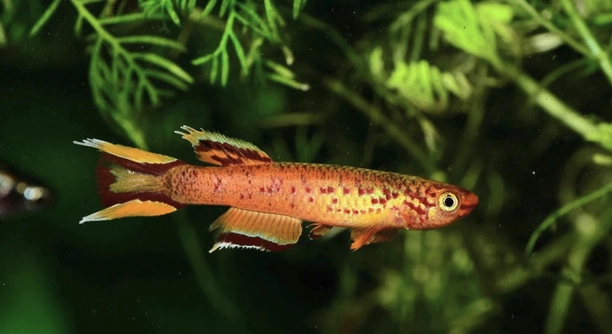
Do you ever find yourself standing in front of a tank, unsure which killi fish to pick for breeding success?
The best way to choose a killi fish breeding pair is by selecting healthy, mature individuals with vibrant colors, active behavior, and no signs of disease. Compatibility and age play important roles in achieving successful breeding outcomes.
Knowing how to select the right pair ensures your breeding efforts start strong and helps avoid future complications in your aquarium.
Understanding What Makes a Good Breeding Pair
When selecting a killi fish breeding pair, start by observing their health and appearance. Healthy killi fish are active, alert, and free from visible signs of illness such as clamped fins or faded colors. Choose fish that are similar in size and age, as this increases compatibility and breeding success. Avoid pairing older fish with younger ones, as this can cause stress and reduce fertility. Look for males with strong coloration and females with rounded bellies, which may indicate readiness to breed. It’s also important to research the species you’re working with, as different types of killifish have different needs and temperaments. Some are peaceful, while others are more territorial. Knowing the specifics will help you choose a pair that is more likely to breed successfully and live well together. Finally, always purchase your fish from a reputable breeder to ensure they are not related and come from healthy stock.
Make sure your chosen pair comes from a trusted source to avoid genetic issues and improve breeding outcomes.
Healthy fish with good color and activity levels are more likely to bond and spawn. Prioritize visible signs of health, then match species and age. Watch them carefully for signs of aggression or disinterest once introduced.
Creating the Ideal Breeding Setup
Set up a breeding tank before introducing your killi fish pair. A separate tank allows you to control the environment and protect the eggs.
A breeding tank for killi fish should be small, simple, and easy to monitor. A 5 to 10-gallon tank is often enough. Use a sponge filter to keep the water clean without creating strong currents. Add spawning mops or peat moss, depending on the species. These materials give the fish a safe place to lay their eggs and make it easier to collect them. Keep water parameters steady and close to species-specific needs—usually soft, slightly acidic water works best. Maintain a gentle light cycle and consistent temperature around 72–75°F. Avoid using gravel or decorations that make egg collection harder. Once the pair is in the tank, observe their behavior daily. If the male becomes too aggressive, separate them briefly. Successful spawning often involves gentle chasing, followed by the female laying eggs on the spawning material. Remove eggs to a separate container if needed to prevent adult fish from eating them.
Monitoring Behavior and Breeding Progress
Watch your killi fish pair closely after introducing them. The male may show off his colors, while the female may respond by hovering near the spawning material.
Signs of progress include chasing, displaying fins, and the female resting near the spawning mop or peat moss. These behaviors usually indicate they are ready to spawn. If the fish appear stressed or aggressive for more than a day or two, separate them and try again later. Healthy pairs usually begin spawning within a few days of introduction if the environment is right. Keep water changes regular and feed them high-protein foods like brine shrimp or daphnia to support energy and egg production. Avoid overfeeding, as this can pollute the water and delay breeding activity. Stay consistent and patient, checking the spawning material daily for small, clear eggs. Use a magnifying glass if needed—they are often hard to see.
Once eggs are laid, remove them carefully using tweezers or by pulling out the spawning mop. Place them in a separate container with clean water of the same temperature and pH. Monitor for fungus and remove any infected eggs. Some species need the eggs to dry slightly before hatching. Research your specific species to know what method works best.
Caring for Eggs and Fry
Killi fish eggs are sensitive to changes in temperature and water quality. Keep the container clean, stable, and gently aerated to avoid fungus or poor hatch rates.
Once the eggs are moved to a safe setup, check them daily for changes. Healthy eggs will darken or show signs of eye spots as they develop. Avoid handling them too much, as this can damage them. Some killifish eggs hatch in a week, while others take several weeks depending on the species. When fry hatch, feed them small live foods like infusoria or vinegar eels. They need food that fits their tiny mouths. Change water gently to avoid disturbing the fry. Keep the tank covered and maintain warm temperatures. As they grow, transition to larger foods like baby brine shrimp. Growth is often fast in the first few weeks, so monitor them closely and separate larger fry if needed to avoid bullying or uneven growth.
Feeding and Maintaining Young Fry
Feed the fry several times a day with very small portions. Infusoria works best at first, then gradually introduce baby brine shrimp as they grow.
Keep the water clean by doing gentle daily changes. Avoid strong currents or filters that might suck in the small fry or disturb them.
Separating and Growing Out Fry
Once the fry start showing size differences, separate the larger ones into another tank to prevent bullying. Use shallow containers for early growth, then move them to larger tanks as needed. Monitor their development and continue feeding protein-rich foods. Gradually lower the feeding frequency as they grow. Keep lighting soft to reduce stress.
Watching for Common Issues
Crowding, poor water quality, and overfeeding can cause slow growth or deformities. Stick to regular tank care and give the fry enough space as they develop.
How do I know if my killi fish pair is compatible?
Compatibility is usually shown through calm and mutual interest rather than aggression. If the male actively displays and the female responds by staying near the spawning area without signs of stress or fighting, they are likely compatible. If you notice constant chasing or damage to fins, it might be best to try a different pairing.
What water conditions are best for breeding killi fish?
Most killi species prefer soft, slightly acidic water with a temperature between 72°F and 75°F. Maintaining stable pH around 6.0 to 7.0 and low hardness improves breeding chances. Avoid sudden changes in temperature or chemistry, which can stress fish and delay spawning. Regular gentle water changes keep the environment clean without shocking the fish.
How can I encourage my killi fish to breed faster?
Provide a stress-free environment with proper water quality and temperature. Feeding a high-protein diet like live or frozen brine shrimp and daphnia stimulates reproductive readiness. Use suitable spawning materials, such as peat moss or spawning mops. Keep the tank dimly lit to mimic natural conditions, and maintain a stable day-night cycle.
What should I do if the male is too aggressive?
Male aggression can stress the female and reduce breeding success. If aggression is severe, separate them temporarily and reintroduce after a few days. Adding more hiding spots or spawning material can reduce conflict. Sometimes, switching to a less aggressive male is necessary to protect the female and encourage spawning.
How do I care for killi fish eggs?
Remove eggs gently from the spawning area and place them in a clean container with water matching the breeding tank’s parameters. Monitor for fungus and remove infected eggs promptly. Some eggs require a drying period before hatching, depending on species, so research your specific type. Keep water clean and gently aerated until hatching occurs.
When do killi fish eggs hatch?
Egg hatching times vary by species, ranging from a few days to several weeks. Factors like temperature and humidity also affect development speed. Some species’ eggs enter diapause—a resting phase—delaying hatching until conditions improve. Regular observation helps determine when fry will appear.
What should I feed newly hatched fry?
Feed newly hatched fry very small live foods such as infusoria or vinegar eels during the first days. Once they grow, gradually introduce baby brine shrimp and finely crushed flake foods. Frequent small feedings throughout the day promote healthy growth and development.
How often should I change water in the fry tank?
Perform gentle daily or every-other-day water changes of about 10-20%. Use aged or conditioned water at the same temperature and parameters to avoid shocking fry. Avoid strong currents to protect the tiny, delicate fish.
Can I keep multiple pairs in one breeding tank?
It’s best to breed one pair per tank to avoid aggression and egg predation. Multiple pairs increase stress and fighting, reducing success. Separate breeding tanks help manage eggs and fry more effectively, ensuring better survival rates.
What are common problems when breeding killi fish?
Common issues include poor water quality, stress, aggressive behavior, and fungal infections on eggs. Overfeeding can pollute water and delay breeding. Crowding fry too early may cause bullying and uneven growth. Keeping a clean environment and monitoring fish behavior reduces these problems.
How long does it take for fry to reach maturity?
Most killi fish fry reach sexual maturity within three to six months, depending on species and care. Provide high-quality food, stable water conditions, and enough space to support healthy growth during this period.
Is it necessary to separate fry by size?
Yes, separating fry by size prevents bullying and improves survival. Larger fry may outcompete smaller ones for food or injure them. Use multiple tanks or containers to group fry by size as they grow.
Can I breed killi fish with store-bought fish?
Breeding success depends on the health and genetics of the fish. Store-bought fish may be stressed or related, reducing fertility. Choose healthy individuals with good coloration and no signs of disease. If possible, buy from reputable breeders for better results.
How do I prevent fungal infections on eggs?
Maintain clean water and remove dead or infected eggs promptly. Using antifungal treatments designed for fish eggs can help, but always follow species-specific care instructions. Keeping water parameters stable reduces the risk of fungus developing.
What is the best spawning material for killi fish?
Spawning mops, peat moss, or fine-leaf plants work well depending on species. These materials provide a safe place for eggs and make collection easier. Choose materials that allow good water flow but protect eggs from adults.
How can I tell if the female is ready to spawn?
A ready female often has a swollen, rounded belly and may show less active swimming. She will hover near spawning material and respond to the male’s displays. These signs indicate she is carrying eggs and prepared to lay them.
What do I do if eggs do not hatch?
Check water parameters, temperature, and humidity to ensure they meet species requirements. Some eggs require drying or special care before hatching. Remove any fungus or debris, and verify that the eggs are fertile. Patience is often needed, as hatching times vary widely.
Are there special considerations for seasonal killifish?
Seasonal killifish lay eggs that survive dry periods in the wild. Their eggs may need drying or other treatments to mimic natural conditions. Research the specific species to provide the correct care for their unique breeding needs.
How often should I feed breeding pairs?
Feed breeding pairs high-quality foods twice a day. A mix of live, frozen, and prepared foods with high protein supports energy for spawning. Avoid overfeeding, which can pollute the water and harm breeding conditions.
Can I breed killi fish in a community tank?
Breeding in community tanks is challenging because other fish may eat eggs or fry. Separate breeding tanks increase chances of success by providing a controlled, safe environment for spawning and raising young.
Choosing and breeding killi fish pairs requires attention to detail and patience. The first step is selecting healthy, compatible fish with the right age and physical traits. Watching their behavior carefully after pairing helps identify readiness to breed and prevent stress or aggression. A proper breeding environment with stable water conditions, suitable spawning materials, and balanced feeding supports successful reproduction. Each step in this process is important to ensure the well-being of both the adult fish and their offspring.
Caring for killi fish eggs and fry is just as critical as selecting the right breeding pair. Eggs need to be handled gently and kept in clean water with the proper temperature and pH. Monitoring for fungus and removing infected eggs helps increase hatch rates. Once the fry hatch, feeding them small live foods several times a day promotes healthy growth. Keeping their water clean and avoiding overcrowding ensures fry can develop without stress or harm from larger tankmates. Understanding the specific needs of the species you are working with improves your chances of success.
Breeding killi fish is rewarding but requires consistent care and observation. Being patient and making adjustments as needed will lead to healthier fish and better breeding results. It is important to avoid rushing the process or forcing fish into unsuitable conditions. Taking time to learn about the species, their behavior, and environmental preferences will help you build a successful breeding routine. With the right care and attention, breeding killi fish can be a fulfilling and enjoyable experience that adds vibrancy and life to your aquarium.

Hello,
If you enjoy the content that we create, please consider saying a "Thank You!" by leaving a tip.
Every little bit helps us continue crafting quality advice that supports the health, happiness, and well-being of pets around the world, for pets of all shapes, sizes, and species.
We really appreciate the kindness and support that you show us!