
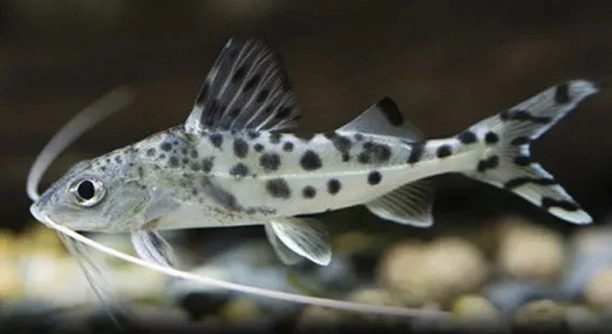
Are you thinking about adding a pictus catfish to your aquarium but unsure how to choose a healthy one at the store? This article will guide you through the simple steps to help make a good choice.
The best way to choose a healthy pictus catfish is to look for clear eyes, active swimming behavior, smooth skin without lesions, and steady breathing. These signs usually indicate the fish is in good health and stress-free.
Learning how to identify a healthy pictus catfish will help you avoid common problems and give your new fish the best possible start.
What to Look for in a Healthy Pictus Catfish
When you first approach the tank, take a moment to observe the catfish from a distance. A healthy pictus catfish should be active and alert, often swimming around the tank or exploring. Its body should appear sleek with no visible injuries or discoloration. The eyes should be clear and not cloudy, and the fins should be fully intact, not torn or clamped. Avoid fish that seem sluggish, hide constantly, or appear to be gasping for air. These can be signs of stress or illness. Pay attention to how the fish interacts with its environment and with other fish in the tank. Also, look at the condition of the store tank — dirty water, overcrowding, or dead fish are red flags. A clean, well-maintained environment usually means healthier stock overall. This initial visual check is your first step in picking a pictus catfish that’s more likely to thrive at home.
Watch their breathing. Rapid gill movement can signal poor health or water conditions that are stressing the fish.
The pictus catfish should have a smooth, firm belly and no signs of bloating or weight loss. These physical signs help you rule out internal infections or poor nutrition. Look for a steady swimming pattern, not erratic darting or floating awkwardly. Any behavior that looks unusual for an active fish should raise concern. Spend at least five minutes observing before making your choice. This small investment of time will help you spot subtle issues. Healthy pictus catfish are usually quite responsive to movement around the tank and tend to be curious. If the fish barely reacts or seems dazed, it may not be a good option. It’s also helpful to ask the staff when the fish was added to the tank — newly delivered fish may still be stressed from transport. Choose one that has had time to adjust and appears settled.
Why Tank Conditions Matter
Healthy fish start with healthy tanks. Poor water quality can lead to disease even in strong fish.
Even if the fish looks fine, a dirty or crowded store tank can be a sign of poor care. Pictus catfish are sensitive to ammonia and nitrites, so clean water is essential. Look for clear water, working filters, and signs that the tank is well maintained. Uneaten food, cloudy water, or sick fish nearby can affect the fish you’re thinking of buying. A well-kept store tank not only keeps fish healthy but also shows the staff knows how to care for aquatic animals. Take note of how the fish are fed and ask how often the tanks are cleaned. A good store will usually welcome your questions. Pictus catfish kept in clean tanks with stable conditions are more likely to adapt well once brought home. Observing the environment before purchase reduces the chances of bringing home a fish with hidden health problems.
Signs to Avoid When Choosing a Pictus Catfish
If a pictus catfish looks dull in color or has white patches, it may be sick. Avoid fish with torn fins, visible wounds, or any type of swelling. These signs often point to infection or injury.
Fish that stay in one corner of the tank or hide constantly may be unwell or overly stressed. While pictus catfish do like hiding places, they should still come out and move around often. If you notice erratic swimming, such as spinning or floating upside down, it’s best to choose a different fish. A sunken belly can signal poor diet or parasites. Also, avoid fish that seem to ignore feeding times, as a lack of appetite is another red flag. Breathing heavily at the surface could mean poor oxygen levels or gill issues. Taking the time to notice these details can help prevent future problems at home.
Some catfish may also appear dull or inactive right after shipment, but this usually wears off after a few days in a stable environment. However, if the store has had the fish for over a week and it still looks off, it’s safer to avoid it. Watch how it interacts with tankmates — aggression or complete isolation can both be concerning. It’s also worth noting if the fish has trouble balancing or staying upright. These signs might not seem major at first but can indicate deeper health issues. The more closely you watch, the easier it becomes to spot something that’s not quite right. Even one unhealthy fish in the store tank could impact the others, so stay cautious.
Asking the Right Questions at the Store
Asking how long the fish has been in the tank can help you avoid one that is still stressed. Try to choose one that has been there at least several days and seems settled in.
Also ask what the fish has been eating and how often. A fish that eats well in the store is more likely to eat well once you bring it home. Find out whether the pictus catfish came from a breeder or was wild-caught. Tank-raised fish often adapt more easily to home aquariums. Ask if any fish in the same shipment have been sick or treated for disease. This can help you judge how safe it is to buy. A good store will usually quarantine new arrivals before adding them to display tanks. It’s helpful to ask about that process, too. The more you know about how the store handles its fish, the more confident you’ll feel about your choice.
How the Fish Behaves Around Others
A healthy pictus catfish should swim calmly near other fish and avoid sudden aggression. If it’s constantly chasing or being chased, that could mean it’s stressed or feeling unsafe in the tank.
If the fish stays away from the group and hides too much, it may not be comfortable. Healthy catfish are shy but still active and curious.
What to Check Before You Buy
Before choosing your pictus catfish, watch the tank for at least ten minutes. Look for steady swimming, smooth skin, and clear eyes. Make sure the fish isn’t scratching itself on objects or floating oddly. Ask the staff when the fish arrived and if it’s been eating well. A fish that’s eating and behaving normally is a better pick. Be cautious if other fish in the tank look sick. Even if your chosen fish seems fine, the risk of spreading illness is higher when tankmates are unwell. Trust your instincts — if something feels off, it’s okay to wait.
After Bringing Your Fish Home
Quarantine your new fish for two weeks before adding it to your main tank. This helps prevent any unnoticed illnesses from spreading. Watch for changes in appetite, behavior, or appearance during this time.
FAQ
How big do pictus catfish get?
Pictus catfish typically grow to around 4 to 5 inches in a home aquarium, although in the wild they can grow slightly larger. They grow fairly quickly when kept in proper conditions. A spacious tank helps support healthy growth and reduces stress. Even though they stay under six inches, they are very active swimmers, so they need room to move around. Cramped tanks can lead to stunted growth and other health problems. It’s best to plan for a tank that can hold at least 55 gallons, especially if you’re keeping more than one.
Can pictus catfish live with other fish?
Yes, pictus catfish are generally peaceful and can live with other non-aggressive species. They do best with tankmates that are too large to fit in their mouths. Avoid housing them with very small fish like neon tetras, as they might get eaten. Good tankmates include peaceful barbs, larger tetras, and other similar-sized bottom dwellers. Pictus catfish are active, so they get along better with fish that are not overly shy or slow. Keep in mind that they are nocturnal and may become more active at night.
Do pictus catfish need to be kept in groups?
While pictus catfish can live alone, they tend to be more confident and active when kept in small groups. Three or more is ideal if your tank size allows. In groups, they often explore more and show more natural behavior. However, keeping multiple catfish requires a larger tank with plenty of hiding spots. If you only have space for one, make sure the tank is calm and that the catfish has caves or driftwood to hide under. Whether alone or in groups, they are social in their own way and should not be stressed by aggressive fish.
What should I feed my pictus catfish?
Pictus catfish are omnivores and eat a variety of foods. Sinking pellets made for bottom feeders are a good staple. You can also feed them frozen foods like bloodworms, brine shrimp, or daphnia. Occasional treats like chopped earthworms or bits of cooked vegetables can be added, but avoid overfeeding. Feed them once or twice a day, and remove uneaten food after a few minutes to keep the water clean. Feeding them at night or during the evening often works best, since they are more active when the lights are low.
How can I tell if my pictus catfish is stressed or sick?
A stressed or sick pictus catfish may breathe heavily, hide constantly, or stop eating. You might notice changes in color, spots on the skin, or frayed fins. Unusual swimming, such as floating sideways or crashing into objects, is also a sign something is wrong. Poor water quality is one of the main causes of stress, so check ammonia, nitrite, and nitrate levels if you see odd behavior. Isolating the fish in a separate tank can help if illness is suspected. Early signs are easy to miss, so it’s good to watch your fish closely each day.
Do pictus catfish need a heater and filter?
Yes, pictus catfish need both a heater and a filter to stay healthy. They are tropical fish and need warm water between 74–80°F. A stable temperature is important to avoid stress. A good filter helps keep the water clean and provides water movement, which is something pictus catfish prefer. Without a heater and filter, the water conditions can change quickly, leading to sickness or poor growth. Make sure to test water parameters weekly and change part of the water regularly to keep everything balanced.
How long do pictus catfish live?
With proper care, pictus catfish can live 8 to 10 years in a home aquarium. Clean water, a good diet, and a peaceful environment all help them reach their full lifespan. Some may live a bit shorter or longer depending on genetics and tank conditions. Keeping up with regular tank maintenance, feeding a varied diet, and monitoring for signs of illness are key parts of long-term care. When kept well, they can stay active and healthy for many years.
Final Thoughts
Choosing a healthy pictus catfish from the store does not have to be difficult. It mostly comes down to observation and asking the right questions. Watching how the fish behaves, checking its appearance, and paying attention to the tank it lives in are all simple but important steps. Fish that swim calmly, eat well, and have no signs of injury or illness are much more likely to adapt well to your home aquarium. A little patience can make a big difference in the long run. Rushing the decision or choosing a fish without proper care can lead to problems later. It’s better to wait for the right fish than to take one that looks unwell just because it’s available.
Healthy pictus catfish are a great addition to many aquariums. They are peaceful, active, and interesting to watch, especially in the evening hours when they become more lively. With enough space, hiding spots, and a balanced diet, they can live long and stay active. But they do require clean water, regular tank maintenance, and careful observation. These fish are sensitive to poor conditions, so making sure your tank is ready before bringing one home is just as important as choosing a healthy one at the store. When both the fish and the tank are in good condition, you’ll have a much better experience as a fish keeper.
Whether you’re a beginner or more experienced, taking time to choose a healthy fish shows that you care about your tank and the well-being of its inhabitants. It also saves you from dealing with stress, illness, or extra costs down the road. A strong start means fewer problems later, and that’s something all fish keepers appreciate. Stick to the basics: look closely, ask questions, and trust your observations. And once your pictus catfish is home, continue to check on it regularly. Even simple things like feeding times or how often it hides can tell you a lot about its health. In the end, a little effort at the beginning leads to a more peaceful and successful aquarium experience.

Hello,
If you enjoy the content that we create, please consider saying a "Thank You!" by leaving a tip.
Every little bit helps us continue crafting quality advice that supports the health, happiness, and well-being of pets around the world, for pets of all shapes, sizes, and species.
We really appreciate the kindness and support that you show us!