
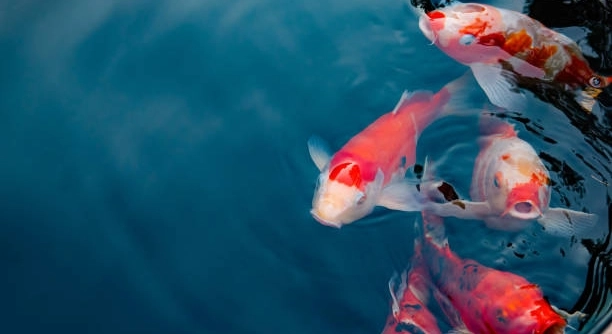
Is your koi pond water starting to feel warmer than usual, leaving you unsure if it’s still safe for your fish?
The easiest way to check if koi water is too warm is by using a reliable pond thermometer. Koi thrive in temperatures between 65°F and 75°F. Anything consistently above 80°F can cause stress and health issues.
Recognizing the signs early and knowing how to respond can help you keep your koi healthy and your pond environment stable.
Signs the Water May Be Too Warm
When pond water becomes too warm, koi can show several clear signs. They might swim close to the surface more often, especially early in the morning, gasping for air due to lower oxygen levels. You may also notice your koi becoming less active, eating less, or acting stressed. These signs can start to appear once the water goes above 80°F. Prolonged exposure to warm temperatures weakens their immune system, making them more likely to get sick. Even algae blooms are more likely in warmer water, making the pond cloudy and harder to manage. Keep an eye on water clarity, koi behavior, and any unusual changes. These early warnings help you act quickly before bigger problems start. Regular checks during summer, especially on hot days, can help you spot temperature changes fast. A reliable pond thermometer is essential for this. Place it in a shaded part of the pond for better accuracy.
Koi might also spend more time near waterfalls or pond edges where oxygen levels are higher. That’s a subtle sign something may be off.
Pay attention to surface activity, eating habits, and water color. Noticing small changes early can help you avoid stress and health issues for your koi.
What to Do If It’s Too Warm
Move quickly if your pond water gets too warm. Start by adding more shade to reduce direct sunlight. You can use floating plants like water lilies or even install a pond cover during peak heat. Aeration is also important—add extra air stones or a stronger pump to keep oxygen levels up. Avoid overfeeding your koi when water is warm, as uneaten food decays faster and adds to water quality problems. Also, try partial water changes with cooler water to bring the temperature down slowly. Don’t add ice or cold water too fast, as sudden shifts can shock your koi. Make changes in small steps. This helps your koi adjust without stress. It’s better to check water temperature daily during heatwaves. A consistent temperature in the 65°F–75°F range keeps koi healthier and less stressed. When managed carefully, your pond can stay balanced even in summer.
Careful temperature control during warm weather can improve your koi’s comfort and long-term health.
Preventing Overheating in the Future
Keep your pond shaded during hot months to avoid water getting too warm. Use floating plants, pergolas, or shade cloths to block direct sunlight. This helps lower the water temperature and reduces stress on your koi. Shade also limits algae growth, keeping the pond cleaner.
Use a good-quality aerator or fountain to keep oxygen levels steady. A moving water surface allows for better gas exchange, which helps during heat spikes. Avoid placing your pond in a spot that gets full sun all day. When planning your pond, think about airflow too—gentle breezes can cool the surface. Trim nearby plants to keep air moving. Monitor temperature changes with a digital thermometer that gives daily readings. Make small adjustments as needed. If your pond is shallow, consider adding depth or insulating the sides to prevent quick heat buildup. All these steps make a big difference over time.
Feeding koi less during summer can also help. Their metabolism slows in hot water, so uneaten food can rot and affect the pond’s balance. Try feeding them early in the day when it’s cooler. Choose easy-to-digest food and only give small amounts. This reduces waste and keeps water quality more stable through warmer days.
Choosing the Right Equipment
Pick a pond thermometer that gives fast and accurate readings. Digital thermometers with waterproof probes work well and are easy to read. Keep it in the same shaded spot daily for consistent results. This will help you catch small increases in temperature early.
If your pond is in a very sunny area, invest in a reliable pond chiller or a high-capacity aeration system. These tools can cool the water gradually without causing stress. Aerators are especially helpful during overnight temperature spikes when oxygen drops. Look for one with multiple diffusers to reach deeper water. Also, consider adding a UV filter to manage algae, which grows faster in warm water. A filter keeps your pond clear and reduces the risk of bacteria building up. When shopping, check the size and depth of your pond to find the right fit. Good equipment makes water easier to manage and helps your koi stay healthy.
Common Mistakes to Avoid
Adding cold water too fast can shock your koi. Always make gradual changes to keep them safe. Sudden drops in temperature may cause stress or illness, especially if the difference is more than a few degrees.
Skipping daily temperature checks during heatwaves is risky. Even a few hours of high temperatures can affect your koi. Consistent monitoring helps you catch problems early and take small steps to keep the water balanced.
How Plants Help Regulate Temperature
Aquatic plants help cool your pond by blocking sunlight and offering shade. Floating plants like water lettuce and lilies reduce surface heat. Submerged plants support oxygen levels, especially when the temperature rises. Using a mix of both can lower the risk of overheating. Plants also compete with algae for nutrients, helping keep the water cleaner. As they grow, they naturally balance your pond’s ecosystem and make it easier to manage. Add them slowly, watch how your koi interact with them, and trim back any overgrowth to keep water flow steady. Plants are simple, natural helpers in warm weather.
Importance of Water Testing
Test your pond water regularly, especially when it’s hot. High temperatures can lead to ammonia spikes and low oxygen levels. Keeping an eye on pH, ammonia, and nitrite levels helps protect your koi’s health.
FAQ
How warm is too warm for koi fish?
Water above 80°F (27°C) is generally too warm for koi. While they can survive in slightly higher temperatures for short periods, anything consistently above this can cause stress, reduce oxygen levels, and weaken their immune system. The ideal range is between 65°F and 75°F.
Can koi survive in hot weather?
Yes, koi can survive in hot weather if the pond is managed properly. You’ll need to provide shade, increase aeration, and monitor the water closely. Without these steps, hot weather can lead to low oxygen, poor water quality, and higher chances of illness.
What are the signs my koi are too hot?
Koi that stay near the surface, gasp for air, or show less interest in food may be too hot. You might also see them hanging out by waterfalls or pumps, where the water is cooler and oxygen levels are higher.
Should I feed my koi during hot weather?
Feed less when it’s hot. Koi digest food more slowly in warmer water, and leftover food can dirty the pond. Stick to small portions in the early morning or evening, when it’s cooler, and use food made for warm temperatures.
How can I quickly cool down my koi pond?
Never add ice or very cold water suddenly. Instead, use partial water changes with slightly cooler water and create more shade. Add aeration with air stones or fountains to help cool the water gently and increase oxygen levels.
Is a pond thermometer really necessary?
Yes, a pond thermometer is one of the easiest ways to track water temperature. Digital models with waterproof probes give quick, accurate readings. Place it in a shaded area for more reliable results and check it once or twice a day during hot spells.
What’s the role of plants in keeping the pond cool?
Floating plants like lilies and water lettuce block sunlight and help cool the pond. Submerged plants keep oxygen levels more stable. A mix of both supports overall pond health and gives koi places to rest out of direct sun.
Do koi need more oxygen when it’s hot?
Yes, the warmer the water, the less oxygen it holds. Koi become more active in warm weather, which increases their need for oxygen. That’s why aerators, fountains, or waterfalls are especially important when temperatures rise.
How deep should a koi pond be to prevent overheating?
A pond that’s at least 3 feet deep helps protect against overheating. Deeper water stays cooler and provides a more stable environment. Shallow ponds heat up quickly and put koi at higher risk in hot weather.
Can algae make the water hotter?
Algae can’t raise the temperature, but they do grow faster in warm water and block oxygen. Too much algae also traps heat near the surface. That’s why keeping algae in check is important, especially during summer.
What happens if the water gets too hot just once?
If it only happens once and the temperature doesn’t stay high for long, most koi will be fine. But if your koi seem stressed or the temperature stays up, act quickly with shade, aeration, and water changes.
Are pond chillers worth the investment?
They can be helpful in very hot areas or shallow ponds. Pond chillers gently cool the water and are useful when natural methods aren’t enough. They cost more but offer steady control over temperature during long heatwaves.
How often should I test the water in summer?
Test the water at least twice a week during hot weather. Check for ammonia, nitrites, pH, and temperature. More frequent testing helps you catch small issues early and keep your koi safe and healthy.
What if my koi stop eating completely during hot weather?
It’s common for koi to eat less when it’s hot. If they stop eating for more than a few days, check the water quality right away. Poor oxygen levels, high ammonia, or stress from heat can all cause a loss of appetite.
Can I use tap water to cool the pond?
Yes, but use it carefully. Tap water should be treated to remove chlorine or chloramine before adding it to your pond. Add small amounts at a time to avoid sudden temperature or chemical shifts that can stress your koi.
Final Thoughts
Keeping koi healthy in warm water takes regular attention. During hot months, it’s easy for the water to get too warm without noticing. A thermometer is a simple but helpful tool that lets you see changes early. If the water gets above 80°F, it’s time to take action. Adding shade, improving aeration, and doing partial water changes can make a big difference. These steps are not hard, but they need to be done regularly, especially during heatwaves. It’s also important to avoid sudden changes, like dumping in ice-cold water. That can do more harm than good. The goal is to keep things steady and comfortable for your koi.
Watching your koi can also tell you a lot. If they stay near the surface or act less active than usual, it might mean the water is too warm. If they stop eating or swim near moving water all the time, those are signs too. Paying attention to their behavior is just as useful as checking the thermometer. When koi are healthy, they swim calmly and eat normally. When they don’t, it’s a sign something needs adjusting. Regular testing of the water helps you catch other problems that often come with heat, like low oxygen or high ammonia.
A few simple habits can prevent most heat-related problems. Keep the pond shaded, don’t overfeed, and use air stones or fountains for better oxygen. Use plants to help control temperature naturally and keep the pond clean. Choose the right equipment and test the water regularly during the warmer months. None of these steps take much time once you get used to them. They can help your koi stay happy and reduce the chance of illness or stress. Even in hot weather, a well-managed pond can remain safe and balanced. Koi are strong, but they need the right care when temperatures rise. With regular checks and small adjustments, you can keep your pond healthy all season.

Hello,
If you enjoy the content that we create, please consider saying a "Thank You!" by leaving a tip.
Every little bit helps us continue crafting quality advice that supports the health, happiness, and well-being of pets around the world, for pets of all shapes, sizes, and species.
We really appreciate the kindness and support that you show us!