
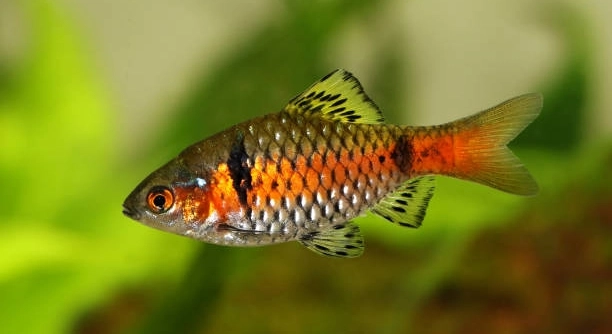
Catching rosy barbs can be a delicate task, as these lively fish are sensitive to handling and sudden changes in their environment. Proper care during the catching process helps reduce their stress and keeps them healthy. Many aquarists seek effective ways to manage this.
The best method to catch rosy barbs without stressing them involves using gentle movements and soft nets, avoiding sudden changes in water conditions, and minimizing handling time. This approach helps maintain their natural behavior and reduces the risk of injury or shock.
Knowing how to catch rosy barbs calmly ensures their well-being and makes fishkeeping a more rewarding experience.
Preparing the Tank and Equipment
Before catching rosy barbs, it is important to prepare the tank and all necessary equipment. Make sure the water parameters, such as temperature and pH, remain stable to avoid shocking the fish. Use a soft, fine-mesh net to prevent damage to their delicate fins and scales. Have a clean container ready with water from their tank to transfer the fish safely. Avoid sudden movements around the tank, as rosy barbs are quick and can become easily frightened. Dim the lighting slightly to reduce their activity, which makes catching them easier. Keeping these steps in mind helps create a calm environment that reduces stress for the fish during the catching process.
Proper preparation helps minimize stress and injury for the rosy barbs while catching.
Taking time to prepare the tank and equipment ensures the catching process is smooth and safe. This preparation avoids sudden changes in water conditions that can harm the fish. Using the right net and transferring the fish carefully protects their fins and scales. When you dim the lights and avoid sudden movements, the fish stay calmer, making them easier to catch. Overall, these steps create a controlled and gentle environment, which helps keep rosy barbs healthy and stress-free during handling.
Techniques for Stress-Free Catching
Use slow and steady movements when approaching the fish. Quickly chasing them will only increase their stress and make catching difficult. Try to herd the rosy barbs gently into a corner of the tank where they can be easily scooped. It helps to keep your hand near the water surface to guide them slowly. When using a net, scoop from below rather than from above to avoid startling the fish. Handle them as little as possible once caught, and move them quickly to their new container to limit time out of the water.
Gentle and patient handling reduces stress and prevents injury.
To catch rosy barbs without stressing them, patience is key. Moving slowly and calmly around the tank keeps the fish relaxed. Herding them gently into a corner rather than chasing them reduces panic. When scooping, approach from below, which is less threatening for the fish. Using a soft net minimizes damage to fins. Once caught, limit handling time to avoid unnecessary stress and possible injury. This method ensures a safer transfer and helps the rosy barbs adjust better to their new environment or temporary container. Following these techniques leads to healthier, less stressed fish and a more successful catching experience.
Reducing Stress During Transfer
Transfer rosy barbs quickly but gently to avoid prolonged handling. Use water from their original tank in the transfer container to keep conditions stable. Avoid overcrowding the container, as this can increase stress and oxygen depletion.
Keeping the water consistent between the tank and transfer container helps prevent shock. Moving fish quickly but calmly limits their time out of familiar water, reducing anxiety. Avoid overcrowding by transferring only a few fish at a time, ensuring adequate oxygen levels and space. Using a container with smooth sides also helps prevent injury by limiting sudden movements. These small adjustments can make a big difference in how well your rosy barbs handle the transfer process.
Once in the transfer container, monitor the fish closely for signs of stress such as rapid breathing or erratic swimming. If stress is apparent, gently aerate the water and keep the container in a quiet, dim area. Minimize disturbances until they settle, ensuring they remain safe and comfortable during the move.
Post-Catching Care
After catching and transferring, allow rosy barbs time to acclimate before returning them to the tank. Gradually adjust the temperature and water parameters to prevent shock. Keep the container in a quiet spot with low lighting to help them relax. Avoid feeding immediately; wait until they show normal behavior.
It’s important to observe the fish closely during the acclimation period. Stress from catching and transfer can weaken their immune system, so provide a calm environment to help recovery. Slowly mixing tank water into the container before final release helps them adjust to new water chemistry. Maintaining stable conditions and minimizing disturbances supports a smooth transition back to their home tank, reducing risk of illness or injury after handling.
Choosing the Right Net
Selecting a soft, fine-mesh net is essential to avoid harming rosy barbs. Nets with rough or large mesh can damage their delicate fins and scales. A smaller net size helps with better control during catching.
Always rinse the net with tank water before use to remove any residues or contaminants. Using a clean, wet net reduces stress and prevents infections. Handling with care ensures the fish’s safety during transfer and catching.
Avoiding Sudden Movements
Rosy barbs are quick to react to sudden motions. Moving slowly and calmly around the tank helps keep them calm and easier to catch. Sudden movements can startle them and increase their stress levels.
Managing Water Conditions
Keep water temperature and pH stable throughout the catching process. Sudden changes can cause shock, making fish vulnerable to illness. Monitoring water quality before and after catching is important to maintain their health.
Minimizing Handling Time
Limit the time rosy barbs spend out of the water. Prolonged exposure can cause stress and damage their skin. Handling only as much as necessary helps ensure their well-being during the process.
FAQ
How can I tell if my rosy barbs are stressed after catching?
Look for signs like rapid gill movement, erratic swimming, hiding more than usual, or loss of appetite. Stressed fish may also appear pale or have clamped fins. These signs indicate that the fish needs time to recover in a calm environment with stable water conditions.
What should I do if my rosy barbs seem injured after catching?
If you notice torn fins, scales, or visible wounds, keep the fish isolated in a quarantine tank with clean, well-oxygenated water. Adding aquarium salt can help prevent infection, but use it carefully according to instructions. Monitor the fish daily and maintain good water quality to support healing.
Is it better to catch rosy barbs at night or during the day?
Catching rosy barbs when the tank lighting is dim or off can reduce their activity and stress. They tend to be less active in low light, which makes them easier to catch and less likely to panic. However, make sure you have enough light to see clearly and avoid injuring the fish.
How often should I catch or move rosy barbs?
Frequent catching and moving can stress the fish unnecessarily. Only catch them when necessary, such as for tank cleaning, health checks, or moving to a new environment. Keeping this to a minimum helps maintain their overall well-being and reduces risk of stress-related illness.
Can I use a plastic cup or container instead of a net?
Yes, a plastic cup or small container can be used to gently scoop rosy barbs. This method is less stressful if done carefully. Slowly slide the cup under the fish, then lift it gently out of the water. Always transfer the fish quickly to reduce time outside their tank.
What type of container is best for transferring rosy barbs?
Use a clean, smooth-sided container filled with water from their original tank. Avoid containers with rough edges or strong chemicals. A container with enough space for the fish to move slightly without overcrowding helps reduce stress during transfer.
How long can rosy barbs stay in a transfer container?
Ideally, keep fish in the transfer container for no longer than 15 to 20 minutes. Prolonged time in small containers can cause oxygen depletion and increased waste concentration. If the transfer takes longer, aerate the water gently and avoid overcrowding.
Should I feed rosy barbs before or after catching?
Avoid feeding the fish immediately before catching as leftover food can pollute the water and cause stress. After the fish settle post-transfer and display normal swimming and breathing behavior, offer a small amount of food to encourage recovery and energy.
How do I reduce injury risks when catching rosy barbs?
Use a soft net with fine mesh and handle fish gently with minimal contact. Avoid chasing the fish aggressively; instead, herd them calmly into a net or container. Moving slowly around the tank reduces sudden reactions that can lead to injury.
What water parameters should I monitor during catching?
Maintain stable temperature, pH, and ammonia levels throughout the process. Sudden fluctuations can shock the fish and make them more vulnerable to stress or disease. Test water before and after catching to ensure it remains within safe limits for rosy barbs.
Can I catch rosy barbs with bare hands?
It is not recommended to catch rosy barbs with bare hands as this can cause stress and damage their protective slime coat. Handling fish with wet hands or using a net reduces harm and prevents infections.
How do I acclimate rosy barbs after transferring?
Gradually mix tank water into the transfer container over 15 to 30 minutes before releasing the fish. This helps them adjust to any differences in water chemistry. Keep lighting low and avoid sudden movements during acclimation to support a smooth transition.
What if my rosy barbs refuse to swim after catching?
This behavior may indicate shock or extreme stress. Place the fish in a quiet, dark area and avoid feeding for a day. Monitor water quality carefully and maintain gentle aeration. If the condition persists, consider consulting a veterinarian familiar with fish health.
Are there any natural remedies to reduce stress in rosy barbs?
Some aquarists use natural calming agents like Indian almond leaves or stress coat products designed for fish. These can help soothe the fish’s slime coat and reduce anxiety, but always follow product instructions and avoid overuse.
How do I keep rosy barbs healthy long-term after catching?
Ensure regular tank maintenance with stable water conditions, proper nutrition, and minimal disturbances. Avoid unnecessary handling and provide plenty of hiding spots to reduce stress. Healthy fish recover better and are less prone to disease following catching or transfer.
Catching rosy barbs without stressing them requires patience, preparation, and gentle handling. These fish are sensitive to changes in their environment and quick movements, so keeping the process calm and slow is essential. Preparing your equipment ahead of time, using the right tools like a soft net, and maintaining stable water conditions will help protect the fish from injury and shock. Taking small steps to reduce stress during catching can lead to healthier fish and a smoother experience for both you and the rosy barbs.
During the catching and transfer process, minimizing handling time and avoiding sudden movements are key factors to keep in mind. Moving the fish gently and quickly into a transfer container with water from their tank helps reduce anxiety and maintains familiar conditions. After transfer, allowing rosy barbs time to acclimate in a quiet, dim area supports their recovery. Watching closely for signs of stress or injury allows you to take action if needed, such as isolating injured fish or adjusting water parameters. These simple but thoughtful actions ensure the fish remain healthy and calm throughout the process.
Overall, caring for rosy barbs during catching is about respecting their delicate nature and creating a safe environment. Using appropriate equipment, moving slowly, and maintaining steady water conditions show attention to detail that benefits their well-being. Though catching fish may seem like a routine task, how it is done makes a big difference in reducing stress and preventing harm. By following these guidelines, you can enjoy watching your rosy barbs thrive and keep your aquarium peaceful and healthy.

Hello,
If you enjoy the content that we create, please consider saying a "Thank You!" by leaving a tip.
Every little bit helps us continue crafting quality advice that supports the health, happiness, and well-being of pets around the world, for pets of all shapes, sizes, and species.
We really appreciate the kindness and support that you show us!