
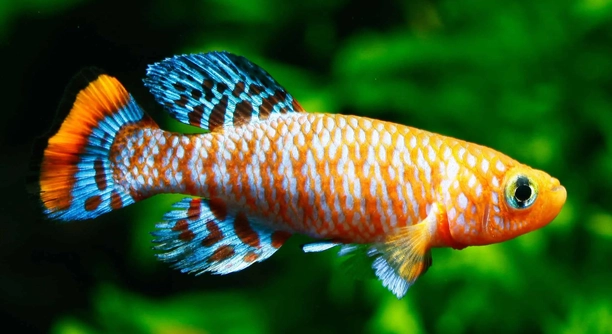
Is your killi fish darting around the tank, hiding constantly, or refusing to eat no matter what you try to do?
The best way to calm down a skittish killi fish is by creating a stress-free environment using dim lighting, dense plant cover, and minimal disturbances. A consistent routine, clean water conditions, and compatible tank mates also help reduce anxiety.
Small changes in tank setup and care routines can greatly improve your killi fish’s behavior, helping it feel more secure and calm.
Understanding What Makes Killi Fish Skittish
Killi fish can be naturally shy, especially when introduced to a new environment. Bright lights, loud noises, frequent movement near the tank, or sudden changes in water parameters can cause stress. Even the presence of larger or more dominant tank mates may intimidate them. These fish thrive in quiet, stable surroundings with plenty of cover. Floating plants, low lighting, and hiding spots help them feel secure. It’s also important to monitor water conditions closely. Slight imbalances in temperature, pH, or ammonia levels can cause discomfort and defensive behavior. Giving them time to adjust and limiting disruptions around the tank can make a noticeable difference. Killi fish are delicate and observant, so any change in routine or habitat can influence how they behave. A calm tank encourages natural swimming and feeding patterns, while an unpredictable setting may trigger anxious behavior, which can lead to health issues over time.
Stress often comes from something as simple as poor tank placement or harsh lighting.
Choose a quiet location for your tank, away from doors or televisions. Avoid sudden changes in the environment, and try not to tap on the glass. Even these small things matter when caring for timid fish like killis. Give them time and space.
Creating a Safe and Peaceful Tank Setup
Always start with the layout. A well-planted tank with gentle filtration and soft lighting helps calm nervous fish. Floating plants like Amazon frogbit or water lettuce reduce light and provide cover. Dense greenery near the bottom gives them safe places to hide. Choose a dark substrate to make the space feel more natural and less reflective. Avoid bright decorations or sharp tank ornaments. Stick with smooth stones, driftwood, or leaf litter for a gentle and safe habitat. Make sure the tank isn’t overcrowded—killis do best with space to themselves or with calm tank mates like small rasboras or shrimp. Keep background noise low. Set up a light timer so the tank has a regular day-night cycle. Maintain steady water parameters by checking pH, temperature, and ammonia regularly. When your fish feel safe in their environment, you’ll see them become more active, show brighter colors, and begin eating more confidently.
Managing Tank Mates and Feeding Routines
Aggressive or overly active tank mates can make killi fish feel unsafe. It’s best to avoid fin-nippers or large species that crowd the tank. Calm, small fish or keeping killis in a species-only setup often works better for their comfort and overall health.
Feeding routines also affect behavior. Skittish killi fish may skip meals if the environment feels unsafe or unpredictable. Feed them small amounts at the same time each day to create consistency. Offer high-quality live or frozen foods like brine shrimp or daphnia, which they prefer. Avoid flake foods if your fish tend to ignore them. Keep the feeding area quiet and dim during feeding time to help reduce distractions. If food falls too quickly, use floating feeding rings to give them more time. Overfeeding leads to poor water quality, which stresses them more. A calm, steady routine improves both feeding response and general behavior.
It’s common for new or timid killis to ignore food during the first few days. Don’t panic. Give them time to adjust before introducing food. Remove uneaten food quickly to avoid dirty water. Once they feel safe, their appetite usually returns. Watch for interest in movement or small bites as a good sign.
Reducing Stress Through Consistency and Care
A steady routine helps killi fish relax. Keep tank lighting, water changes, and feeding times on a consistent schedule. Limit rearranging tank decorations or shifting plants too often. Changes in their surroundings may seem small but can make sensitive fish anxious and withdrawn.
Water quality is one of the most important parts of long-term care. Use a sponge filter or gentle filtration system to avoid strong currents. Test the water weekly for pH, ammonia, nitrites, and nitrates. Clean the tank regularly but avoid full water changes unless needed. Instead, change 20–30% weekly to maintain balance. Use water conditioners if you’re using tap water. Keep the temperature stable within their preferred range, around 72–75°F, and avoid sudden drops. Even a small chill or heat spike can unsettle them. The more stable and predictable their environment is, the more confident your killi fish will become in their daily habits.
Recognizing Signs of Improvement
When your killi fish feels safe, it will begin exploring more and hiding less. You may also notice brighter colors and a more relaxed swimming pattern. These are all positive signs that the fish is settling in well.
A healthy killi fish will also show interest in food again. Look for signs like swimming up at feeding time or actively searching for food. These small behaviors show your efforts are working and the fish is starting to feel secure.
Avoiding Common Mistakes
One common mistake is changing too much at once—like adjusting lighting, plants, and tank mates all at the same time. This can overwhelm skittish fish. Always make changes slowly and one at a time. Another issue is placing the tank in a high-traffic area with too much noise and motion. Fish need a peaceful space. Avoid sudden temperature shifts and keep the filter flow gentle. Lastly, avoid tapping the glass, which may seem harmless but is stressful for sensitive fish. Staying aware of these simple mistakes can help your killi fish thrive.
Monitoring Over Time
Keep observing your killi fish daily for small changes in behavior. Quiet swimming, open exploration, and active feeding are signs you’re on the right path.
FAQ
Why is my killi fish always hiding?
Constant hiding often means your killi fish feels unsafe. Bright lighting, loud noises, or sudden movements near the tank can cause stress. Make sure the tank has plenty of cover like floating plants, soft lighting, and calm surroundings. Also, check that water parameters are stable and tank mates are peaceful.
What type of tank mates are best for skittish killi fish?
Choose calm, non-aggressive species like small rasboras, pygmy corydoras, or shrimp. Avoid fin-nippers and fast swimmers that may outcompete or stress the killi fish. Some hobbyists keep them alone or in species-only tanks, which often leads to more relaxed behavior.
How long does it take for a killi fish to calm down?
It varies. Some killi fish adjust in just a few days, while others may take a few weeks. Give them time and avoid making sudden changes. Stick to a regular feeding and light schedule. If the environment is quiet and safe, they’ll come around sooner.
Should I use a filter in a tank with a skittish killi fish?
Yes, but it should be gentle. Sponge filters are ideal because they create minimal water movement. Strong currents can make fish feel uncomfortable or even exhausted. If using a hang-on-back filter, consider adding a baffle to soften the flow.
What’s the best lighting setup to help killi fish feel secure?
Use dim or adjustable lighting. Bright lights can make them feel exposed. Floating plants like frogbit or water lettuce help diffuse the light and give fish shaded areas to relax in. Keeping the light on a timer also helps create a predictable day-night cycle.
Can a killi fish become skittish suddenly?
Yes. Sudden changes in the environment, such as loud noises, tank rearrangements, water changes, or new tank mates, can make even a previously calm killi fish become nervous. Observe closely and return the tank to a calm, steady routine to help it recover.
Do killi fish need a heater?
Yes, in most setups. Killi fish prefer temperatures between 72–75°F. If your room temperature fluctuates, use a heater to keep the water stable. Sudden temperature drops or spikes can stress them out and lead to skittish behavior or illness.
Why isn’t my killi fish eating?
If the fish is new or nervous, it may not eat for a few days. Offer small portions of live or frozen food like brine shrimp or daphnia. Make sure the tank is quiet during feeding. Once they feel safer, they usually start eating again.
Is it okay to keep multiple killi fish together?
Some killi fish are territorial, especially males. It depends on the species and tank size. In smaller tanks, it’s often best to keep a single male with one or two females. In larger, planted tanks, small groups may work if space and cover are provided.
What signs show my killi fish is feeling better?
More swimming in open areas, brighter coloring, and regular feeding are all positive signs. They may also begin showing interest in other fish and exploring new spots in the tank. These changes show growing comfort and trust in their environment.
Final Thoughts
Helping a skittish killi fish feel calm takes time, patience, and small consistent efforts. These fish are sensitive to their surroundings and often react quickly to stress. Loud noises, bright lights, sudden tank changes, or aggressive tank mates can make them feel unsafe. If your fish is hiding often, refusing food, or acting jittery, it’s likely reacting to something in its environment. Creating a peaceful space with dim lighting, plenty of plants, and a regular routine can help reduce this behavior over time. With a gentle setup and quiet surroundings, most killi fish will begin to relax and behave more naturally.
Daily care and observation are key. Simple habits like feeding at the same time, doing weekly partial water changes, and avoiding unnecessary tank changes can build trust. Watch how your killi fish behaves throughout the day. A calm killi will swim slowly, eat regularly, and stay visible for longer periods. If it starts to hide less and shows brighter colors, those are good signs. Avoid overfeeding or overcrowding the tank, and try not to reach into the tank unless necessary. Giving your fish time and space makes a big difference, especially when combined with stable water and temperature levels.
These changes may seem small, but they have a strong impact over time. A comfortable killi fish is easier to care for, healthier, and more enjoyable to watch. If you continue to pay attention to how your fish reacts and make gentle adjustments when needed, your efforts will pay off. Each fish is different, but calm behavior is always possible with the right care. Creating a safe and steady home not only helps your fish adjust but also helps you build a better understanding of its needs. The more consistent you are, the more confident your killi fish will become.

Hello,
If you enjoy the content that we create, please consider saying a "Thank You!" by leaving a tip.
Every little bit helps us continue crafting quality advice that supports the health, happiness, and well-being of pets around the world, for pets of all shapes, sizes, and species.
We really appreciate the kindness and support that you show us!