
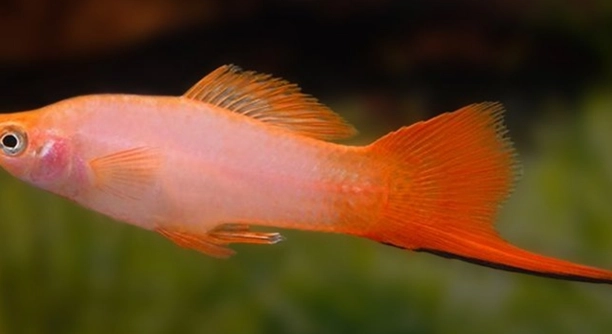
Swordtail fish, like all aquatic pets, can experience stress that impacts their well-being. If you notice signs of stress in your swordtail, understanding how to help them calm down is essential for maintaining a healthy aquarium.
The most effective way to calm a stressed swordtail fish is by addressing the factors that may be causing anxiety. These include water quality, tank mates, and environmental conditions. Ensuring a stable environment will help reduce stress levels significantly.
By focusing on key factors such as tank setup and fish health, you can help your swordtail feel at ease. This article will walk you through simple steps to improve their comfort and happiness.
Understanding Stress in Swordtail Fish
Stress in swordtail fish can be caused by various factors that may affect their physical and mental well-being. Common stressors include poor water quality, unsuitable tank conditions, aggressive tank mates, and improper feeding. Swordtails are sensitive to their environment, so small changes can lead to stress. When they experience stress, they may show signs like fading colors, erratic swimming, or hiding more than usual. To ensure your fish remain healthy, it’s important to recognize these signs early and address the underlying causes. A calm and stable environment is key to preventing stress and promoting a healthy, active fish.
Stress isn’t always easy to spot, but with attention, you can identify signs early. The way your swordtail behaves tells you a lot about how they’re feeling. For example, stressed fish might swim around aimlessly or stay still in one spot.
When observing stress, start by checking the basics: water quality, temperature, and tank setup. Swordtails need clean water with stable parameters like pH and temperature. Make sure your tank is not overcrowded, as this can lead to territorial behavior. They also need plenty of hiding spots to feel secure. Keeping these factors in check can help you maintain a peaceful and stress-free environment for your fish.
How to Improve Water Quality
Water quality is crucial for the health of your swordtail. Without proper filtration, water can become polluted with waste, chemicals, and other toxins that stress your fish. Regular water changes, typically once a week, are important to maintain a clean environment. Make sure to test the water regularly, checking for ammonia, nitrites, and nitrates, as these can quickly build up and harm your fish.
To improve water quality, invest in a reliable filtration system suited for the size of your tank. Additionally, using a water conditioner can help neutralize harmful chemicals from tap water. Always ensure that the tank is well-cycled before adding fish to avoid fluctuations in water quality that might cause stress. Monitoring and maintaining clean water are the first steps in creating a healthy space where your swordtail can thrive.
Clean water also supports good fish behavior. Swordtails are less likely to show signs of stress when their environment is stable. Pay attention to the clarity of your water and the overall health of your aquarium.
Tank Environment and Layout
The layout of your tank plays a big role in reducing stress for swordtail fish. A well-designed tank provides hiding places and enough swimming space for them to feel secure. Swordtails thrive in environments where they can move freely and feel safe.
Start by adding plants, rocks, and decorations to create hiding spots. Live plants are especially helpful, as they mimic natural conditions and give your swordtail fish a sense of security. Be sure there is enough open space for swimming, as swordtails are active swimmers and need room to explore. Proper tank design not only reduces stress but also enhances the overall well-being of your fish.
It’s important to avoid overcrowding the tank. Swordtails need space to establish their territory and interact with other fish without feeling threatened. An overcrowded tank can lead to aggressive behavior or anxiety. Keeping the fish population within the tank’s capacity helps maintain peace. Additionally, maintaining a clean and organized tank will ensure the swordtails feel comfortable and relaxed, reducing the likelihood of stress-related behaviors.
Choosing the Right Tankmates
Choosing compatible tankmates for your swordtail is essential to avoid stress. Swordtails are generally peaceful fish, but they can become stressed if kept with aggressive or territorial species. Select tankmates that are calm and have similar water requirements.
Fish like tetras, mollies, and platies make great companions for swordtails. They are peaceful, active, and thrive in similar conditions. Avoid keeping swordtails with fin-nipping species or overly aggressive fish, as this can lead to constant stress. Pay attention to the size of tankmates as well; overly large or aggressive fish may intimidate the swordtails and cause undue anxiety.
Before introducing new fish, research their behavior and compatibility with swordtails. Mixing different species can be fun, but it’s essential to ensure all your fish are safe and comfortable in their environment. Consider the temperament of each species and the amount of space available for all the fish to avoid aggression and territorial issues. Healthy and compatible tankmates will help swordtails feel more at ease and contribute to a less stressful environment.
Proper Feeding Practices
Swordtail fish can become stressed if their diet isn’t suitable or consistent. Overfeeding or underfeeding can both cause problems. Ensure you provide the right amount of food for your swordtail, so they can eat without stress.
Feed them small amounts two to three times a day, adjusting based on their appetite. Overfeeding leads to water quality issues, while underfeeding can cause malnutrition. Use a variety of food options, such as flakes, pellets, and live or frozen foods, to give them a balanced diet. Keeping feeding times regular helps maintain a stress-free routine for your swordtail fish.
Proper feeding habits also help in maintaining a healthy and active swordtail. When swordtails are well-fed, they are less likely to engage in stressful behaviors. A balanced diet contributes to their overall well-being and reduces the likelihood of health problems caused by improper nutrition.
Monitoring Water Temperature
Maintaining a stable water temperature is crucial for swordtail health. Swordtails prefer temperatures between 72°F and 78°F (22°C to 26°C). If the temperature fluctuates too much, they can become stressed and sick.
Invest in a reliable aquarium heater and thermometer to keep the water temperature consistent. Even small changes in temperature can affect your swordtail’s health. If the water gets too cold or too hot, it can cause discomfort, stress, and a weakened immune system. Regularly check the temperature to ensure it stays within the ideal range.
Water pH and Hardness
The pH and hardness of the water affect swordtail fish’s comfort. They prefer slightly alkaline water with a pH range of 7.0 to 8.3. Regularly test the pH to make sure it stays within this range.
Adjusting the pH if it becomes too acidic or alkaline can be done with water conditioners or by altering the amount of substrate. Swordtails are more likely to thrive in stable water conditions, where pH and hardness don’t fluctuate frequently. Ensuring these parameters stay consistent helps keep your swordtail calm and healthy in the long term.
FAQ
What are the signs of a stressed swordtail fish?
Stressed swordtail fish show several signs, including erratic swimming, hiding more than usual, or losing their bright colors. They may also display rapid gill movement or remain in one spot, avoiding interaction with the environment. If your swordtail seems lethargic, this could also be a sign of stress. Stress affects their immune system, making them more vulnerable to diseases. Pay attention to any changes in behavior, as early intervention can help prevent long-term health issues.
How can I reduce stress in my swordtail fish?
To reduce stress, start by improving water quality, providing adequate hiding spots, and ensuring compatible tankmates. Keep the water clean with regular water changes and use a filtration system. Maintain a stable temperature and pH level in the tank. Swordtails also need space to swim and should not be overcrowded. When tankmates are peaceful and not territorial, your swordtail will feel more secure and calm. A stable environment with regular feeding can help reduce stress significantly.
Can aggressive tankmates cause stress in swordtail fish?
Yes, aggressive tankmates can definitely cause stress. Swordtails are peaceful fish, and they may become anxious or frightened when placed with more aggressive or territorial species. If they feel threatened by other fish, they might hide more often or display erratic behavior. It’s important to research fish compatibility before adding them to the tank to avoid these issues. Always keep an eye on interactions between tankmates to ensure the swordtail is not being bullied or chased.
What water temperature is ideal for swordtail fish?
Swordtail fish prefer water temperatures between 72°F and 78°F (22°C to 26°C). If the temperature fluctuates beyond this range, they can become stressed or ill. A reliable aquarium heater is essential to keep the temperature consistent. Sudden changes in water temperature can cause shock, which weakens the fish’s immune system and increases the risk of disease. Regularly checking the water temperature with a thermometer can help you maintain a stable and safe environment for your swordtail fish.
What is the best diet for swordtail fish?
Swordtail fish thrive on a balanced diet that includes high-quality flakes, pellets, and occasional live or frozen food like brine shrimp or daphnia. They are omnivores and require a mix of plant and animal-based foods. Overfeeding can cause water pollution, while underfeeding can lead to malnutrition. Offer small portions that your swordtail can eat in a few minutes, and feed them two to three times a day. Providing variety ensures they get the right nutrients to stay healthy and strong.
How often should I change the water in my swordtail’s tank?
Water changes are essential for maintaining a healthy tank environment. A good rule of thumb is to change about 25% to 30% of the water every week. This helps remove waste and toxins that build up over time. If you have a filtration system, the water may remain cleaner for longer, but regular changes are still necessary. Over time, improper water quality can stress your swordtail, leading to health problems. Regular water changes help keep their environment fresh and safe.
Can I keep multiple swordtail fish in the same tank?
Yes, swordtail fish can be kept in groups, but it’s important to consider the size of your tank. They are social and enjoy the company of their own kind. However, overcrowding can cause stress and territorial disputes, so it’s essential to ensure your tank has enough space. A 20-gallon tank is usually sufficient for a small group of swordtails. Keeping a balanced male-to-female ratio is also important to avoid aggression. Too many males in the tank can lead to constant competition, which might stress the fish.
Do swordtail fish need a filter in their tank?
Yes, swordtail fish benefit greatly from having a filter in their tank. A filter helps maintain water quality by removing waste, excess food, and harmful chemicals. This is essential for keeping the water clean and reducing stress. Even though swordtails can adapt to a variety of water conditions, they are more likely to thrive in a well-filtered tank. Ensure the filter is appropriately sized for the tank volume and that it doesn’t create too strong a current, as swordtails prefer calm waters.
How can I improve the tank layout for swordtail fish?
Creating a well-designed tank layout for swordtails involves adding plants, rocks, and decorations that provide both hiding spots and open swimming space. Swordtails are active swimmers, so they need room to move around freely. Plants, especially live ones, help mimic natural conditions and give your swordtails areas to hide when they feel stressed. Having a variety of hiding spots helps them feel secure. Avoid overcrowding the tank with too many decorations, as this can reduce swimming space and lead to stress.
Is it necessary to quarantine new fish before adding them to the tank?
Yes, quarantining new fish is highly recommended to prevent the introduction of diseases or parasites into your main tank. When you get a new swordtail or any other fish, keep it in a separate quarantine tank for at least 2 weeks. During this time, monitor for any signs of illness or stress. If the new fish shows no signs of disease, it can be safely introduced to the main tank. Quarantining new arrivals helps protect the health of your existing fish and keeps your tank environment stable.
Final Thoughts
Taking care of swordtail fish involves understanding their needs and creating an environment where they feel secure and comfortable. A healthy, stress-free swordtail thrives in a stable tank with clean water, proper temperature, and enough space to swim freely. Small changes in the tank’s setup or water conditions can have a big impact on your swordtail’s well-being, so it’s important to keep an eye on their behavior and make adjustments when needed. The happier your swordtail is, the healthier they will be, and this helps them live a long, active life in your aquarium.
If your swordtail fish are showing signs of stress, don’t panic. Stress is common in aquarium fish, but it’s usually reversible once you identify the cause. Whether it’s poor water quality, incompatible tankmates, or an overcrowded tank, addressing the issue will go a long way in helping your swordtail recover. Paying attention to their diet, keeping the tank clean, and monitoring water parameters regularly will reduce the likelihood of stress. Small changes, like adding plants or rearranging tank decorations, can make a huge difference in their comfort levels.
Creating a peaceful, stress-free environment for your swordtail isn’t just about removing stressors—it’s about setting them up for success in a well-balanced habitat. Swordtails are resilient fish, and with the right care, they will thrive in your aquarium. By understanding their needs, providing the right tank conditions, and keeping an eye on their health, you can ensure your swordtails stay calm, happy, and healthy for years to come.

Hello,
If you enjoy the content that we create, please consider saying a "Thank You!" by leaving a tip.
Every little bit helps us continue crafting quality advice that supports the health, happiness, and well-being of pets around the world, for pets of all shapes, sizes, and species.
We really appreciate the kindness and support that you show us!