
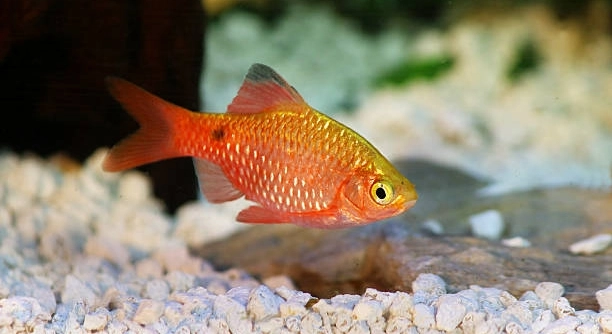
Rosy Barbs are popular aquarium fish known for their vibrant colors and active nature. However, they can become stressed due to changes in their environment or poor water conditions. Managing their stress is essential for their health and well-being.
The best way to calm a stressed Rosy Barb involves maintaining stable water parameters, providing adequate hiding spots, ensuring a balanced diet, minimizing sudden changes, avoiding overcrowding, and offering gentle tank mates to reduce stress triggers effectively.
These tips will help create a peaceful environment for your Rosy Barb and improve its overall happiness and vitality.
Understanding Stress in Rosy Barbs
Stress in Rosy Barbs can come from many sources, such as poor water quality, overcrowding, sudden changes in temperature, or aggressive tank mates. When stressed, these fish may lose their vibrant colors, become lethargic, or stop eating. It’s important to recognize the signs early to prevent illness and improve their environment. Rosy Barbs thrive in clean, stable water with proper filtration and regular maintenance. They also need enough space to swim freely without feeling threatened. Providing plants or decorations can offer safe spots where they can hide and feel secure. Avoiding sudden changes, like rapid water parameter shifts or rearranging the tank too often, helps keep them calm. Overall, maintaining a balanced and stable environment is key to reducing stress and ensuring your Rosy Barbs stay healthy and active.
Stress often shows as faded color or hiding behavior, so watch closely for these signs.
Creating a calm environment requires consistent care and attention to water quality and tank conditions. When you maintain a stable setup and monitor your fish regularly, stress levels will decrease, helping your Rosy Barbs stay vibrant and lively.
Feeding and Nutrition Tips
Proper nutrition is essential to reduce stress in Rosy Barbs. A balanced diet keeps their immune system strong and supports overall health.
Feeding them high-quality flakes or pellets designed for tropical fish is a good start. Supplement their diet with live or frozen foods like brine shrimp or bloodworms, which provide extra protein and variety. Overfeeding can cause water quality problems, so offer only what they can eat within two minutes. Feeding small amounts twice a day works best. Clean up uneaten food to prevent decay and maintain tank cleanliness. Nutritional balance and feeding habits play a vital role in keeping Rosy Barbs stress-free and healthy.
Creating Hiding Spots in the Aquarium
Providing hiding spots helps Rosy Barbs feel safe and reduces stress. Use plants, rocks, or decorations to create these areas.
Live or artificial plants offer natural cover and make the tank more inviting. Rocks and driftwood can form caves or crevices where fish can retreat when feeling threatened. Avoid overcrowding the tank with too many decorations, as Rosy Barbs also need space to swim freely. Strategically placing hiding spots throughout the aquarium encourages natural behavior and gives the fish a sense of security.
Remember to clean and maintain decorations regularly to prevent algae buildup and maintain water quality. Well-placed hiding spots create a balanced environment where Rosy Barbs can thrive, reducing their stress and promoting healthy activity.
Maintaining Stable Water Conditions
Stable water conditions are crucial to keep Rosy Barbs calm. Regular testing and adjustments ensure the environment remains consistent.
Testing water parameters such as temperature, pH, ammonia, nitrite, and nitrate levels should be done weekly. Rosy Barbs prefer temperatures between 72-78°F and a pH of 6.5 to 7.5. Sudden changes can shock fish and raise stress levels. Perform regular partial water changes of about 20-25% weekly to maintain cleanliness and remove toxins. Use a reliable filtration system and avoid overfeeding, which can lead to waste buildup. Keeping the water clean and stable supports your fish’s health and reduces behavioral problems caused by stress. Consistency in water quality is one of the best ways to keep your Rosy Barbs happy and healthy.
Avoiding Overcrowding
Overcrowding causes stress by increasing competition for space and resources. Keep the number of Rosy Barbs suitable for your tank size.
A good rule is one inch of fish per gallon of water. Overcrowded tanks lead to poor water quality and aggressive behavior, which harms the fish’s health.
Choosing Compatible Tank Mates
Rosy Barbs do best with peaceful species that won’t nip fins or bully them. Avoid aggressive or overly shy fish.
Good companions include tetras, danios, and barbs of similar size. Proper tank mate choices help reduce stress and create a peaceful community.
Gentle Handling Practices
Minimize stress during tank maintenance or fish transfers by handling Rosy Barbs carefully. Use soft nets and move slowly.
Avoid sudden movements or loud noises, which can startle the fish and raise their stress levels. Gentle care helps keep them calm.
FAQ
How can I tell if my Rosy Barb is stressed?
Signs of stress include faded colors, hiding more than usual, erratic swimming, loss of appetite, and clamped fins. Stressed fish may also breathe rapidly or scratch against objects. Watching your Rosy Barb’s behavior closely helps detect stress early, allowing you to make adjustments to improve its environment.
What water parameters are best for Rosy Barbs?
Rosy Barbs prefer water temperatures between 72°F and 78°F, with a pH level around 6.5 to 7.5. Ammonia and nitrite levels should always be at zero, while nitrate should stay below 20 ppm. Regular water testing and changes help maintain these parameters and keep stress low.
How often should I change the water in my Rosy Barb tank?
Perform a partial water change of about 20-25% every week. This removes waste and toxins that build up over time, keeping water clean and stable. Avoid large or sudden water changes, as they can shock your fish and increase stress.
Can Rosy Barbs live with other fish?
Yes, they do well with peaceful tank mates like tetras, danios, and other barbs. Avoid aggressive or fin-nipping species that may harm or stress them. Choosing compatible fish promotes a calm and healthy aquarium environment.
What foods should I feed Rosy Barbs?
High-quality tropical fish flakes or pellets make a good staple diet. Supplement with live or frozen foods like brine shrimp or bloodworms for extra protein. Feed small amounts twice daily, only what they can eat in two minutes, to avoid overfeeding and water quality issues.
How important are hiding spots for Rosy Barbs?
Very important. Hiding spots give Rosy Barbs a sense of security and reduce stress by providing places to retreat. Use plants, rocks, and decorations to create natural shelters. Well-placed hiding areas help the fish feel safe and comfortable in their tank.
What causes stress in Rosy Barbs besides water quality?
Overcrowding, aggressive tank mates, sudden changes in temperature or lighting, and loud noises can all cause stress. Proper tank setup and care reduce these factors and help your fish stay calm and healthy.
Is it necessary to monitor Rosy Barb behavior daily?
Yes. Regular observation helps spot early signs of stress or illness. Noticing subtle changes in behavior or appearance allows you to take action before problems worsen.
Can stress affect the lifespan of Rosy Barbs?
Yes, chronic stress weakens their immune system, making them more prone to diseases and reducing their lifespan. Keeping stress low with proper care supports a longer, healthier life.
What is the best way to handle Rosy Barbs during tank cleaning?
Use a soft net and move slowly to avoid startling them. Handle fish gently and minimize time out of water. Avoid sudden movements or loud noises to keep stress levels down during maintenance.
Final Thoughts
Caring for Rosy Barbs requires attention to their environment and daily needs. These fish are sensitive to changes in water quality, tank conditions, and social surroundings. Keeping water parameters stable and clean is one of the most important steps to reducing their stress. Regular testing, partial water changes, and proper filtration help maintain a healthy environment. It’s also essential to avoid overcrowding and to choose peaceful tank mates to prevent conflicts. Providing hiding spots using plants and decorations offers your Rosy Barbs places to feel safe, which reduces their stress levels significantly.
Feeding your Rosy Barbs the right diet supports their health and vitality. A balanced diet with high-quality flakes or pellets, supplemented with live or frozen foods, provides the necessary nutrients to keep them strong. Overfeeding or poor feeding habits can lead to water quality problems, which in turn causes stress. Paying close attention to how much and how often you feed your fish can prevent these issues. Feeding small amounts twice a day and removing any uneaten food will keep the tank cleaner and the fish healthier. Nutrition and proper care go hand in hand when aiming to maintain a calm, vibrant tank.
Overall, stress management for Rosy Barbs is about creating a stable and comfortable environment. Consistency in water quality, thoughtful tank setup, and proper diet all play vital roles. Observing your fish regularly helps catch any early signs of stress or illness, allowing timely action. When these elements are in place, Rosy Barbs can display their natural colors and behaviors without anxiety. Keeping them calm takes ongoing effort but results in healthier, happier fish that enhance your aquarium’s beauty. Taking these steps will help your Rosy Barbs thrive for years to come.

Hello,
If you enjoy the content that we create, please consider saying a "Thank You!" by leaving a tip.
Every little bit helps us continue crafting quality advice that supports the health, happiness, and well-being of pets around the world, for pets of all shapes, sizes, and species.
We really appreciate the kindness and support that you show us!