
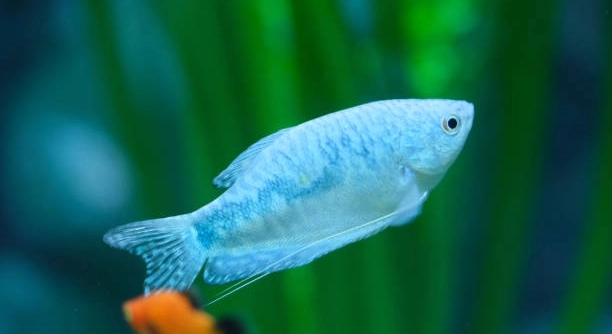
Gouramis are popular freshwater fish often kept in home aquariums. They can sometimes show signs of stress due to changes in their environment or care. Understanding how to calm a stressed gourami helps keep them healthy and happy.
To calm a stressed gourami, it is essential to maintain stable water conditions, provide plenty of hiding places, and avoid sudden changes in lighting or tank setup. Reducing noise and disturbances around the tank also helps minimize stress levels effectively.
Knowing how to create a calm environment will improve your gourami’s wellbeing and strengthen your connection with your aquatic pet.
Recognizing Stress in Gouramis
Gouramis show stress in several clear ways. They may swim erratically or hide more than usual. Loss of appetite is another common sign, as well as faded colors or clamped fins. Sometimes, they gasp for air at the water surface, which can indicate poor water quality or oxygen levels. Stress can weaken their immune system, making them vulnerable to diseases. Observing these signs early is important to prevent long-term harm. Changes in the tank, such as adding new fish or shifting decorations, can upset them. Water temperature that is too high or too low can also cause discomfort. Loud noises and constant tapping on the tank can increase their anxiety. Knowing how to spot these behaviors helps you act quickly to improve their environment. Keeping a calm and stable setting supports your gourami’s natural habits and health.
Stress signs are often subtle at first but become more obvious if ignored.
Addressing stress early avoids serious health problems. A calm tank and good water quality keep your gourami lively and vibrant. Regular observation helps catch changes before they worsen. Simple adjustments, like adding plants or rearranging decorations, create safe spaces that reduce anxiety. Gradual changes are better than sudden ones. Ensuring compatible tank mates also prevents aggressive behavior. Water testing and proper filtration maintain ideal conditions. Feeding balanced food and avoiding overfeeding support health. The more you understand your gourami’s needs, the easier it is to maintain a peaceful home. Staying attentive to their behavior builds trust and allows for timely care.
Creating a Stress-Free Environment
Start by keeping the water clean and stable. Gouramis thrive in warm, slightly acidic to neutral water with temperatures between 74-82°F (23-28°C). Use a reliable heater and monitor temperature regularly. A gentle filter helps maintain water quality without causing strong currents, which can stress your fish. Add live or artificial plants to provide hiding spots and reduce light intensity. Gouramis appreciate places to retreat when they feel threatened. Avoid overcrowding the tank, as this increases competition and stress. Keep the lighting soft and avoid sudden bright flashes or prolonged exposure to strong light. Limit noise around the aquarium, such as loud music or frequent tapping on the glass. Regular partial water changes keep toxins low and maintain a healthy environment. Slowly introduce any new tank mates, watching for signs of aggression or stress. These steps create a peaceful habitat where gouramis can relax and flourish.
Feeding Tips for a Stressed Gourami
Offering the right food helps reduce stress. Avoid overfeeding and provide a balanced diet suitable for gouramis.
A stressed gourami may lose interest in food, so patience is key. Try feeding small amounts of high-quality flakes or pellets made for tropical fish. Occasionally, supplement with live or frozen foods like brine shrimp or bloodworms to encourage eating. Avoid sudden changes in diet, as this can increase stress. Feeding once or twice daily in small portions ensures your gourami gets enough nutrition without polluting the water. If your fish refuses food for more than a few days, check water quality and tank conditions.
Consistent feeding routines help gouramis feel secure. Using a feeding schedule builds a sense of normalcy and reduces anxiety. Avoid food that sinks too fast or leaves residue, which can harm water quality. A healthy diet supports immune function, helping your gourami recover from stress more quickly.
Handling Stress During Tank Changes
When changing the tank setup, keep the process slow and gentle to avoid stressing your gourami.
Introduce new decorations or rearrange plants gradually, giving your fish time to adjust. Sudden shifts in their environment can cause panic and hiding. Use a quarantine tank for new fish before adding them to the main aquarium to prevent disease and aggression. During water changes, replace only about 20-30% at a time with water matching temperature and chemistry. Sudden changes in water parameters often cause shock and stress. Minimize disturbances by working quietly and moving slowly around the tank. Providing familiar hiding spots during changes helps your gourami feel safe. Maintaining stable conditions supports your fish’s calm behavior through adjustments.
Tank Mates and Stress
Choosing the right tank mates is important for your gourami’s comfort. Avoid aggressive or overly active fish that might bully or stress them.
Peaceful, slow-moving fish like small tetras or rasboras usually coexist well with gouramis. Keep the tank spacious enough to reduce territorial disputes and allow hiding spots for all fish.
Water Quality Maintenance
Maintaining excellent water quality is key to reducing gourami stress. Regularly test for ammonia, nitrites, and nitrates, and keep levels safe. Perform consistent partial water changes, about 20-30% weekly, to remove waste and toxins. Use a good filtration system that provides gentle flow to avoid stressing your gourami. Avoid sudden water parameter shifts by matching new water temperature and chemistry during changes. Clean the tank and decorations carefully but avoid disturbing beneficial bacteria. Keeping the water stable and clean ensures a healthy, stress-free environment for your gourami to thrive.
Observing Behavior Changes
Pay close attention to your gourami’s daily behavior. Sudden changes may signal stress or illness, requiring quick action.
FAQ
How can I tell if my gourami is stressed?
Signs of stress in gouramis include hiding more than usual, swimming erratically, loss of appetite, faded colors, and clamped fins. You might also notice them gasping at the water surface or rubbing against objects. These behaviors show discomfort and possible poor water conditions or tank stress.
What causes stress in gouramis?
Common causes include sudden changes in water temperature or quality, overcrowding, aggressive tank mates, lack of hiding places, and loud noises near the tank. Rapid changes in lighting or rearranging the tank too quickly can also upset gouramis. Maintaining a stable environment helps avoid these stressors.
Can poor water quality affect my gourami’s health?
Yes, poor water quality is a major stress factor. High ammonia, nitrite, or nitrate levels damage their gills and skin, making them vulnerable to diseases. Regular water testing, proper filtration, and partial water changes keep water safe and reduce stress significantly.
How often should I change my gourami’s water?
Perform partial water changes of 20-30% weekly. This removes toxins without shocking your fish. Always match the new water’s temperature and pH closely to avoid sudden changes that could stress your gourami.
What should I feed a stressed gourami?
Feed small amounts of high-quality flakes or pellets designed for tropical fish. Supplement with live or frozen foods like brine shrimp or bloodworms occasionally. Avoid overfeeding, which pollutes water and causes more stress. If your gourami refuses food, check water quality and tank conditions.
Is it okay to keep gouramis with other fish?
Yes, but choose peaceful tank mates that won’t bully or chase them. Suitable companions include small tetras, rasboras, and peaceful bottom dwellers. Avoid aggressive or very active fish, as these can cause stress or injury.
How can I reduce stress during tank changes?
Make changes slowly and gently. Rearrange plants or decorations gradually, and introduce new fish only after quarantine. When doing water changes, replace only part of the water and match the temperature and chemistry. Avoid loud noises or sudden movements near the tank.
Why do gouramis hide a lot?
Hiding is a natural behavior, especially when they feel stressed or threatened. Providing plants and decorations gives them safe spots. If hiding increases suddenly, it may indicate stress from water quality, tank mates, or environmental changes.
Can lighting affect my gourami’s stress levels?
Yes, bright or flickering lights can stress gouramis. Use soft lighting and provide shaded areas in the tank. Avoid sudden changes in lighting duration or intensity to keep your fish comfortable.
What should I do if my gourami looks sick?
If you notice unusual spots, fin damage, or lethargy, test the water first. Poor water quality often causes illness. Treat any diagnosed disease quickly with proper medication. Keep the tank clean and stress low to help recovery.
How important are hiding spots for gouramis?
Very important. Hiding spots reduce stress by offering a safe place to retreat. Use live or artificial plants, caves, or decorations to create these areas. A well-decorated tank supports your gourami’s natural behavior and calmness.
Can stress cause disease in gouramis?
Yes, stress weakens the immune system, making gouramis more susceptible to infections like ich, fin rot, or fungal diseases. Preventing stress through stable water and environment lowers the risk of illness.
Is it normal for gouramis to gasp at the surface?
Occasional surface breathing is normal because gouramis can gulp air from the surface, but frequent gasping may indicate low oxygen or poor water quality. Test water parameters and improve aeration if necessary.
How do I maintain stable water parameters?
Test water regularly for pH, ammonia, nitrite, and nitrate levels. Use a reliable heater and gentle filter. Avoid sudden temperature or chemical changes by adding new water slowly during changes. Keeping conditions steady supports your gourami’s health.
Can temperature changes stress my gourami?
Yes, gouramis prefer a stable temperature between 74-82°F (23-28°C). Sudden shifts can cause shock and stress. Use a heater and thermometer to maintain a consistent temperature in the tank.
What is the best way to introduce new fish to the tank?
Quarantine new fish in a separate tank for at least two weeks to prevent disease spread. Introduce them slowly and monitor for signs of aggression. Make sure tank size and hiding spaces are sufficient to reduce stress for all fish.
How long does it take for a stressed gourami to recover?
Recovery time varies but can take days to weeks depending on the cause and care. Improving water quality, diet, and environment speeds healing. Avoid disturbing your fish during recovery to help them regain strength calmly.
Can overfeeding cause stress in gouramis?
Yes, overfeeding leads to poor water quality and obesity, both of which stress your gourami. Feed small portions once or twice daily and remove uneaten food promptly to keep the tank clean and fish healthy.
How do I keep my gourami happy long-term?
Maintain stable water conditions, provide hiding spots, choose peaceful tank mates, feed a balanced diet, and avoid sudden changes in their environment. Regular observation and gentle care build a stress-free home for your gourami.
When caring for a gourami, keeping stress levels low is very important for its health and happiness. Stress can come from many sources like poor water quality, aggressive tank mates, or sudden changes in the environment. Paying close attention to your fish’s behavior helps you notice problems early. Signs such as hiding, loss of appetite, or faded colors mean your gourami needs a calmer setting. By maintaining clean water, stable temperatures, and providing plenty of places to hide, you can help your gourami feel safe and secure. A peaceful tank environment supports your fish’s natural behaviors and overall well-being.
Feeding your gourami the right food in the right amounts also plays a key role in reducing stress. Overfeeding can pollute the water and cause health problems, while underfeeding can weaken your fish. Using high-quality flakes or pellets designed for tropical fish, along with occasional treats like live or frozen foods, provides balanced nutrition. Keeping a regular feeding schedule helps your gourami feel more secure and less anxious. Additionally, careful selection of tank mates and gentle handling during tank changes reduce stress and prevent aggressive interactions. A calm, quiet area around the tank helps avoid startling your fish with loud noises or sudden movements.
Ultimately, a calm and stable environment is the best way to prevent and reduce stress in your gourami. This includes regular water testing and changes, appropriate tank size, and careful introduction of new fish or decorations. Taking time to observe your gourami’s behavior and responding to its needs shows good care and helps build trust. Stress-free gouramis are healthier, more active, and display their beautiful colors better. By following simple steps and staying attentive, you can create a happy home where your gourami thrives and grows peacefully for years to come.

Hello,
If you enjoy the content that we create, please consider saying a "Thank You!" by leaving a tip.
Every little bit helps us continue crafting quality advice that supports the health, happiness, and well-being of pets around the world, for pets of all shapes, sizes, and species.
We really appreciate the kindness and support that you show us!