
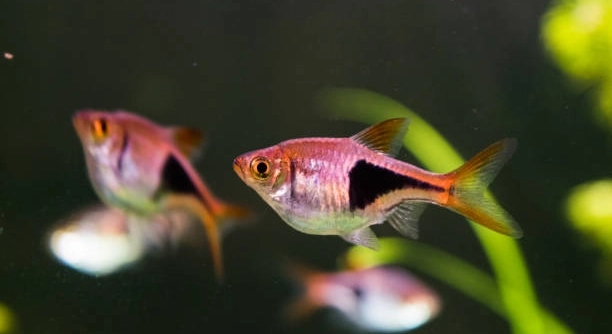
Are your rasboras showing signs of stress or fear in their tank? Many aquarists notice these small fish become skittish when faced with sudden changes or unfamiliar surroundings. Understanding their behavior is key to helping them feel safe and calm.
To calm a frightened rasbora, it is important to maintain stable water conditions, minimize sudden movements around the tank, provide ample hiding spots, and avoid overcrowding. Consistent care and a quiet environment reduce stress and encourage natural behavior.
Helping your rasbora adjust comfortably will improve its health and enjoyment in the aquarium. Learning simple techniques ensures your fish thrive and remain peaceful in their home.
Understanding Rasbora Behavior
Rasboras are naturally timid fish that rely heavily on their environment to feel secure. They react strongly to sudden movements, loud noises, or changes in lighting, which can trigger fear responses. When frightened, rasboras often hide or swim erratically, indicating stress. Recognizing these behaviors early helps prevent long-term health problems. Providing a calm setting with gentle water flow and stable temperatures is essential. Adding plants, rocks, or decorations gives them places to retreat, making them feel protected. Observing your fish closely will allow you to notice subtle signs of distress. This way, you can adjust the tank environment before stress impacts their well-being.
Keeping the tank quiet and avoiding tapping on the glass can also reduce fear. Consistency in feeding times and tank maintenance supports a sense of routine that rasboras find comforting.
Creating a stress-free environment encourages rasboras to show their natural, peaceful behavior. A calm tank benefits all aquatic life and makes your aquarium more enjoyable to watch.
Creating a Comfortable Environment
A stable and enriched environment is critical for calming a frightened rasbora. Begin by monitoring water parameters such as pH, temperature, and ammonia levels, keeping them within ideal ranges. Sudden fluctuations in these can cause significant stress. Adding dense plants and hiding spots offers security, helping fish feel less exposed. Soft lighting mimics their natural habitat, which helps reduce fear.
Routine maintenance and gentle handling during water changes prevent additional disturbances. Ensuring tank mates are compatible avoids aggressive encounters that increase anxiety. Feeding small amounts regularly supports health without polluting the water. Gradual acclimation when introducing new fish or decor minimizes shock. Avoid overcrowding by maintaining appropriate stocking levels, as cramped spaces increase stress. These steps collectively create a peaceful habitat, allowing your rasbora to thrive. With patience and attention, you will notice calmer, more confident behavior in your fish.
Recognizing Signs of Stress in Rasboras
Rasboras often display stress through erratic swimming, hiding excessively, or losing their vibrant colors. These behaviors signal discomfort or fear. Spotting these signs early allows you to act before stress harms their health.
When rasboras feel threatened, they may dart suddenly or freeze near tank decorations. Loss of appetite is also common during stressful periods. Stress weakens their immune system, making them more vulnerable to illness. Consistent observation helps identify stress triggers like loud noises, aggressive tank mates, or poor water quality. By recognizing these signs quickly, you can adjust the environment to promote calm and security.
Addressing stress involves creating stable tank conditions and minimizing disturbances. Ensuring proper tank size and compatible companions prevents conflicts. Offering plenty of hiding spaces reduces fear responses and encourages natural behavior. With attentive care, rasboras regain their health and display peaceful activity once again.
Adjusting Lighting and Tank Layout
Lighting intensity affects rasbora comfort. Bright lights can cause stress and hide behavior, so use dim or natural lighting that simulates their habitat. Position plants and decorations to create shaded areas where they can retreat.
Proper tank layout mimics the natural environment, providing structure without overcrowding. Open swimming spaces balanced with dense foliage allow rasboras to explore while feeling protected. Rearranging decorations gradually helps fish adapt without added stress. Keep the substrate natural in color and texture to reduce visual strain. A well-planned layout supports fish confidence and encourages peaceful schooling behavior, making the aquarium more balanced overall.
Minimizing Sudden Movements
Sudden movements near the tank startle rasboras and increase their stress levels. Move slowly and calmly around the aquarium area to avoid triggering fear.
Avoid tapping on the glass or loud noises, as these actions cause immediate fright. A quiet environment helps rasboras stay relaxed and comfortable in their space.
Importance of Water Quality
Maintaining excellent water quality is crucial for rasbora health and calmness. Regular testing and partial water changes prevent toxic buildup. Stable temperature and balanced pH reduce stress. Clean water supports strong immune systems and natural behavior, making fish less prone to fear and illness.
Choosing Tank Mates Carefully
Select peaceful, non-aggressive tank mates that won’t intimidate rasboras. Aggressive or large fish cause fear and stress, disturbing the peaceful environment. Compatible companions encourage calm schooling behavior and reduce anxiety.
FAQ
How can I tell if my rasbora is frightened?
A frightened rasbora often swims erratically or hides more than usual. You might notice duller colors or loss of appetite. These signs indicate stress, which can affect their health if not addressed quickly. Observing your fish regularly helps catch these behaviors early.
What causes rasboras to become scared?
Common causes include sudden changes in water conditions, bright lighting, loud noises, or aggressive tank mates. Even frequent tapping on the glass can frighten them. Stress often results from an unstable environment or overcrowding, so maintaining calm and consistency is key.
How do I calm a scared rasbora quickly?
Start by reducing disturbances near the tank. Dim the lighting and provide hiding spots like plants or decorations. Avoid sudden movements and loud sounds. Check water parameters to ensure stability. These actions help rasboras feel secure and reduce fear promptly.
Are certain tank decorations better for calming rasboras?
Yes, live or artificial plants, smooth rocks, and driftwood create safe hiding places and shaded areas. Avoid sharp or rough decorations that might injure fish or add stress. A natural-looking setup mimics their environment and encourages relaxation.
How often should I test the water to keep rasboras calm?
Testing water weekly is ideal to monitor pH, ammonia, nitrites, and nitrates. Regular partial water changes based on these tests maintain stable conditions. Fluctuations in water quality cause stress, so consistent testing helps prevent problems.
Can lighting affect rasbora behavior?
Definitely. Bright or flickering lights can stress rasboras. Using dim lighting or floating plants to diffuse light creates a comfortable atmosphere. Mimicking their natural habitat lighting supports calm and natural activity.
What tank mates are best for rasboras?
Peaceful, similarly sized fish like small tetras, danios, or Corydoras catfish are good companions. Avoid large or aggressive species that might intimidate or chase rasboras. Compatible tank mates promote schooling and reduce anxiety.
How important is tank size for calming rasboras?
A properly sized tank prevents overcrowding, which causes stress. For small groups, a 20-gallon tank or larger is recommended. Providing enough space for swimming and hiding supports calm behavior and overall health.
What role does diet play in calming rasboras?
A balanced diet keeps rasboras healthy and less prone to stress. Feed high-quality flakes, pellets, or frozen foods in small amounts multiple times a day. Avoid overfeeding, which can pollute water and increase fear through poor conditions.
Can I use medications to calm a frightened rasbora?
Medications are usually unnecessary unless treating illness caused by stress. Focus on environmental improvements first. If disease occurs, consult an expert before using treatments to avoid harming sensitive fish.
How long does it take for a frightened rasbora to calm down?
With proper care and a stable environment, rasboras can start to calm within days to a week. Patience is important; sudden changes often worsen stress. Consistent care over time builds their confidence.
Is it normal for rasboras to hide a lot?
Some hiding is natural, especially when new to a tank. However, excessive hiding suggests fear or stress. Ensuring they feel safe with good water quality and appropriate tank mates helps reduce this behavior.
Can changing tank water suddenly frighten rasboras?
Yes, abrupt temperature or water chemistry changes during water changes cause stress. Always match new water closely to existing tank conditions and perform gradual changes to avoid shock.
Do rasboras respond to human presence?
They may become cautious or shy around people, especially if startled. Calm, slow movements and quiet behavior encourage them to feel more comfortable near the tank.
What’s the best way to introduce new rasboras to a tank?
Acclimate new fish slowly by floating their bag in the tank to equalize temperature. Gradually add tank water to their container over 30 minutes before release. This reduces shock and helps them adjust calmly.
How can I encourage rasboras to school peacefully?
Keeping at least six rasboras together promotes natural schooling behavior, which reduces fear. Provide ample swimming space and minimal disturbances to support group cohesion.
What temperature is best for keeping rasboras calm?
A stable temperature between 72–78°F (22–26°C) suits most rasboras. Avoid rapid fluctuations, as sudden temperature shifts increase stress and can weaken immune response.
Can stress cause illness in rasboras?
Yes, stress weakens their immune system, making them more susceptible to diseases like ich or fin rot. Maintaining a calm environment helps prevent illness and supports quicker recovery if sickness occurs.
Are there signs that a rasbora is permanently stressed?
Prolonged stress can cause chronic health issues and persistent hiding or lethargy. If your fish show ongoing distress despite improvements, reassess tank conditions or consult an aquatic specialist for further advice.
What’s the best way to handle a frightened rasbora?
Avoid frequent handling or netting unless necessary. Handling causes immediate fear and can injure delicate fish. If moving them is required, do so gently and quickly to minimize stress.
How do I know if my tank environment is suitable for rasboras?
A suitable environment has stable water parameters, quiet surroundings, appropriate lighting, compatible tank mates, and plenty of hiding spots. Healthy, active, and brightly colored rasboras are signs your setup is working well.
Creating a calm and comfortable environment for your rasbora is essential to its well-being. These small fish are naturally sensitive to their surroundings and respond quickly to stress. By maintaining stable water conditions, providing adequate hiding spots, and minimizing sudden disturbances, you can help your rasbora feel secure. This sense of safety encourages natural behavior and reduces the risk of illness caused by stress. It is important to pay close attention to their reactions and adjust their environment accordingly to support their health.
Consistency plays a major role in calming frightened rasboras. Keeping the water parameters stable, feeding on a regular schedule, and avoiding abrupt changes all contribute to their comfort. A well-planned tank layout with plants and decorations that offer shelter helps create a peaceful habitat. Additionally, selecting peaceful tank mates and avoiding overcrowding ensures that rasboras are not intimidated or stressed by aggressive behavior. These thoughtful choices make a significant difference in their daily life and overall happiness.
Patience and observation are key when working to calm frightened rasboras. Stress does not disappear instantly, and it may take several days or weeks for your fish to regain confidence. Continuing to provide a stable, quiet environment without sudden disruptions supports their recovery. Regular monitoring of their behavior and health allows you to notice improvements or signs that require further adjustments. With attentive care and time, your rasboras will become more relaxed and thrive in their aquarium home.

Hello,
If you enjoy the content that we create, please consider saying a "Thank You!" by leaving a tip.
Every little bit helps us continue crafting quality advice that supports the health, happiness, and well-being of pets around the world, for pets of all shapes, sizes, and species.
We really appreciate the kindness and support that you show us!