
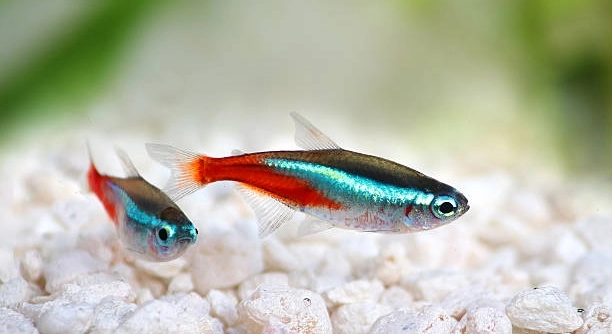
Building a thriving tetra community tank takes careful planning and attention to detail. Many aquarists want to create a peaceful, healthy environment where their tetras can flourish. Understanding the key factors involved is essential for success.
The perfect tetra community tank relies on proper tank size, water conditions, compatible tank mates, balanced diet, plants and décor, regular maintenance, and monitoring fish behavior. These elements together support a stable and stress-free environment for tetras to thrive.
Knowing these essential keys helps create a harmonious aquarium that benefits both the fish and the owner’s experience. The right setup will encourage healthy growth and vibrant activity among your tetras.
Choosing the Right Tank Size for Tetras
Selecting an appropriate tank size is one of the most important steps in building a tetra community tank. Tetras are small fish, but they need enough space to swim freely and form natural groups. A tank of at least 20 gallons is recommended for a small school of tetras. Larger tanks provide more stable water conditions and allow for a more diverse community. Overcrowding can cause stress, which weakens fish immunity and increases disease risk. When planning your tank, consider the adult size of the species and how many fish you want to keep. Giving tetras enough room helps reduce aggression and supports healthy behavior. Remember, a spacious tank also offers more opportunities to add plants and decorations that mimic their natural habitat, enhancing their comfort and wellbeing.
A properly sized tank creates a balanced environment where tetras feel secure, swim actively, and develop natural social patterns.
Choosing the right tank size not only supports the health of your tetras but also simplifies tank maintenance. More water volume dilutes toxins and stabilizes temperature fluctuations. This reduces the frequency of water changes and lowers the risk of sudden water quality shifts, which can stress fish. A bigger tank also allows you to include other peaceful community fish without overcrowding. Consider the long-term benefits of investing in a tank that gives your tetras space to grow and thrive. It sets a solid foundation for a vibrant, lively aquarium that brings lasting enjoyment.
Maintaining Ideal Water Conditions
Maintaining stable water conditions is vital for a tetra community tank. Tetras prefer slightly acidic to neutral pH, soft to moderately hard water, and temperatures between 72-80°F. Regular testing and adjustments help keep these parameters consistent. Clean, well-filtered water supports fish health and reduces disease risk.
Selecting Compatible Tank Mates
Choosing tank mates that get along well with tetras is crucial. Avoid aggressive or overly large fish. Peaceful species that thrive in similar water conditions are ideal.
Tetras are small, schooling fish that prefer calm company. Suitable tank mates include other small community fish such as Corydoras catfish, small rasboras, and some peaceful gouramis. These species usually share similar water parameters and behavior. Avoid fin-nipping fish like barbs or large cichlids that may stress or harm tetras. Compatibility reduces aggression and helps maintain a peaceful tank environment. Keeping a balanced mix ensures all fish can coexist without territorial disputes or excessive competition for food and space.
Mixing compatible species enhances the visual appeal and dynamic of the tank. It creates a natural, lively aquarium where each fish can display its unique behavior without stress. Careful selection helps prevent injuries and illness caused by bullying or overcrowding. A harmonious community supports the overall health and longevity of all tank inhabitants.
Providing a Balanced Diet
A varied diet is essential to keep tetras healthy and colorful. They thrive on a mix of flakes, frozen, and live foods.
Tetras are omnivores and require a diet rich in nutrients to support their energy and coloration. High-quality flakes or pellets designed for small tropical fish can form the base of their diet. Supplementing with frozen or live foods such as brine shrimp, daphnia, and bloodworms adds protein and variety. This helps replicate their natural feeding habits and promotes vitality. Feeding small portions two to three times daily prevents overfeeding and water pollution. Balanced nutrition supports immune function and active swimming behavior.
Consistency in feeding routines and quality food choices significantly impact tetra health. Poor diet can cause color fading, lethargy, and increased susceptibility to disease. Proper nutrition encourages growth and reproduction in a well-maintained community tank. Incorporating different food types also helps prevent boredom and ensures all fish receive adequate nourishment.
Adding Plants and Decorations
Plants and decorations provide hiding spots and help replicate the natural environment of tetras. They reduce stress and encourage natural behavior. Choose live plants that tolerate similar water conditions.
Decorations like driftwood, smooth rocks, and leaf litter also create shelter and visual interest. Avoid sharp or rough items that might injure the fish.
Regular Maintenance Practices
Consistent tank maintenance is key to a healthy tetra community. Perform partial water changes weekly, typically 20-30%, to remove waste and toxins. Clean the filter monthly without disturbing beneficial bacteria. Monitor water parameters frequently and remove uneaten food to maintain water quality. This routine prevents buildup of harmful substances and supports stable conditions essential for tetra health and vitality.
Monitoring Fish Behavior
Observing tetras regularly helps detect signs of stress or illness early. Look for changes in swimming patterns, appetite, or appearance. Early intervention improves outcomes and keeps the community tank balanced and healthy.
FAQ
How many tetras can I keep in a 20-gallon tank?
A 20-gallon tank can comfortably house about 8 to 10 small tetra fish. It is important to maintain a good swimming space and avoid overcrowding. Overcrowding can lead to stress and poor water quality, which harms the fish.
What water parameters do tetras need?
Tetras thrive in water with a temperature between 72°F and 80°F, a pH from 6.0 to 7.5, and soft to moderately hard water. Keeping these parameters stable helps reduce stress and disease risks.
Can I mix different tetra species in one tank?
Yes, most tetra species are peaceful and can live together if the tank is large enough. Avoid mixing very large tetras with smaller ones, as size differences can lead to bullying or accidental injury.
What should I feed my tetras daily?
Tetras do well on a diet of high-quality flakes or pellets supplemented with frozen or live foods like brine shrimp and bloodworms. Feed small amounts two to three times daily to avoid overfeeding and water pollution.
How often should I perform water changes?
Weekly partial water changes of 20-30% help maintain good water quality. More frequent changes may be necessary in heavily stocked tanks or if water tests show poor conditions.
Are live plants necessary for a tetra tank?
While not mandatory, live plants improve water quality and provide hiding places, which help reduce stress. Plants also create a natural environment that encourages natural behavior in tetras.
What tank mates are compatible with tetras?
Peaceful species like Corydoras catfish, small rasboras, and some gouramis usually coexist well with tetras. Avoid aggressive or fin-nipping fish to maintain a calm community.
How can I tell if my tetras are stressed?
Signs of stress include hiding frequently, erratic swimming, loss of color, and reduced appetite. Stress often results from poor water quality, overcrowding, or incompatible tank mates.
Can tetras live in a small tank under 10 gallons?
Small tanks are not ideal for tetras because they prefer schools and need stable water conditions. Tanks under 10 gallons usually lack sufficient space and can cause rapid water quality fluctuations.
How long do tetras typically live?
With proper care, tetras can live 3 to 5 years. Good water quality, proper diet, and a stress-free environment extend their lifespan.
Is a filter necessary for a tetra community tank?
Yes, a filter is essential to keep the water clean and oxygenated. It removes waste and harmful chemicals, helping maintain a healthy environment.
How do I prevent disease in my tetra tank?
Maintain stable water conditions, avoid overcrowding, feed a balanced diet, and quarantine new fish before adding them to the tank. Regular observation can catch early signs of illness.
Can I keep tetras with shrimp or snails?
Yes, many small shrimp and snails coexist peacefully with tetras. They also help clean the tank by eating algae and leftover food, contributing to tank health.
What is the best way to introduce new tetras to an established tank?
Float the new fish in a sealed bag inside the tank for 15-20 minutes to match temperature. Slowly mix tank water into the bag over 30-60 minutes before releasing fish to reduce stress and shock.
How much light do tetras need?
Tetras do well with moderate lighting. Too much light can cause algae growth and stress the fish, while too little light may affect plant growth and fish coloration. A regular day-night cycle is best.
How do I clean the tank without harming beneficial bacteria?
Clean the tank glass, decorations, and substrate gently using aquarium-safe tools. Avoid cleaning the filter media with tap water; instead, rinse it lightly with tank water during maintenance to preserve beneficial bacteria.
Final Thoughts
Building the perfect tetra community tank takes time, patience, and attention to detail. Each key element plays an important role in creating a healthy environment for your fish. From choosing the right tank size to maintaining stable water conditions, every step affects the well-being of your tetras. It is important to provide enough space for swimming and socializing, as tetras are schooling fish that thrive in groups. Overcrowding should be avoided because it increases stress and the chance of disease. A larger tank offers more stability and flexibility in creating a balanced community.
Water quality is one of the most critical factors to monitor. Keeping temperature, pH, and hardness within the ideal range supports fish health and reduces stress. Regular testing and maintenance, such as water changes and filter cleaning, help maintain these conditions. Adding live plants and decorations not only makes the tank look natural but also benefits water quality and provides hiding spots for fish. These elements encourage natural behavior and reduce anxiety in tetras. Choosing compatible tank mates is equally important to ensure a peaceful community without aggression or bullying.
Feeding a varied and balanced diet is essential for your tetras’ growth and coloration. Small portions given several times a day prevent leftover food from polluting the tank. Watching your fish closely helps catch early signs of illness or stress, allowing you to take quick action. The process of building and maintaining a tetra community tank is rewarding. It requires consistent effort, but the results are worth it. A well-kept tank provides a beautiful and lively environment where tetras can flourish and bring enjoyment to any aquarium keeper.

Hello,
If you enjoy the content that we create, please consider saying a "Thank You!" by leaving a tip.
Every little bit helps us continue crafting quality advice that supports the health, happiness, and well-being of pets around the world, for pets of all shapes, sizes, and species.
We really appreciate the kindness and support that you show us!